We use cookies on this website to ensure its proper functioning and to improve the quality of our services. Cookie Policy
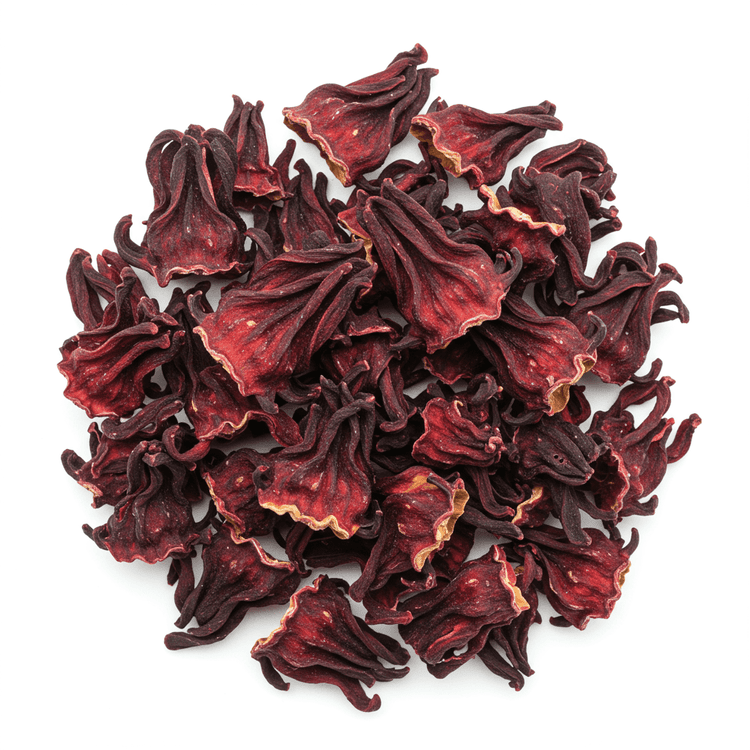
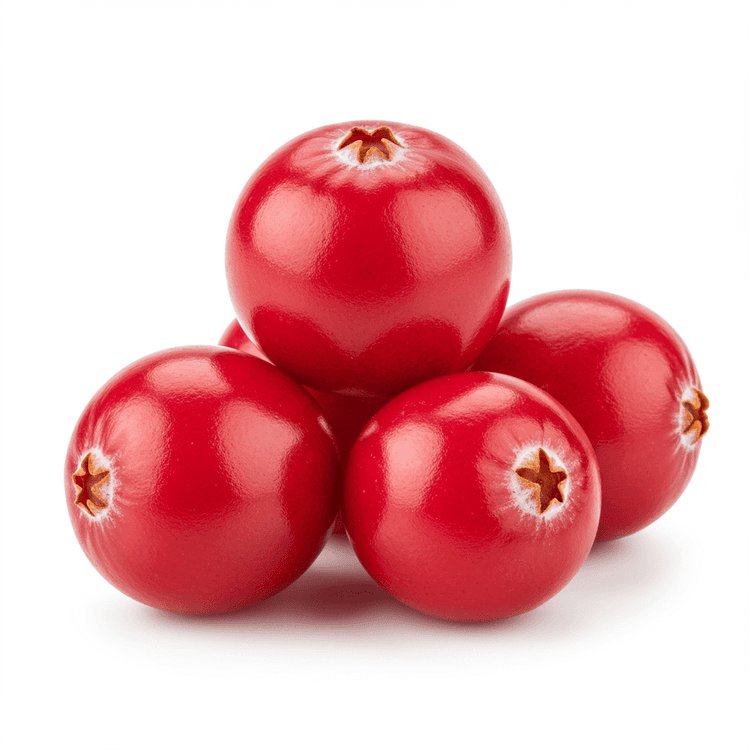
Dried hibiscus leaves, also known as bissap, offer a vibrant and tart flavor, reminiscent of cranberries or pomegranates with subtle floral notes. Their deep crimson color intensifies when steeped in hot water, creating a visually stunning and refreshing beverage. These delicate leaves are typically found in loose-leaf form and are prized for their unique taste and potential health benefits. Search for high-quality dried hibiscus flowers for the best results in your culinary creations. Enjoy the tangy and beautiful infusion this flower offers.
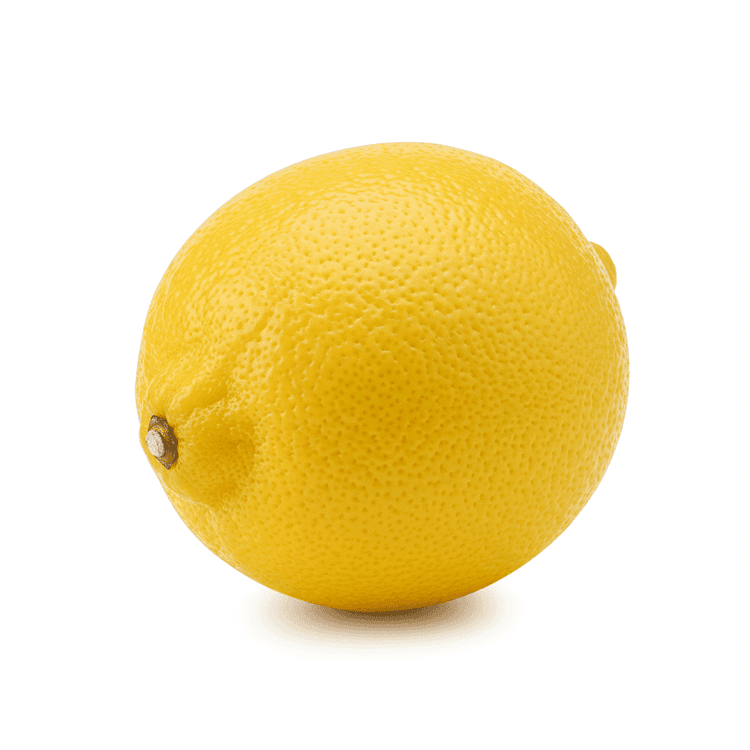
A quick note on names, because it trips people up: what most recipes call "dried hibiscus leaves" are actually the dried calyces (the fleshy, ruby-red husks that cradle the flower) of the Hibiscus sabdariffa plant, sold across the world as flor de jamaica, roselle, karkade, or sorrel. The taste is bracingly sour up front, a little like sucking on a tart cherry or a slice of lemon, then it settles into something berry-like and mellow. That sharpness is exactly why cooks reach for it: a small handful can wake up a drink or a sauce the way a squeeze of citrus does, but with a rosy color and a whisper of floral perfume on the finish.
Because the dried petals are so concentrated, a little goes a long way. Steep them longer or use more and the brew turns almost inky and mouth-puckering; pull them early and you get a softer, pinker infusion. They rehydrate beautifully too, so once you've steeped a batch you can chop the softened petals into relishes, fold them into compotes, or candy them for a garnish rather than tossing them out.
Save recipes from anywhere, and get answers, swaps, and help as you cook.


Available now for early access users.