We use cookies on this website to ensure its proper functioning and to improve the quality of our services. Cookie Policy
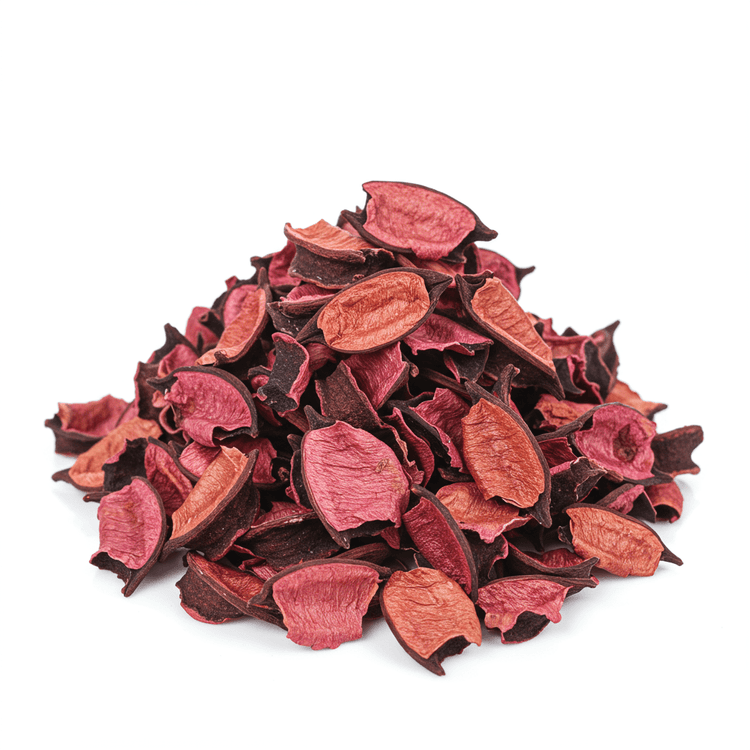
Dried rose petals are a fragrant and visually appealing culinary ingredient. These delicate petals, typically pink or red, offer a subtly sweet, floral flavor with slightly astringent notes. Their texture is delicate and slightly papery when dry, becoming more pliable when rehydrated. Dried rose petals are often used to add a touch of elegance and aromatic complexity to both sweet and savory dishes.
If you've never tasted rose before, it reads more as a perfume than a bold flavor. The aroma hits first, followed by a whisper of honeyed sweetness and a faint tannic bite on the finish, a little like the skin of a grape. That astringency is why a small pinch goes a long way. Overdo it and a dish can tip toward tasting like soap or potpourri, so most cooks start with a teaspoon or less and build from there. The petals also come in different colors and grades: deeper red petals tend to be more intense and slightly more bitter, while pale pink ones are gentler and more purely floral.
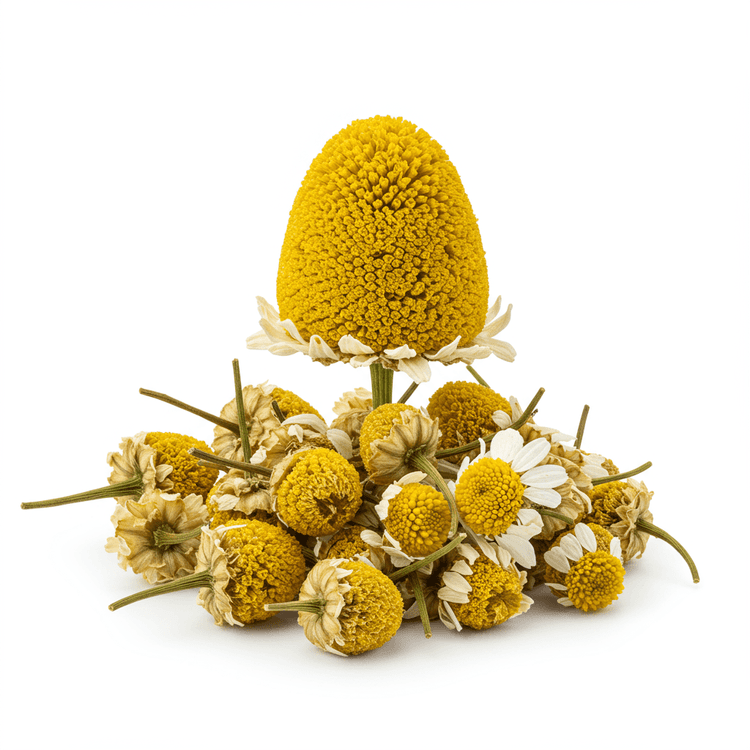
One important note on sourcing: for eating, you want food-grade or culinary roses, ideally organic and clearly labeled for consumption. Petals sold for crafts, sachets, or bouquets are often treated with pesticides or dyes and are not safe to cook with. Rose pairs beautifully with cardamom, pistachio, saffron, honey, citrus, and dairy, which is exactly why it shows up so often in Persian, Turkish, Indian, and Middle Eastern kitchens. If rose feels too heady for you, a gentler floral like dried chamomile makes an easy first step into cooking with flowers.
Save recipes from anywhere, and get answers, swaps, and help as you cook.


Available now for early access users.