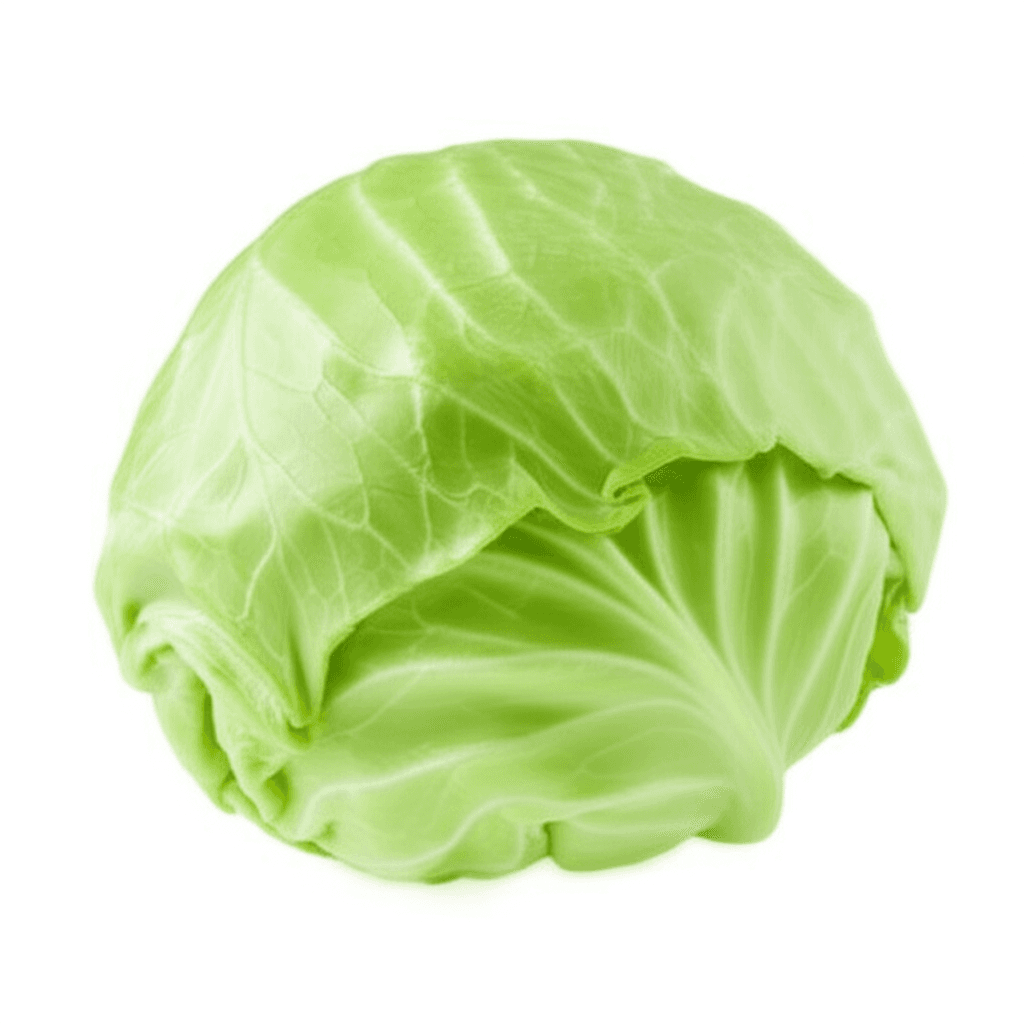
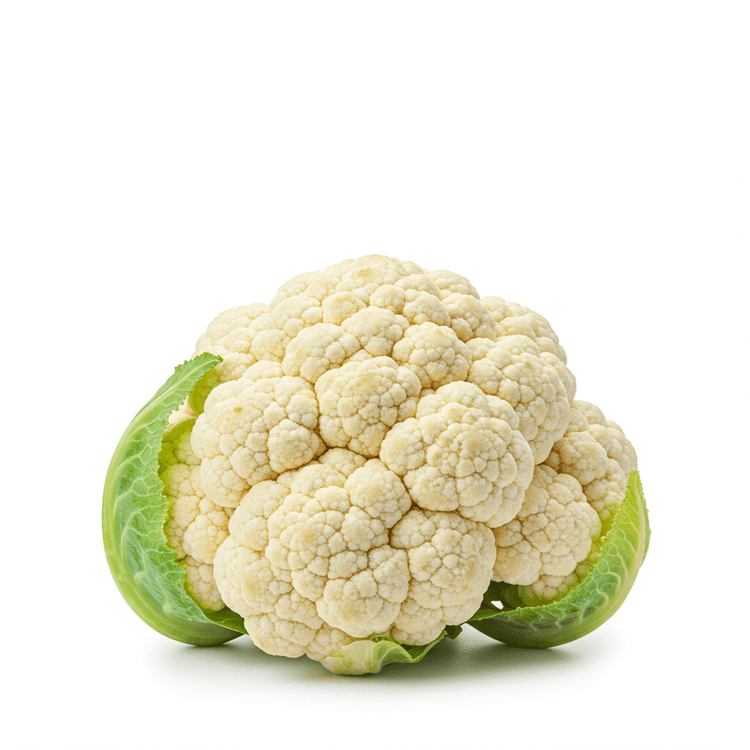
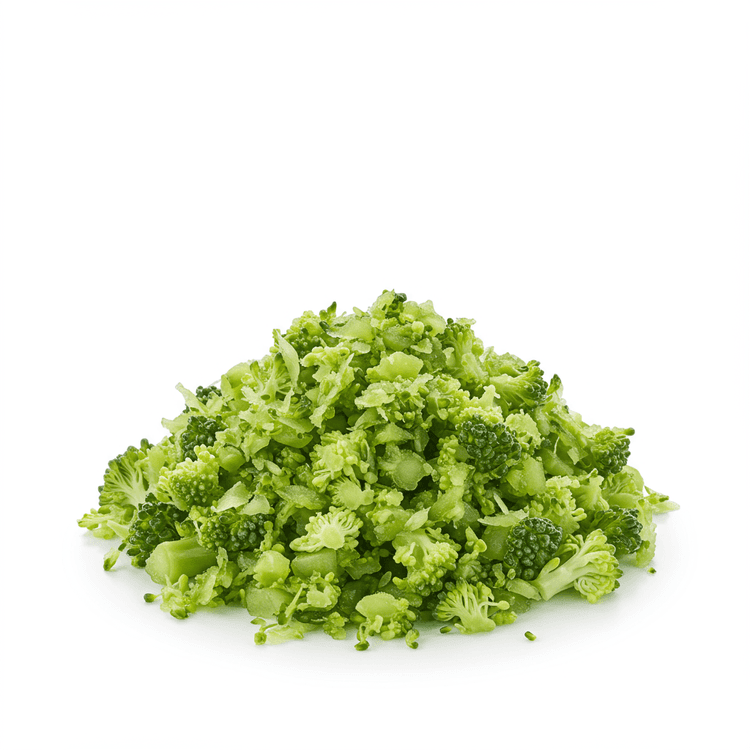
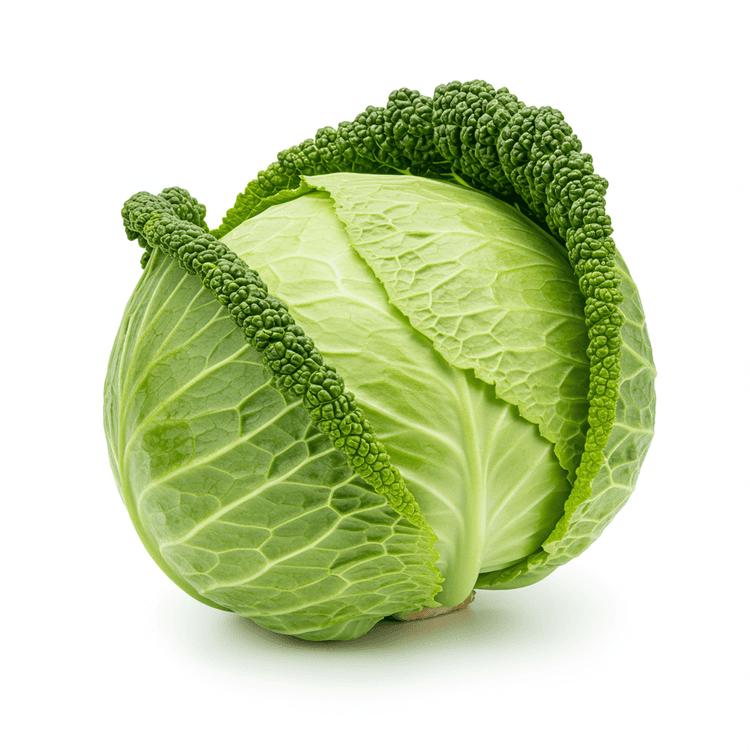
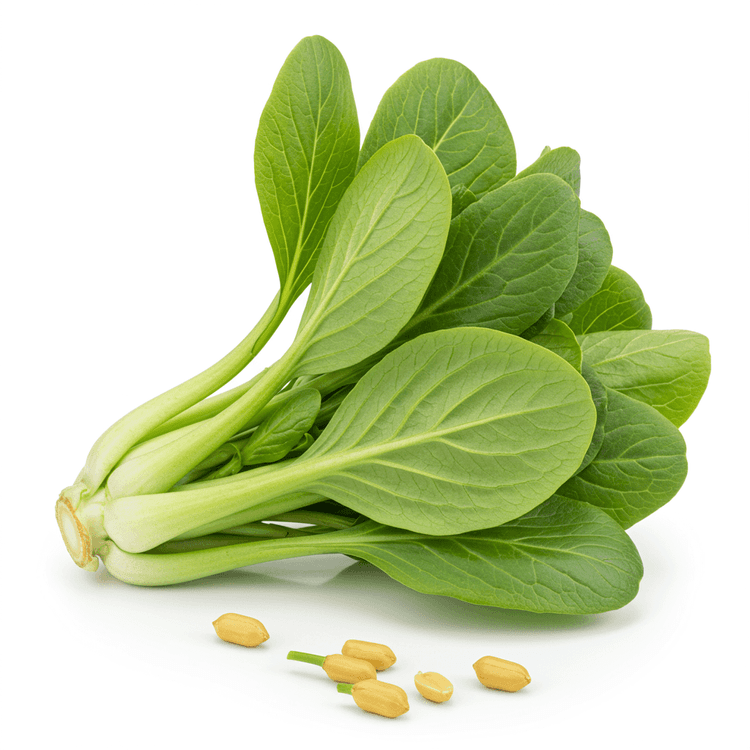
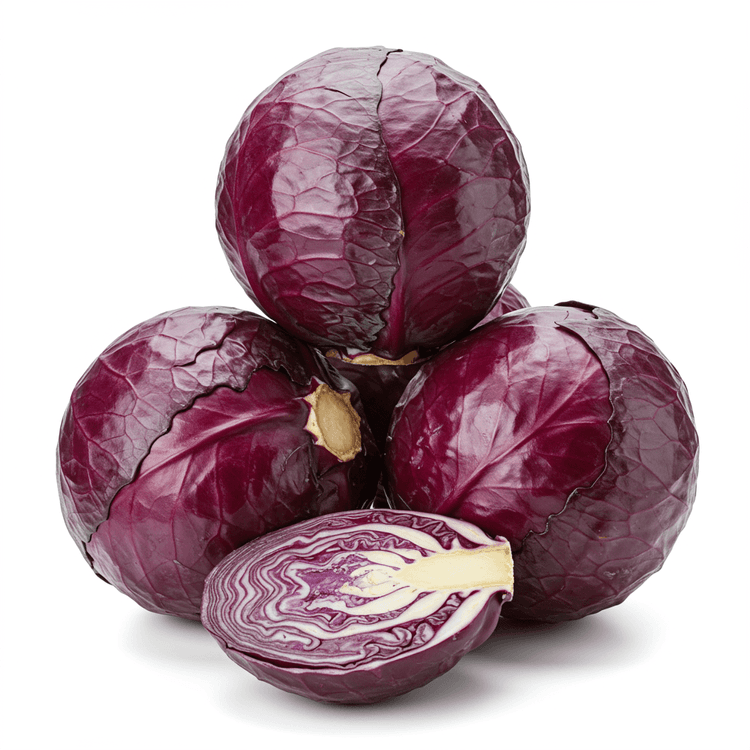
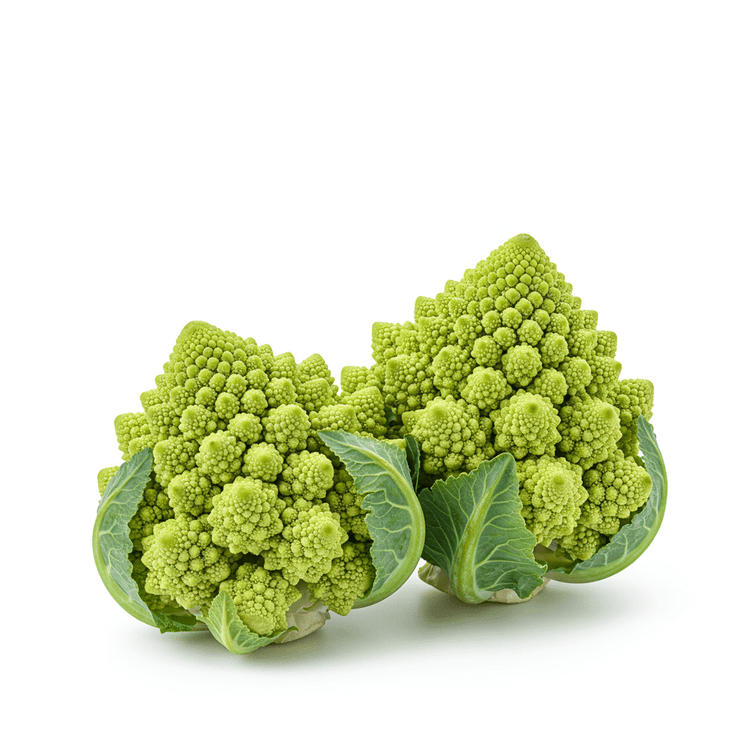
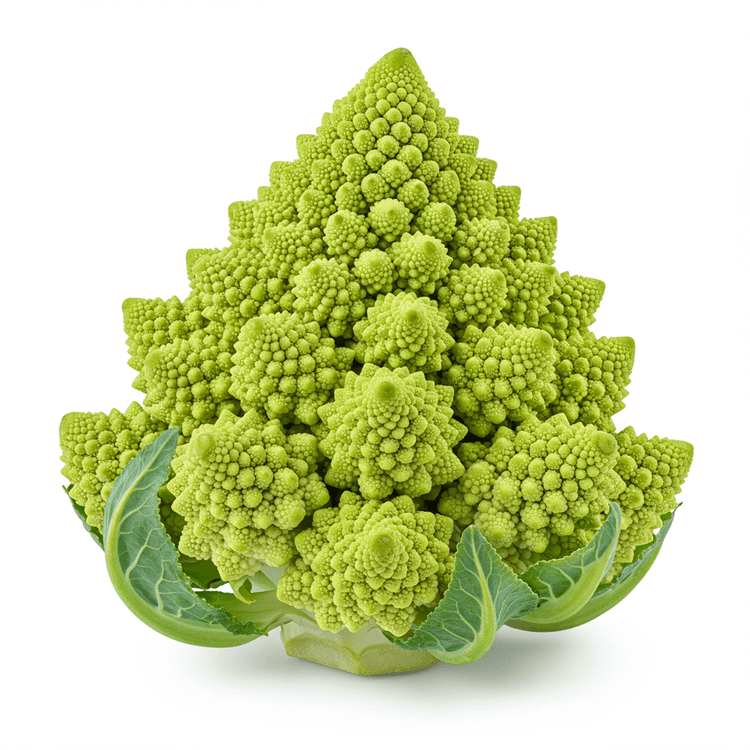
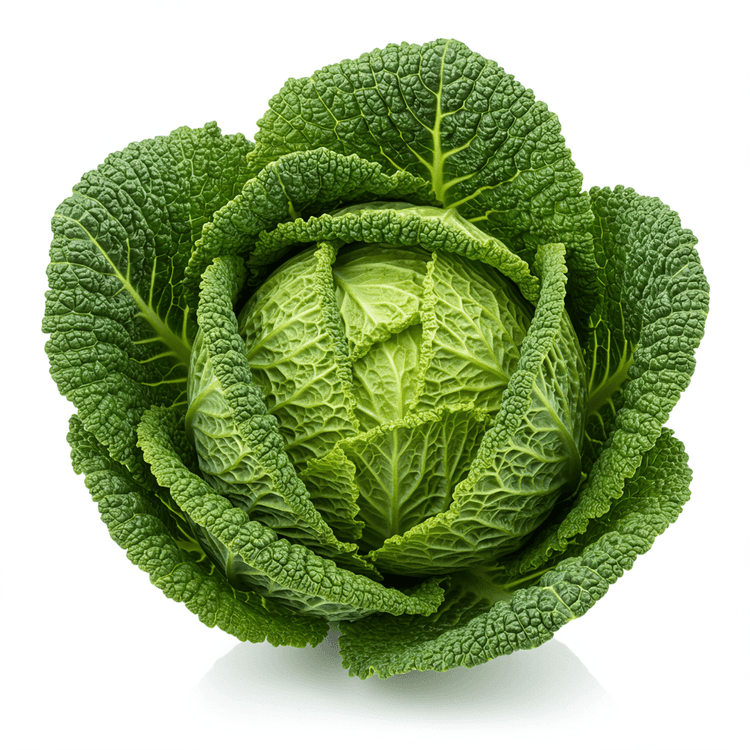
Cruciferous vegetables, a powerhouse family including broccoli, cauliflower, Brussels sprouts, cabbage, kale, and bok choy, are nutritional MVPs that deserve a starring role in your diet. Known for their distinct, slightly pungent flavor, these vegetables are packed with vitamins, minerals, and potent antioxidants, offering a wide range of health benefits that go far beyond basic nutrition.
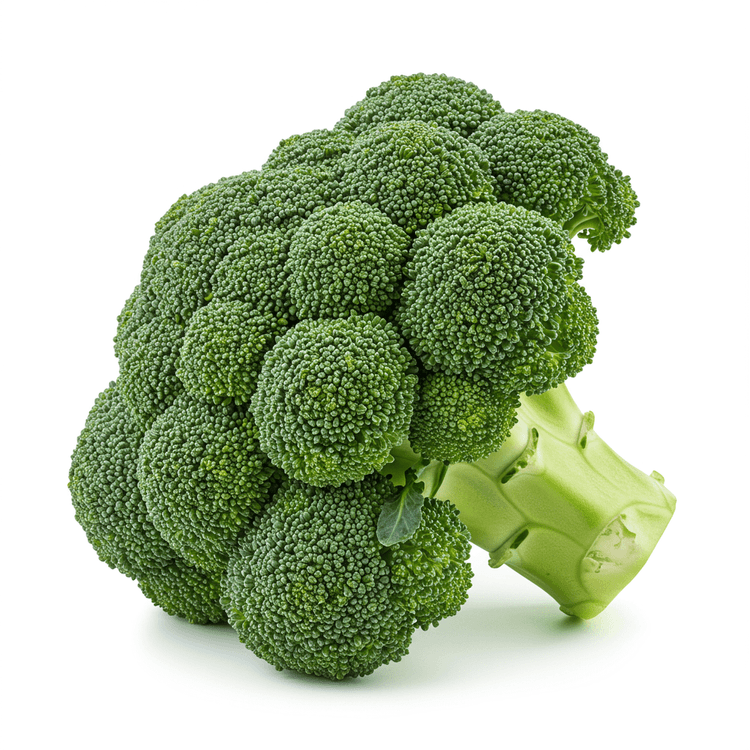
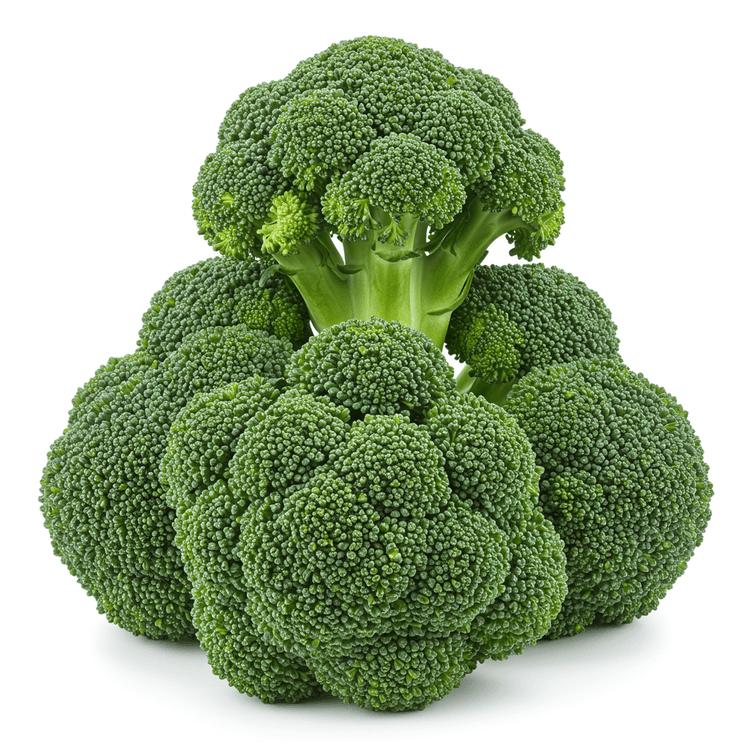
One of the key reasons to love cruciferous vegetables is their high concentration of glucosinolates. These sulfur-containing compounds are broken down during chewing and digestion into bioactive compounds like indoles and isothiocyanates, which have been extensively studied for their potential cancer-fighting properties. They may help protect cells from DNA damage, reduce inflammation, and even inhibit tumor growth. Broccoli, in particular, stands out for its high levels of sulforaphane, a powerful isothiocyanate.
Beyond cancer prevention, cruciferous vegetables are excellent sources of essential vitamins and minerals. They are rich in Vitamin C, a crucial antioxidant that supports immune function and collagen production. They also provide Vitamin K, vital for blood clotting and bone health. Folate, essential for cell growth and development, is abundant in many cruciferous vegetables, making them especially beneficial during pregnancy. Furthermore, you'll find a healthy dose of fiber in these veggies, promoting digestive health, regulating blood sugar levels, and contributing to feelings of fullness, which can aid in weight management.
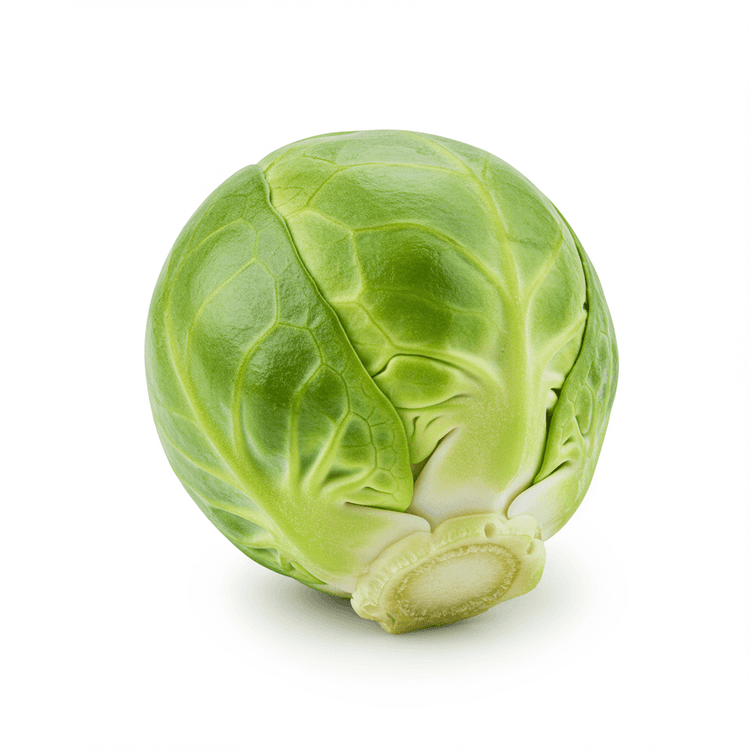
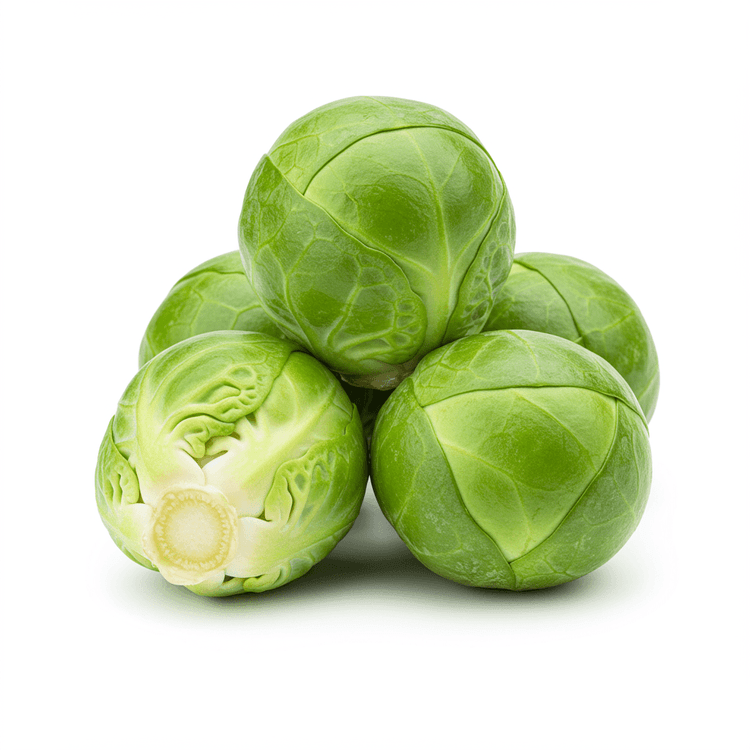
In the kitchen, cruciferous vegetables are incredibly versatile. Broccoli florets can be steamed, roasted, stir-fried, or even added raw to salads. Cauliflower can be transformed into creamy soups, mashed as a low-carb alternative to potatoes, or roasted until golden brown and slightly caramelized. Brussels sprouts, often unfairly maligned, are delicious when roasted with bacon or maple syrup, or shaved thinly into a vibrant salad. Cabbage is a staple in coleslaw, sauerkraut, and stir-fries. Kale can be massaged into salads, added to smoothies, or baked into crispy chips. Bok choy is a favorite in Asian cuisine, adding a delicate flavor and crisp texture to soups and stir-fries.
Popular dishes featuring cruciferous vegetables include broccoli and cheese casserole, roasted Brussels sprouts with balsamic glaze, cauliflower rice, cabbage rolls, kale chips, and stir-fried bok choy with garlic. The cooking method you choose can impact the nutritional content; steaming and stir-frying retain more nutrients compared to boiling, which can leach out water-soluble vitamins. Roasting brings out the natural sweetness of these vegetables.
Including cruciferous vegetables in your diet is essential for achieving a balanced and healthy lifestyle. Their unique combination of vitamins, minerals, antioxidants, and fiber provides a wide range of health benefits, from boosting immunity and protecting against chronic diseases to promoting digestive health and aiding in weight management. Make them a regular part of your meals to reap the rewards of these nutritional powerhouses. Whether you’re roasting, steaming, or adding them raw to your favorite dishes, cruciferous vegetables offer both flavor and functionality, making them a must-have for any health-conscious cook. ||
Cruciferous Vegetable are an essential part of a healthy diet, providing a wide range of nutrients and health benefits. Explore our collection of cruciferous vegetable ingredients.