Cabbage
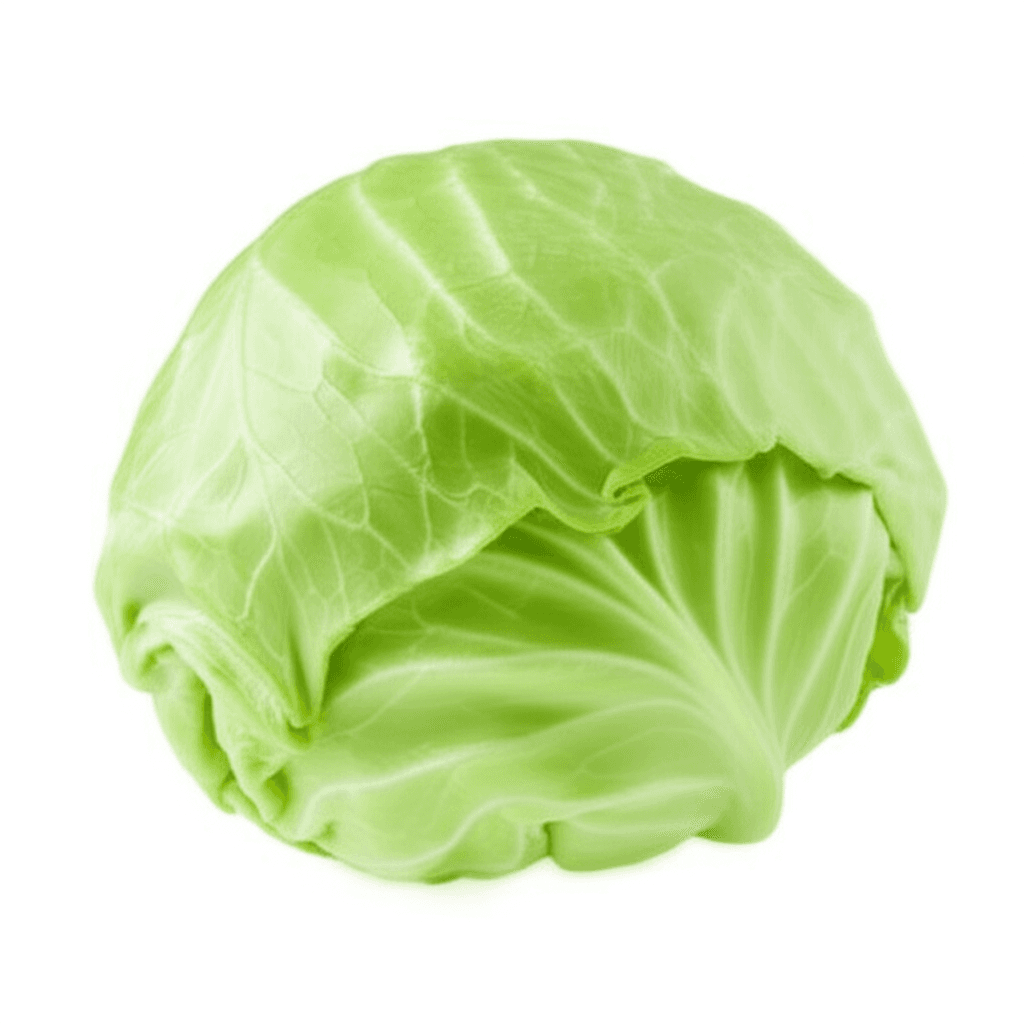
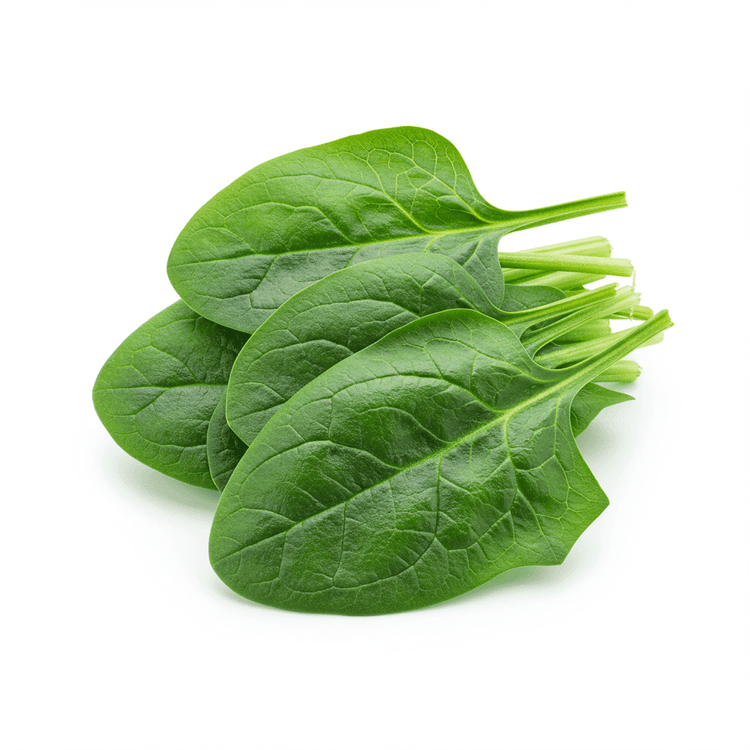
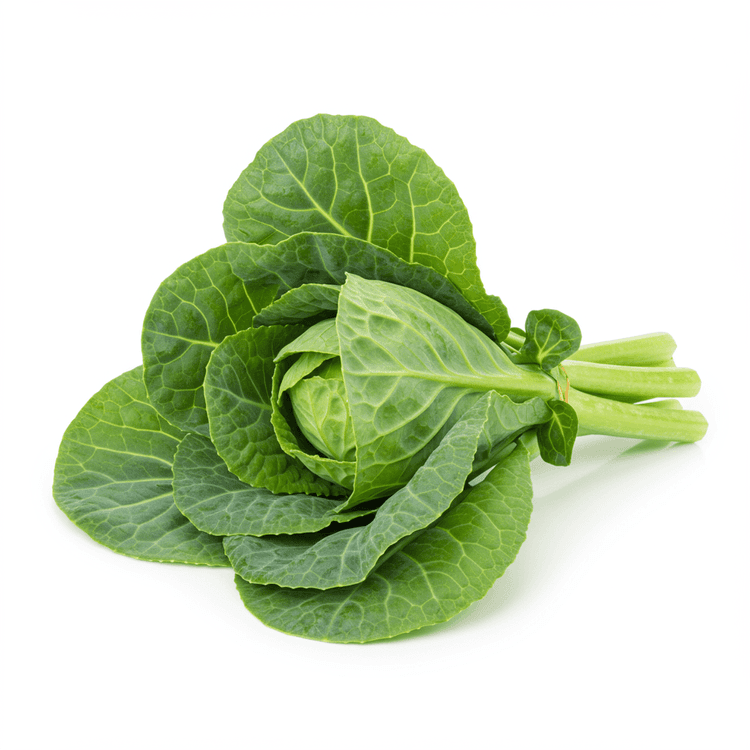
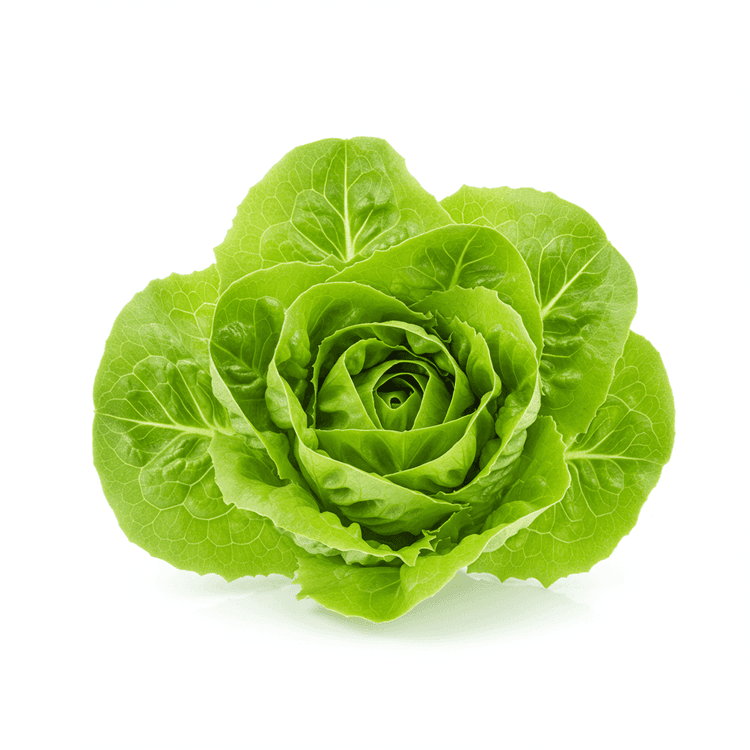
Cabbage is a leafy green, red, or white vegetable known for its crisp texture and slightly peppery, earthy flavor. This versatile cruciferous vegetable is packed with nutrients like vitamin C, vitamin K, and fiber, making it a popular choice for healthy meals. Its tightly packed leaves form a round or oval head, and it can be eaten raw, cooked, or fermented. Cabbage is a staple in many global cuisines, from Asian stir-fries to European sauerkraut and coleslaw, offering a mild yet distinctive taste that complements a variety of dishes.
Common Uses
- Use cabbage to make a fresh, crunchy coleslaw by shredding it and mixing it with a creamy or tangy dressing. Perfect for BBQs and picnics.
- Add cabbage to stir-fries for a quick, healthy, and flavorful side dish. It pairs well with soy sauce, garlic, and ginger.
- Ferment cabbage to create sauerkraut or kimchi, both of which are probiotic-rich condiments that enhance the flavor of many meals.
- Use cabbage leaves as a low-carb wrap alternative for tacos, sandwiches, or stuffed rolls.
- Simmer cabbage in soups or stews to add a hearty texture and absorb the flavors of the broth.
- Roast cabbage wedges in the oven with olive oil, salt, and pepper for a caramelized, slightly sweet side dish.
Nutrition (per serving)
Calories
25.0kcal (1.25%)
Protein
1.3g (2.6%)
Carbs
5.8g (2.11%)
Sugars
3.2g (6.4%)
Healthy Fat
0.1g
Unhealthy Fat
0.0g
% Daily Value based on a 2000 calorie diet
Nutrition (per serving)
Calories
25.0kcal (1.25%)
Protein
1.3g (2.6%)
Carbs
5.8g (2.11%)
Sugars
3.2g (6.4%)
Healthy Fat
0.1g
Unhealthy Fat
0.0g
% Daily Value based on a 2000 calorie diet
Health Benefits
- Rich in fiber, supporting healthy digestion and promoting a feeling of fullness in meals.
- Packed with vitamins C and K, which contribute to immune health and bone strength.
- Contains antioxidants that may help protect cells from damage caused by free radicals.
- Low in calories, making it a popular choice for weight-conscious diets.
- Versatile in cooking, used in salads, stir-fries, soups, and fermented dishes like sauerkraut and kimchi.
- Adds a mild, slightly sweet flavor and crunchy texture to recipes, enhancing overall dish appeal.
Chefadora AI is here.
Experience smarter, stress-free cooking.
Storage Tips
Store cabbage in the crisper drawer of your refrigerator, ideally wrapped loosely in plastic or placed in a perforated bag to maintain moisture while allowing airflow. Avoid washing until ready to use to prevent spoilage. Whole heads can last up to 2 weeks when stored properly. For longer storage, consider freezing shredded cabbage after blanching it briefly.

Marnirni-apinthi Building, Lot Fourteen,
North Terrace, Adelaide, South Australia, 5000
Australia