Betel Leaf
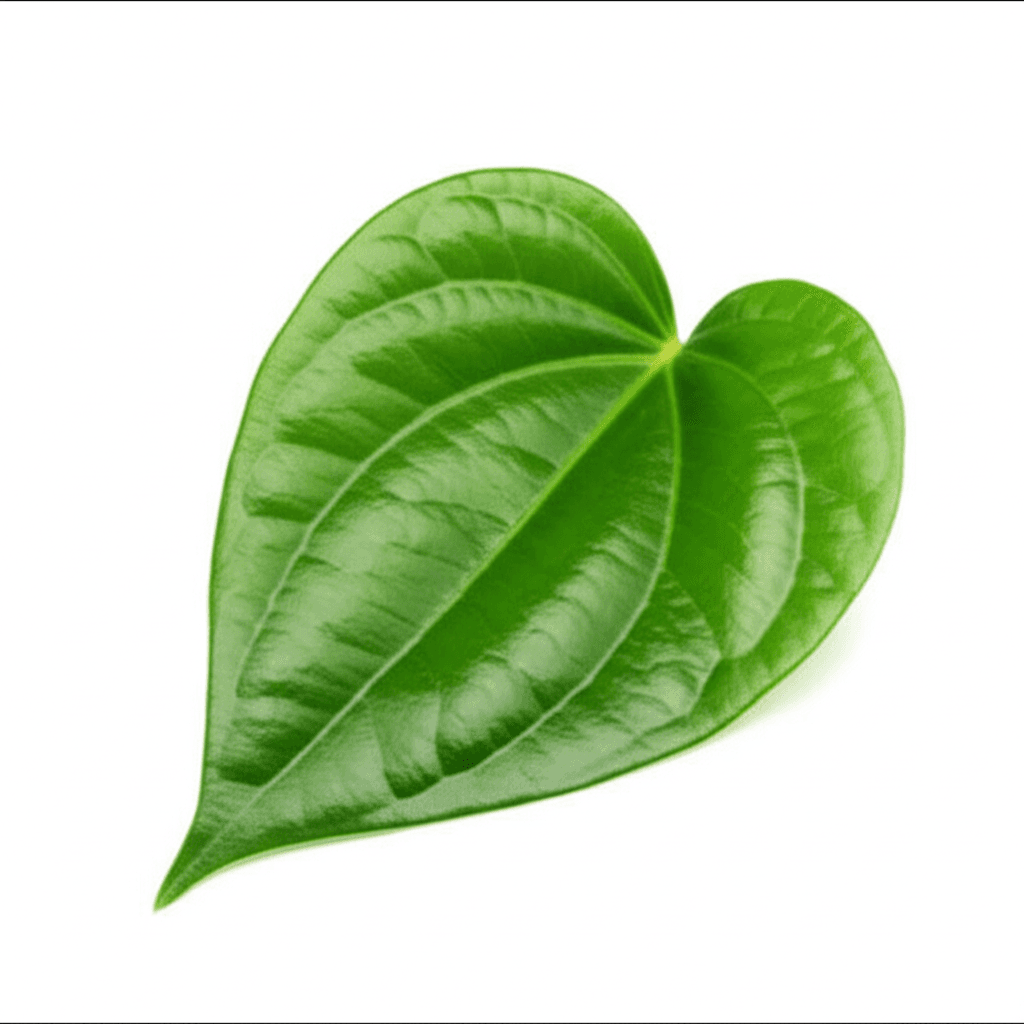
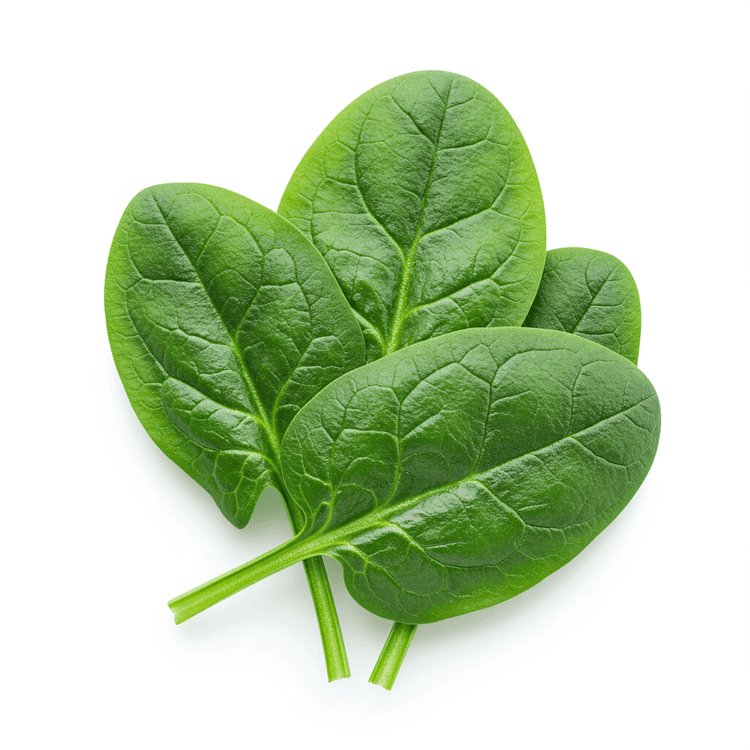
Betel leaf is a heart-shaped, glossy green leaf commonly used in Southeast Asian and South Asian cuisines. Known for its mildly bitter, peppery flavor with a hint of sweetness, it has a slightly chewy texture when fresh. Often associated with cultural traditions and medicinal uses, betel leaf is a versatile ingredient that adds a unique aromatic quality to dishes. Its vibrant green appearance makes it visually appealing, and it is widely sought after for its role in traditional recipes and natural remedies.
Common Uses
- Used as a natural wrap for ingredients like minced meat, spices, or nuts in traditional dishes such as Thai Miang Kham or Indian Paan. The leaf adds a peppery, aromatic flavor to the fillings.
- Incorporated into herbal teas or infusions for its potential digestive and medicinal benefits, often combined with ginger or honey.
- Served as a palate cleanser or mouth freshener after meals, especially in Indian cuisine, where it is paired with areca nut and sweetened condiments.
- Used in chutneys or spice pastes to impart a unique, earthy flavor to curries and stir-fried dishes.
- Employed as a decorative garnish or edible plate for appetizers, enhancing both presentation and taste.
- Occasionally used in traditional medicine for its antibacterial and anti-inflammatory properties, often in poultices or decoctions.
Nutrition (per serving)
Calories
0.8kcal (0.04%)
Protein
0.1g (0.2%)
Carbs
0.1g (0.04%)
Sugars
0.0g
Healthy Fat
0.0g
Unhealthy Fat
0.0g
% Daily Value based on a 2000 calorie diet
Nutrition (per serving)
Calories
0.8kcal (0.04%)
Protein
0.1g (0.2%)
Carbs
0.1g (0.04%)
Sugars
0.0g
Healthy Fat
0.0g
Unhealthy Fat
0.0g
% Daily Value based on a 2000 calorie diet
Health Benefits
- Betel leaves are rich in antioxidants, which help combat oxidative stress and support overall wellness.
- Known for their aromatic and slightly peppery flavor, they are often used to enhance the taste of dishes or as a natural wrap for fillings.
- Betel leaves are traditionally used in some cultures as a digestive aid, often chewed after meals to promote digestion.
- They contain essential nutrients like calcium and vitamin C, contributing to a balanced diet.
- Betel leaves are commonly used in herbal teas or infusions for their refreshing and soothing properties.
- They are a staple in many Southeast Asian cuisines, often used in appetizers, salads, or as a decorative garnish.
Chefadora AI is here.
Experience smarter, stress-free cooking.
Storage Tips
To keep betel leaves fresh, store them in the refrigerator wrapped in a damp paper towel and placed inside an airtight container or plastic bag. Avoid direct exposure to air and moisture to prevent wilting. For longer storage, you can freeze the leaves, but this may slightly alter their texture and flavor. Always check for signs of spoilage before use.
Marnirni-apinthi Building, Lot Fourteen,
North Terrace, Adelaide, South Australia, 5000
Australia