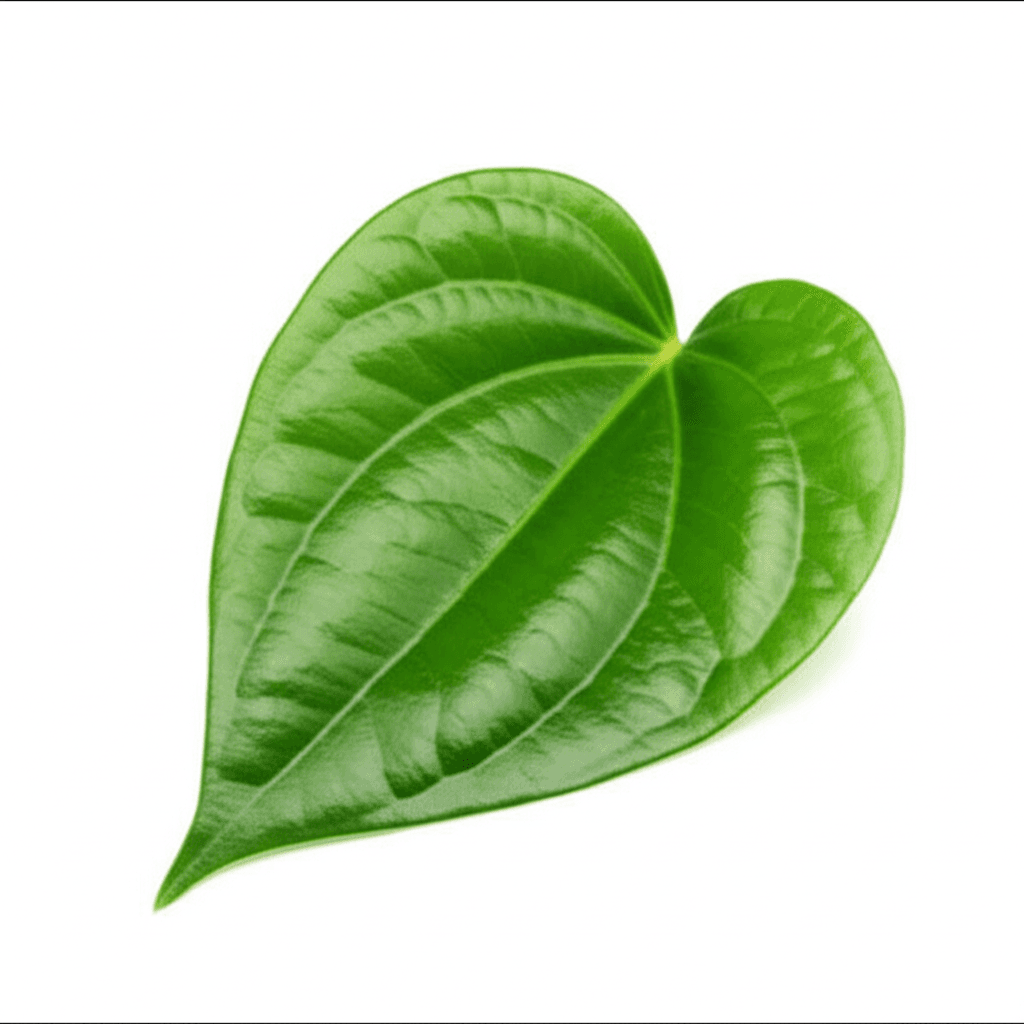
Grape Leaf
Grape leaves are tender, edible leaves harvested from grapevines, commonly used in Mediterranean, Middle Eastern, and Balkan cuisines. They have a slightly tangy, earthy flavor with a soft yet sturdy texture, making them ideal for wrapping and stuffing. Typically bright green and heart-shaped, grape leaves are often sold fresh, brined, or preserved, offering a versatile ingredient for a variety of dishes. Their unique taste and pliability make them a popular choice for creating flavorful, bite-sized appetizers and main courses.
Common Uses
- Used to make dolmas or stuffed grape leaves, a traditional dish where the leaves are filled with rice, herbs, and sometimes meat, then steamed or baked.
- Incorporated into salads or soups for an earthy, tangy flavor and added texture.
- Used as a natural wrapper for grilling or steaming fish, imparting a subtle, aromatic flavor to the dish.
- Pickled or brined grape leaves are used as a tangy garnish or side dish in Mediterranean and Middle Eastern meals.
- Chopped and added to rice pilafs or grain-based dishes for a unique, herbaceous twist.
- Used as a decorative and edible layer in serving platters or charcuterie boards to enhance presentation and flavor.
Nutrition (per serving)
Calories
93.0kcal (4.65%)
Protein
5.6g (11.2%)
Carbs
13.4g (4.87%)
Sugars
0.0g
Healthy Fat
1.1g
Unhealthy Fat
0.6g
% Daily Value based on a 2000 calorie diet
Nutrition (per serving)
Calories
93.0kcal (4.65%)
Protein
5.6g (11.2%)
Carbs
13.4g (4.87%)
Sugars
0.0g
Healthy Fat
1.1g
Unhealthy Fat
0.6g
% Daily Value based on a 2000 calorie diet
Health Benefits
- Grape leaves are low in calories and rich in fiber, making them a great addition to weight-conscious diets.
- They contain antioxidants, which can support overall wellness and provide a fresh, earthy flavor to dishes.
- Commonly used in Mediterranean and Middle Eastern cuisines, grape leaves are ideal for wrapping fillings like rice, herbs, and meat.
- They are gluten-free and can be a versatile option for those with dietary restrictions.
- Grape leaves add a tangy and slightly sour taste to recipes, enhancing the flavor profile of stuffed dishes.
- Packed with vitamins like A and K, grape leaves contribute to a nutrient-rich meal without overpowering other ingredients.
Substitutes
Chefadora AI is here.
Experience smarter, stress-free cooking.
Storage Tips
Fresh grape leaves should be stored in the refrigerator, wrapped in a damp paper towel and placed inside a plastic bag to maintain moisture and freshness. If purchased brined or canned, keep them in their original container and refrigerate after opening. For long-term storage, grape leaves can be frozen by blanching them first and then sealing them in an airtight container or freezer bag.

Marnirni-apinthi Building, Lot Fourteen,
North Terrace, Adelaide, South Australia, 5000
Australia