
Top 22 Okra Recipes: Crispy Bhindi, Masala, Stuffed and Soup Varieties
Updated July 2, 2026 · Curated by Chefadora
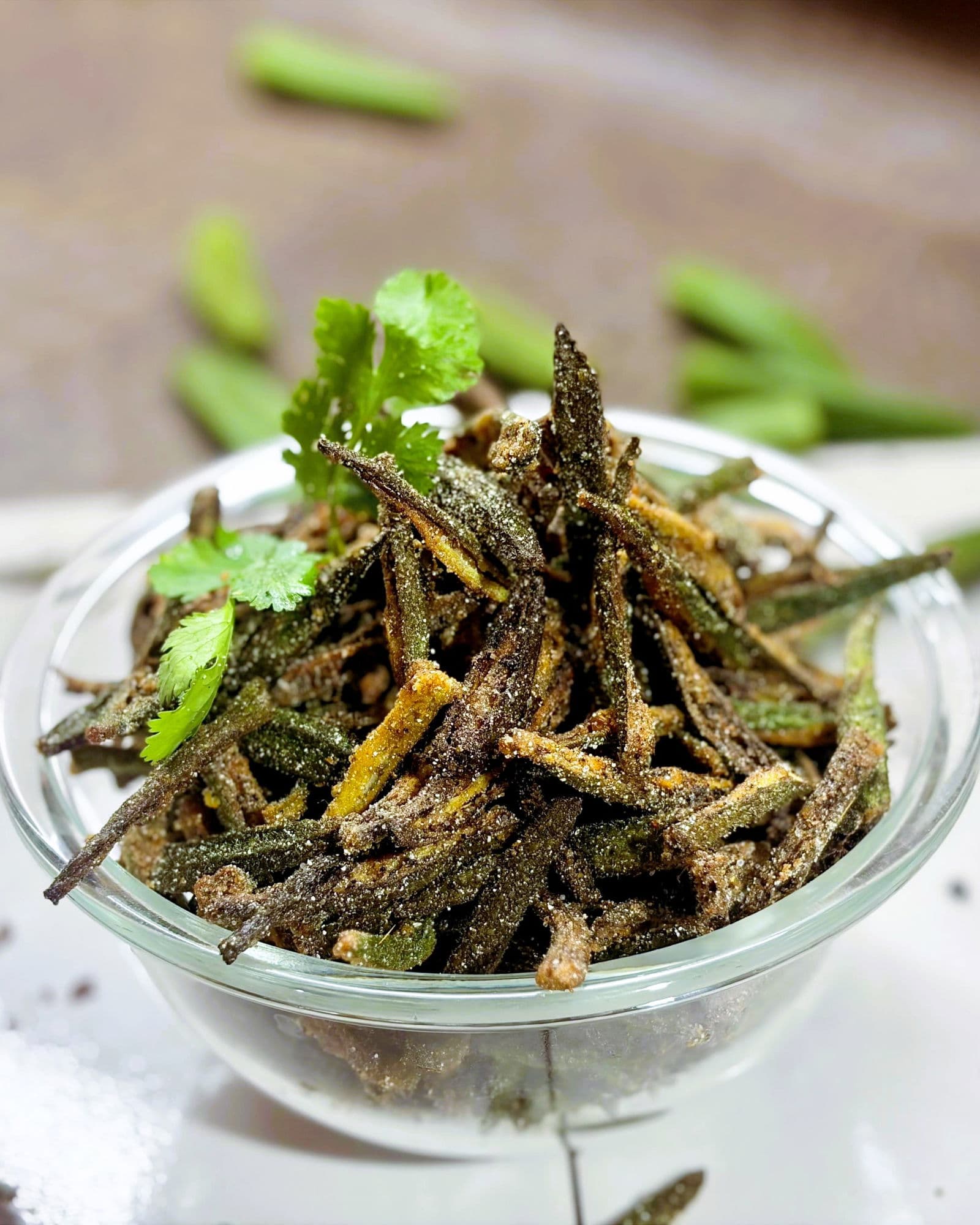
Okra recipes have a reputation problem — that sliminess everyone warns about — but the dishes below show how easily it disappears with the right technique, from bhindi fried until shatteringly crisp to soups where the same texture actually thickens the broth on purpose. This collection covers the range worth knowing: crispy fried bhindi, everyday dahi and masala preparations, stuffed and regional versions, and the soups and global dishes that use okra completely differently.
The single biggest factor in any okra dish is moisture management. Okra's sliminess comes from a mucilage that is released the moment it is cut and cooked, and depending on the dish, you either want to minimize that release through dry heat and careful prep, or lean into it as a natural thickener the way West African and Southern soups do.
Below, the recipes split into four groups: crispy fried bhindi for the texture-focused cook, dahi and masala bhindi for the everyday sabzi, stuffed and regional preparations for something more involved, and okra soups and global dishes that step outside Indian cooking entirely. Between them, they cover nearly every reason okra ends up in a kitchen.
Use this page as a reference to come back to. Every recipe links through to full ingredients and steps on Chefadora, and the guides below cover exactly what decides whether okra turns out crisp and clean-tasting or slimy and unpleasant — how to prep it dry, how to cook off the mucilage, and when sliminess is actually working in your favor.
Crispy & Fried Bhindi
Crispy fried bhindi is the dish that converts skeptics — okra sliced thin, sometimes tossed lightly in besan or rice flour, and fried until every trace of sliminess disappears into a shattering, almost chip-like crunch. Kurkuri bhindi is the benchmark version, and the whole technique depends on getting moisture out of the okra before it ever meets hot oil, since any residual water is what causes both spitting oil and a soggier result. Slicing technique matters as much as the frying itself. Thin, even slices cook through and crisp uniformly, while thicker or unevenly cut pieces end up with a soft, undercooked center under a crisp shell. Some versions add a light dusting of besan, cornflour or rice flour, which both helps draw out surface moisture and gives the finished okra an extra layer of crunch. Because okra fries quickly once it is properly dry, this cluster rewards patience in the prep stage more than skill in the pan. Wash and dry the pods well ahead of time, cut just before frying rather than letting cut okra sit around releasing liquid, and fry in a single layer so every piece gets direct contact with hot oil rather than steaming against its neighbors. Standouts here include Kurkuri Bhindi (Crispy Indian Fried Okra) and Kurkuri Bhindi, plus Bhindi Bhaji (Lady Finger Bhujia) with Chilli Garlic Sauce.
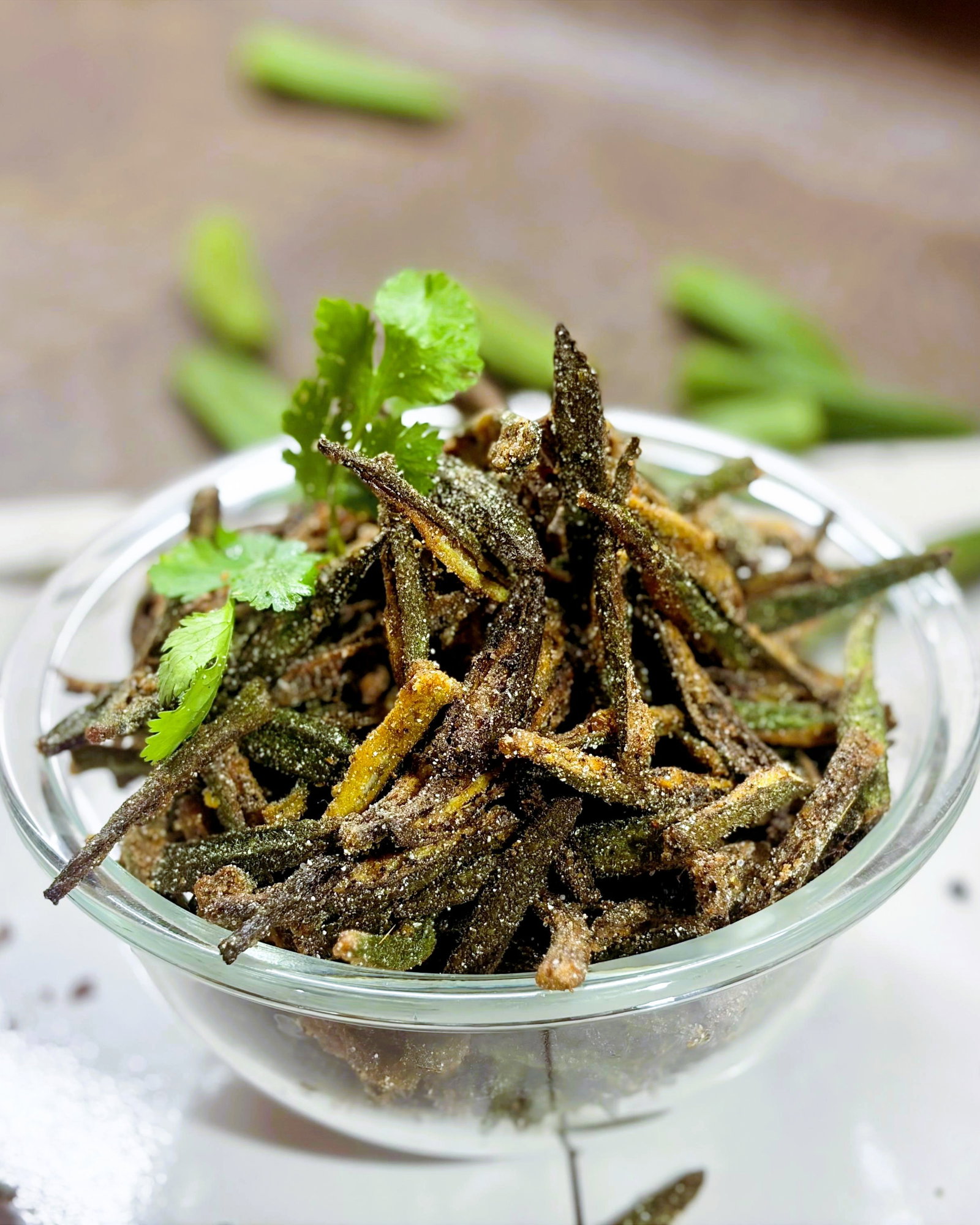

- Indian
- Vegetarian
- Snack
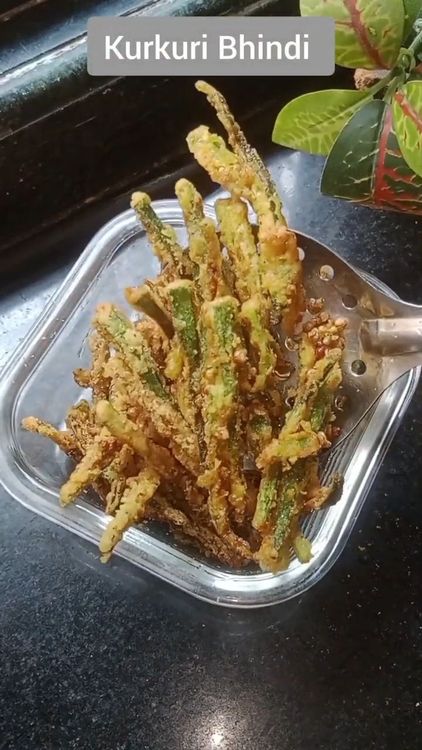

- Indian
- Vegetarian
- Snack
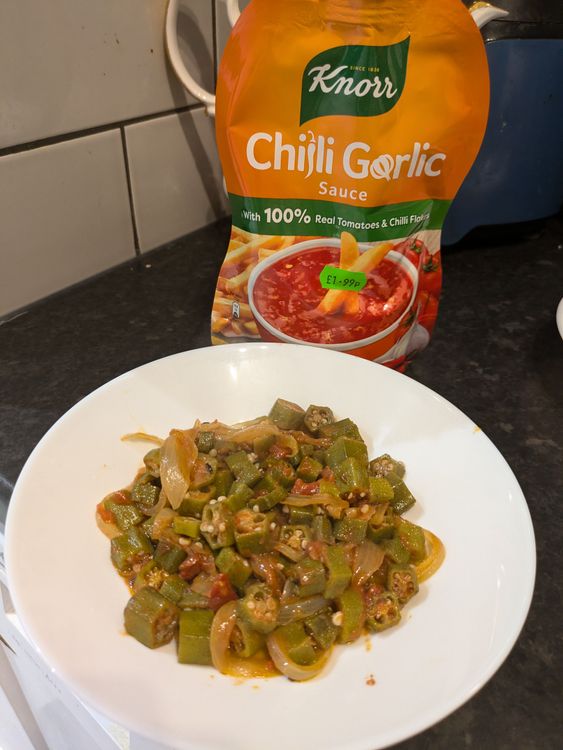
- Indian
- Vegan
- Lunch
Dahi & Masala Bhindi
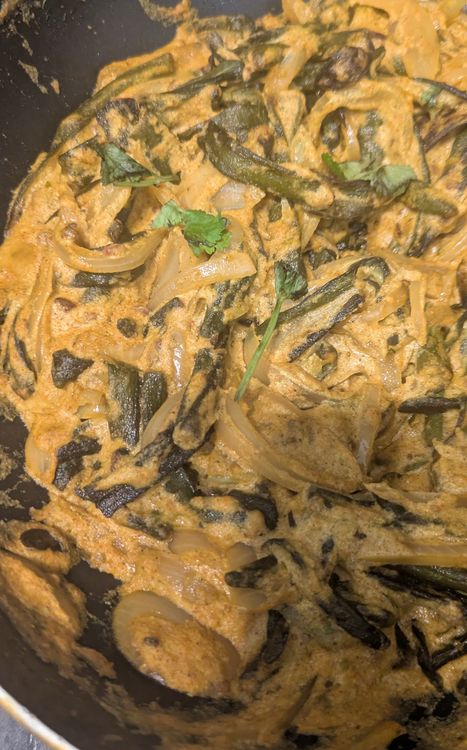
This is everyday bhindi — a dry, spiced sabzi built on a base of onion, tomato, cumin and a blend of ground spices, sometimes finished with a spoon of whisked yogurt for extra tang. Masala bhindi and dahi bhindi are the two most common home versions, and both rely on the same core principle as every other okra dish here: dry, uncovered, relatively high heat to cook off moisture rather than trap it. Yogurt-based versions add the dairy either at the start, cooked down into the masala so it thickens and coats the okra, or stirred in briefly at the end for a lighter tang that stays more distinct. Either way, yogurt should be whisked smooth before it goes anywhere near the hot pan, since adding it straight from the tub risks curdling against the heat and spices. Rajasthani dahi masala bhindi leans further into the yogurt, using it as a more substantial part of the gravy rather than just a finishing touch, giving a slightly saucier result than a purely dry masala bhindi. Across this whole cluster, the okra is usually fried or sautéed separately first before the masala comes together, keeping its texture firmer than if it were added raw straight into a simmering base. Standouts here include Masala Okra and Dahi Bhindi (Okra) Masala , plus Easy Punjabi Bhindi (Masala Okra) .
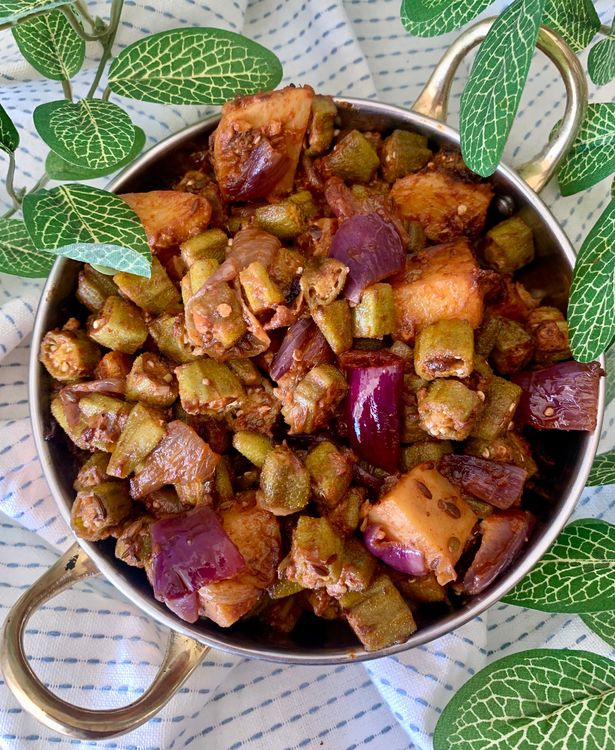
- Indian
- Vegetarian
- Lunch
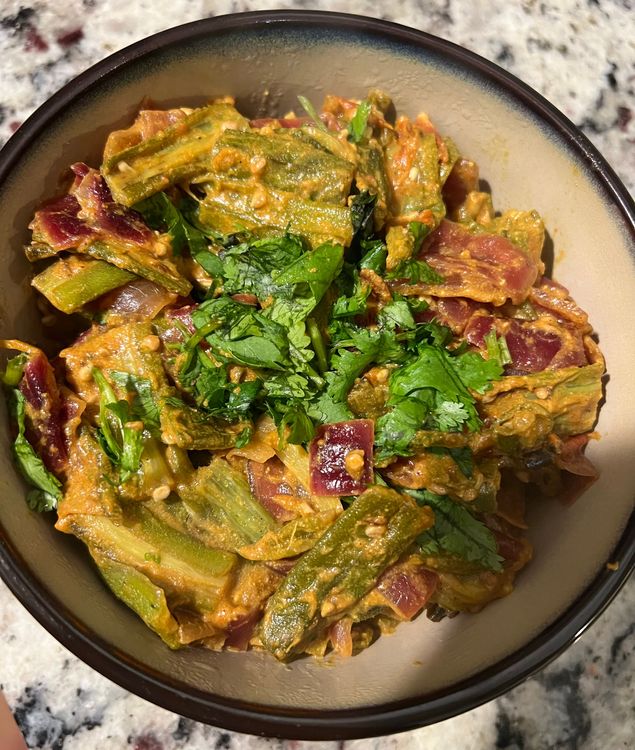

- Indian
- Vegetarian
- Lunch

- Indian
- Vegan
- Lunch
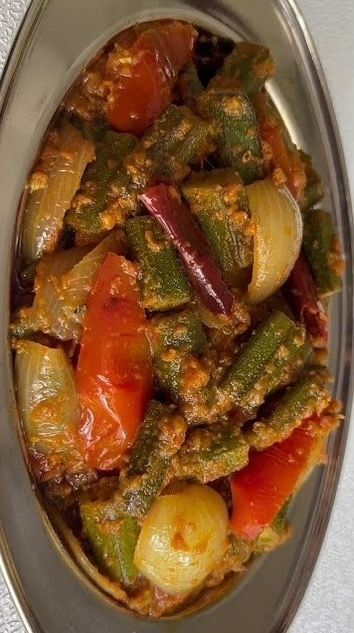

- Indian
- Vegan
- Lunch
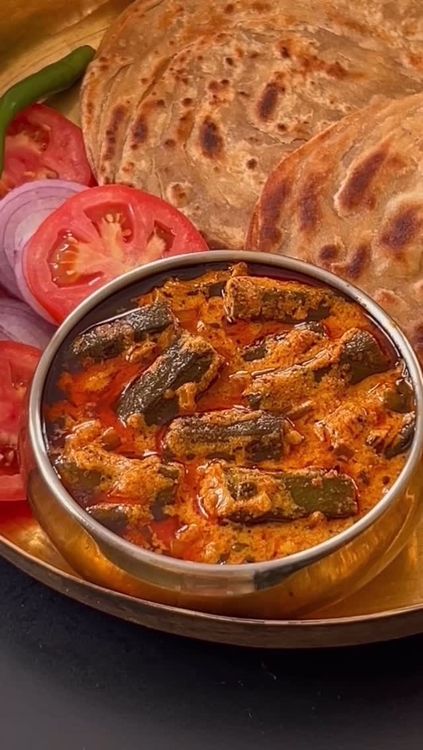
- Indian
- Vegetarian
- Side Dish
- Indian
- Vegetarian
- Lunch
Stuffed & Regional Bhindi
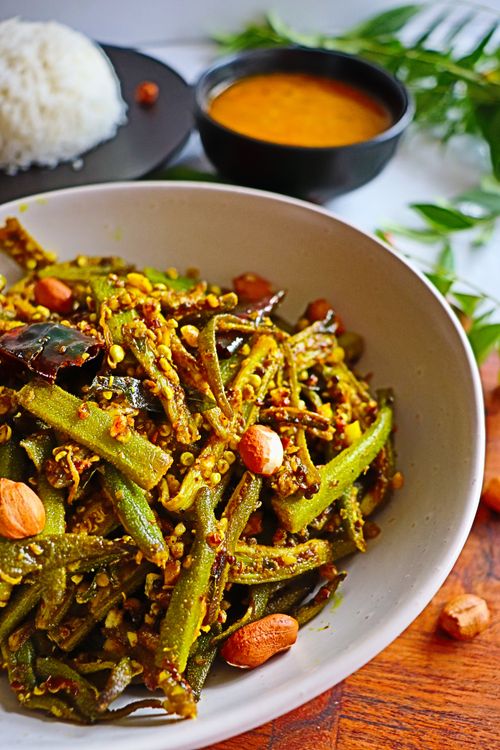
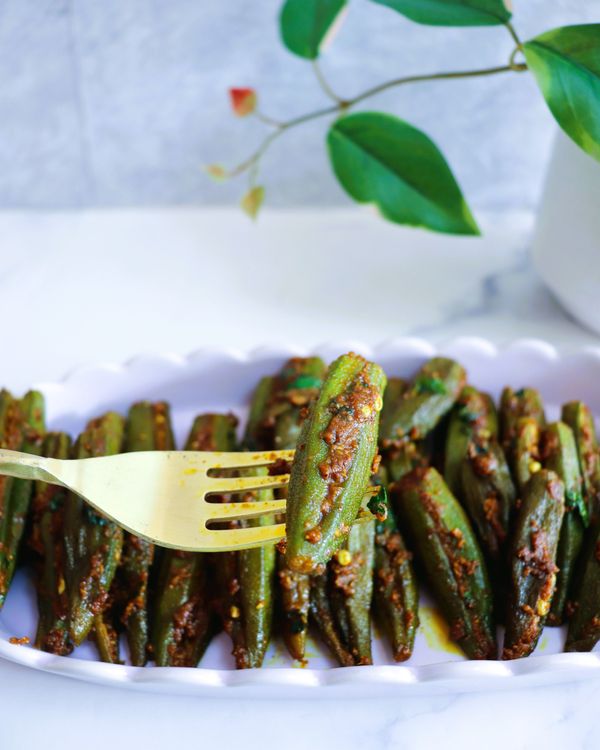
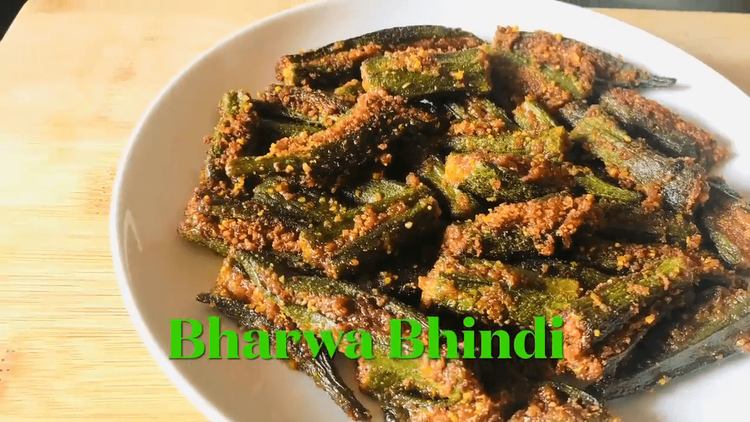
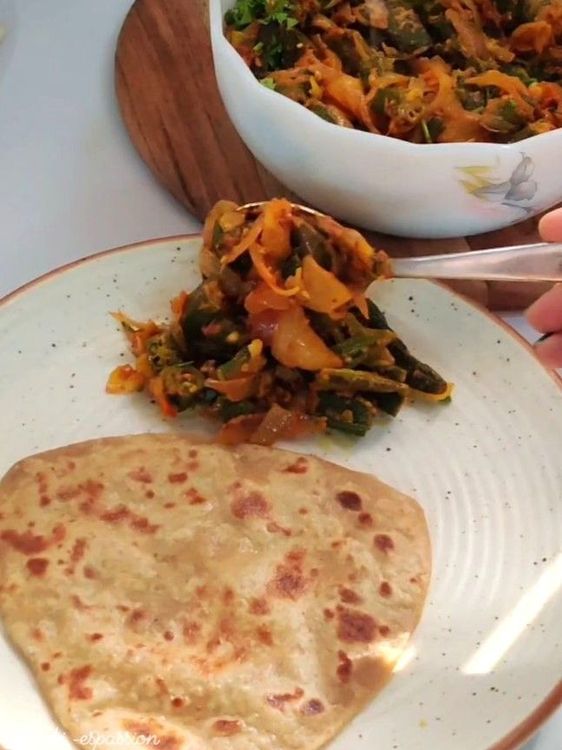
Stuffed and regional bhindi preparations take okra a step beyond the everyday sabzi, either by packing it with a spiced filling or building a more involved masala around it. Bharwa bhindi, the stuffed version, uses small, firm pods slit lengthwise and packed with a dry mix of ground spices, sometimes bulked out with besan or crushed peanuts, then cooked gently so the filling stays intact rather than spilling into the pan. Do-pyaaza style preparations, like Dhabha-style bhindi do pyaaza, lean the opposite direction — instead of a filling, they use a generous, almost equal quantity of onion alongside the okra, cooked down until soft and slightly caramelized, giving the dish a sweeter, more onion-forward flavor than a standard masala bhindi. Moongfali bhindi ki sabzi takes yet another regional turn, working crushed roasted peanuts through the dish for a nutty crunch and extra texture. What these preparations share is a willingness to take longer with okra than the average weeknight sabzi — slitting and stuffing pods individually, or cooking down a full pan of onion, both take real time. The payoff is a more restaurant-style dish, worth the extra effort when you want something beyond the usual quick stir-fry. Standouts here include Jeera Bhindi and Moongfali Bhindi ki Sabzi (Crunchy Okra with Peanuts), plus Punjabi Bharwa Bhindi (No Onion, No Garlic).

- Main Course
- Indian
- Vegan
- Lunch
- Indian
- Vegan
- Lunch
- Indian
- Vegan
- Lunch

- North Indian
- Vegetarian
- Lunch
Okra Soups & Global Dishes
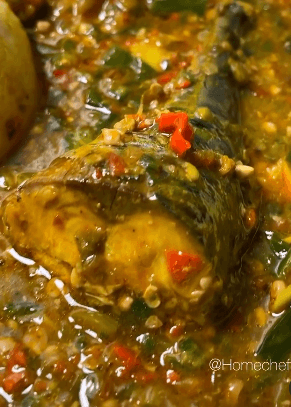
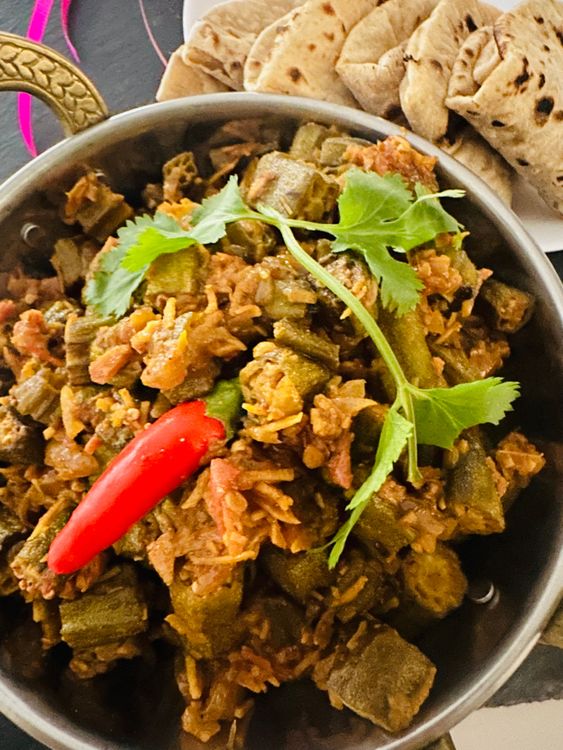
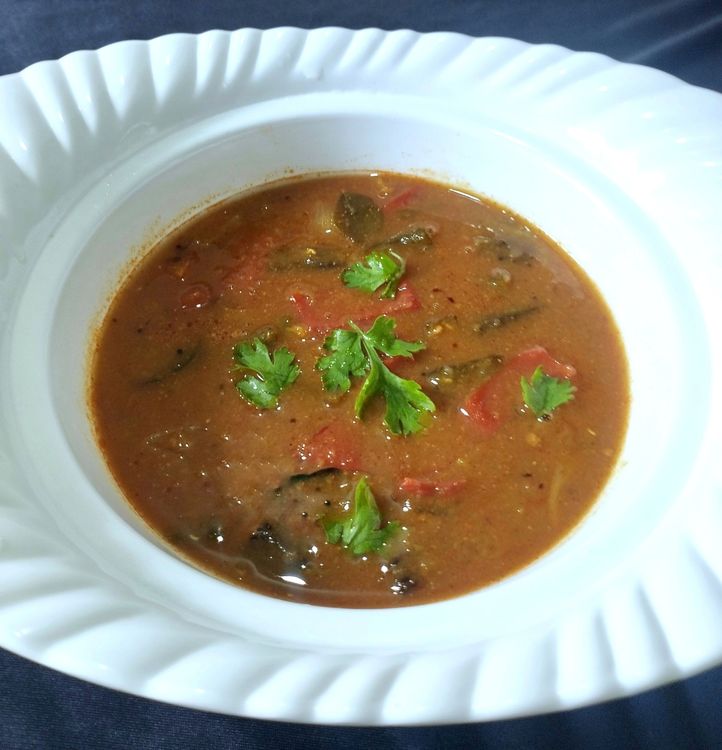
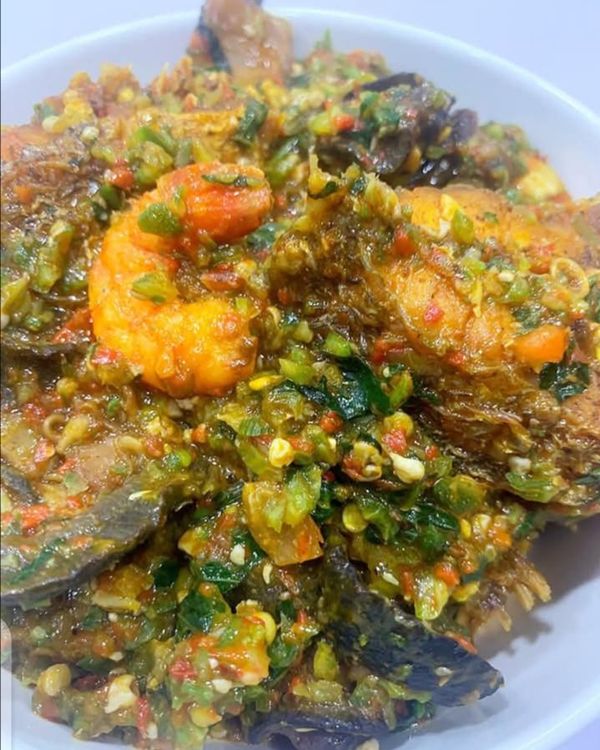
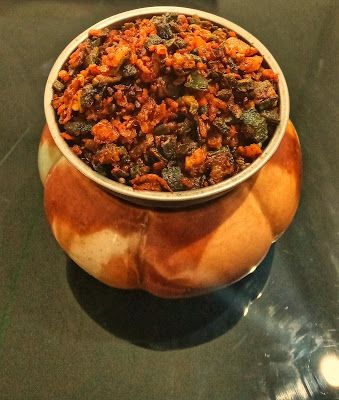
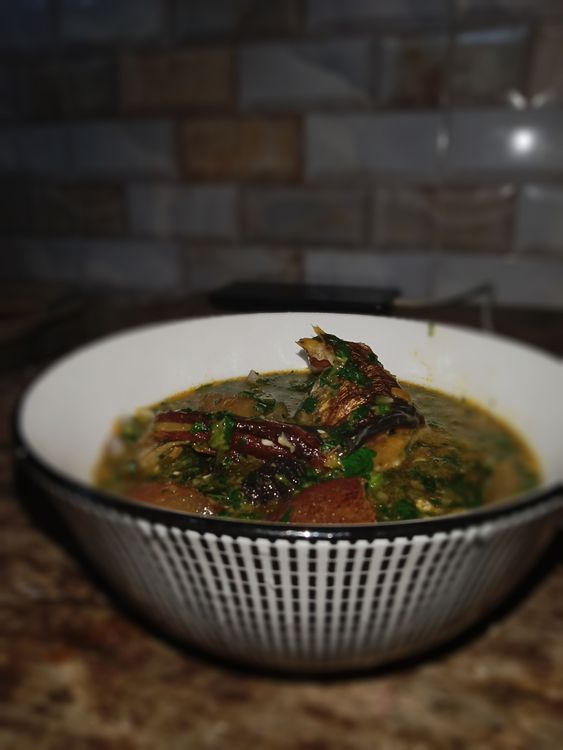
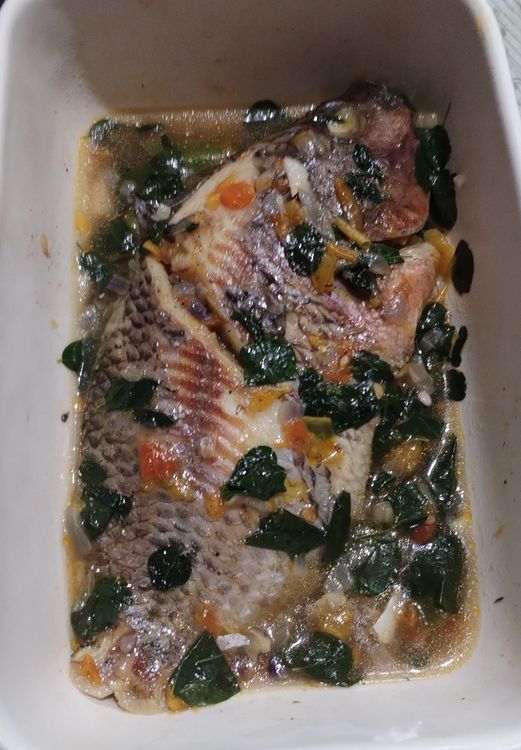
Beyond Indian home cooking, okra plays an entirely different role — as a natural thickener in soups and stews across West Africa and parts of South India, where its mucilage is deliberately encouraged rather than avoided. Nigerian okra soup is the clearest example: okra is sliced or ground fine and simmered into a rich, often palm-oil-based broth with fish, meat or leafy greens, where the released mucilage gives the soup its distinctive thick, almost silky body. Vendakkai sambar and similar Tamil preparations take a slightly different approach, frying the okra briefly first to firm it up before it joins a tangy tamarind-based sambar, so it holds more of its shape than in a fully thickened West African soup while still contributing some body to the broth. Ladies finger stir-fry, by contrast, sits closer to the dry-cooking style of the rest of this page despite the name overlap with this cluster. Okra also turns up as a supporting ingredient in dishes like fish and okra stew, where it thickens the broth around the main protein rather than acting as the centerpiece. Across this whole cluster, the lesson is that okra's much-maligned sliminess is, in the right dish, exactly the texture the cook is after. Standouts here include Okra Soup and Coconut Okra, plus Vendakkai Sambar / Ladies Finger (Okra) Sambar.

- Ghanaian
- Pescatarian
- Main Course
- Indian
- Vegan
- Lunch
- Indian
- Vegan
- Breakfast
- Nigerian
- Non-Vegetarian
- Lunch

- Nigerian
- Non-Vegetarian
- Lunch
- South Indian
- Vegan
- Lunch
- Nigerian
- Non-Vegetarian
- Lunch
- Filipino
- Pescatarian
- Main Course
Prepping Okra to Minimize Sliminess
Start dry: wash okra well ahead of time and let it air-dry completely, or pat it thoroughly with a kitchen towel, before you cut it. Any residual water on the surface when the knife goes in encourages more mucilage release, which is the root of most complaints about slimy okra. Cutting on a dry board with a dry knife matters more than most recipes mention. Even a few visible droplets of water on a chopping board can be enough to trigger extra sliminess once the knife starts cutting, so give okra a final check with a clean towel right before it goes onto the board.
Trim the very top and tail of each pod but avoid cutting too far into the body if you are frying or sautéing whole or sliced pieces — more cut surface means more exposed mucilage. For dishes where okra is sliced into rounds, like a quick sabzi, slice with a sharp knife in one clean motion rather than sawing back and forth, which bruises the flesh and releases more liquid.
A splash of acid — lemon juice, vinegar or amchur — tossed with cut okra fifteen minutes before cooking is a well-known trick that measurably reduces sliminess, since acid interferes with the mucilage's ability to bind. It is a small step that pays off across almost every dry okra preparation, from a simple stir-fry to a stuffed bhindi.
Cooking to Get Rid of the Slime
High, dry heat is okra's best friend. Frying, roasting or sautéing in a wide pan without a lid lets moisture evaporate quickly rather than steaming the okra in its own released liquid, which is what turns it gluey. A wok or wide kadai works better than a narrow, deep pot for exactly this reason — more surface area means faster evaporation. If you only have a narrower pot on hand, cook okra in smaller batches rather than crowding it in, since a packed pan traps the same steam a lid would and undoes much of the benefit of leaving it uncovered.
Resist the urge to stir constantly, especially in the first few minutes. Let okra sit undisturbed in a hot, lightly oiled pan so a surface actually sears rather than getting pushed around and bruised further, which releases more mucilage. Stir only occasionally, checking that pieces are browning rather than just softening.
Never cover the pan while cooking okra unless you specifically want a softer, saucier result, as in a curry or soup. A lid traps steam, which is precisely the moist environment that makes okra slimy. If a recipe calls for a lid at all, it is usually only for the final few minutes to finish cooking through, not for the bulk of the cooking time.
Stuffing and Building Regional Preparations
For stuffed bhindi (bharwa bhindi), choose smaller, firmer pods, which are easier to slit and stuff evenly than larger, more fibrous ones. Slit each pod lengthwise without cutting all the way through, leaving the ends intact so the spice filling stays contained rather than spilling out during cooking. Pods with visible blemishes or soft spots are best set aside for a soup or curry instead, since they tend to tear rather than hold a neat slit once stuffed.
The filling for bharwa bhindi is typically a dry mix of ground spices, sometimes with besan or crushed peanuts for texture, packed in generously but not so tightly the pod splits. Cook stuffed okra over low to medium heat with the lid off for most of the time, turning gently and occasionally rather than stirring vigorously, which can dislodge the filling.
Regional versions like do-pyaaza, built with a generous amount of onion, or peanut-studded moongfali bhindi, layer additional flavor and texture onto the base technique rather than changing it fundamentally. In all these dishes, the dry-heat, minimal-stirring principle from the cooking guide above still applies — regional flourishes work best on top of good basic okra technique, not instead of it.
When to Let Okra Get Slimy — Soups and Stews
In West African and some South Indian cooking, okra's mucilage is not a flaw to fight but the entire point — it is what gives Nigerian okra soup and similar dishes their characteristic thick, almost gelatinous body without needing a separate thickener like flour or cornstarch. For these dishes, the goal flips entirely from the dry-cooking guides above. Many West African cooks also add a small amount of ground egusi or other seed thickeners alongside the okra, layering two different thickening techniques into the same pot for an even richer, more velvety broth.
To maximize thickening, okra is often sliced small or even grated, then added directly to a simmering, uncovered liquid rather than fried first — the more surface area exposed to the liquid, the more the mucilage releases and thickens the broth. Long, gentle simmering, rather than a quick cook, gives the soup time to reach its full body.
Vendakkai sambar and similar South Indian preparations take a middle path — okra is often lightly fried first to firm it up and reduce excess sliminess, then added to the tangy tamarind-based sambar toward the end of cooking so it holds some shape rather than dissolving completely into the broth. Either approach is valid; it depends entirely on whether you want a thick soup or a stew with distinct pieces of okra.
Pro Tips from the Test Kitchen
- Wash okra well ahead of time and let it dry completely before cutting — wet okra releases more sliminess.
- Toss cut okra with a splash of lemon juice or vinegar 15 minutes before cooking to reduce mucilage.
- Cook okra in a wide pan without a lid so moisture evaporates instead of steaming it soft and slimy.
- Let okra sit undisturbed for the first few minutes in a hot pan so it sears instead of releasing more liquid.
- Use a sharp knife and one clean cut per slice — sawing back and forth bruises okra and increases sliminess.
- Choose smaller, firmer pods for stuffed bhindi; they are easier to slit and stuff without splitting.
- Never cover the pan while frying okra unless you specifically want a softer, saucier result.
- For thick okra soups, slice or grate the pods small and simmer uncovered to maximize natural thickening.
- Fry okra lightly before adding to sambar or stew if you want it to hold its shape rather than dissolve.
- Turn stuffed okra gently rather than stirring vigorously, so the spice filling stays packed inside.
Frequently Asked Questions
How do you cook okra without it getting slimy?
Keep it dry from start to finish: wash and dry it thoroughly before cutting, cook it in a wide pan without a lid on high heat, and avoid over-stirring, especially in the first few minutes. A splash of lemon juice or vinegar tossed with the cut okra fifteen minutes before cooking also measurably reduces the sliminess.
Why is my bhindi sabzi slimy?
The most common causes are wet okra going into the pan, a covered lid trapping steam, or too much stirring, all of which encourage more mucilage release. Switch to a wide, uncovered pan, make sure the okra is bone-dry before cutting, and let it sear undisturbed for the first few minutes rather than moving it constantly.
What is kurkuri bhindi?
Kurkuri bhindi is crispy fried okra, usually sliced thin, sometimes coated lightly in besan or rice flour, and deep- or shallow-fried until shatteringly crisp. It is one of the most popular ways to serve okra to people who are unsure about its texture, since frying eliminates almost all trace of sliminess.
Can okra be frozen?
Yes, though texture suffers somewhat after thawing, making frozen okra better suited to soups, stews and curries than to crispy fried preparations. Blanch okra briefly before freezing to preserve color and slow spoilage, and cook it directly from frozen in soups rather than thawing first, which can make it mushier.
What is the difference between okra and bhindi?
They are the same vegetable — bhindi is simply the Hindi name for okra, used throughout North Indian cooking. Ladies finger is another common English name for the same vegetable, used more often in South Asian and Caribbean English than in the US.
Why does okra thicken soup?
Okra contains a natural mucilage that, once released through cutting and cooking, acts as a thickener similar to how cornstarch or flour would, giving soups and stews a smooth, slightly gelatinous body. This is exactly why Nigerian okra soup and similar West African dishes use okra deliberately as the primary thickener rather than trying to minimize its sliminess.
How do you make stuffed bhindi (bharwa bhindi)?
Slit small, firm okra pods lengthwise without cutting all the way through, pack them with a dry spice filling (often including besan or crushed peanuts for texture), and cook uncovered over low to medium heat, turning gently rather than stirring, until the pods are tender and the filling is cooked through.
Is fried okra healthy?
Okra itself is low in calories and a good source of fiber, vitamin C and antioxidants, but deep-frying adds significant fat and calories. Pan-frying with a modest amount of oil, or air-frying, keeps more of okra's natural nutritional benefits while still achieving a reasonably crisp texture.
What spices go well with okra?
Cumin, coriander, turmeric and amchur (dry mango powder) are the classic Indian pairing, with the amchur doing double duty as both a flavor and a sliminess-reducer. Garlic and onion form the aromatic base of most masala preparations, while curry leaves and mustard seed suit South Indian-style dishes like sambar.
Can you eat okra raw?
Okra can be eaten raw, though its mucilage is more pronounced uncooked, giving it a texture some find off-putting. It is occasionally used raw, thinly sliced, in salads for crunch, but the vast majority of okra dishes call for cooking it, whether fried, stewed or simmered into a soup.
Okra is one of the few vegetables where the same natural quality — its mucilage — is either the enemy or the whole point, depending on the dish. Fry it hot and dry for crispy bhindi, or let it simmer uncovered into a soup where that same sliminess becomes the thickener. Once you understand which effect a recipe wants, okra stops being unpredictable.
Try a crispy version, a dahi-based sabzi and a soup or stuffed preparation over the next few meals to get a feel for the range this modest vegetable covers. Save your favorites to a Chefadora cookbook, and this page becomes the okra reference you return to whenever a fresh bag of pods needs a plan.
Related
- Okra
- Bhindi
- Indian
- Vegetarian
- Vegan
- Side Dish
- Gluten-Free
Popular Searches
- Best okra recipes
- Easy okra recipes
- Quick okra recipes
- Healthy okra recipes
- Simple okra recipes
- Homemade okra recipes
- Delicious okra recipes
- Popular okra recipes
- bhindi recipes
- fried okra
- how to cook okra
Marnirni-apinthi Building, Lot Fourteen,
North Terrace, Adelaide, South Australia, 5000
Australia
