
17 Sambar Recipes: From Idli-Ready Tiffin Bowls to Kerala Classics
Updated July 7, 2026 · Curated by Chefadora
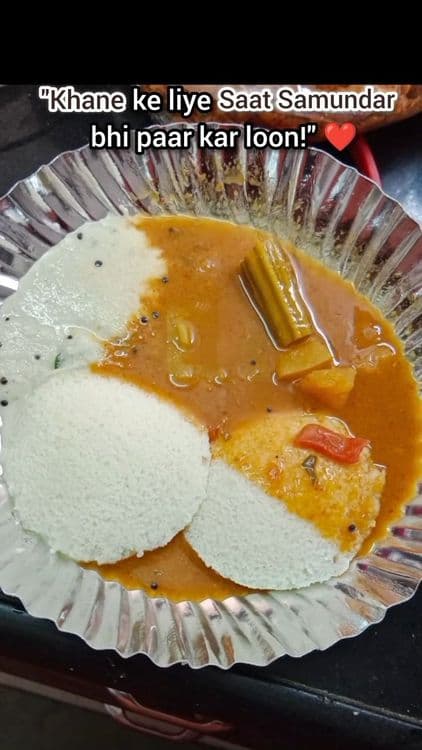
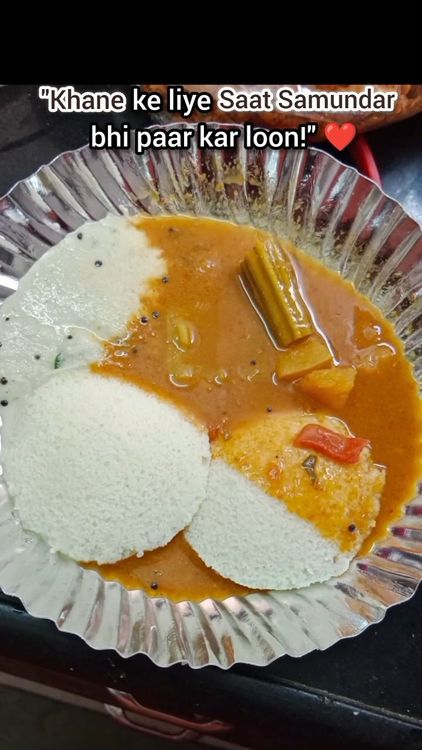
These 17 sambar recipes pull a whole region of home cooking into one place, from the thin, faintly sweet bowl you ladle over idli to the thick, coconut-dark pots of a Kerala kitchen. I grew up with the smell of toor dal softening on the stove and tamarind loosening in warm water, and I still cook this lentil stew more mornings than I can count. What surprises most people is how much the dish changes from one house to the next and from one state to another.
Below you will find every style sorted into four honest groups: breakfast pairings for idli and dosa, hearty vegetable and drumstick pots, regional classics from Udupi and Kerala, and fast onion or one-pot versions for a crowded weeknight. Each recipe carries a short note on what makes it worth cooking, plus guides on powder, dal and tamarind so you can start to improvise once the basics click into place.
Idli & Tiffin Bowls for Breakfast
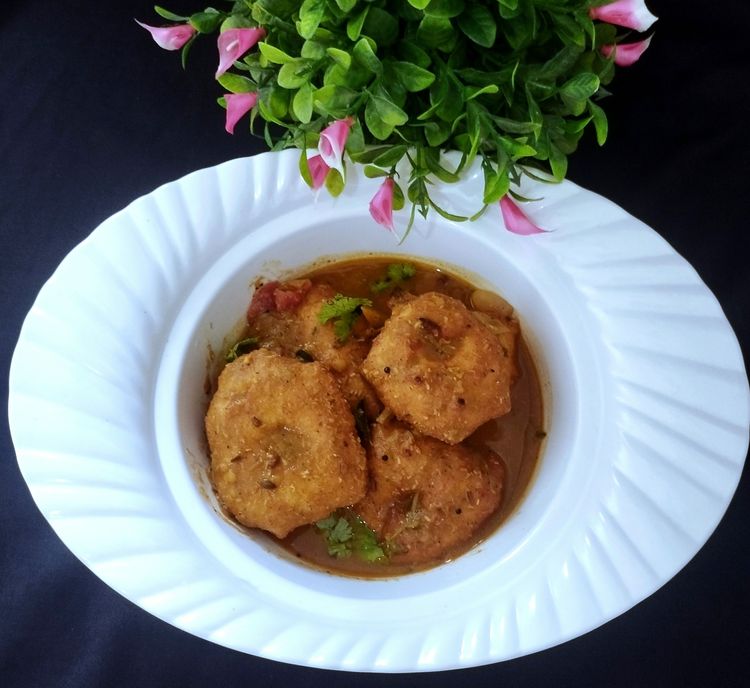
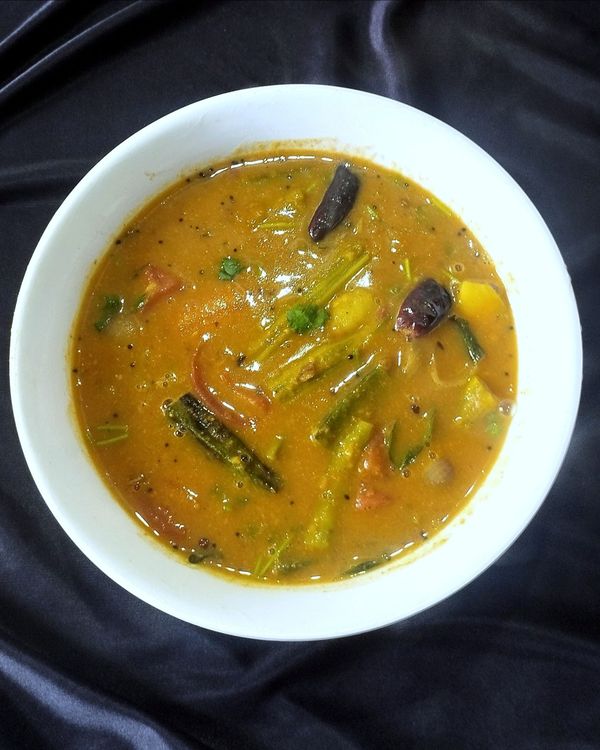
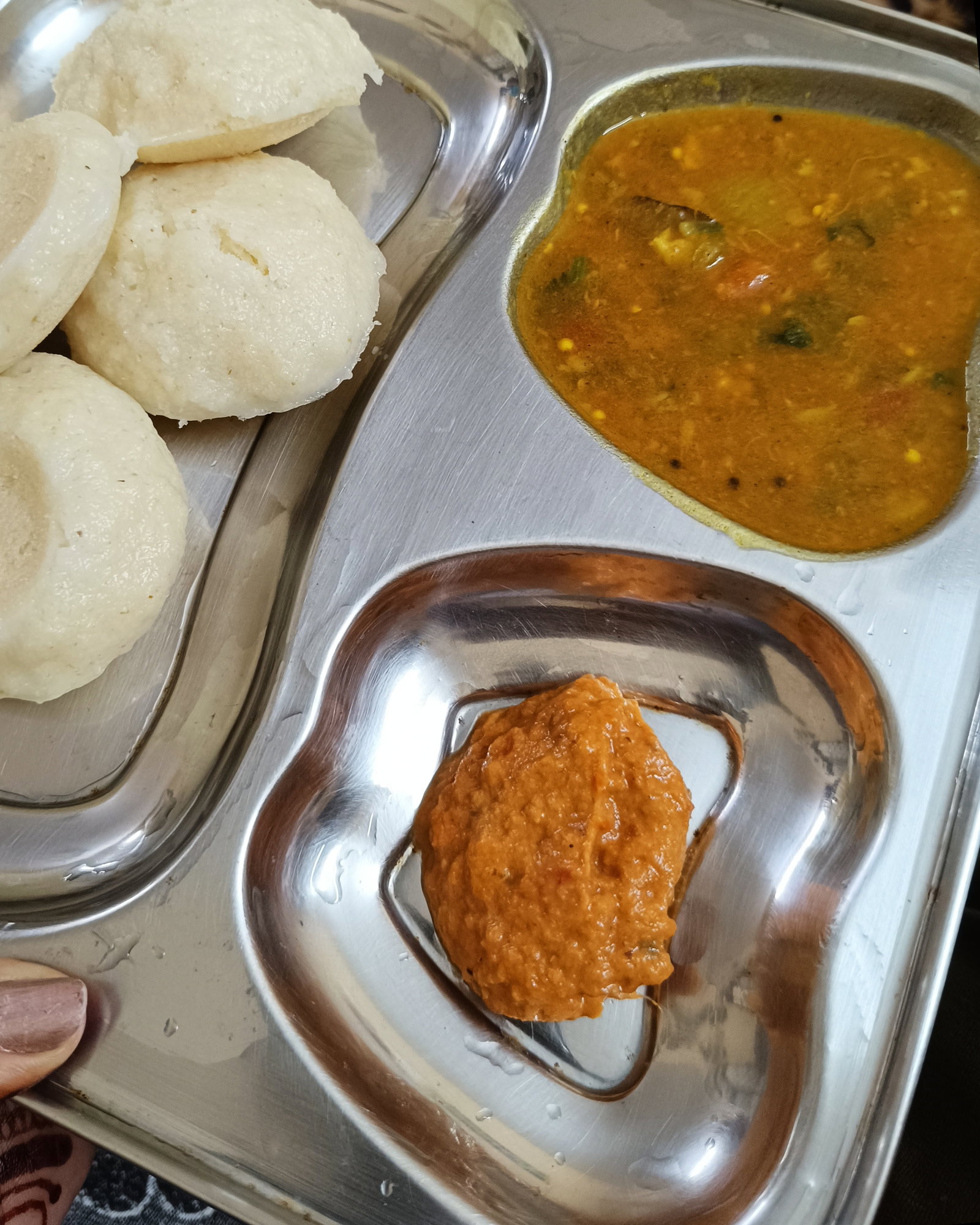
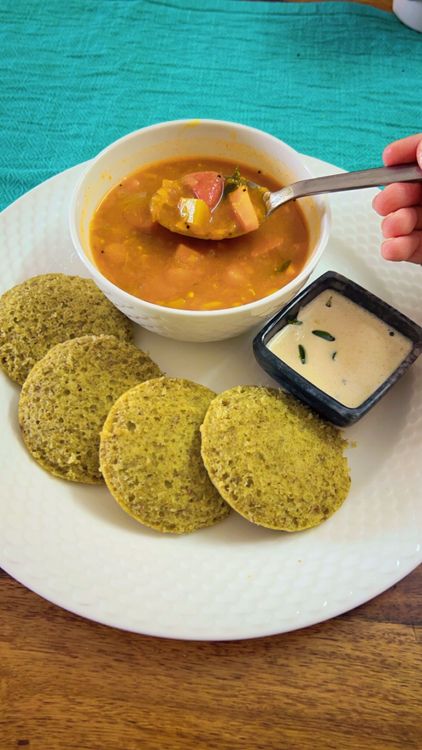
Tiffin-style bowls are the gentler cousins of the rice version: thinner, a little sweet, and smooth enough to pour rather than spoon. They lean on a lighter tempering and often skip the heavier vegetables so the flavour stays clean against a fluffy idli or a crisp dosa. If you have only ever eaten the tangier lunch pot, a good idli sambar will feel almost soupy at first, and that is exactly the point; you want it to seep into the idli rather than sit on top. The four here run from a fifteen-minute instant fix to a full vadai-soaking weekend plate, so pick by how much time and patience you actually have this morning.

- Indian
- Non-Vegetarian
- Lunch
- Indian
- Vegan
- Breakfast
- South Indian
- Non-Vegetarian
- Breakfast
- Non-Vegetarian
- Breakfast
Drumstick & Vegetable Varieties
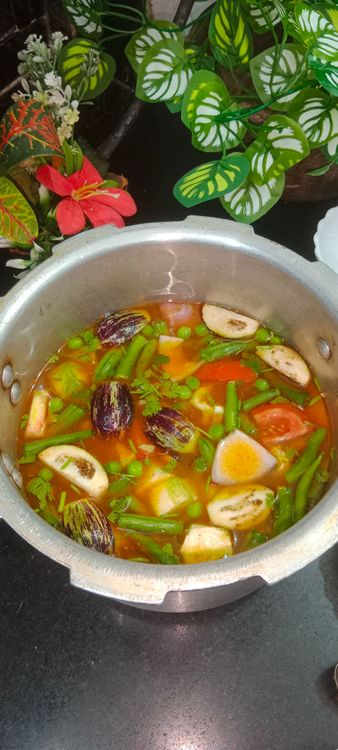
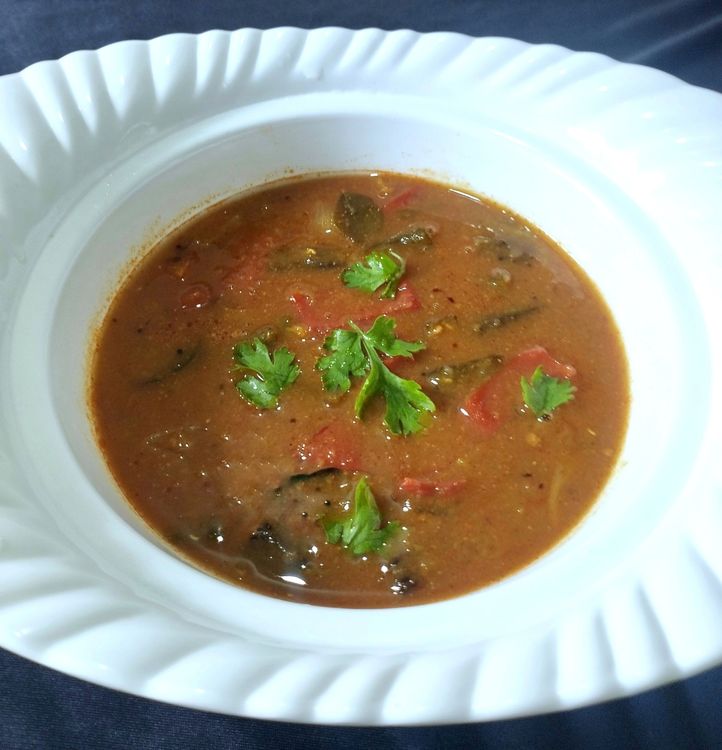
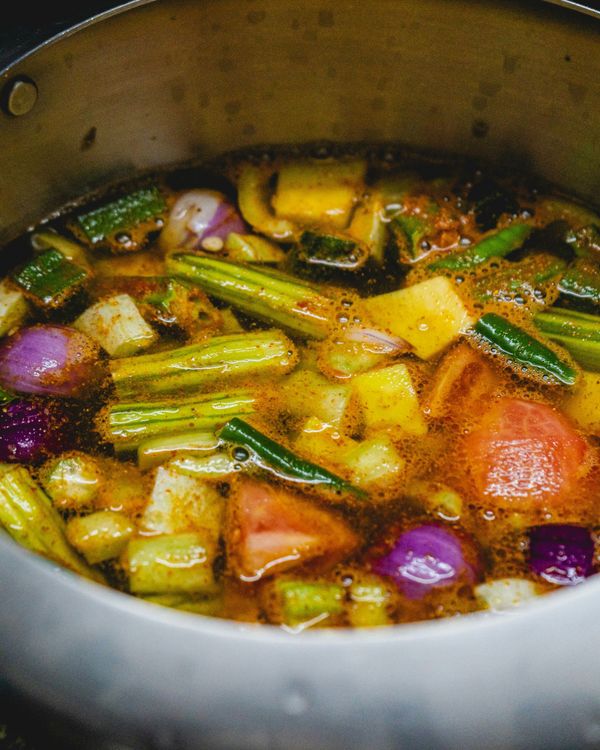
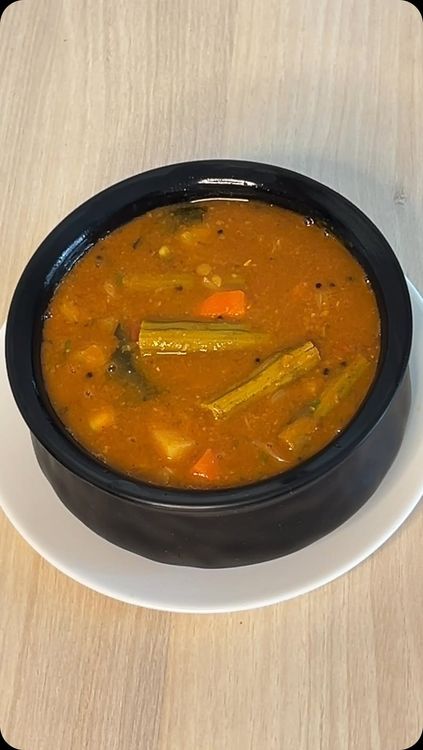
This is the group most people picture when they think of a proper lunch: dal thickened with vegetables, brightened with tamarind, and finished with a hiss of mustard seeds and curry leaves. A classic drumstick sambar leans on the soft pulp you gnaw straight from the pod, while a mixed veg sambar throws in whatever the crisper drawer offers, from okra to pumpkin, carrot and beans. The trick is timing: firm vegetables like drumstick and carrot go in early, while okra is cooked separately or added late so it never turns slimy. These four range from a 25-minute one-pot weeknight bowl to a slower, fuller pot worth simmering when you have the afternoon.
- South Indian
- Vegan
- Breakfast
- Indian
- Vegan
- Breakfast
- South Indian
- Vegan
- Main Course
Regional Sambar Recipes: Udupi, Kerala & Restaurant Styles
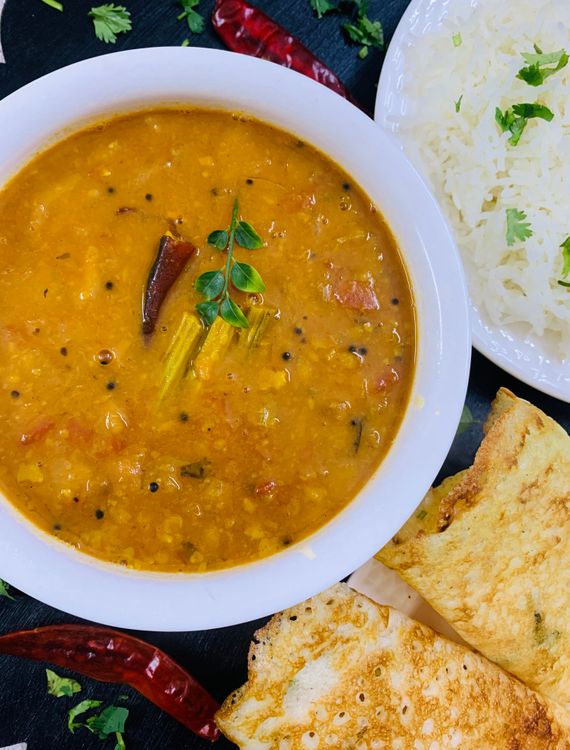
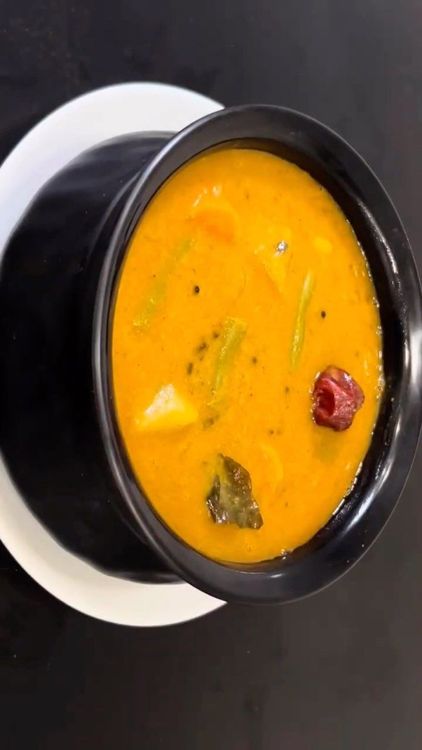
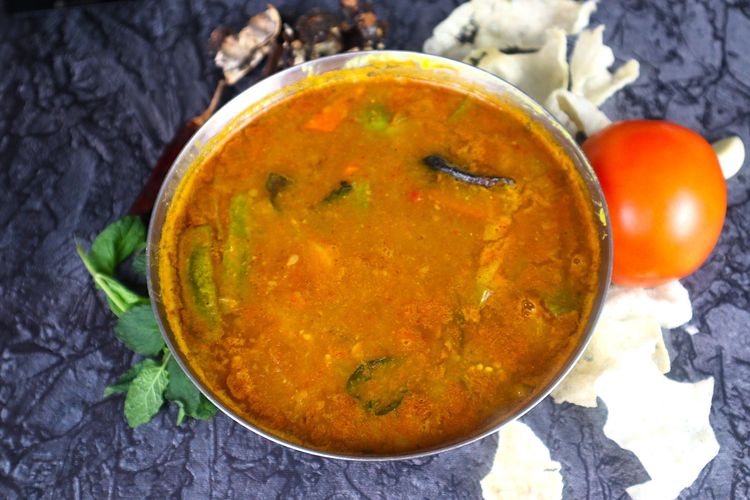
Travel a few hundred kilometres in South India and the same bowl transforms. Udupi hotels build theirs on a coconut-rich roasted paste and a whisper of jaggery; Kerala's varutharacha style dry-roasts coconut and spice until dark and nutty; the darshini restaurant version is glossier and unabashedly spiced. What unites them is a freshly ground masala rather than a scoop from a jar, which is why these take a little longer. I think of this group as weekend cooking, the pots you make when you want to taste the difference that toasting whole spices and grinding your own paste actually delivers. Cook one South Indian sambar this way and the store-bought versions will never quite satisfy again.

- Indian
- Non-Vegetarian
- Lunch

- South Indian
- Vegan
- Lunch

- Indian
- Vegan
- Lunch


- Indian
- Non-Vegetarian
- Lunch

- Indian
- Vegan
- Lunch
Onion & Quick Everyday Pots
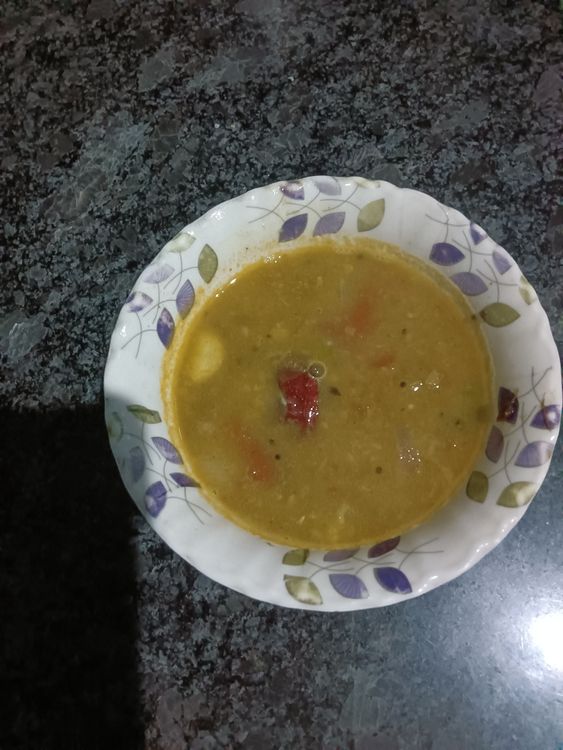
Not every evening allows for roasting coconut and grinding paste, and this group is the answer. Small onions or shallots melt into the base and lend a natural sweetness that needs very little else, while a pressure cooker collapses dal and vegetables together in one go. A couple of these lean deliberately light, with less oil and more vegetables, for anyone watching what they eat without wanting to feel deprived. I have also folded the two homemade spice blends in here, because a good powder is what rescues a rushed pot: even a fifteen-minute version tastes considered when the masala underneath it is fresh. Reach for these on the nights when dinner simply has to happen fast.

- Indian
- Vegan
- Main Course
- Indian
- Vegan
- Lunch

- South Indian
- Vegan
- Breakfast

- Indian
- Vegan
- Sauce & Condiment
- Indian
- Vegan
- Sauce & Condiment
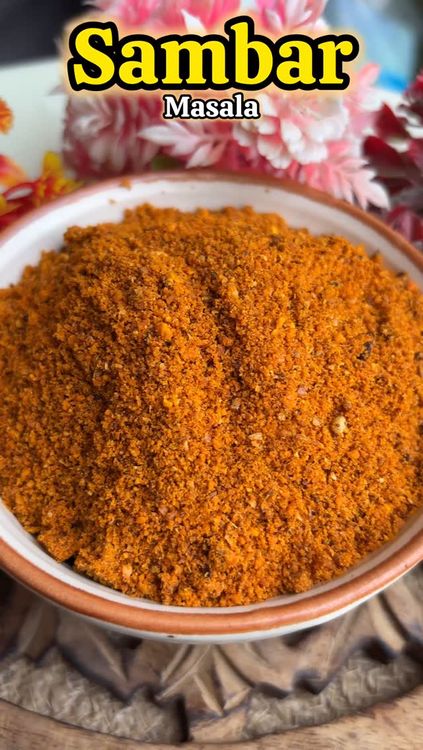
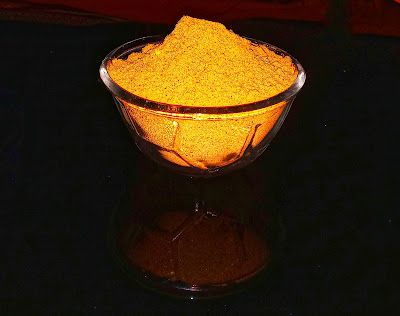
Homemade Sambar Powder
A good powder is the single biggest upgrade you can make, and grinding your own is far easier than it sounds. Start with dry red chillies for heat and colour, coriander seeds for body, and a smaller amount of toor dal and chana dal, which roast into a nutty backbone. Add fenugreek sparingly, since it turns bitter fast, along with cumin, black peppercorns and a few curry leaves.
Roast each ingredient separately over a low flame, because they brown at different rates; the coriander is patient while fenugreek scorches in seconds. You are looking for fragrance and a shade darker, never smoke. Let everything cool completely before grinding, or the residual heat steams the mix and it clumps in the jar.
Grind to a medium-fine powder, not dust, and store it airtight away from the stove's heat and light. Made this way it stays lively for a couple of months, though it rarely lasts that long in my kitchen. If you cook the dish weekly, double the batch. Two of the recipes here walk you through exact ratios, but once you have roasted and milled a batch by feel, you will start adjusting the chilli-to-coriander balance to your own taste and stop measuring altogether. A fine strainer helps too: sift the ground blend once and return the coarse bits to the mill so the texture stays even. Keep a dry spoon in the jar, since a damp one invites clumps and quietly shortens the shelf life.
Cooking Toor Dal for Sambar
Toor dal, also sold as arhar or pigeon pea, is the standard base, and getting it right decides whether your pot tastes silky or thin. Rinse it in two or three changes of water until the water runs mostly clear, which washes off the surface starch that would otherwise turn things gluey. A short soak of twenty minutes is optional but shaves time off the cooking.
In a pressure cooker, three to four whistles with plenty of water and a pinch of turmeric usually does it; on the stovetop, expect thirty to forty minutes of gentle simmering, skimming the froth that rises early. A drop of oil or a little ghee in the water keeps the foam down. The lentils are ready when they collapse into a smooth mash under the back of a spoon with no firm centres left.
Whisk the cooked dal before it joins the tamarind and vegetables so the texture is even, and always add salt after it has softened, since salt added early can keep lentils stubbornly firm. If your finished pot ever tastes watery, the usual culprit is undercooked dal rather than too much liquid. When in doubt, cook it a few minutes longer; a properly broken-down dal is what gives the whole dish its comforting body. One habit worth building is to reserve a ladle of the thin cooking liquid before you mash, so you can loosen things later without watering down the flavour. Older dal simply needs more time, so judge by feel under the spoon, never by the clock.
Balancing Tamarind & Spice
The signature tang comes from tamarind, and learning to judge it by taste rather than by the tablespoon is what separates a flat pot from a memorable one. Soak a lime-sized ball in warm water, squeeze out the pulp, and add it gradually; you can always stir in more, but you cannot pull sourness back out once it is in.
Tamarind, heat and a touch of sweetness work together as a triangle. If the pot tastes sharp, a small piece of jaggery rounds it without making things dessert-sweet, and many Udupi and tiffin versions rely on exactly that quiet sweetness. If it tastes dull, it usually needs salt or a little more powder rather than more tamarind. Taste at the end, after everything has simmered together, because flavours concentrate as the liquid reduces.
Simmer the tamarind with the vegetables for at least eight to ten minutes so the raw, puckering edge cooks off and melds with the dal; a pot served the moment the tamarind goes in always tastes harsh. Finish with a tempering of mustard seeds, curry leaves and a dried chilli bloomed in hot oil or ghee, poured over at the last second so its aroma stays bright. That final sizzle is not optional; it is half the character of the dish. If you are cooking for spice-shy guests, hold back some chilli and add it in the tempering rather than the powder, to lift a milder ladle out. Remember that acidity reads stronger once a bowl cools, so a pot balanced when hot may taste sharp cold.
What to Serve with Sambar
The obvious partners are the breakfast trio of idli, dosa and vada, where a thinner, tiffin-style bowl is poured over or served alongside for dipping. A medu vada dropped straight into a warm bowl and left to soak for a minute is one of the great small pleasures of a South Indian morning, and rawa idli with a ladle of it makes a fast, filling plate.
Over rice it becomes lunch. Serve it with a mound of hot steamed rice, a spoon of ghee, and a dry vegetable stir-fry or poriyal on the side; a crisp appalam and a dollop of yoghurt round the plate out. The heartier vegetable and drumstick versions are built for this, thick enough to coat each grain rather than pool around it.
Do not overlook the leftovers. Like most lentil dishes, it deepens overnight as the spices settle, so a batch cooked on Sunday is often better on Monday. Reheat it gently with a splash of water to loosen, then taste and adjust the salt, since it thickens in the fridge. It also freezes well in portions; thaw, warm through, and refresh with a quick tempering to wake it back up. Cook once, eat happily for three days is the quiet economy that keeps this dish on weekly rotation in so many homes. A quick note on consistency: it always tastes better made a little loose, since it tightens as it stands, so err on the thinner side when you take the pot off the heat and let the bowl find its own body.
Pro Tips for a Better Pot
- Roast your whole spices only until they turn fragrant and a shade darker; the second they smoke, bitterness sets in and no amount of tamarind or jaggery will fully cover it, so keep the flame low and your nose close to the pan.
- Add salt only after the toor dal has fully softened, because salt introduced too early slows the lentils down and can leave you with stubborn, half-cooked grains no matter how long you go on simmering them.
- Cook okra separately in a little oil until the sliminess disappears, then fold it in near the end; dropping raw okra straight into the simmering liquid is the fastest way to a gummy, ropey texture that nobody at the table actually enjoys eating.
- Bloom the tempering of mustard seeds, curry leaves, dried chilli and a pinch of asafoetida in genuinely hot oil or ghee, waiting for the seeds to pop, and pour it over at the very last moment so the aromatics stay loud, fresh and fragrant.
- Keep tasting as the liquid reduces, since flavours concentrate at the end; judge the tamarind and salt after the final simmer rather than at the start, when everything still reads muted, thin and a little unfinished on the tongue.
- If the pot turns out thin, the dal was probably undercooked rather than over-diluted, so simmer the lentils a few minutes longer or mash them harder before they ever meet the vegetables and the soaking tamarind water.
- Make a double jar of powder and cook a big batch at once; both keep well, and the dish genuinely tastes better the next day once the spices have had a full night in the fridge to settle, mingle and marry.
Frequently Asked Questions
Which of these sambar recipes should a complete beginner start with?
Start with a plain 30-minute stovetop version or a one-pot vegetable bowl; both use a short ingredient list and forgive small mistakes. Once you are comfortable cooking the dal and balancing tamarind, move on to a tiffin style, then a regional Udupi or Kerala pot, which reward the technique you have built with far deeper, more layered flavour.
What is the difference between tiffin sambar and the everyday kind?
Tiffin versions are thinner, milder and slightly sweet, designed to be poured over idli and dosa rather than mixed into rice. The everyday lunch pot is tangier, thicker and packed with vegetables. The base ingredients overlap, but the tiffin style uses a gentler spice level and often a touch more jaggery so it flatters soft breakfast items.
Can I make it without a pressure cooker?
Absolutely. Simmer the toor dal in an open pot with plenty of water for thirty to forty minutes, skimming the froth, until it collapses into a smooth mash. It takes longer and needs the occasional stir, but the result is identical. Everything else, from the tamarind and vegetables to the final tempering, happens on the stovetop anyway, so no special equipment is required.
How do I store and reheat the leftovers?
Cool it fully, then keep it covered in the fridge for up to three days; the flavour actually improves overnight as the spices settle. It thickens as it sits, so reheat gently with a splash of water and taste again for salt. For longer storage, freeze it in portions and refresh each one with a quick mustard-seed tempering after thawing to bring the aroma back.
Why does mine sometimes taste flat or dull?
Flatness usually means one of three things: not enough salt, a tired store-bought powder, or tamarind that was added and served too quickly. Let the tamarind simmer for at least eight minutes, use a freshly roasted powder, and adjust the salt at the end. A tiny piece of jaggery often lifts the whole pot when it tastes sharp rather than dull.
Is it healthy, and can I make a lighter version?
It is naturally wholesome, built on protein-rich lentils, plenty of vegetables and modest oil. To lighten it further, cut back the tempering oil, load in more vegetables for bulk, and skip the jaggery. The weight-loss style in this collection does exactly that, keeping the comfort and the tang while trimming calories, which makes it an easy fit for most everyday diets.
Which vegetables work best?
Drumstick is the classic, prized for the soft pulp you scrape from the pod, but pumpkin, okra, carrot, beans, brinjal and small onions all belong. Add firm vegetables early so they soften fully, and delicate or slimy ones like okra late or cooked separately. Mixing three or four gives the most rounded pot; a single vegetable keeps the flavour focused and clean.
Can I make the spice powder ahead of time?
Yes, and you really should. A batch of home-roasted, freshly ground powder stays fragrant for a couple of months in an airtight jar kept away from heat and light. Making it ahead means even a fifteen-minute weeknight pot tastes considered. Two blends in this collection give exact ratios, so grind once and your cooking quietly improves for weeks.
Whichever of these sambar recipes you cook first, the core stays the same: well-cooked dal, tamarind judged by taste, and a fresh tempering poured over at the last second. Master those three and every style here, from tiffin and drumstick to Udupi, Kerala or a quick onion pot, becomes a variation you can cook by feel rather than by the page.
Related
- idli sambar
- tiffin sambar
- drumstick sambar
- south indian recipes
- toor dal
- sambar powder
Popular Searches
- Best sambar recipes
- Easy sambar recipes
- Quick sambar recipes
- Healthy sambar recipes
- Simple sambar recipes
- Homemade sambar recipes
- Delicious sambar recipes
- Popular sambar recipes
- idli sambar
- how to make sambar
- drumstick sambar
- tiffin sambar
Marnirni-apinthi Building, Lot Fourteen,
North Terrace, Adelaide, South Australia, 5000
Australia
