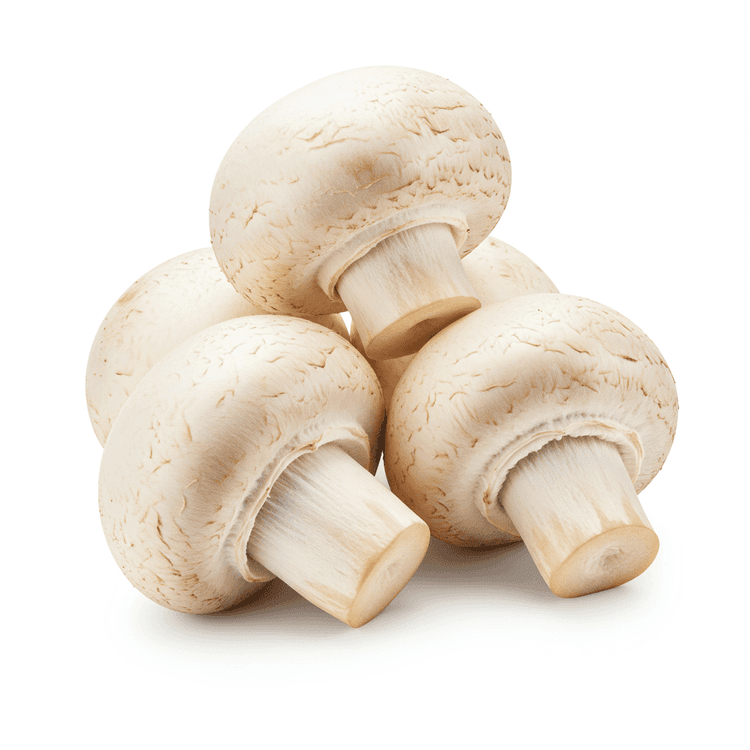
Diving into the World of Fungi: More Than Just Mushrooms
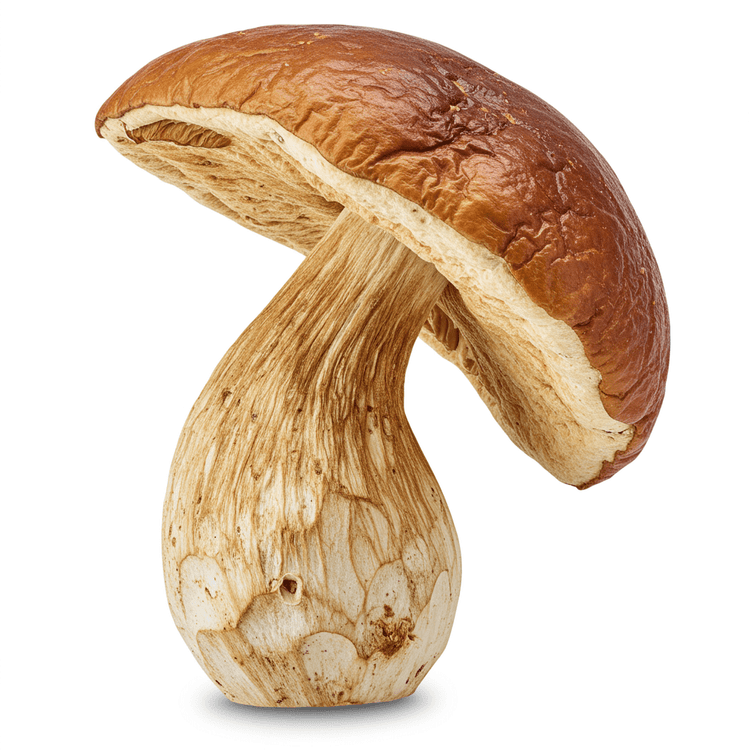
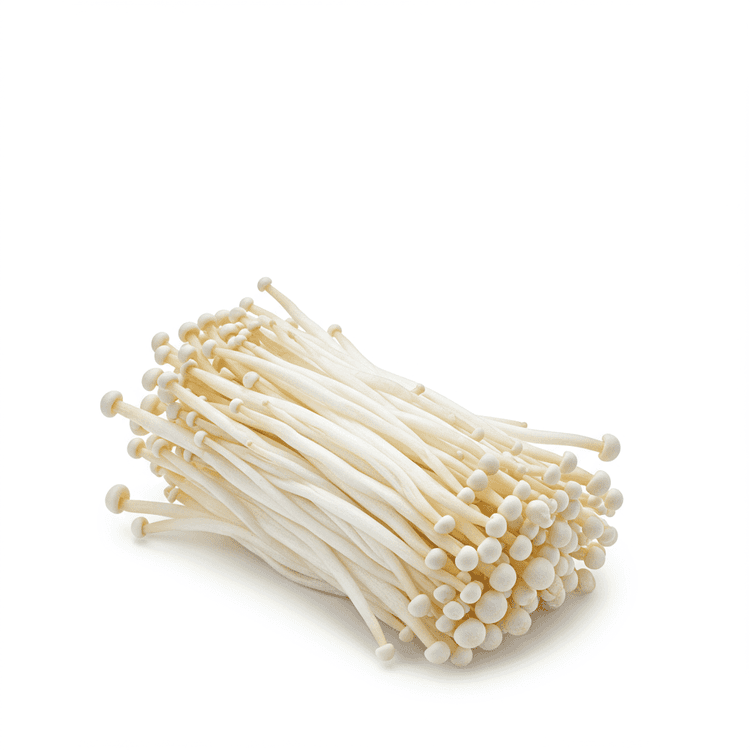
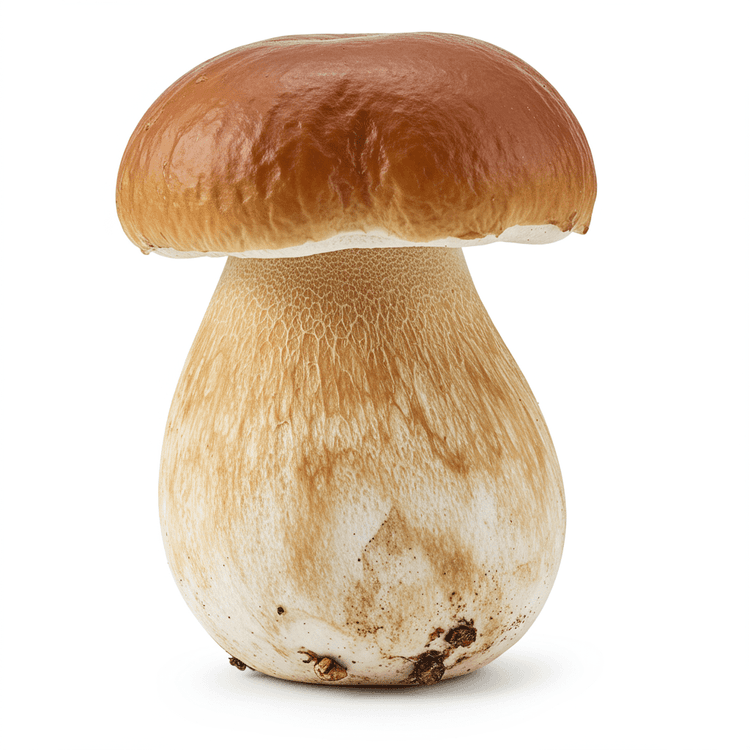
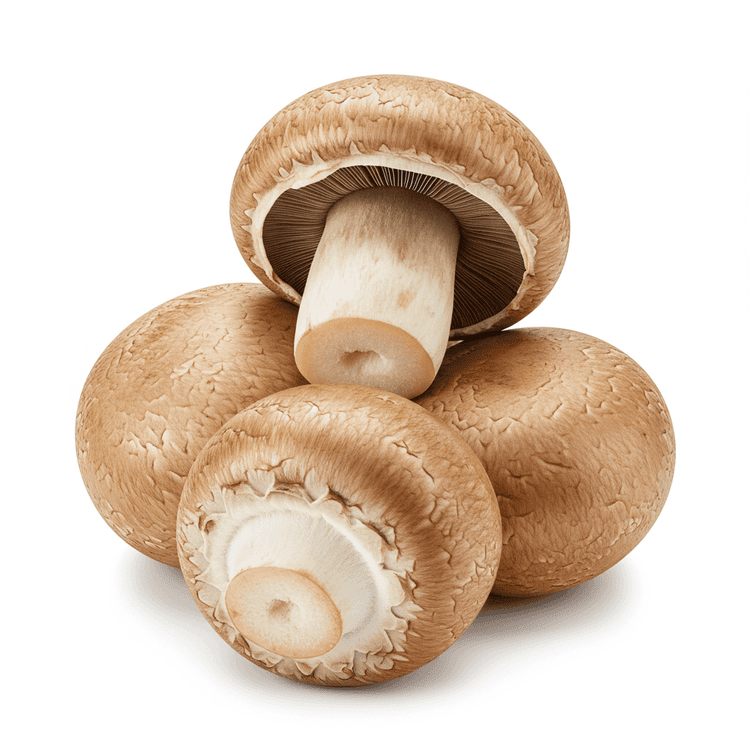
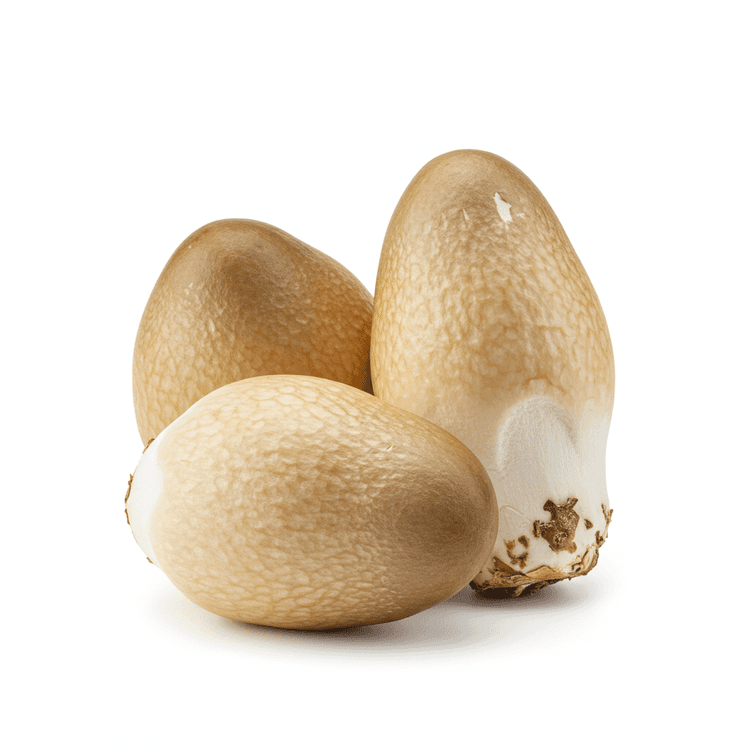
Fungi, a kingdom distinct from plants and animals, offers a fascinating array of edible options beyond the common button mushroom. From the earthy umami of shiitake to the delicate sweetness of chanterelles, incorporating fungi into your diet provides a unique blend of flavor and nutrition. These culinary delights are low in calories and fat, yet packed with essential nutrients, making them a valuable addition to any health-conscious kitchen.
One of the most significant health benefits of fungi lies in their immune-boosting properties. Many varieties, particularly shiitake, maitake, and reishi (often consumed in supplement form), contain beta-glucans, a type of polysaccharide known for stimulating the immune system and potentially offering anti-cancer properties. Fungi are also a good source of B vitamins, including riboflavin (B2), niacin (B3), and pantothenic acid (B5), which are crucial for energy production and nerve function. Furthermore, they contain essential minerals like selenium, an antioxidant that supports thyroid function and protects against cell damage, and copper, vital for iron absorption and enzyme activity. Potassium, an electrolyte crucial for heart health and blood pressure regulation, is also present in significant amounts in many fungal species.
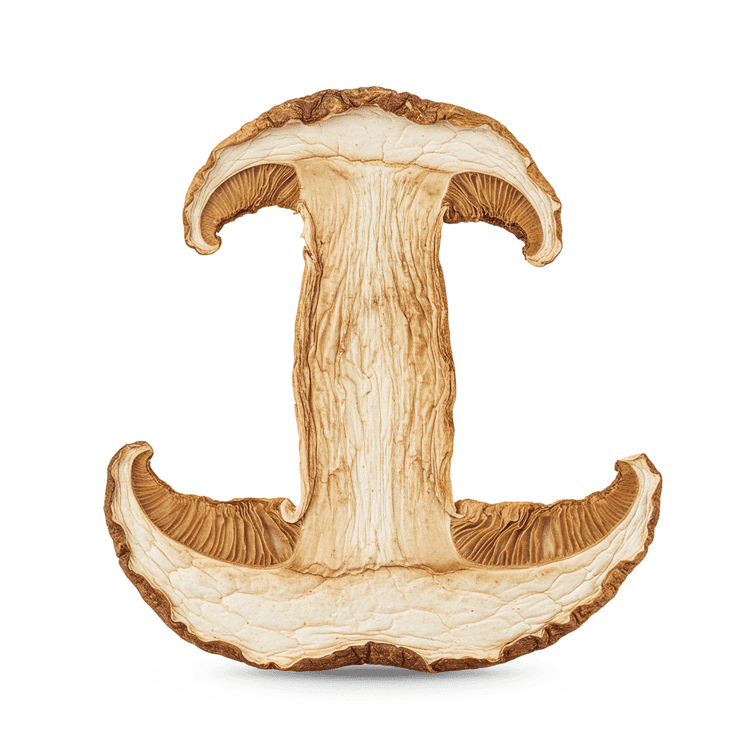
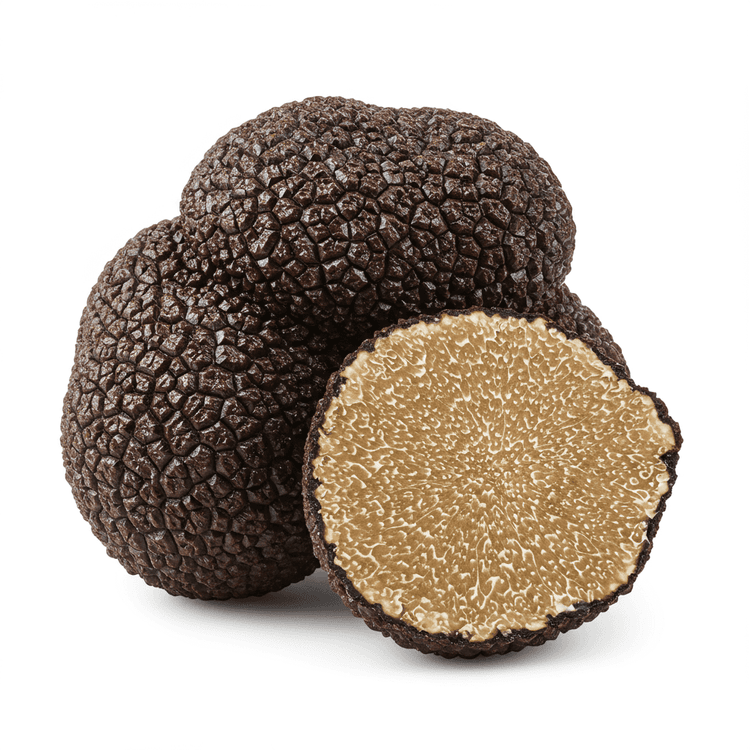
Culinary applications of fungi are incredibly diverse. Sauté them with garlic and herbs for a simple side dish, add them to pasta sauces for depth and richness, or incorporate them into hearty stews and soups for added texture and flavor. Grilled portobello mushrooms make excellent vegetarian burgers, while delicate chanterelles elevate risottos and omelets. Many cultures have long traditions of using fungi in their cuisine. In Asian cooking, shiitake mushrooms are a staple in stir-fries, soups, and noodle dishes. European cuisine often features truffles, prized for their intense aroma and flavor, shaved over pasta or incorporated into sauces. The possibilities are truly endless.
Fungi are important for a balanced diet because they provide nutrients often lacking in other food groups. Unlike plants, fungi contain ergosterol, a precursor to vitamin D, which our bodies can convert to vitamin D2 upon exposure to UV light. This makes mushrooms a rare plant-based source of this essential vitamin, vital for bone health, immune function, and mood regulation. Their unique nutritional profile, coupled with their distinctive flavors and textures, makes them a fantastic way to add variety and excitement to your meals while supporting your overall well-being. Embrace the fungal kingdom and discover the many ways these versatile ingredients can enhance your culinary experience and contribute to a healthier lifestyle. Incorporating a variety of mushrooms into your weekly meal plan can provide sustained health benefits, ranging from improving gut health with their prebiotic properties to providing valuable antioxidants that combat free radical damage.
||
Fungi are an essential part of a healthy diet, providing a wide range of nutrients and health benefits. Explore our collection of fungi ingredients.