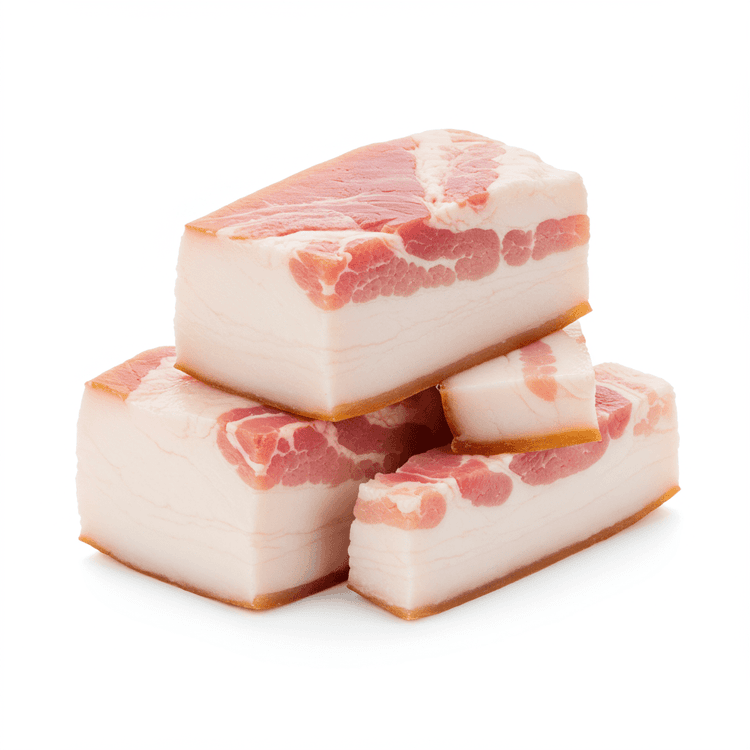
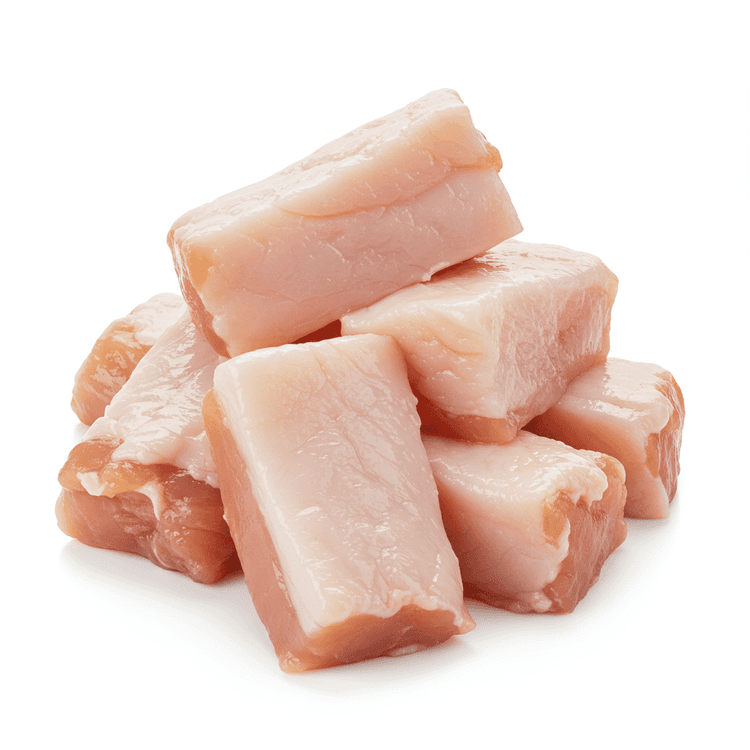
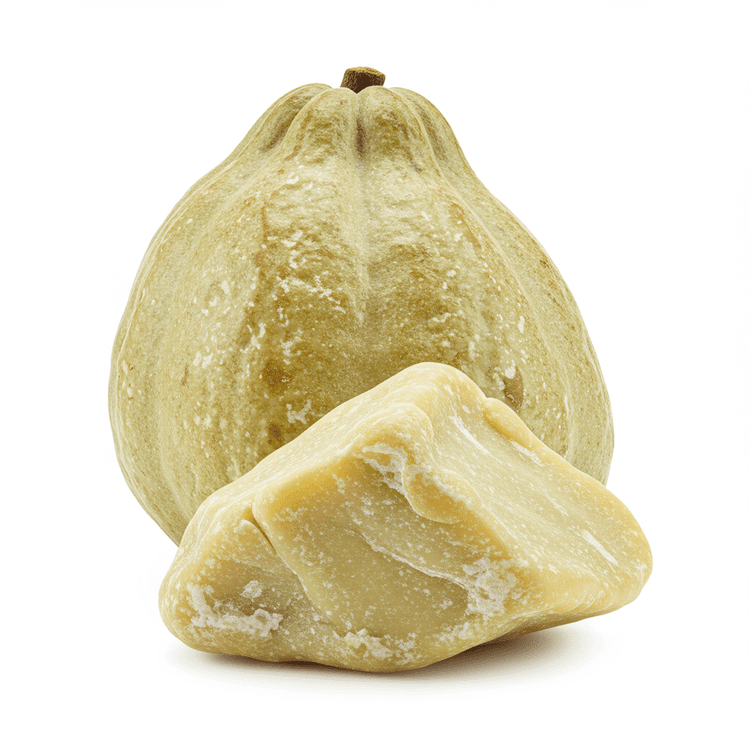
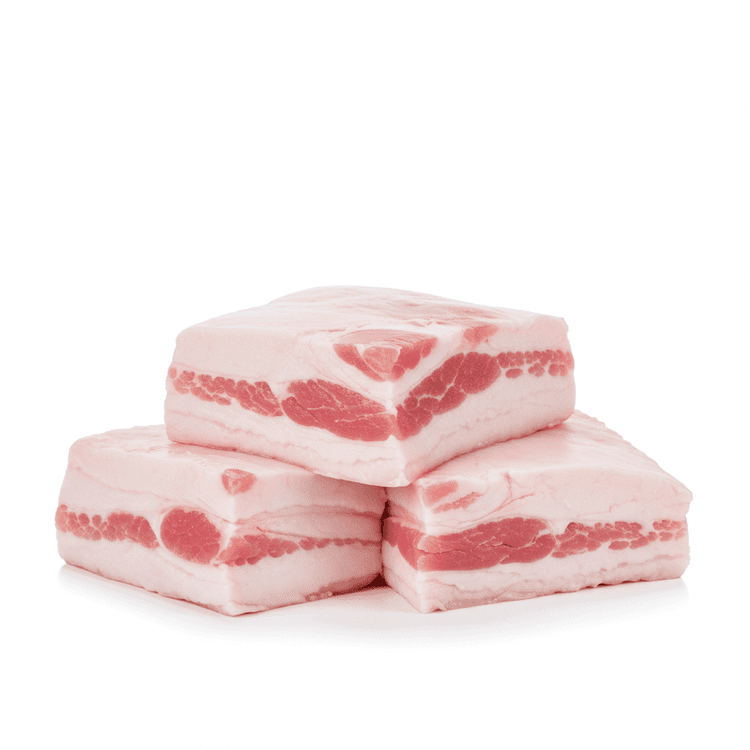
Fats, often misunderstood, are an essential macronutrient vital for a healthy and balanced diet. Far from being just something to avoid, dietary fats play crucial roles in numerous bodily functions, from hormone production and nutrient absorption to brain health and energy provision. This comprehensive guide explores the multifaceted benefits of fats, their culinary applications, and why they deserve a prominent place on your plate.
Firstly, fats are critical for absorbing fat-soluble vitamins – A, D, E, and K. Without adequate fat intake, your body struggles to utilize these essential vitamins, leading to potential deficiencies. These vitamins are pivotal for vision, bone health, antioxidant protection, and blood clotting, respectively. Furthermore, fats are structural components of cell membranes, ensuring proper cell function and communication. They also contribute to the production of hormones like estrogen and testosterone, which regulate various physiological processes.
Beyond their physiological roles, fats are a concentrated source of energy, providing more than twice the calories per gram compared to carbohydrates or protein. This energy density is especially important for athletes and individuals with high energy demands. Certain types of fats, particularly omega-3 and omega-6 fatty acids, are considered essential because the body cannot produce them on its own. These fatty acids are crucial for brain development, cardiovascular health, and reducing inflammation. Foods rich in omega-3s, such as fatty fish (salmon, mackerel, tuna), flaxseeds, and walnuts, are highly recommended for maintaining optimal health.
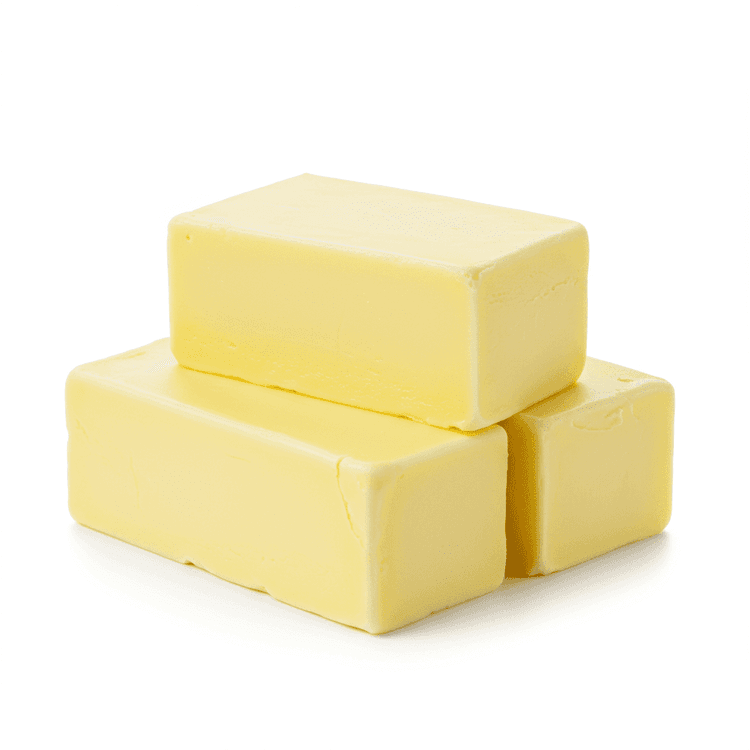
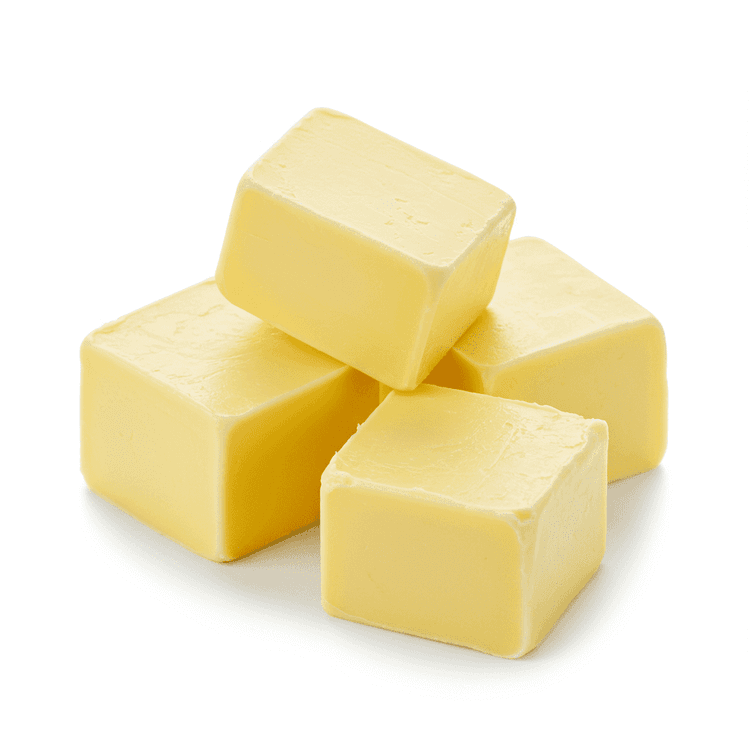
Culinary uses of fats are incredibly diverse. They contribute to the flavor, texture, and satiety of many dishes. Cooking oils, such as olive oil, avocado oil, and coconut oil, are fundamental in sautéing, frying, and baking. Butter and ghee add richness and flavor to baked goods and sauces. Fats also play a key role in emulsification, allowing oil and water to mix, creating creamy dressings and sauces. Think of mayonnaise, hollandaise, and vinaigrettes – all rely on the emulsifying properties of fats.
Popular dishes featuring fats prominently include avocados (rich in monounsaturated fats), nuts and seeds (packed with healthy fats and fiber), and full-fat dairy products (which provide saturated fats along with calcium and protein). Cooking methods like roasting with olive oil or using coconut milk in curries enhance both the flavor and nutritional profile of meals. Incorporating healthy fats into your diet doesn't mean consuming excessive amounts. It's about choosing the right types of fats and using them in moderation.
In conclusion, fats are not the enemy; they are a vital component of a well-balanced diet. By understanding the different types of fats – saturated, unsaturated, and trans fats – and their respective effects on the body, you can make informed choices to support your overall health and well-being. Prioritize healthy fats like those found in avocados, nuts, seeds, and fatty fish, and enjoy the delicious and nutritious benefits they offer. Remember, moderation and mindful consumption are key to reaping the benefits of fats without compromising your health. ||
Fat are an essential part of a healthy diet, providing a wide range of nutrients and health benefits. Explore our collection of fat ingredients.