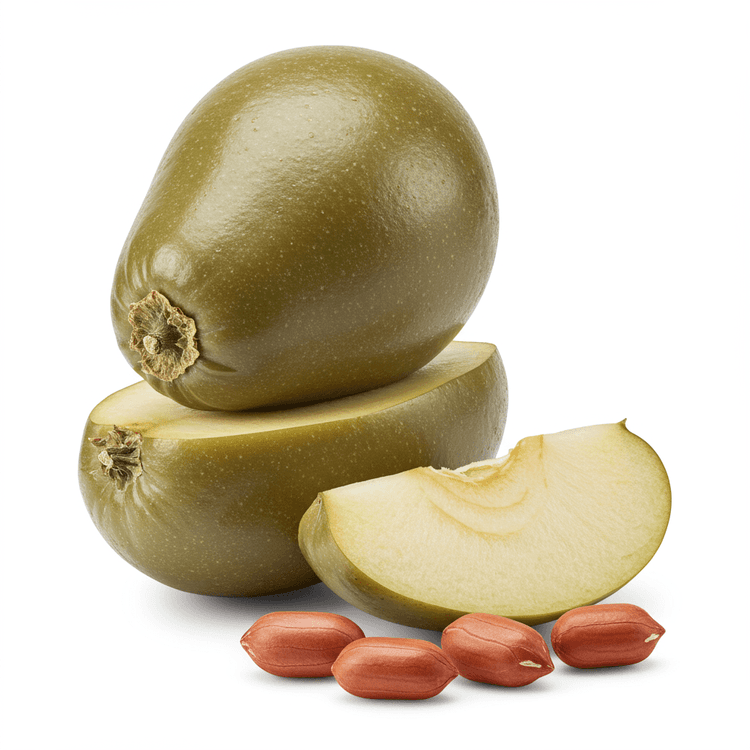
Oil
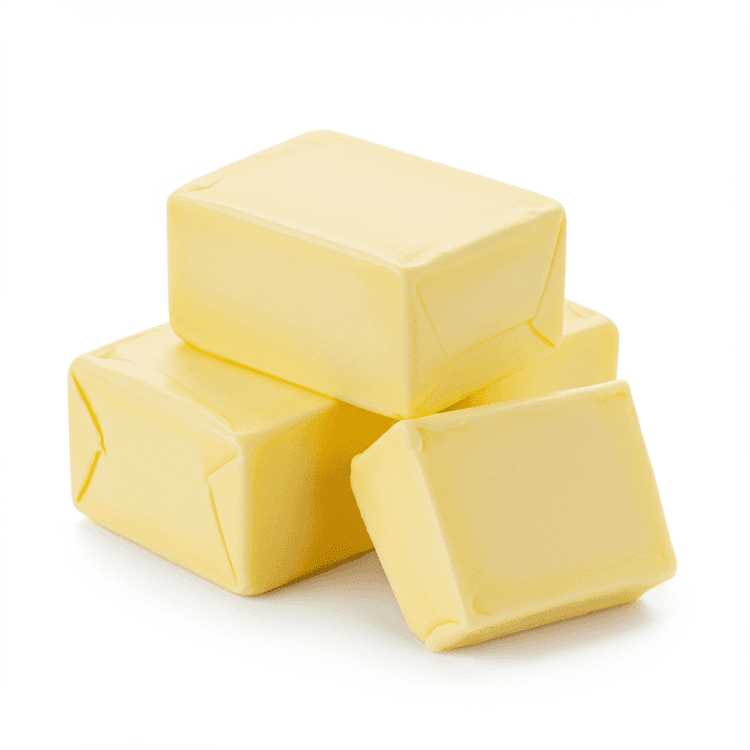
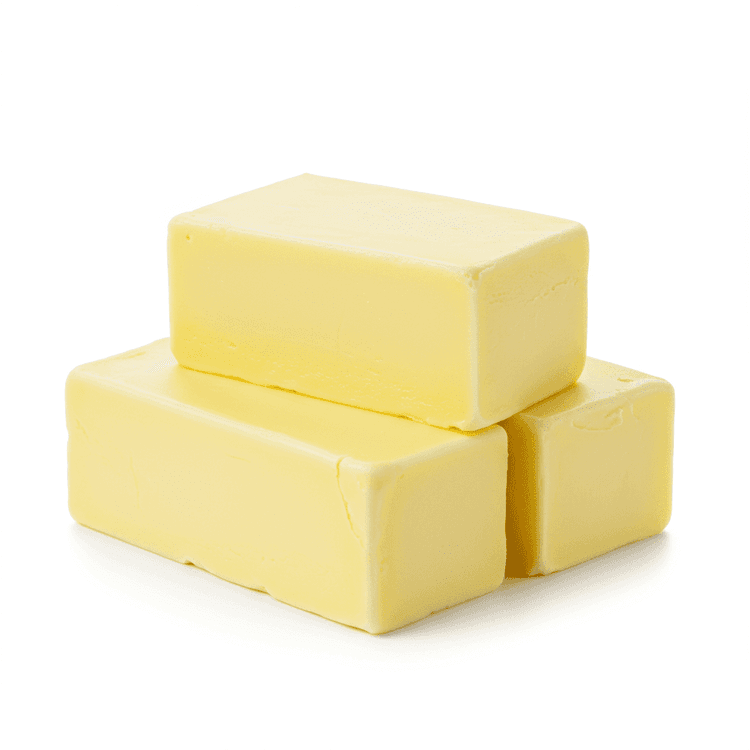
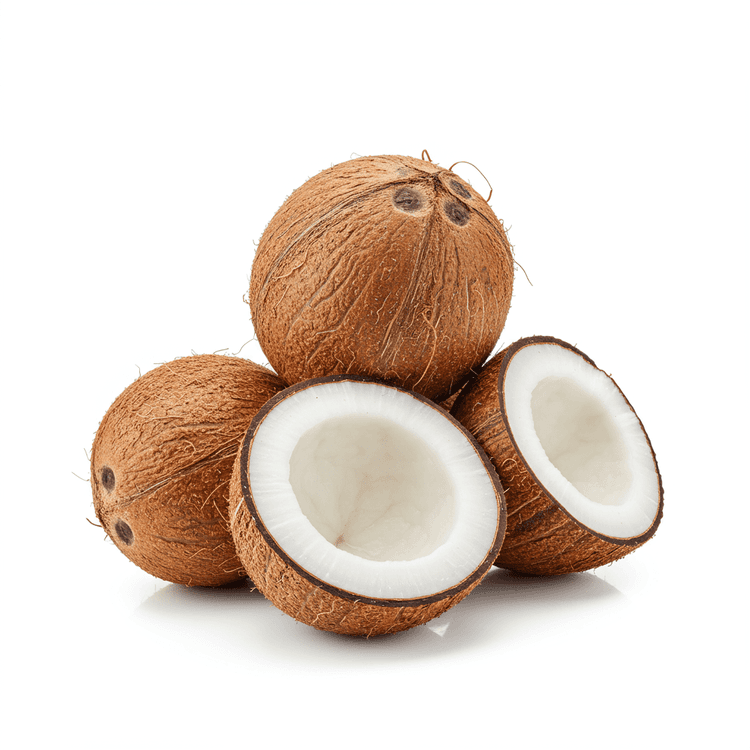
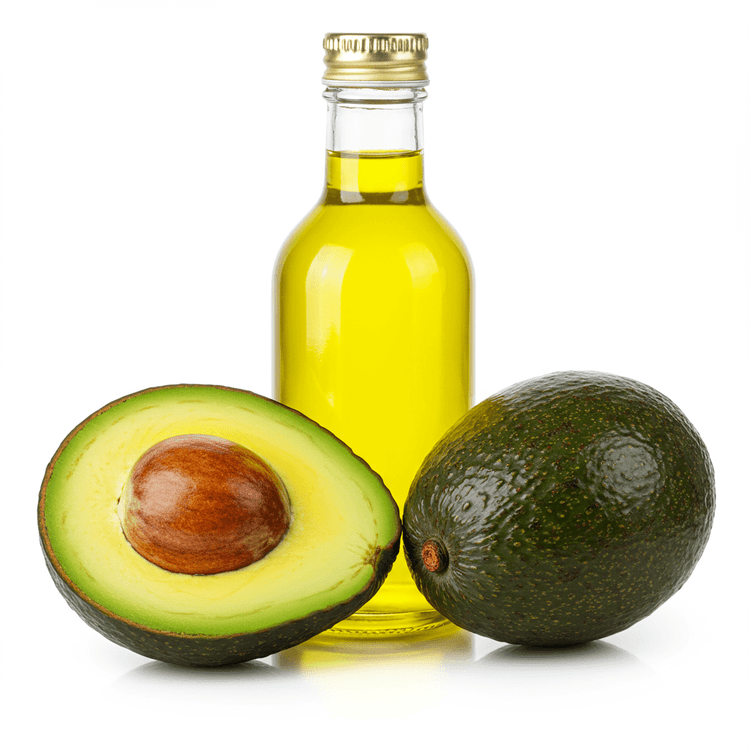
Oil is a versatile and essential cooking ingredient known for its smooth texture and neutral to rich flavor, depending on the type. It is typically derived from plants, seeds, nuts, or fruits, such as olives, coconuts, or sunflowers. Oils can range in appearance from clear and light to golden or even greenish hues. Popular types include olive oil, vegetable oil, coconut oil, and sesame oil, each offering unique flavor profiles and cooking properties. Oils are widely used in frying, baking, sautéing, and as a base for dressings and marinades, making them a staple in kitchens worldwide.
Common Uses
- Use oil for frying foods to achieve a crispy, golden texture, whether shallow frying or deep frying. Popular choices include vegetable oil and peanut oil for their high smoke points.
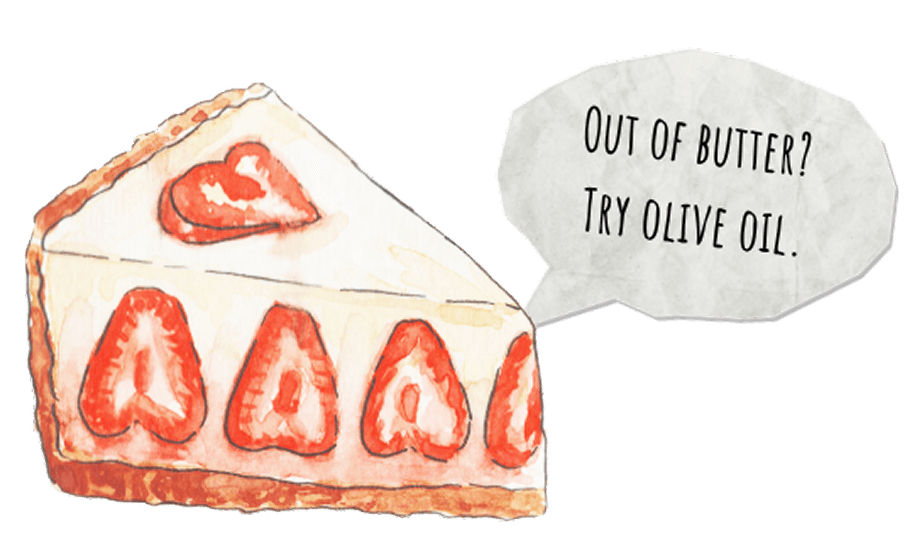
- Drizzle olive oil over salads or roasted vegetables to enhance flavor and add a healthy fat component to your dish.
- Incorporate oil into baking recipes, such as cakes, muffins, or bread, to keep them moist and tender.
- Use oil as a base for marinades to help tenderize meats and infuse them with flavor before grilling or roasting.
- Create homemade dressings or vinaigrettes by whisking oil with vinegar, lemon juice, and seasonings for a fresh, customizable flavor.
- Sauté vegetables, meats, or aromatics like garlic and onions in oil to build a flavorful base for soups, stews, or stir-fries.
Nutrition (per serving)
Calories
884.0kcal (44.2%)
Protein
0.0g
Carbs
0.0g
Sugars
0.0g
Healthy Fat
83.0g
Unhealthy Fat
14.0g
% Daily Value based on a 2000 calorie diet
Nutrition (per serving)
Calories
884.0kcal (44.2%)
Protein
0.0g
Carbs
0.0g
Sugars
0.0g
Healthy Fat
83.0g
Unhealthy Fat
14.0g
% Daily Value based on a 2000 calorie diet
Health Benefits
- Provides essential fats that are important for energy and nutrient absorption in the body.
- Enhances the flavor and texture of dishes, making it a versatile cooking staple.
- Commonly used in sautéing, frying, baking, and salad dressings for its smooth and rich properties.
- Contains varying levels of healthy fats, such as monounsaturated and polyunsaturated fats, depending on the type of oil.
- Some oils, like olive oil, are known for their antioxidant content and potential heart-friendly properties.
- Can be a source of fat-soluble vitamins like vitamin E in certain varieties.
Chefadora AI is here.
Experience smarter, stress-free cooking.
Storage Tips
Store oil in a cool, dark place away from direct sunlight and heat to prevent it from going rancid. Use an airtight container to maintain freshness and avoid exposure to air. For oils with a shorter shelf life, such as flaxseed or walnut oil, refrigeration is recommended. Always check the expiration date and avoid storing oil near the stove or other heat sources.

Marnirni-apinthi Building, Lot Fourteen,
North Terrace, Adelaide, South Australia, 5000
Australia