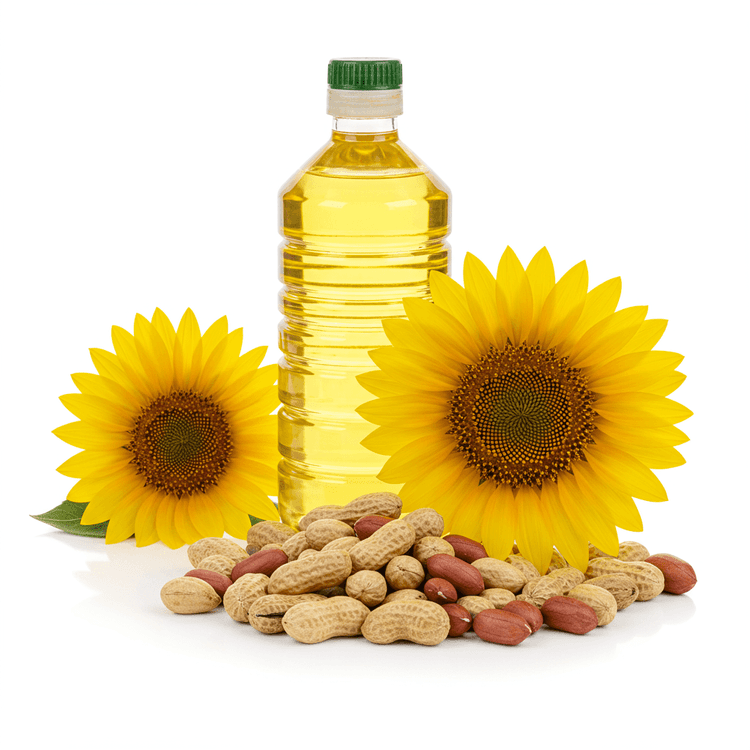
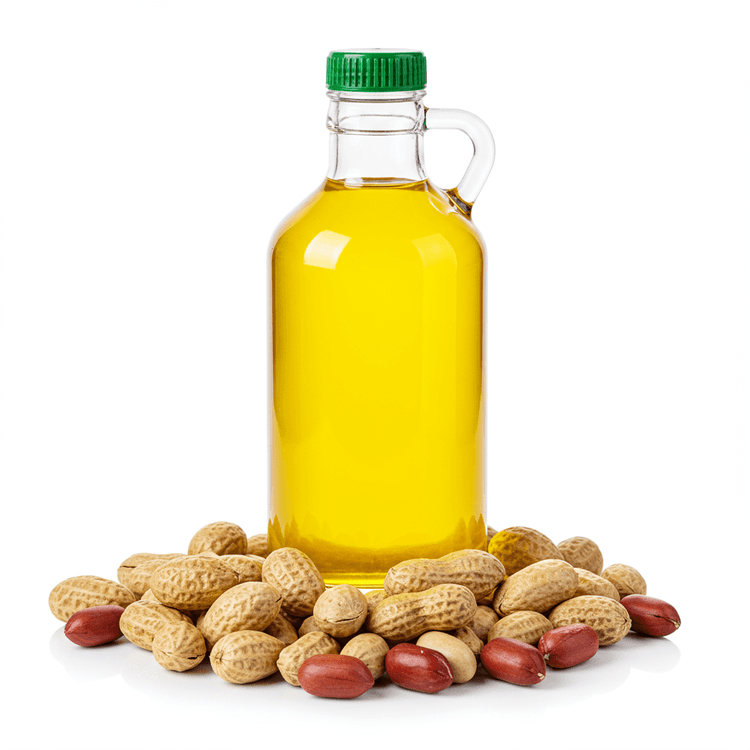
Cooking oils are essential in the kitchen, playing a vital role in everything from sautéing vegetables to baking delectable desserts. Choosing the right cooking oil can significantly impact both the flavor and nutritional profile of your meals. Different oils boast unique health benefits and culinary applications, making them a versatile and valuable ingredient in a balanced diet.
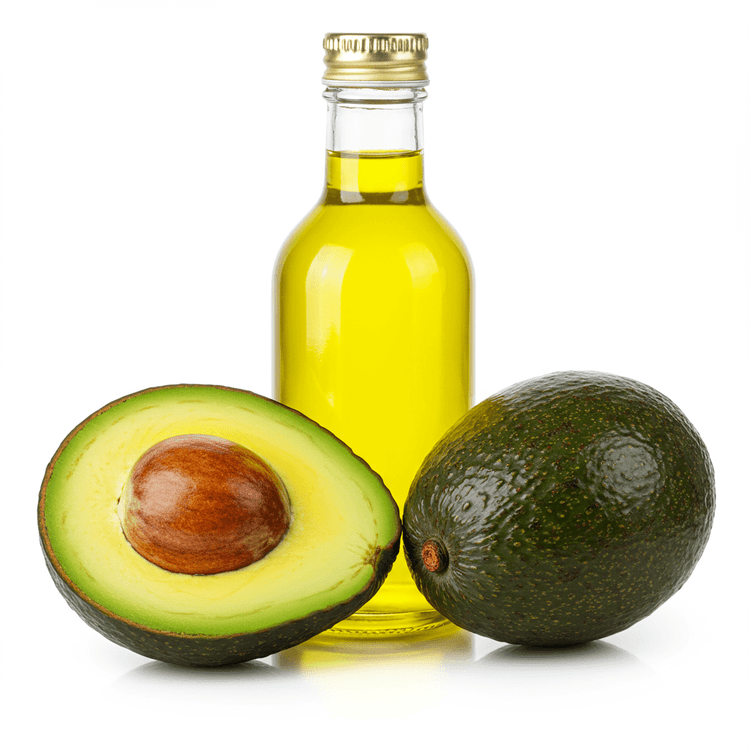
From a health perspective, many cooking oils are excellent sources of essential fatty acids, which are crucial for brain function, heart health, and hormone production. Olive oil, for example, is rich in monounsaturated fats and antioxidants, particularly oleocanthal, which possesses anti-inflammatory properties. Studies have linked regular consumption of olive oil to a reduced risk of heart disease, stroke, and certain cancers. Avocado oil is another excellent choice, known for its high smoke point and abundance of monounsaturated fats, vitamin E, and carotenoids, offering protection against oxidative stress. Coconut oil, while primarily composed of saturated fats, contains medium-chain triglycerides (MCTs), which are metabolized differently than long-chain triglycerides and may offer potential benefits for weight management and energy levels.
Beyond their health benefits, cooking oils are indispensable in the culinary world. They provide lubrication, preventing food from sticking to pans and allowing for even cooking. They contribute to the texture of dishes, creating crispy exteriors in fried foods and moist interiors in baked goods. The flavor profiles of different oils can also enhance the taste of your meals. Olive oil, with its fruity and peppery notes, is a staple in Mediterranean cuisine, perfect for drizzling over salads, dipping bread, or sautéing vegetables. Coconut oil lends a subtle sweetness and tropical aroma to curries, baked goods, and stir-fries. Avocado oil's mild, buttery flavor makes it an excellent choice for high-heat cooking and raw applications like salad dressings and dips. Popular dishes that heavily rely on cooking oils include stir-fries, fried chicken, roasted vegetables, and baked goods like cakes and cookies.
Incorporating a variety of cooking oils into your diet is key to achieving a balanced and nutrient-rich eating plan. While all cooking oils contain fats, understanding the different types of fats – saturated, monounsaturated, and polyunsaturated – and their impact on health is crucial. Aim to prioritize oils rich in monounsaturated and polyunsaturated fats, such as olive oil, avocado oil, canola oil, and sunflower oil, while using saturated fats like coconut oil and palm oil in moderation. Ultimately, choosing the right cooking oil depends on your cooking needs and personal preferences, allowing you to create delicious and healthy meals that contribute to your overall well-being. Experiment with different oils to discover your favorites and explore the diverse flavors and health benefits they offer. ||
Cooking Oil are an essential part of a healthy diet, providing a wide range of nutrients and health benefits. Explore our collection of cooking oil ingredients.