We use cookies on this website to ensure its proper functioning and to improve the quality of our services. Cookie Policy

Tags and nutritional info are auto-generated and may be inaccurate. Always check the full ingredient list before cooking.


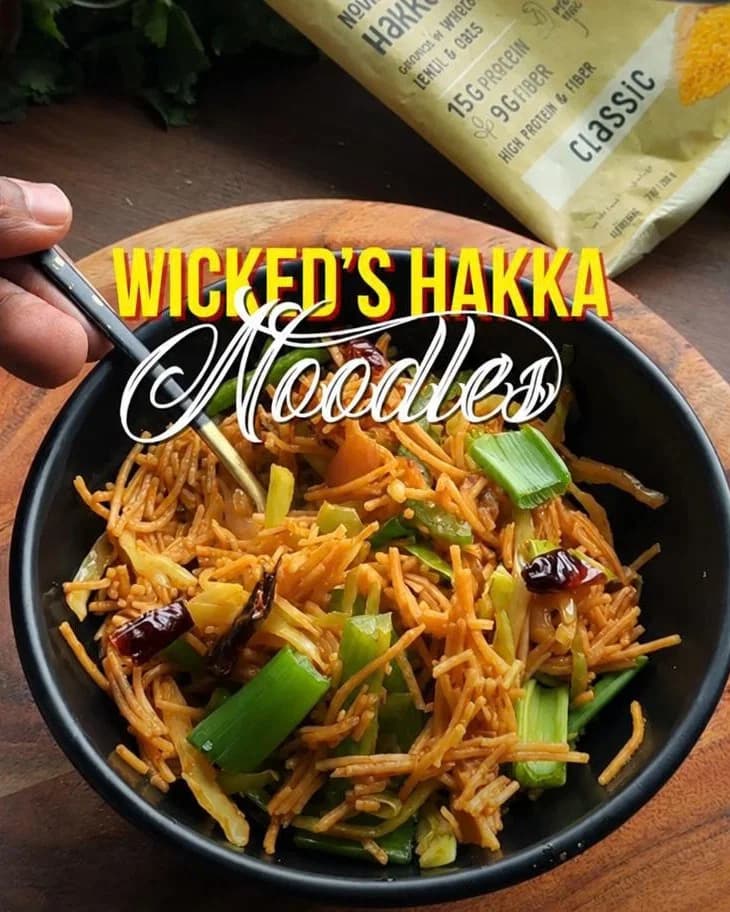
Slice the garlic cloves thinly. Chop the onion, cabbage, capsicum, and green onions, keeping the white and green parts separate.

Bring water to a boil in a pan. Add the hakka noodles and cook until about 70% done, approximately 7-8 minutes.

Drain the noodles and rinse with cold water to stop the cooking. Set aside.
Heat a kadhai or wok over high heat. Add oil once hot.

Add sliced garlic and dry red chillies to the hot oil and sauté until the garlic starts to turn brown.

Add chopped onion, cabbage, and capsicum and sauté for about a minute until slightly tender.

Add the partially cooked noodles. Pour in soy sauce, schezwan sauce, and vinegar, and toss until the noodles are evenly coated.

Garnish with the green parts of the green onions and serve immediately.

Want to keep this recipe for later? We can email it to you!
Adjust the amount of dry red chillies according to your spice preference.
Rinsing the noodles with cold water helps to stop the cooking process and prevents them from becoming mushy.
Can I use a different type of noodles?
Yes, you can use any noodles of your choice, but cooking times may vary.
How can I make the dish less spicy?
Reduce the amount of dry red chillies and schezwan sauce to make it less spicy.
Can I add protein to this dish?
Yes, you can add cooked chicken, shrimp, or tofu for added protein.
What can I use instead of schezwan sauce?
You can substitute schezwan sauce with chili garlic sauce or sriracha for a similar spicy flavor.
How do I store leftovers?
Store leftovers in an airtight container in the refrigerator for up to 2 days. Reheat before serving.
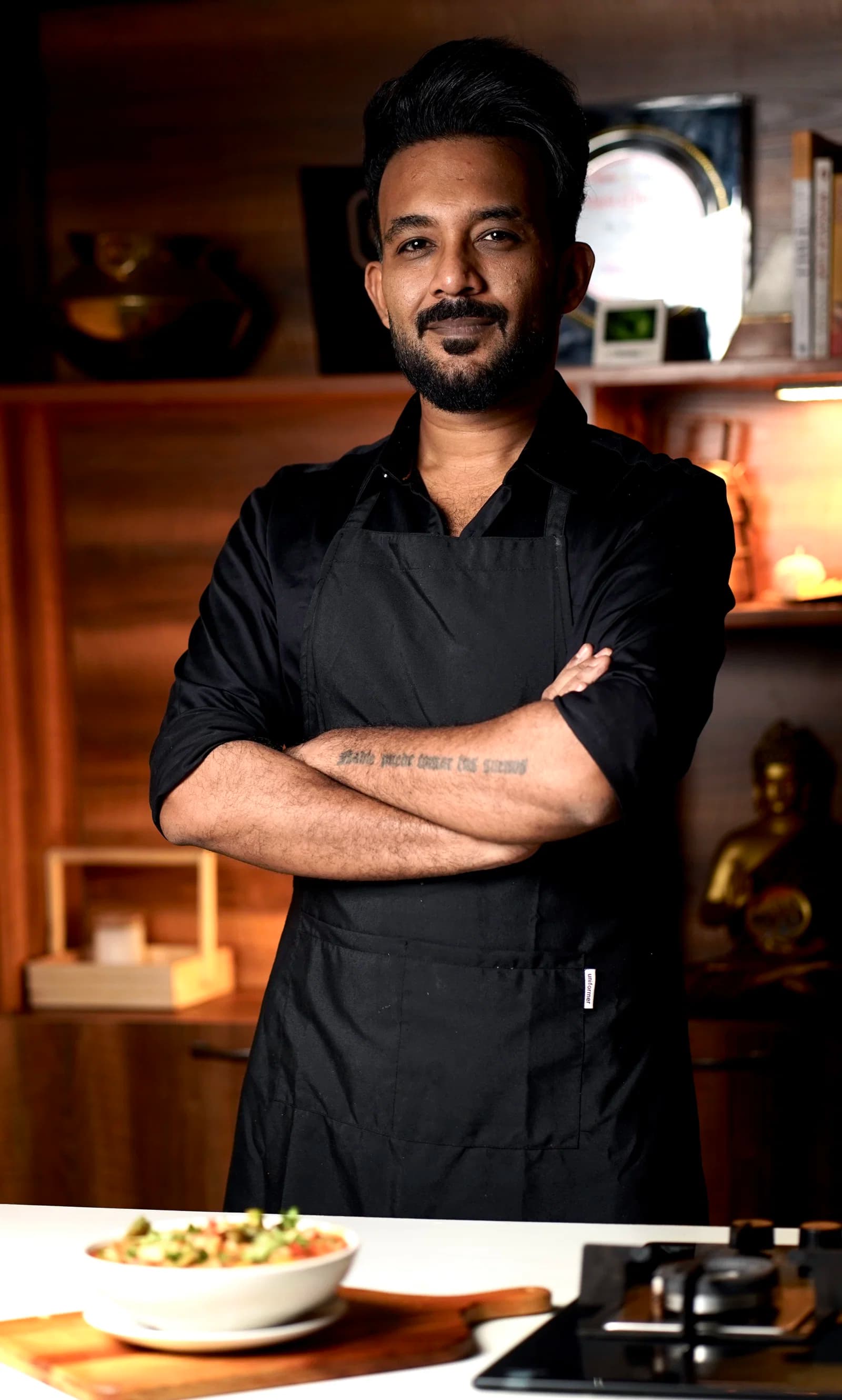
I’m Parichay, a food creator, recipe developer and the person behind Bhukkad in Town. For me, food has always been more than just a recipe. I grew up around Nepal and later made Chandigarh home, so a lot of the way I cook comes from memories, places I’ve travelled to, food I’ve eaten and the people I’ve shared it with. My cooking moves between comforting Indian food, regional recipes, street-food nostalgia and the occasional experiment that starts with, “What if we did this instead?” I love understanding why a dish tastes the way it does, simplifying it for a home kitchen, and then telling the story that made me want to cook it in the first place. Because eventually, the recipe tells you how to make the food. The story tells you why you might want to.
...