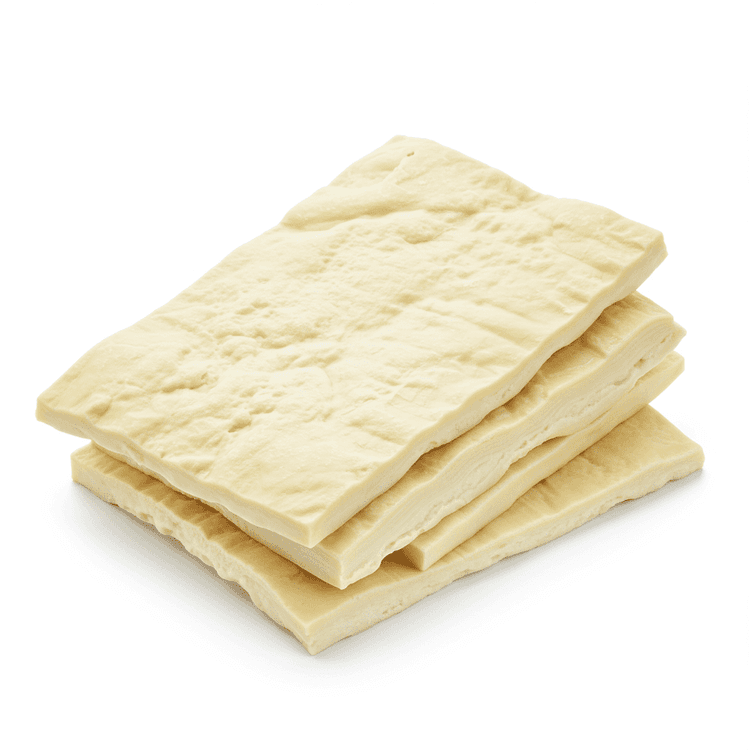
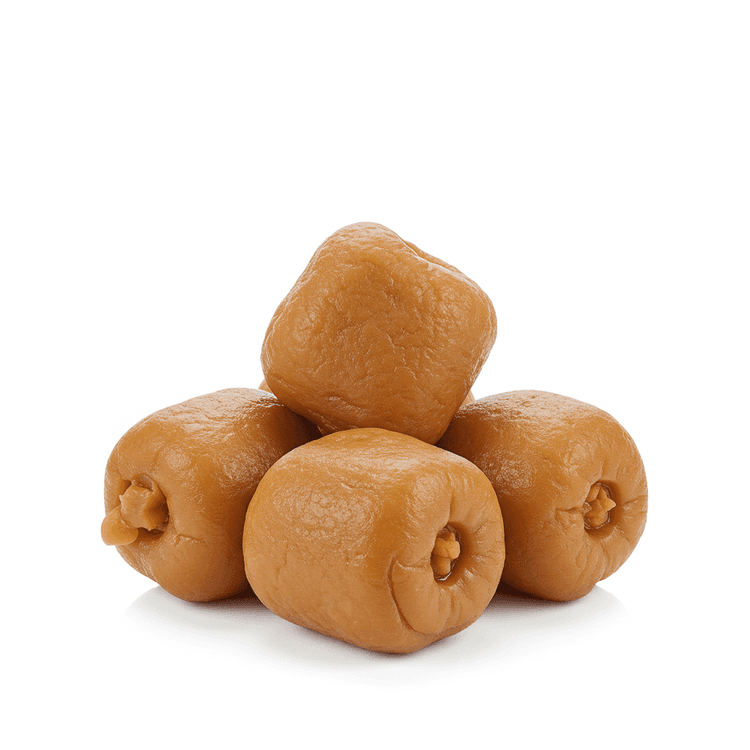
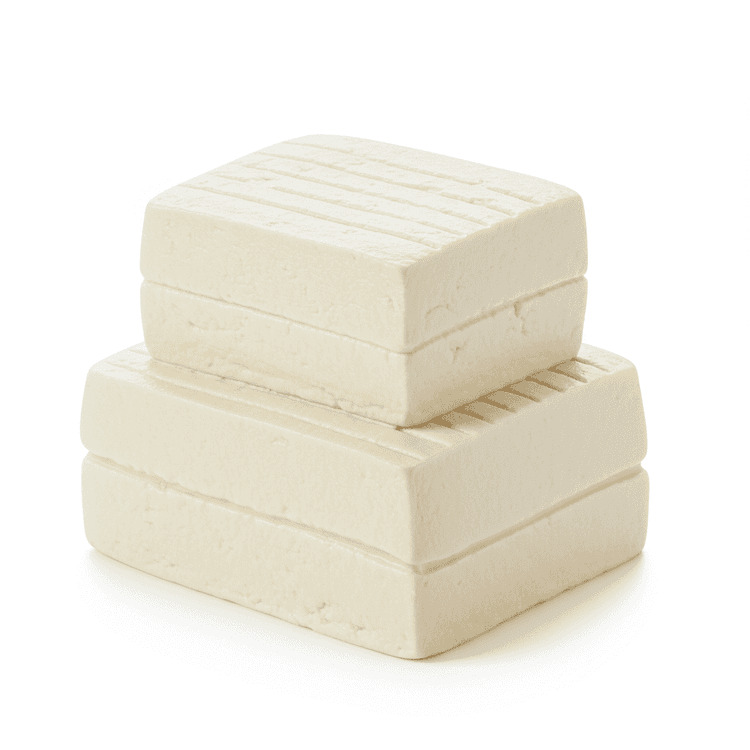
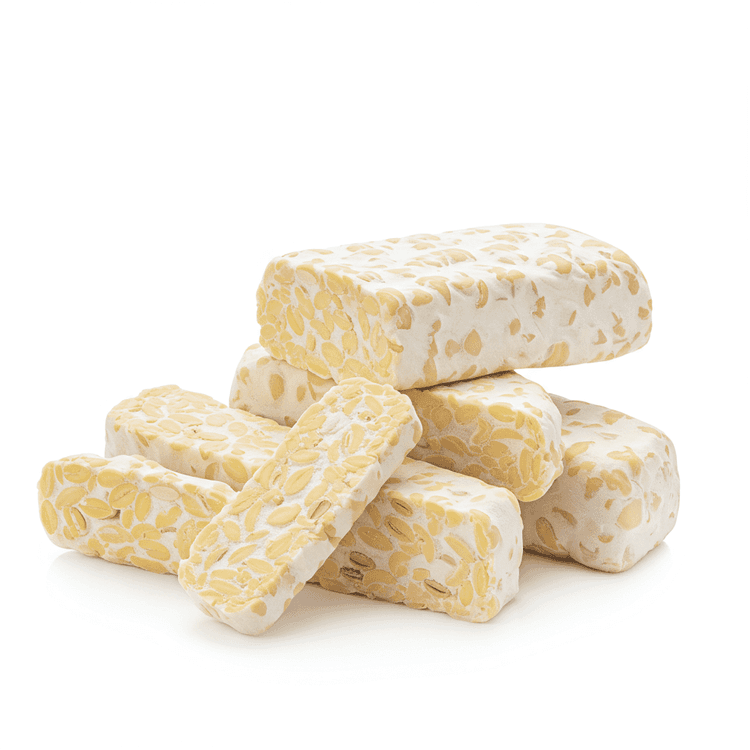
Soy products, derived from soybeans, are a cornerstone of many diets worldwide, offering a wealth of nutritional benefits and culinary versatility. From tofu and tempeh to edamame and soy milk, the diverse range of soy products provides a significant source of plant-based protein, essential amino acids, and various micronutrients. Incorporating soy into your diet can contribute to improved health and well-being.
One of the primary advantages of soy is its high protein content. It's a complete protein, meaning it contains all nine essential amino acids that the human body cannot produce on its own. This makes soy an excellent protein source for vegetarians, vegans, and anyone looking to reduce their meat consumption. Beyond protein, soy is also rich in fiber, which aids digestion and promotes gut health. It contains significant amounts of iron, crucial for oxygen transport in the blood, calcium, important for bone health, and magnesium, involved in numerous enzymatic reactions in the body.
Soy products are also a good source of isoflavones, which are plant compounds that have been studied for their potential health benefits. Research suggests that isoflavones may have antioxidant properties, helping to protect cells from damage caused by free radicals. They have also been investigated for their potential role in reducing the risk of certain chronic diseases, such as heart disease and some types of cancer. However, it's important to note that research on isoflavones is ongoing, and more studies are needed to fully understand their effects.
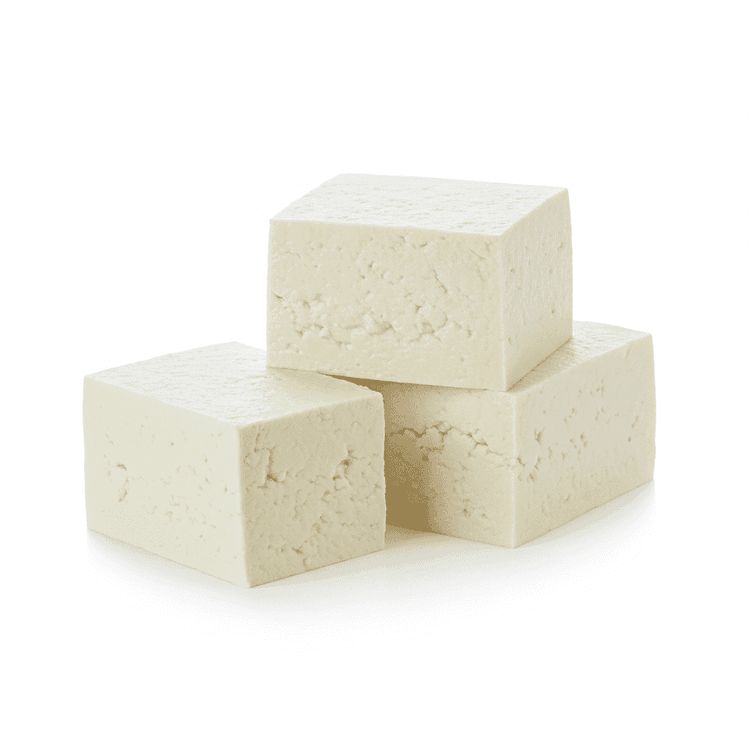
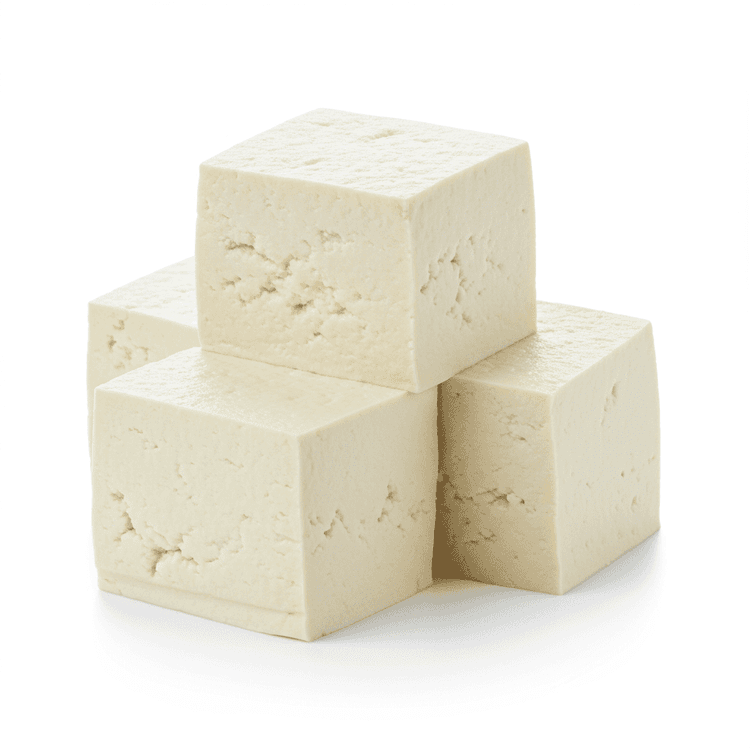
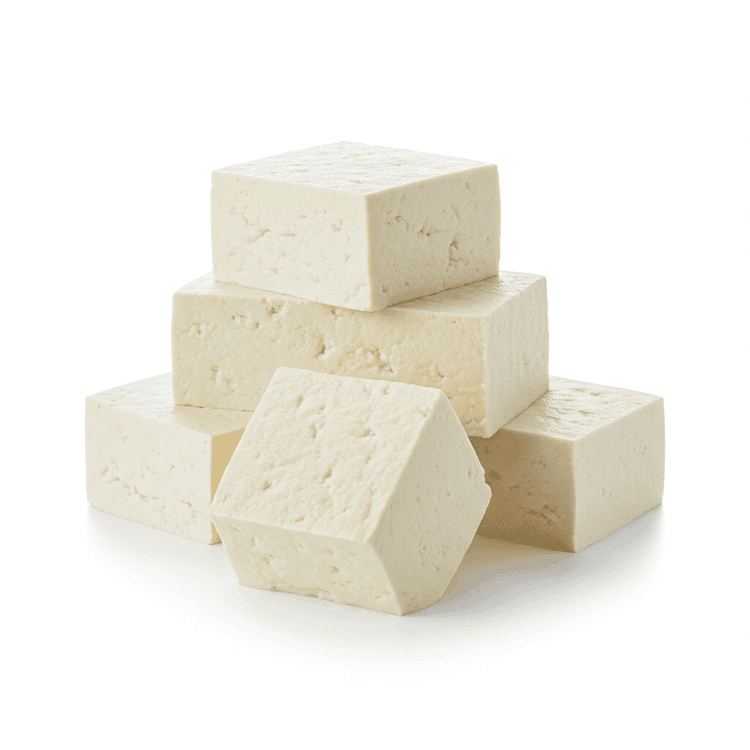
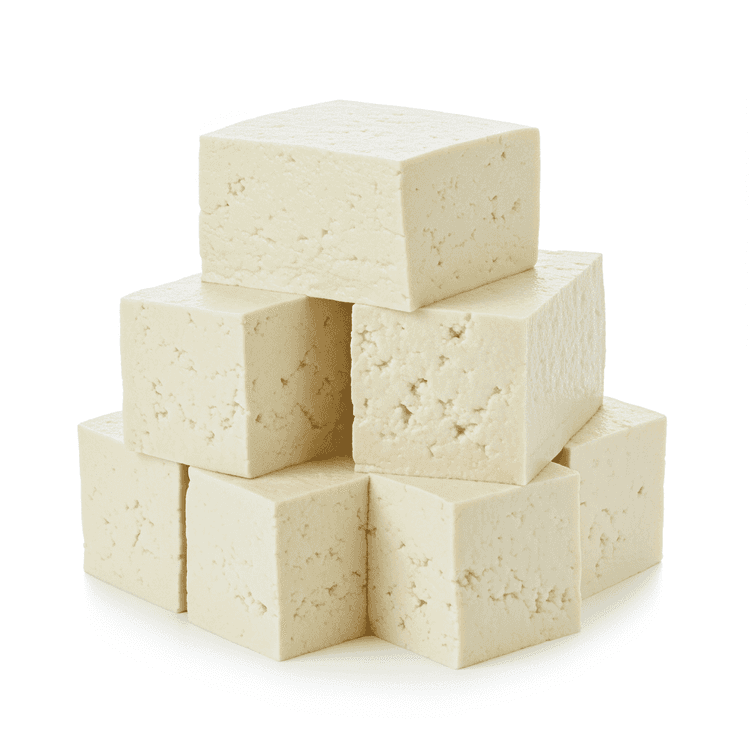
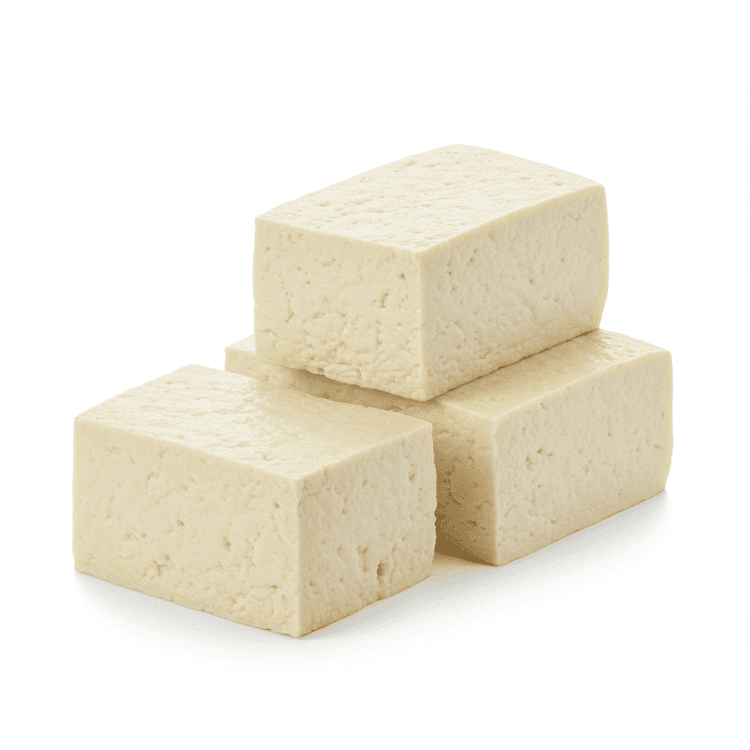
Culinary uses of soy products are incredibly diverse. Tofu, with its mild flavor, acts as a blank canvas, absorbing the flavors of marinades and sauces. It can be stir-fried, baked, grilled, or even blended into smoothies for added protein. Tempeh, with its nutty flavor and firm texture, is a great addition to sandwiches, salads, or stir-fries. Edamame, young soybeans in their pods, are a popular appetizer or snack, steamed or boiled and sprinkled with salt. Soy milk is a nutritious alternative to dairy milk, used in coffee, cereal, or baking. Soy sauce, a fermented soy product, is a staple in Asian cuisine, adding umami and depth of flavor to dishes.
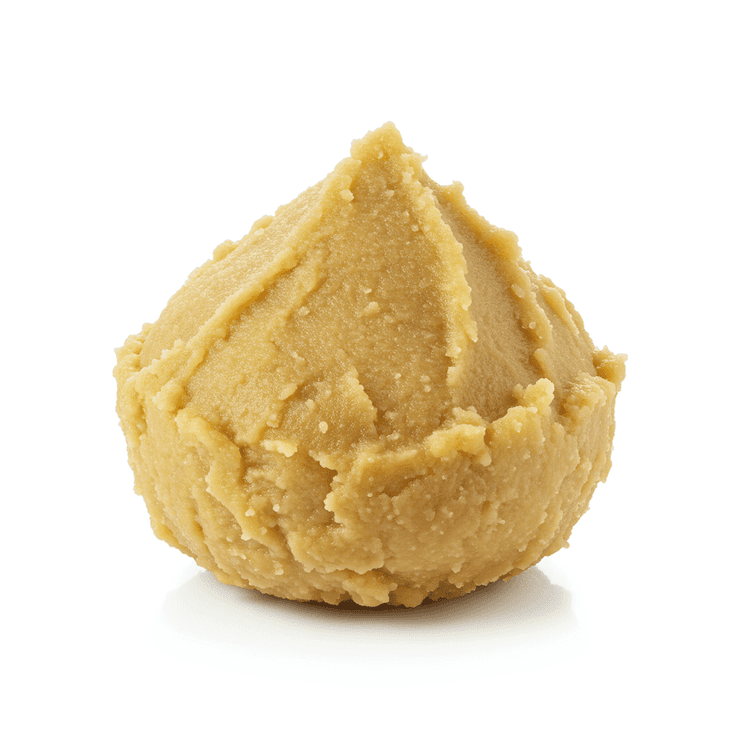
Popular dishes featuring soy products include tofu stir-fries with various vegetables and sauces, tempeh reuben sandwiches, edamame salads, and miso soup, a traditional Japanese soup made with fermented soybean paste. Soy protein is also used in meat alternatives, providing a plant-based option for burgers, sausages, and other processed foods. When cooking with soy products, it's best to choose organic and non-GMO options whenever possible to minimize exposure to pesticides and genetically modified ingredients.
Including soy products in a balanced diet is important for overall wellness. They provide a valuable source of protein, fiber, and micronutrients, contributing to muscle growth and repair, healthy digestion, and overall energy levels. The unique nutritional profile of soy, including its isoflavone content, offers potential health benefits that may support long-term well-being. By incorporating a variety of soy products into your meals, you can enjoy both their delicious flavors and their numerous health advantages. Whether you're a vegetarian, vegan, or simply looking to add more plant-based foods to your diet, soy products offer a versatile and nutritious option. ||
Soy Product are an essential part of a healthy diet, providing a wide range of nutrients and health benefits. Explore our collection of soy product ingredients.