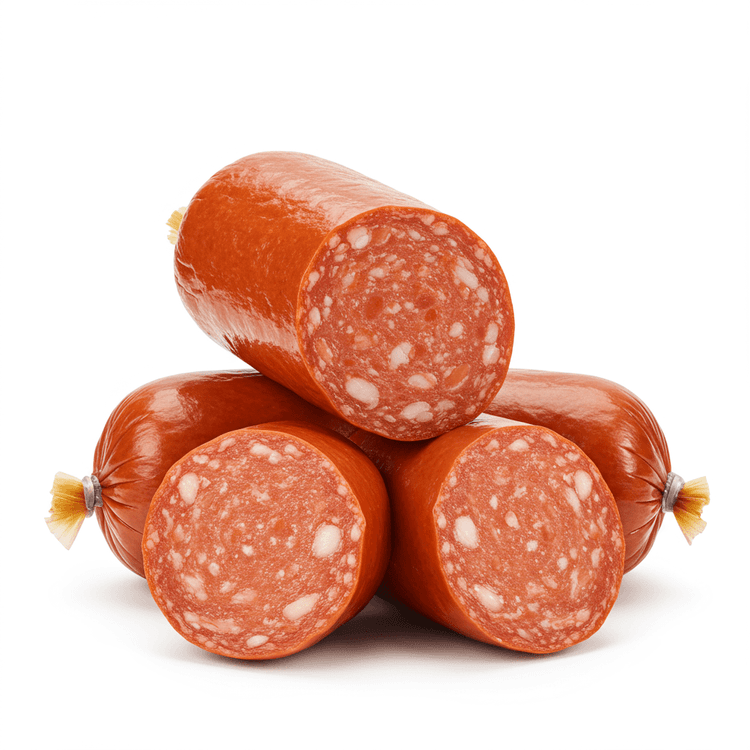
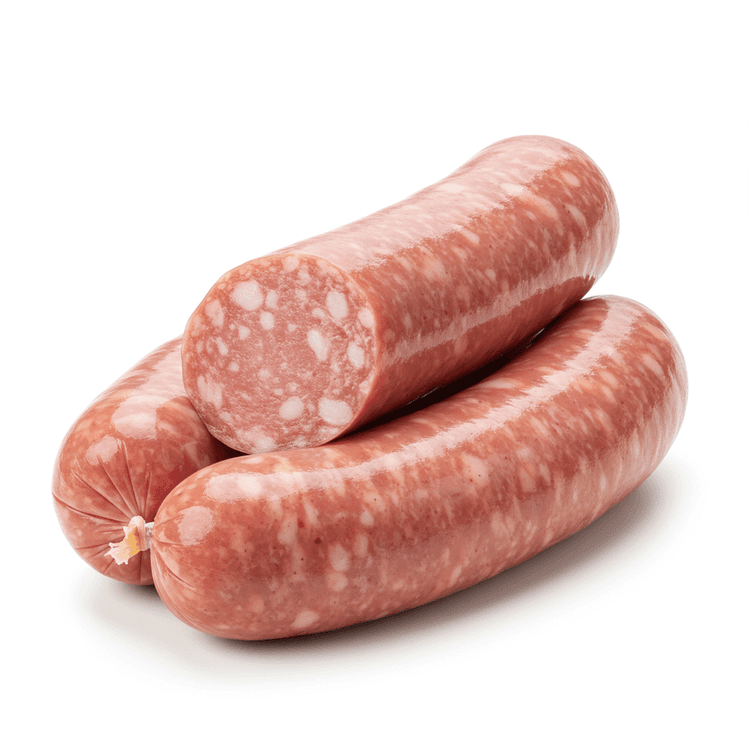
Sausage, a culinary staple across cultures, often gets a bad rap. But understanding the nuances of this processed meat can help you make informed choices for a balanced diet. While some sausages are high in sodium and saturated fat, others can provide valuable protein and even contribute to your intake of certain micronutrients.
Sausage primarily consists of ground meat – typically pork, beef, chicken, or a combination – seasoned with spices and herbs. The nutritional profile varies greatly depending on the type of meat used, the fat content, and the specific seasonings. Some sausages are packed with protein, essential for muscle building, repair, and overall satiety. They also contain iron, crucial for oxygen transport in the blood, and zinc, which supports immune function and wound healing. Furthermore, certain sausages, especially those made with organ meats, may offer vitamin B12, vital for nerve function and red blood cell production.
Culinary uses for sausage are incredibly diverse. From breakfast links and patties served alongside eggs and pancakes, to hearty additions in stews, soups, and casseroles, sausage adds a rich, savory flavor to countless dishes. Italian sausage is a popular ingredient in pasta sauces, lasagna, and pizzas. Chorizo lends its smoky, spicy flavor to paella and tacos. Andouille sausage is a key component of Cajun cuisine, adding depth and heat to jambalaya and gumbo. Sausages can be grilled, pan-fried, baked, or even smoked, offering a range of textures and flavors to complement different cooking styles. The versatility of sausage extends to global cuisines, with variations found in German wurst, Polish kielbasa, and British bangers.
Incorporating sausage into a balanced diet requires mindful selection and portion control. Opt for leaner varieties made with chicken or turkey, or those with reduced fat content. Look for sausages with lower sodium levels and be aware of added nitrates and nitrites. Pairing sausage with plenty of vegetables, whole grains, and healthy fats can create a more nutritious and satisfying meal. For instance, adding sausage to a vegetable-packed frittata or incorporating it into a hearty bean stew can boost the protein content while still emphasizing whole, unprocessed foods. Sausages made with natural casings can contribute to a more natural diet.
Ultimately, sausage can be part of a healthy eating plan when consumed in moderation and as part of a diverse diet. By making informed choices about the type of sausage you choose and how you prepare it, you can enjoy its flavorful contribution to your meals while prioritizing your overall well-being. Remember to read labels carefully, prioritize quality ingredients, and balance your sausage consumption with plenty of nutrient-rich foods. ||
Sausage are an essential part of a healthy diet, providing a wide range of nutrients and health benefits. Explore our collection of sausage ingredients.