Pantry staples form the backbone of any well-equipped kitchen, providing the essential ingredients for countless meals. More than just convenience items, these are nutrient-rich building blocks for a balanced and healthy diet. Think of them as your culinary safety net, always ready to contribute to a delicious and nourishing meal, regardless of your schedule. Let's delve into why stocking a diverse selection of pantry staples is a smart choice for your health and your culinary adventures.
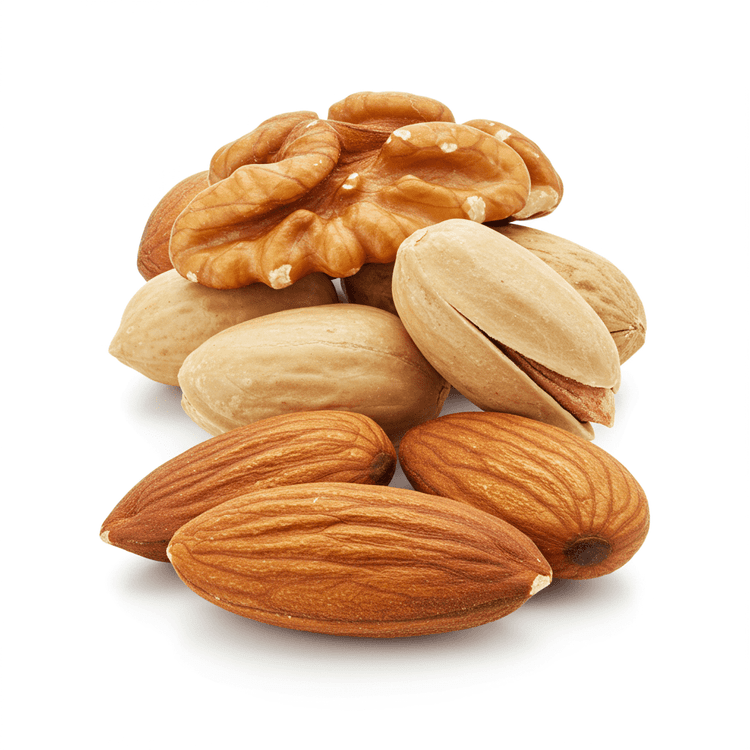
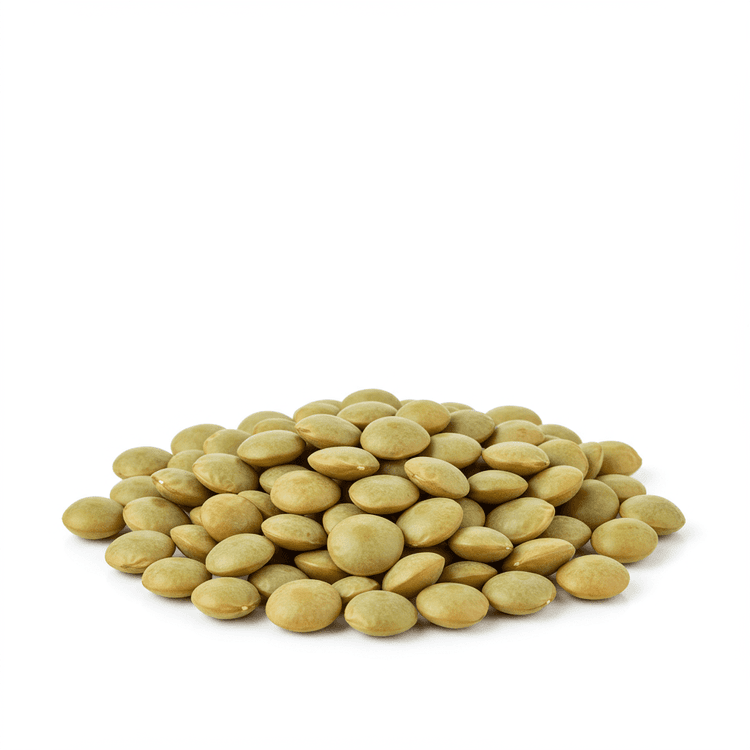
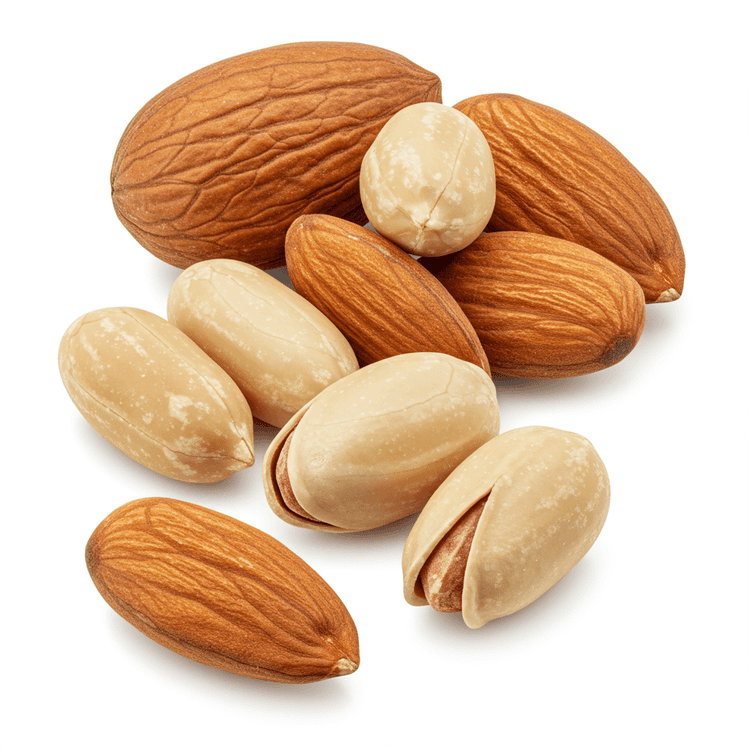
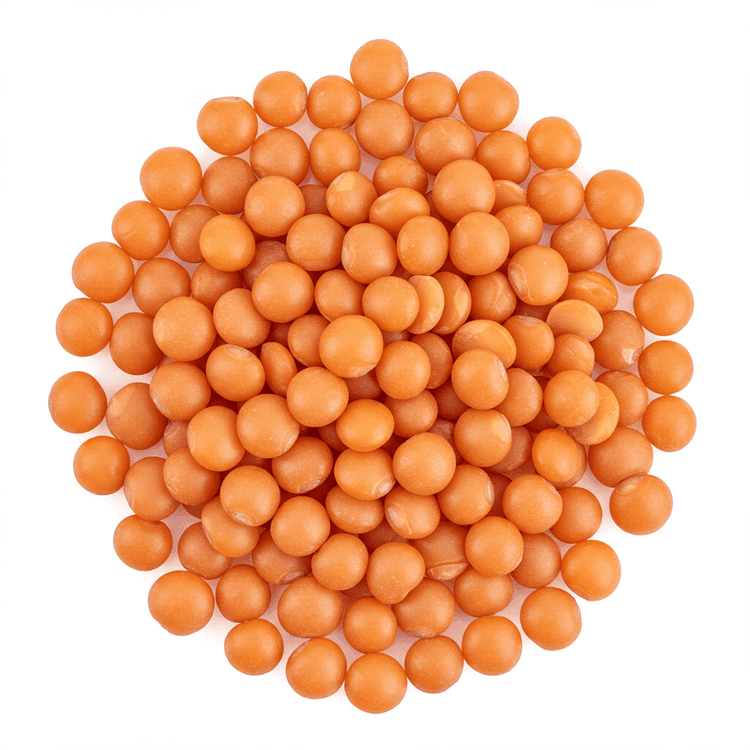
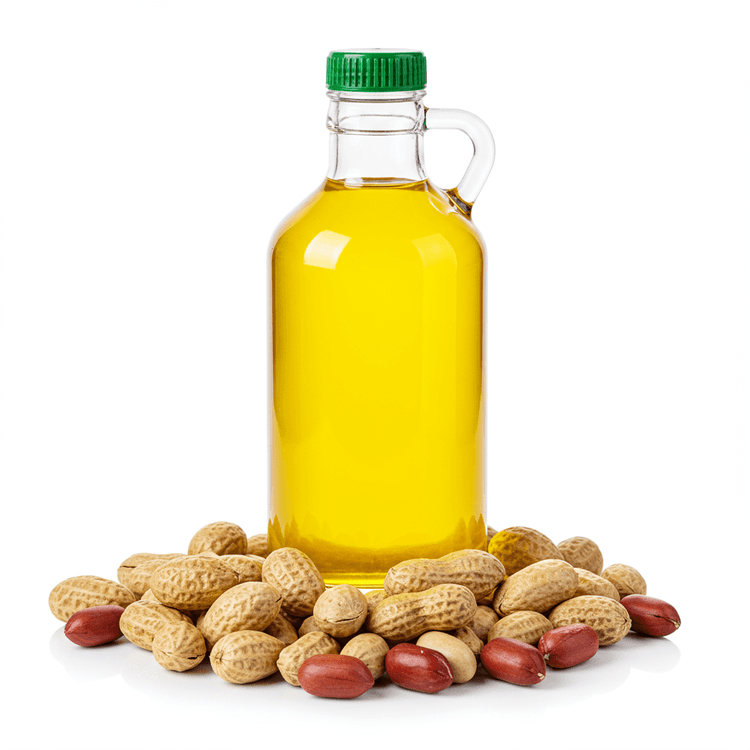
From whole grains like quinoa, brown rice, and oats, packed with fiber and complex carbohydrates for sustained energy, to legumes like lentils, chickpeas, and black beans, offering plant-based protein and essential minerals like iron and folate, pantry staples are nutritional powerhouses. Canned goods like tomatoes, rich in lycopene, a powerful antioxidant, and beans, again a great source of protein and fiber, provide year-round access to key nutrients, even when fresh produce is out of season. Nuts and seeds, such as almonds, walnuts, chia seeds, and flaxseeds, are excellent sources of healthy fats, omega-3 fatty acids, and vitamin E, supporting heart health and cognitive function. Don't underestimate the value of cooking oils like olive oil and coconut oil, offering healthy fats and contributing unique flavors to your dishes.
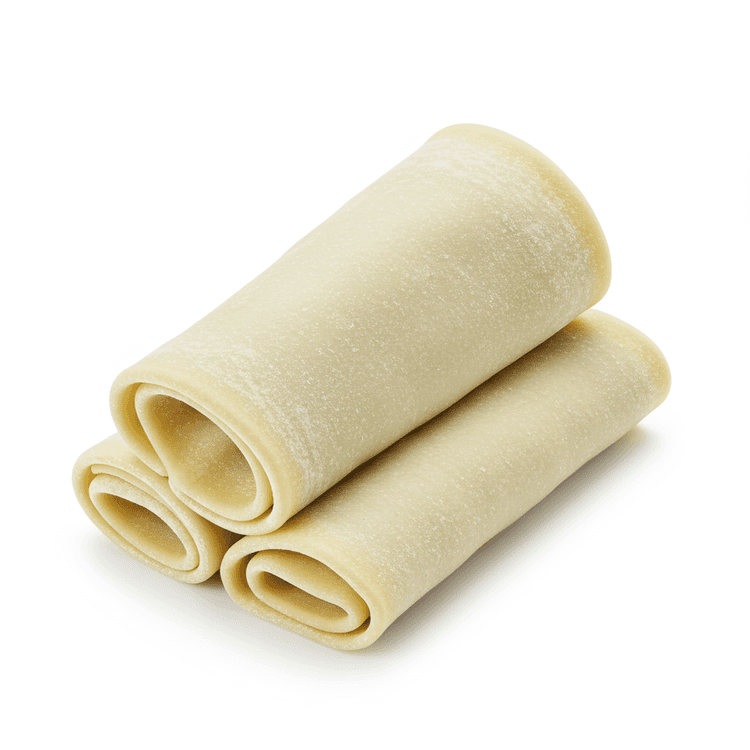
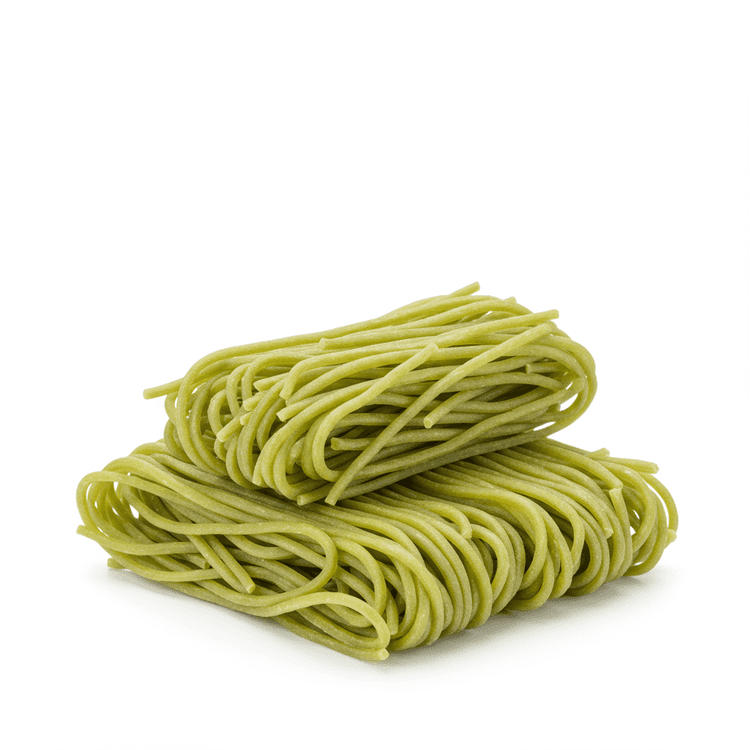
Culinary applications for pantry staples are virtually limitless. Whole grains form the foundation of countless dishes, from simple rice bowls and quinoa salads to hearty oatmeal breakfasts. Legumes are incredibly versatile, lending themselves to soups, stews, chili, dips, and even veggie burgers. Canned tomatoes are essential for pasta sauces, curries, and salsas. Nuts and seeds add crunch and flavor to salads, granola, and baked goods. Olive oil is a cornerstone of Mediterranean cuisine, perfect for sautéing, roasting, and dressing salads. Consider the global influence: lentils in Indian dals, beans in Mexican cuisine, pasta from Italy, and rice from Asia – pantry staples allow you to explore diverse culinary traditions.
The importance of pantry staples for a balanced diet cannot be overstated. They allow for meal planning and preparation even on busy days, reducing reliance on takeout or processed foods. They provide essential nutrients that contribute to overall wellness, supporting energy levels, immune function, and heart health. Unlike many highly processed convenience foods, pantry staples are often minimally processed, retaining their natural nutritional value. For instance, opting for canned tomatoes over processed tomato sauces reduces your intake of added sugars and preservatives. Similarly, cooking with whole grains provides a greater sense of satiety and stabilizes blood sugar levels compared to refined grains.
Pantry staples offer unique nutritional advantages. The high fiber content in whole grains and legumes promotes digestive health and helps regulate blood sugar levels. The healthy fats in nuts, seeds, and olive oil support brain function and heart health. The vitamins and minerals found in canned goods like tomatoes and beans contribute to overall well-being. By incorporating a variety of pantry staples into your diet, you can ensure you're getting a wide range of essential nutrients. Stocking your pantry strategically is an investment in your health and a gateway to delicious, home-cooked meals, making it easier to maintain a balanced and nourishing lifestyle. They are the unsung heroes of the kitchen, quietly supporting your health and culinary creativity, one meal at a time. They empower you to take control of your diet and create healthy, delicious meals with ease. ||
Pantry Staples are an essential part of a healthy diet, providing a wide range of nutrients and health benefits. Explore our collection of pantry staples ingredients.