We use cookies on this website to ensure its proper functioning and to improve the quality of our services. Cookie Policy
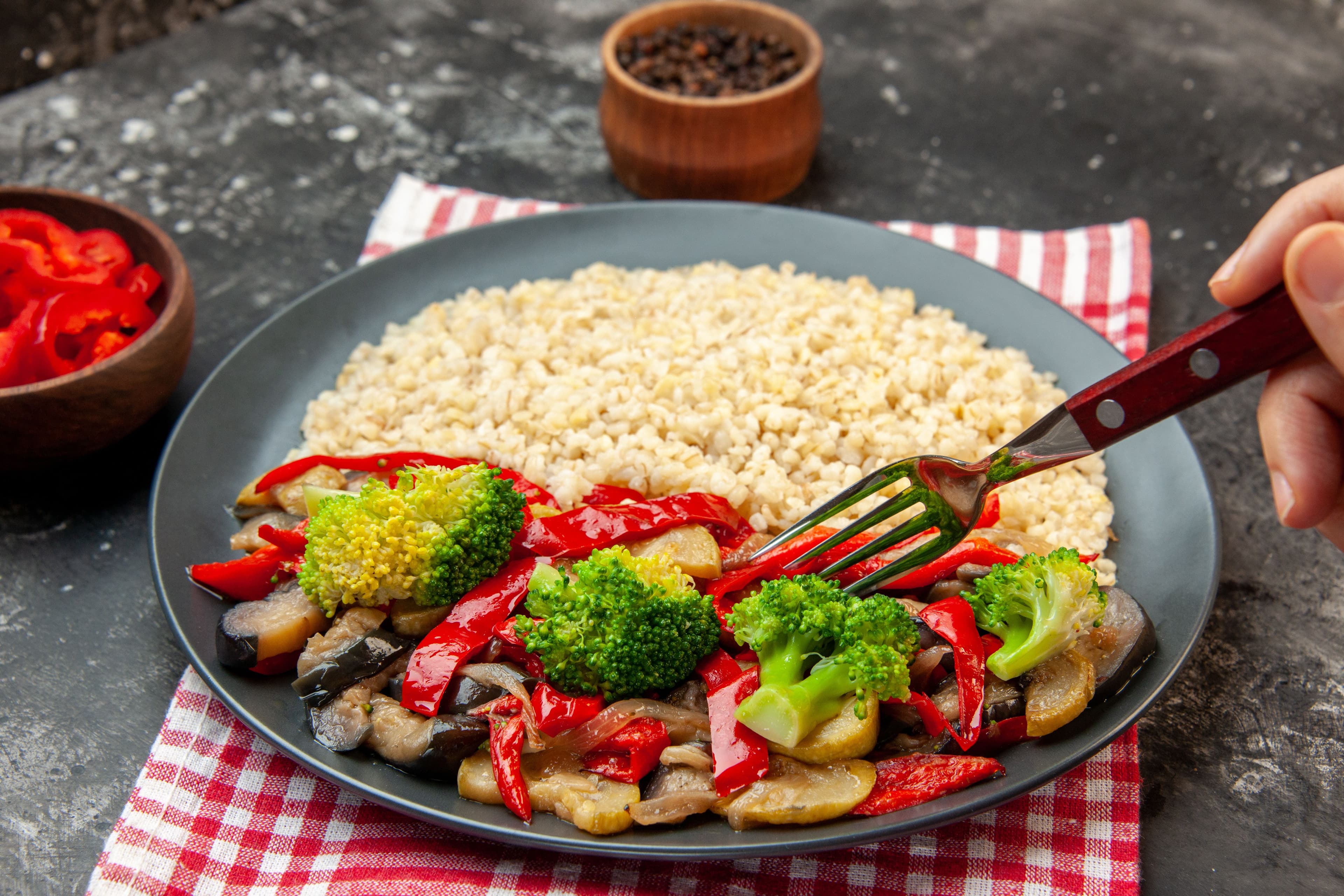
I know firsthand how crucial it is to obtain adequate, high-quality protein to facilitate muscle repair, boost energy, and promote recovery as a vegetarian with a focus on fitness. A 70‑kg athlete needs around 112–154 g of protein daily (1.6–2.2 g/kg), but many vegetarians end up under that without planning. The truth? With the right foods and the right strategy, you can also achieve those targets.
Experts recommend distributing protein across meals (20–30 g per serving) for optimal recovery and satiety. This post will help you achieve precisely that.
To hit high protein on plants, lean into these staples:
Legumes: Lentils, chickpeas, black beans
Soy & Co.: Extra-firm tofu, tempeh, edamame
Dairy & Ferments: Greek yogurt, paneer, cottage cheese
Whole Grains: Quinoa, red lentil pasta
Seeds & Nuts: Hemp, chia, peanuts, almonds
Supplements if needed: Unflavored pea or rice protein powders
Combine legumes and grains (such as dal and rice) to form complete proteins, and sprinkle in dairy or seed-based boosters to push each meal past 20 g.
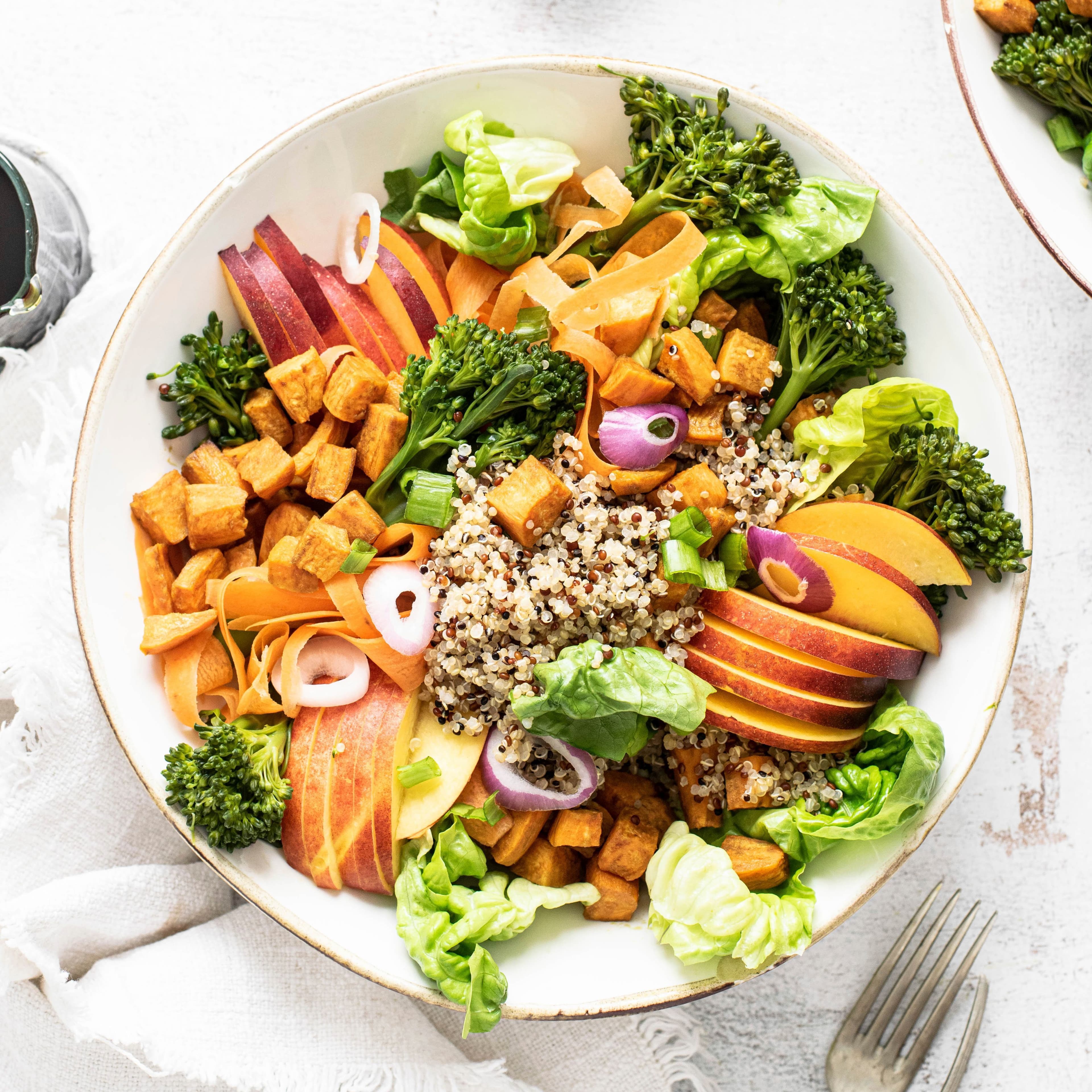
A strong day starts with a stronger breakfast. These protein-rich morning meals are designed to refuel your muscles after early workouts.
High Protein Breakfast Smoothie
Protein per serving: ~20.3 g
This creamy smoothie blends oats, soaked almonds, chia seeds, peanut butter, and fruit. It’s quick, filling, and ideal for busy mornings or post-cardio recovery.
Low Calorie High Protein Avocado & Chickpea Mash Sandwich
Protein per serving: ~7.5 g
A hearty open-faced sandwich made with mashed chickpeas, avocado, and spices. It’s light but nourishing, perfect for breakfast or a mid-morning bite.
Protein per serving: ~11.2 g
Eggs and oats are cooked with onion, sauces, and spices to create a protein-rich, savory breakfast. A wholesome meal that keeps you full longer.
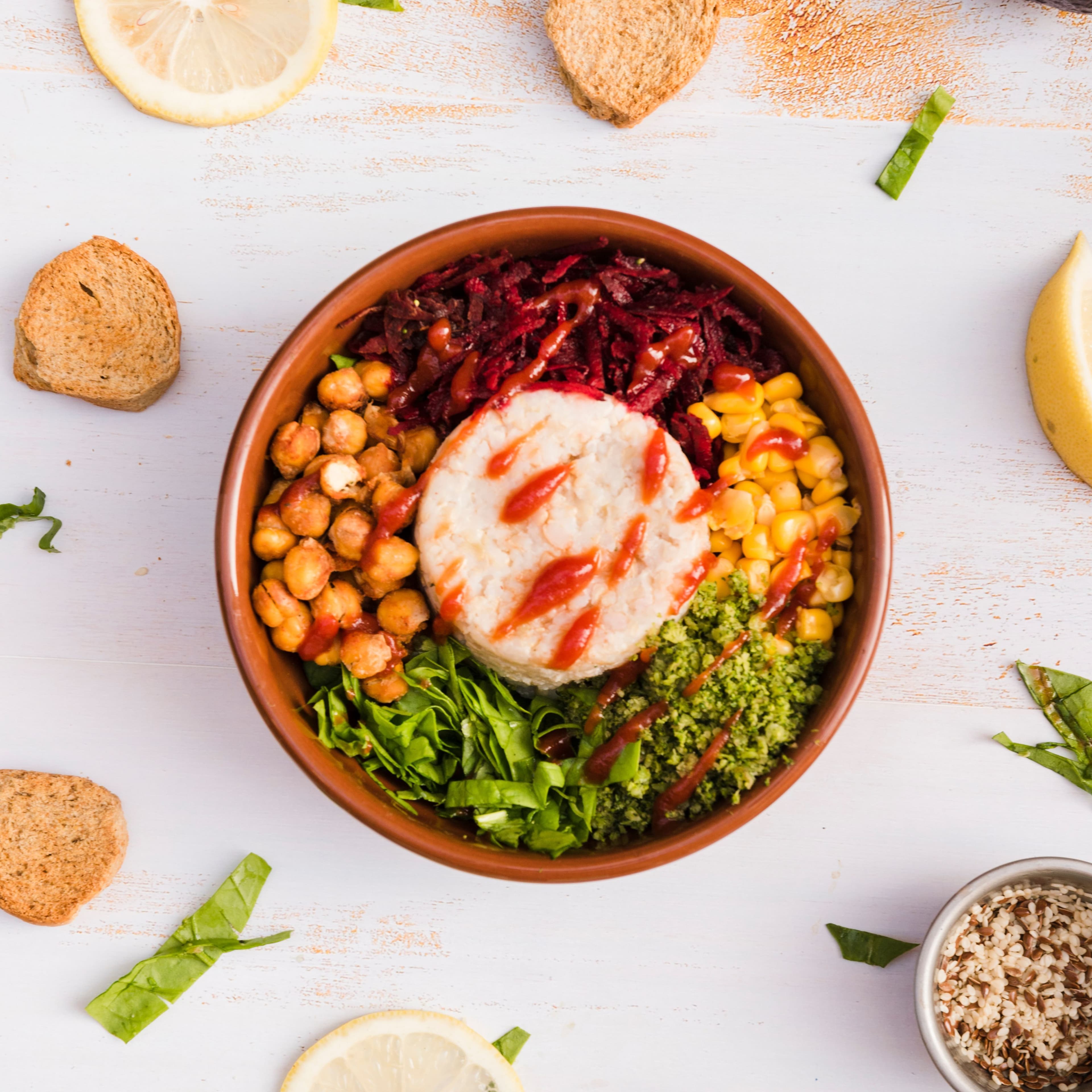
Your midday meal should do more than just fill you up. It should help rebuild the muscles that you broke down during your workout. These lunches are packed with high-quality plant protein and slow-burning carbs to help repair muscles, boost satiety, and maintain steady energy throughout the afternoon.
Protein per serving: ~14 g
Marinated paneer, cashew cream, and crunchy veggies wrapped in a whole-wheat roll. Easy to pack, reheat, or eat fresh for lunch on-the-go.
Protein per serving: ~13 g
Kidney beans, peanuts, crunchy cucumbers, and curd dressing make this a vibrant, tangy salad. A cooling, protein-loaded option for warm days.
Black-Eyed Bean High Protein Salad
Protein per serving: ~16.7 g
This salad mixes quinoa, black-eyed beans, veggies, and yogurt for a colorful and complete plant-protein lunch. Great for meal prep too.
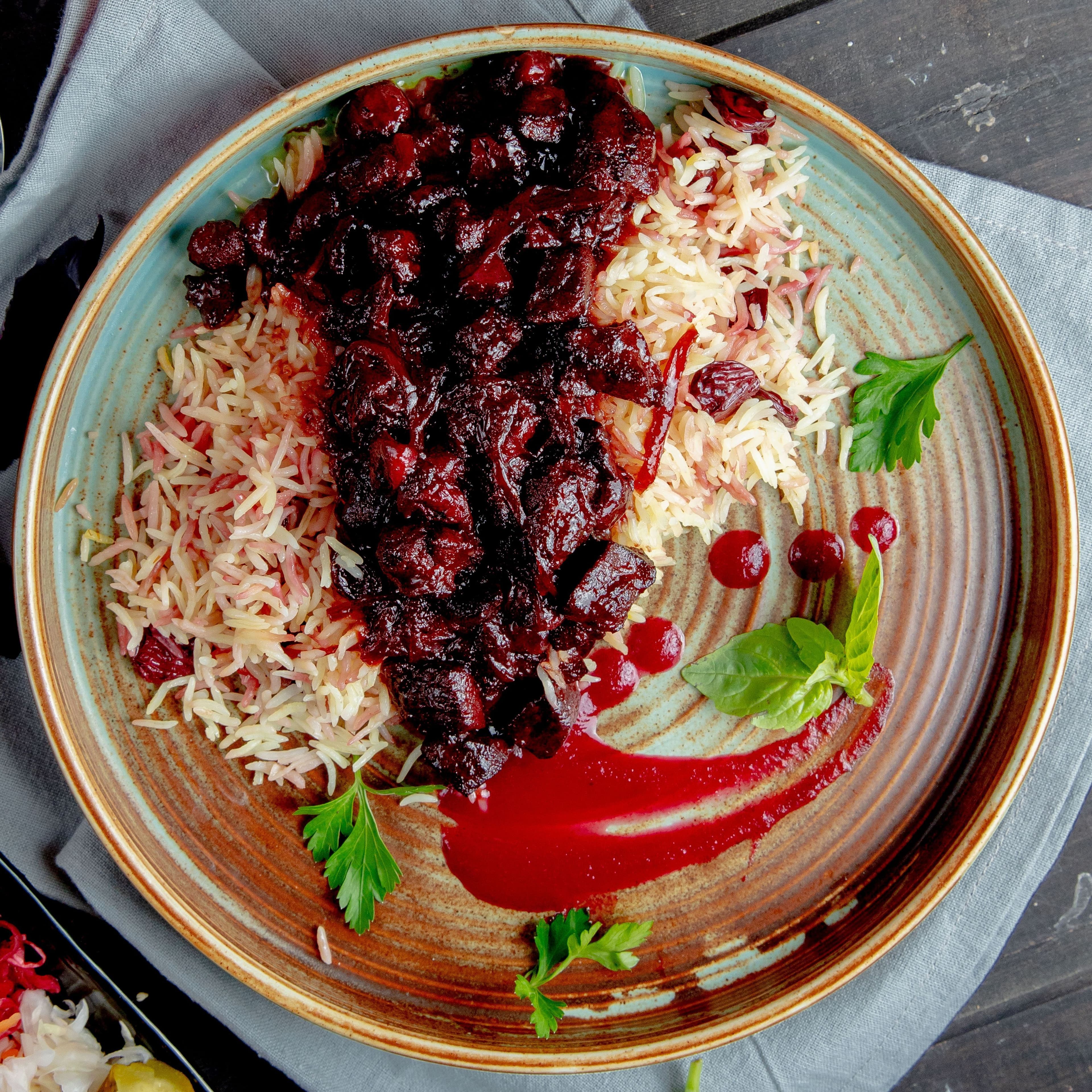
Evening meals are your opportunity to replenish, relax, and provide your body with what it needs to recover overnight. These protein-rich dinners balance protein, fiber, and healthy fats to nourish muscles and set you up for the next day without weighing you down.
Protein per serving: ~10 g (per serving of multiple tikkis)
Made with chana dal, soya chunks, and herbs, these tikkis are crisp outside and soft inside. Pair with green chutney or curd for a comforting dinner.
Protein per serving: ~11.3 g
Soya chunks are simmered with spiced potatoes in this classic Indian curry. A great source of plant protein and fiber, especially with roti or rice.
Protein per serving: ~37.5 g
Black urad dal vadas fried until crisp—perfect as a hearty dinner or shared evening meal. Add a side of sambar or chutney for extra depth.
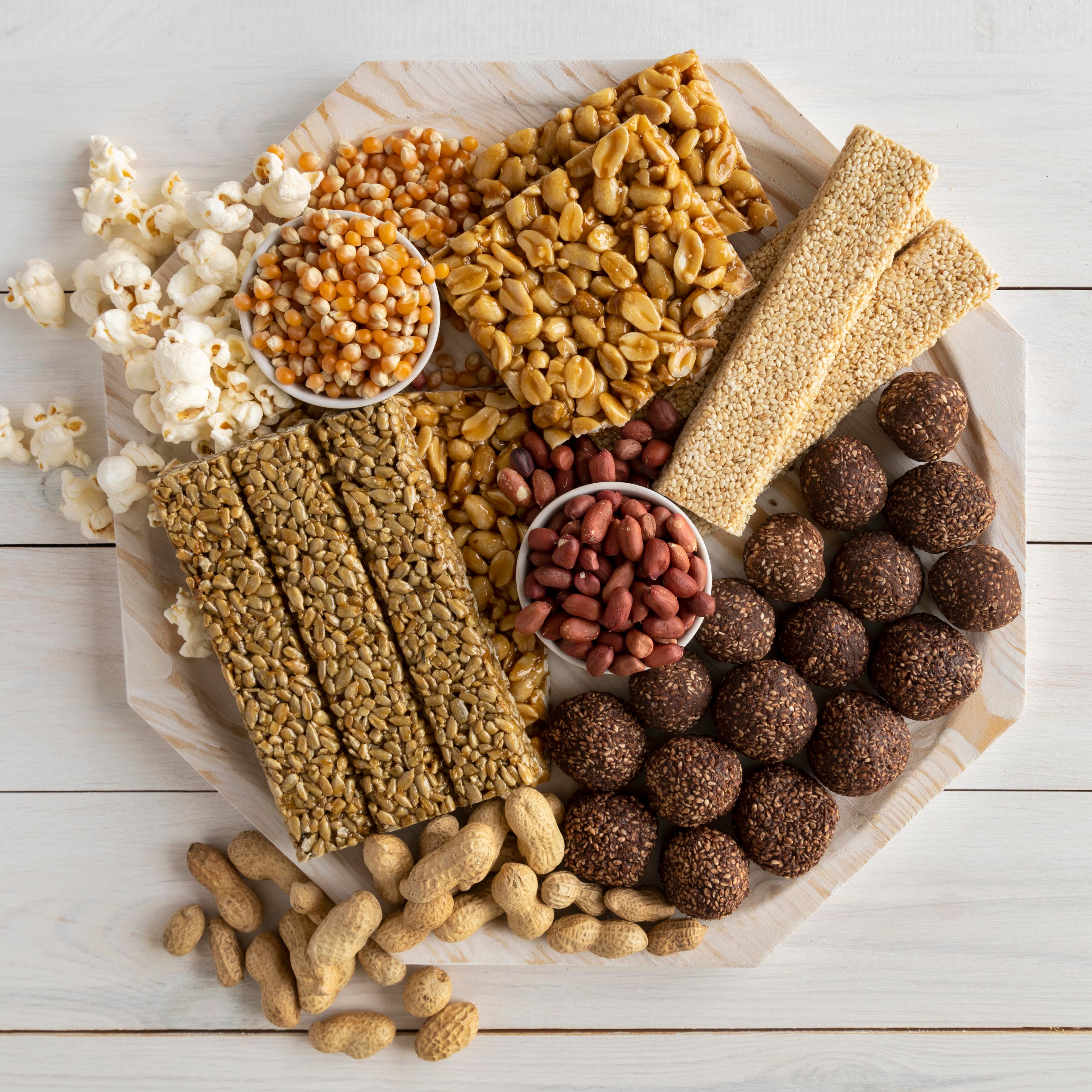
Forget empty-calorie fillers. These quick, protein-rich snacks are easy to make and perfect for on-the-go use.
Protein per serving: ~10 g
Also great as a quick snack. Batch-prep these savory patties and reheat them as needed.
Protein per serving: ~14 g
Doubles up as a quick snack. The paneer filling offers a good mix of fat and protein to curb hunger.
Protein per serving: ~22.5 g
This is not your average buttermilk. It uses curd blended with roasted chana protein powder—refreshing, cooling, and very filling.
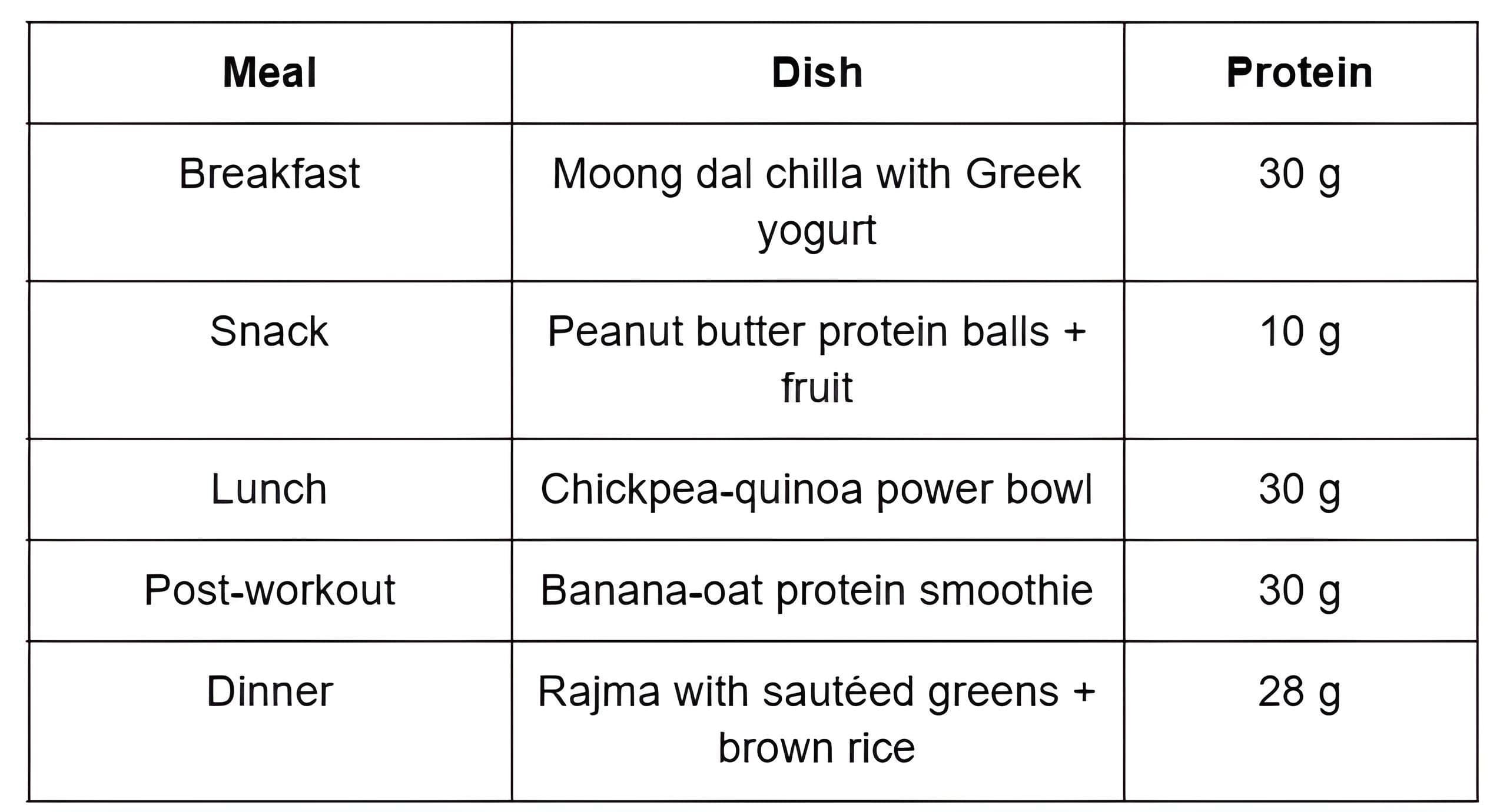
Cook legumes, grains, and curries in bulk to mix and match across meals for variety. Add snacks and smoothies around your workout for optimal muscle recovery.
Q1. Can vegetarians really build muscle like meat-eaters? A1. Yes. Research shows vegetarian athletes can meet protein needs and support lean mass development by combining diverse sources like legumes, soy, dairy, and grains.
Q2. What if I’m dairy-free or vegan?
A2. Go for tofu, tempeh, lentils, edamame, quinoa, and plant-based protein powders. Focus on variety for complete amino acid intake.
Q3. Is protein combining necessary at every meal?
A3. Not always. As long as you consume various protein sources throughout the day, your body efficiently stores and combines amino acids.
Q4. Can you have too much protein? A4. Yes, too much protein can lead to weight gain, digestive issues, and kidney strain, especially if you have pre-existing conditions. Most active adults don’t need more than 2.2 grams per kilogram of body weight daily.
Building muscle and staying fueled at the gym doesn’t mean you need to rely on a meat-based diet. With the right high-protein vegetarian meals, you can nourish your body, boost recovery, and feel stronger with every workout.
The recipes shared here are more than just meatless alternatives. They’re balanced, flavor-packed, and designed with real gym lovers in mind. Whether you're prepping for a tough training session or simply want to feel more energized throughout the day, these meals prove that plant-based nutrition can be just as powerful.
Updated on 24 Jul 2025
Save recipes from anywhere, and get answers, swaps, and help as you cook.

