We use cookies on this website to ensure its proper functioning and to improve the quality of our services. Cookie Policy

Tags and nutritional info are auto-generated and may be inaccurate. Always check the full ingredient list before cooking.


Rinse the sabudana thoroughly and soak it in 150 ml water for 3 to 4 hours until soft and plump.
Toast the raw peanuts until slightly charred. Remove the skins by crushing them with your hands.

Grind the peeled peanuts and green chillies into a coarse powder. Adjust the number of chillies to your spice preference.

Mix the peanut chilli powder well with the soaked sabudana.

Heat ghee in a kadhai over medium heat. Add the jeera and curry leaves and let them splutter.

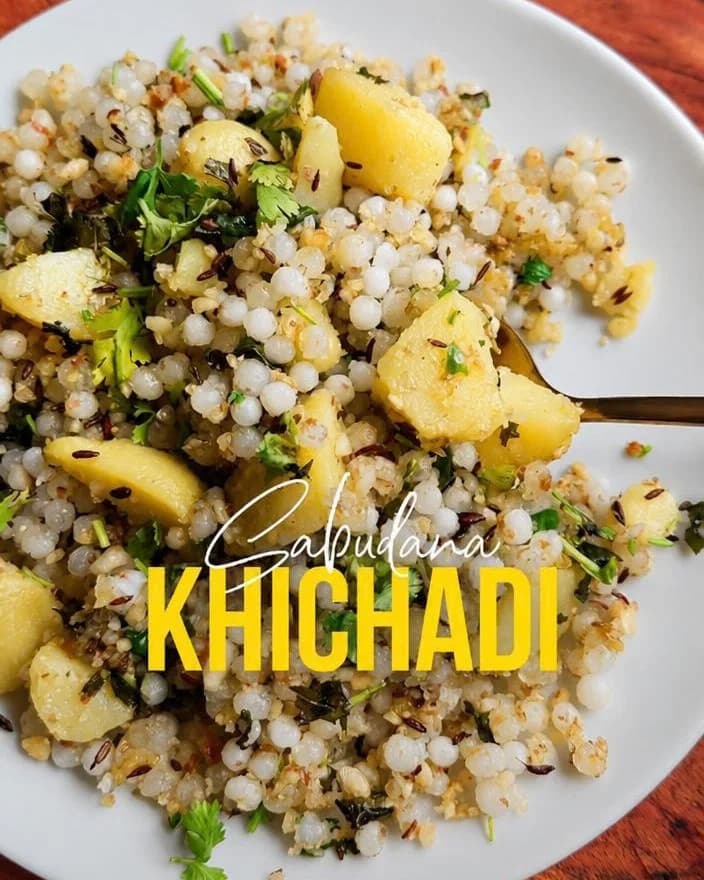
Add the boiled, cubed potatoes and roast until slightly golden.

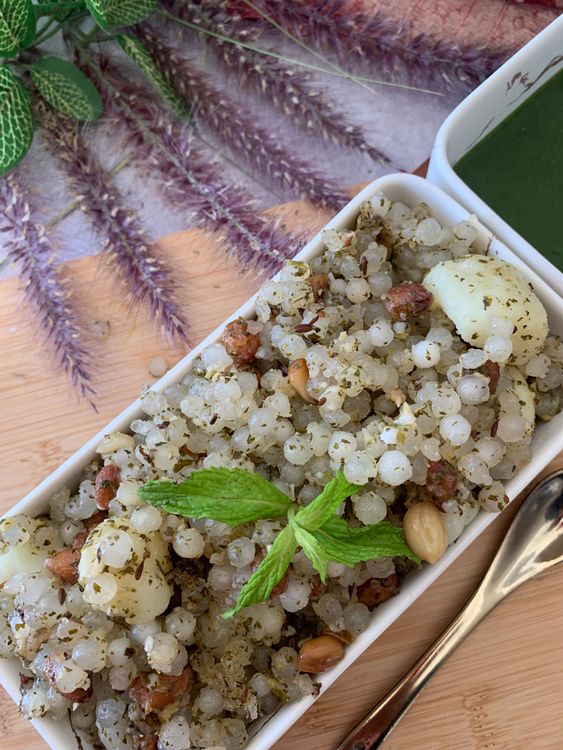
Add the sabudana-peanut mixture to the kadhai. Season with salt and mix everything gently.

Once the sabudana pearls start turning translucent, cover the kadhai and cook for 4 to 5 minutes.
Garnish with freshly chopped coriander and a squeeze of lemon juice.

Serve hot with a side of curd.

Want to keep this recipe for later? We can email it to you!
Adjust the number of green chillies based on your spice preference.
Ensure the sabudana is soaked properly to avoid it becoming sticky during cooking.
How do I prevent sabudana from becoming sticky?
Make sure to rinse the sabudana thoroughly and soak it with just enough water to cover it. This helps in keeping the pearls separate.
Can I use oil instead of ghee?
Yes, you can substitute ghee with oil, but ghee adds a richer flavor to the dish.
What can I serve with Sabudana Khichadi?
It is traditionally served with a side of curd and lemon wedges.
Can I make Sabudana Khichadi ahead of time?
It's best enjoyed fresh, but you can prepare the ingredients in advance and cook it just before serving.
Is Sabudana Khichadi gluten-free?
Yes, Sabudana Khichadi is naturally gluten-free.
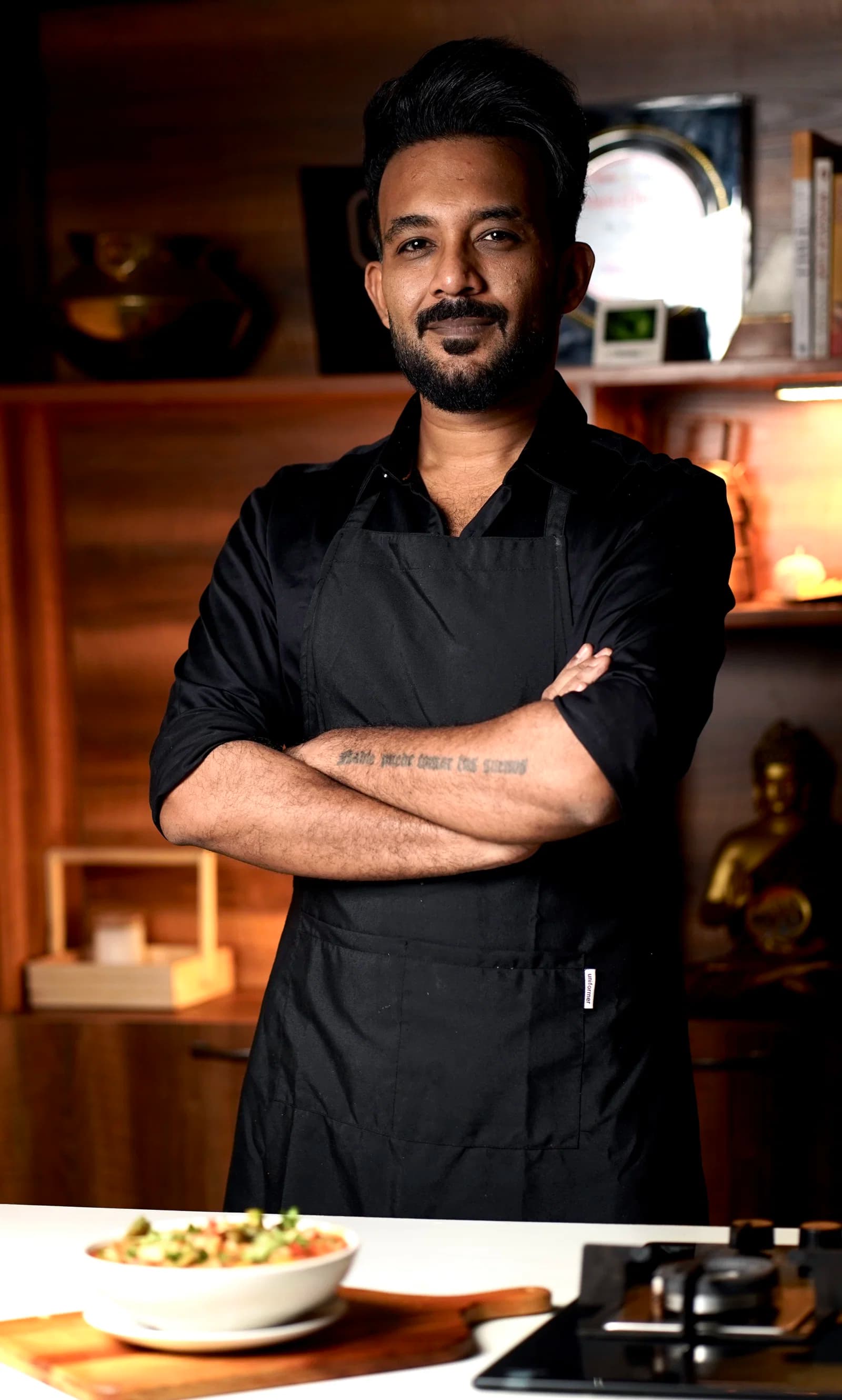
I’m Parichay, a food creator, recipe developer and the person behind Bhukkad in Town. For me, food has always been more than just a recipe. I grew up around Nepal and later made Chandigarh home, so a lot of the way I cook comes from memories, places I’ve travelled to, food I’ve eaten and the people I’ve shared it with. My cooking moves between comforting Indian food, regional recipes, street-food nostalgia and the occasional experiment that starts with, “What if we did this instead?” I love understanding why a dish tastes the way it does, simplifying it for a home kitchen, and then telling the story that made me want to cook it in the first place. Because eventually, the recipe tells you how to make the food. The story tells you why you might want to.
...