We use cookies on this website to ensure its proper functioning and to improve the quality of our services. Cookie Policy
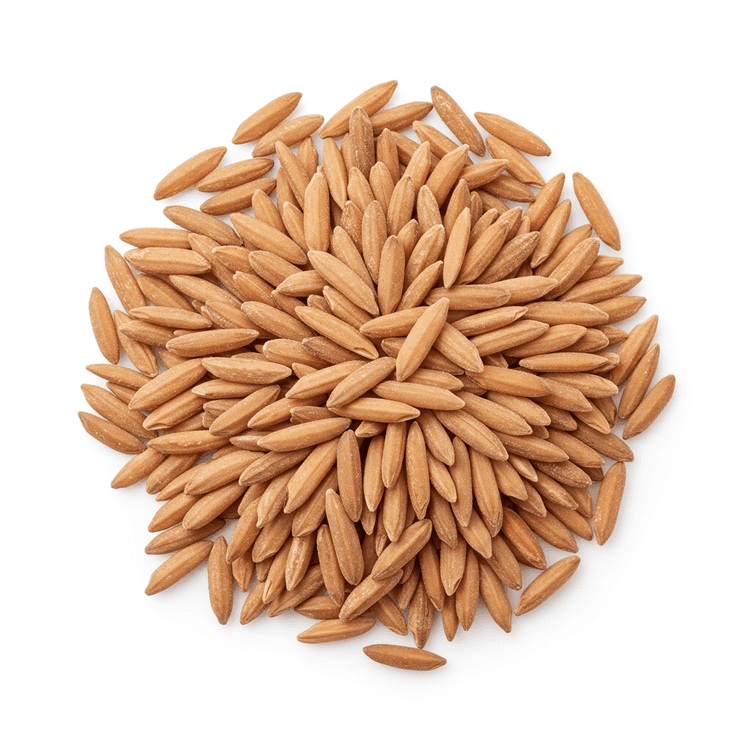
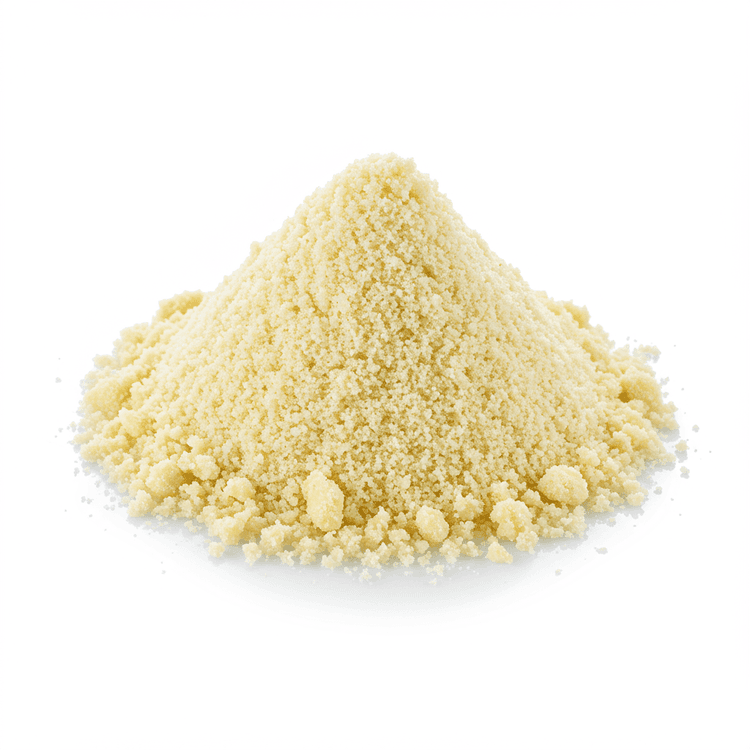
Rice bran is the nutrient-rich outer layer of the rice grain, separated during the milling process. This finely textured powder boasts a subtly nutty and slightly sweet flavor. Its color ranges from light tan to reddish-brown. As a versatile and increasingly popular ingredient, rice bran is valued for its nutritional benefits and culinary applications. Explore rice bran for gluten-free baking, adding fiber to smoothies, or as a coating for fried foods.
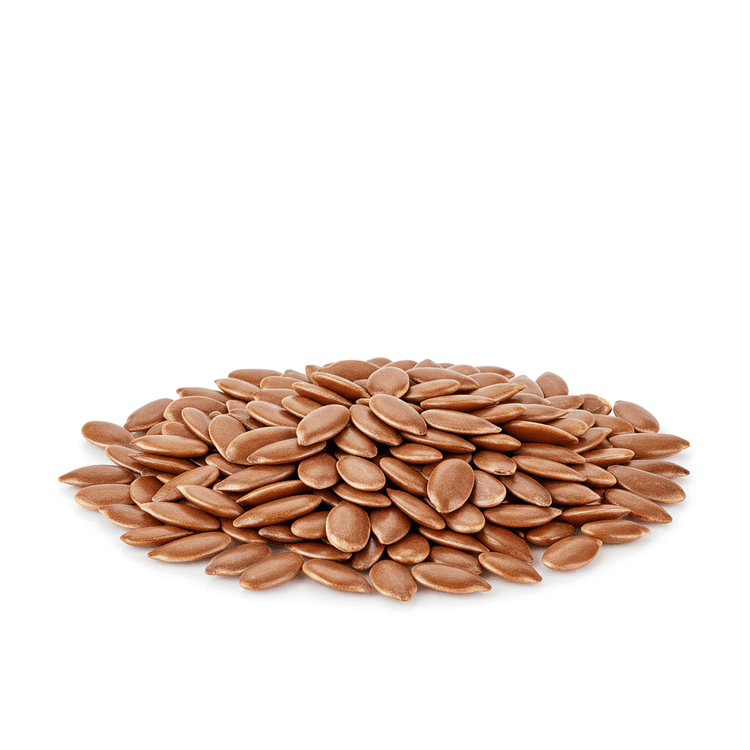
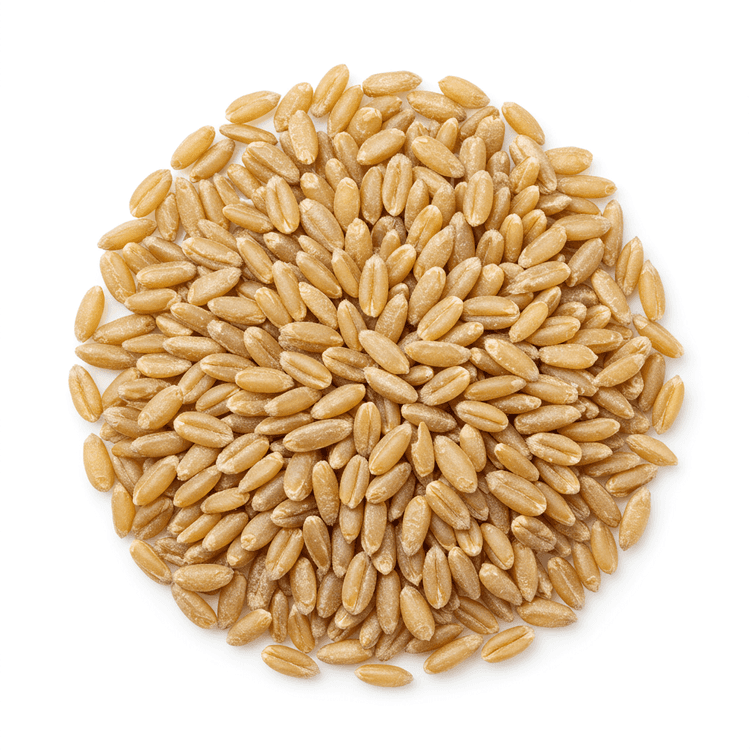
If you've never tasted rice bran on its own, think of toasted grain crossed with a whisper of nuttiness — mellow, a little sweet, never bitter the way some brans can be. That gentleness is exactly why it slips so easily into everyday cooking. It doesn't announce itself the way flaxseed or wheat bran might; instead it rounds out the background flavor of a muffin or a bowl of porridge and leaves behind a pleasant, cereal-like warmth. Because it's milled so fine, it also blends smoothly rather than turning gritty, which is a real advantage in drinks and batters.
As a byproduct of rice milling, rice bran is naturally gluten-free, which makes it a friendly pantry staple for anyone baking without wheat. It's plant-based and vegan, and while it's carbohydrate-rich and not a strict keto ingredient, its high fiber content means the net carbs land lower than the total on the label. Whether you're stirring it into breakfast or dredging fish for the pan, a little goes a long way toward adding body, fiber, and that quiet nutty note.
Save recipes from anywhere, and get answers, swaps, and help as you cook.


Available now for early access users.