Fiber, often hailed as the unsung hero of nutrition, is much more than just a digestive aid. It's a crucial component of a balanced diet, offering a wealth of health benefits that extend far beyond gut regularity. Think of fiber as the structural backbone of plant-based foods, the indigestible parts that provide bulk and contribute to overall well-being. This essential nutrient is primarily found in fruits, vegetables, whole grains, and legumes.
One of the most well-known benefits of fiber is its role in promoting healthy digestion. By adding bulk to the stool, fiber helps to prevent constipation and promote regular bowel movements. But its benefits go even deeper. Soluble fiber, found in foods like oats, apples, and beans, dissolves in water to form a gel-like substance in the digestive tract. This gel slows down the absorption of sugar, helping to regulate blood sugar levels and potentially reducing the risk of type 2 diabetes. Insoluble fiber, abundant in wheat bran, vegetables, and whole grains, doesn't dissolve in water. Instead, it adds bulk to the stool, helping it pass more quickly through the digestive system. This can prevent constipation and may even reduce the risk of colon cancer.
Beyond digestive health and blood sugar control, fiber plays a significant role in heart health. Soluble fiber can help lower LDL (bad) cholesterol levels by binding to cholesterol in the digestive tract and preventing its absorption into the bloodstream. A diet rich in fiber can also contribute to weight management. High-fiber foods tend to be more filling than low-fiber foods, which can help you feel satisfied with smaller portions and reduce overall calorie intake. This feeling of fullness can also help control cravings and prevent overeating, making fiber a valuable tool for anyone trying to maintain a healthy weight.
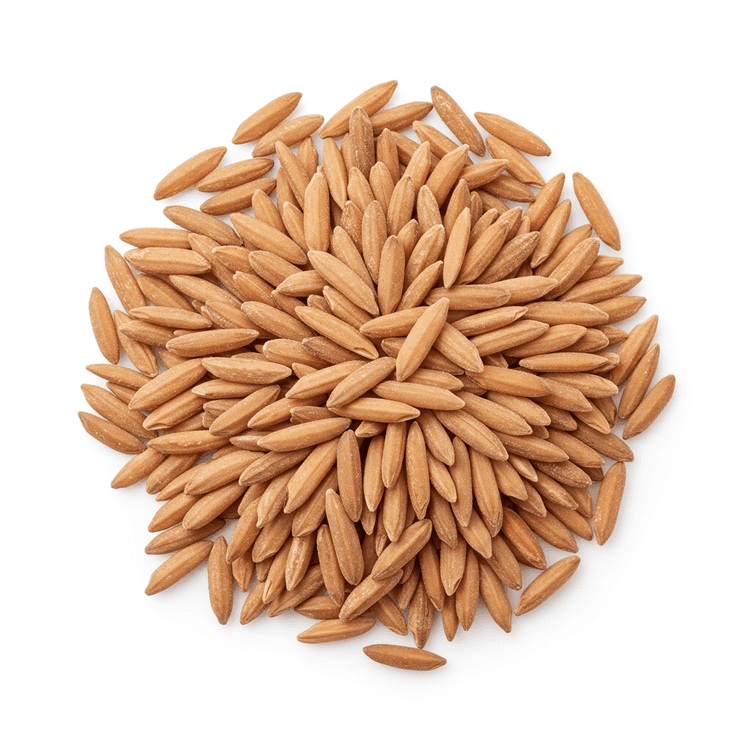
Fiber-rich foods are incredibly versatile in the kitchen. Whole grains like quinoa, brown rice, and oats are the base for many healthy and delicious meals. Vegetables, whether roasted, steamed, or stir-fried, add both fiber and essential nutrients to any dish. Fruits, enjoyed fresh or incorporated into smoothies and baked goods, provide a sweet and fiber-packed treat. Legumes, such as beans, lentils, and chickpeas, are a nutritional powerhouse, offering a substantial dose of fiber and protein. Popular dishes featuring fiber-rich ingredients include lentil soup, oatmeal with berries and nuts, whole-wheat pasta with vegetables, and salads loaded with leafy greens, beans, and crunchy vegetables.
The importance of fiber in a balanced diet cannot be overstated. It contributes to digestive health, blood sugar control, heart health, and weight management. By incorporating a variety of fiber-rich foods into your daily meals, you can reap the numerous health benefits and promote overall wellness. Aim for a daily intake of at least 25-30 grams of fiber from a variety of sources to optimize your health. Prioritizing fiber is a simple yet effective strategy for supporting a healthy and vibrant life. So, embrace the power of fiber and make it a cornerstone of your nutritional journey. ||
Fiber Source are an essential part of a healthy diet, providing a wide range of nutrients and health benefits. Explore our collection of fiber source ingredients.