Vinegar, more than just a tangy condiment, is a versatile ingredient with a fascinating history and surprising health benefits. Derived from the French "vin aigre" meaning "sour wine," vinegar is created through the fermentation of carbohydrates, resulting in acetic acid, its characteristic component. From the ubiquitous white vinegar to the sophisticated balsamic and fruity varieties, vinegar offers a spectrum of flavors and applications in the kitchen and beyond.
Beyond its culinary uses, vinegar boasts a range of health-promoting properties. Many types of vinegar, especially apple cider vinegar (ACV), are celebrated for their potential to support healthy blood sugar levels. Studies suggest that consuming ACV before meals may improve insulin sensitivity and reduce postprandial glucose spikes, making it a valuable addition to the diets of individuals managing blood sugar. While more research is needed, some studies indicate vinegar may also play a role in weight management, potentially by increasing satiety and influencing metabolism. ACV contains acetic acid, which may help improve gut health, leading to better digestion and reduced bloating. Some people also use diluted ACV topically to soothe skin irritations and even support healthy hair. However, always dilute vinegar before consumption or topical application, as its acidity can be harsh.
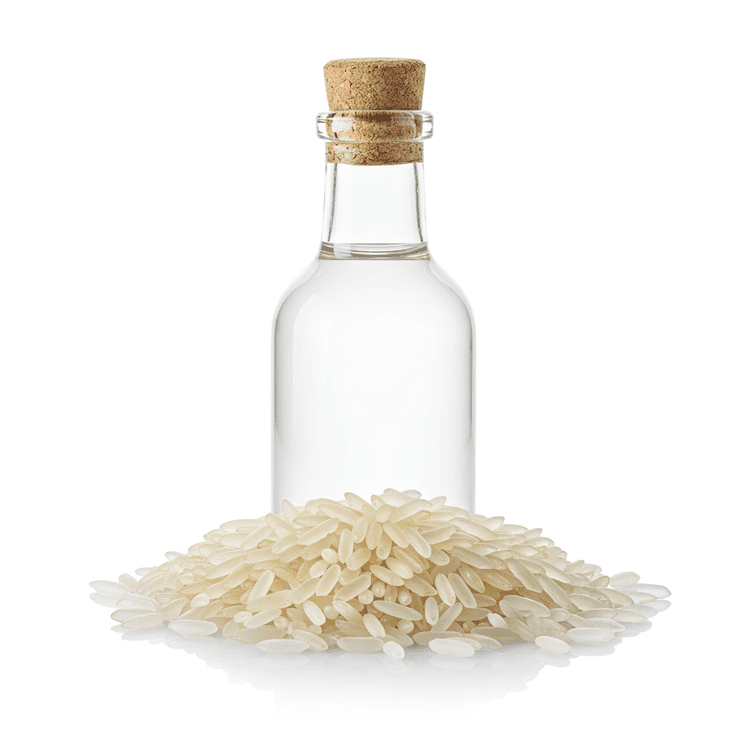
Culinary applications of vinegar are endless. It's a foundational ingredient in salad dressings, marinades, and sauces, adding brightness and complexity to dishes. Balsamic vinegar, aged to perfection, lends a sweet and tangy glaze to roasted vegetables, grilled meats, and even desserts. Rice vinegar is essential for sushi rice, imparting a delicate sweetness and helping the grains bind together. Pickling vegetables is another classic use of vinegar, preserving their crispness and flavor for extended periods. White vinegar, a workhorse in the kitchen, serves as a cleaning agent, a tenderizer for meats, and a key component in baking, reacting with baking soda to create lift and texture.
In a balanced diet, vinegar contributes flavor and complexity without adding excessive calories or sodium (depending on the type and preparation). Its potential health benefits, particularly regarding blood sugar management and gut health, make it a worthy addition to a mindful eating plan. While it's not a magic bullet, incorporating vinegar into your cooking and lifestyle can be a simple and flavorful way to support overall wellness. Remember to choose high-quality vinegars, explore different varieties to discover your favorites, and use them creatively to enhance your meals and improve your health. From apple cider vinegar with its potential health benefits, to white vinegar with its cleaning ability, and balsamic vinegar's rich flavor, there is vinegar out there for everyone.
Always consult with a healthcare professional before making significant dietary changes, especially if you have underlying health conditions or are taking medications. Vinegar should be consumed in moderation, and diluted if necessary, to avoid potential digestive discomfort or enamel erosion. ||
Vinegar are an essential part of a healthy diet, providing a wide range of nutrients and health benefits. Explore our collection of vinegar ingredients.