We use cookies on this website to ensure its proper functioning and to improve the quality of our services. Cookie Policy
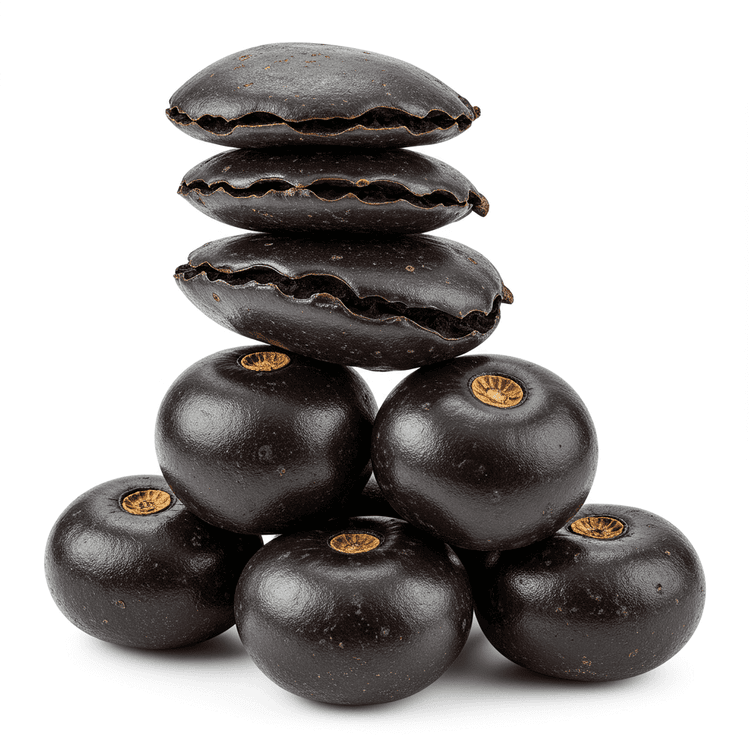
Chinese black vinegar is a dark, intensely flavored vinegar primarily made from fermented rice, although some varieties may include wheat, sorghum, or other grains. Its flavor profile is complex and umami-rich, featuring notes of malt, smoke, and a subtle sweetness that balances its acidity. Compared to white vinegar, it is bolder and less sharp. The most well-known type is Zhenjiang vinegar, known for its glossy, almost black appearance and balanced taste. Its robust flavor adds depth and complexity to many Asian dishes.
If you've never tasted it on its own, expect something closer to a mild balsamic than to the eye-watering tang of distilled white vinegar. There's a rounded, savory quality to it that comes from long fermentation and aging, sometimes in clay pots for months or even years. The best bottles taste smooth rather than harsh, with a woody, slightly molasses-like finish that lingers pleasantly. A little goes a long way, so most cooks reach for teaspoons rather than glugs.
Because it sits somewhere between other aged, dark vinegars in character, it plays well in the same corner of the pantry as balsamic vinegar and rice vinegar. It's a staple across Chinese home kitchens, especially in the south and east, where a splash finishes everything from hot-and-sour soup to a plate of pan-fried dumplings. Once you keep a bottle on hand, it quickly becomes one of those quiet workhorses you reach for again and again.

Save recipes from anywhere, and get answers, swaps, and help as you cook.


Available now for early access users.