We use cookies on this website to ensure its proper functioning and to improve the quality of our services. Cookie Policy
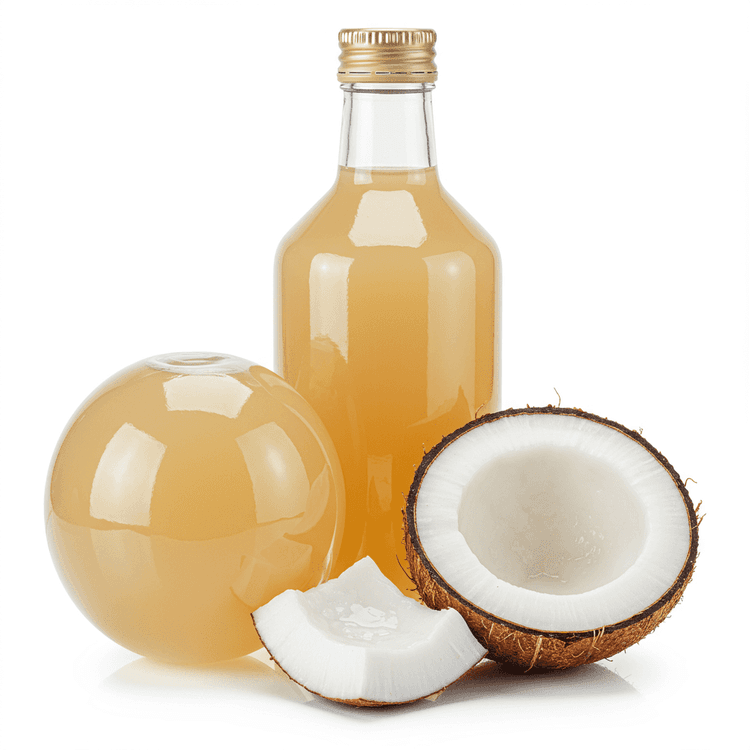
Coconut vinegar is a naturally fermented vinegar crafted from the sap of coconut palm blossoms. It boasts a mildly tangy and slightly sweet flavor profile, much gentler than apple cider vinegar or white vinegar. Its color ranges from a translucent white to a light amber hue. Unlike coconut milk or coconut oil, it doesn't taste strongly of coconut. Many people are seeking it out as a healthy alternative vinegar or for paleo or vegan cooking because of its nutrient content.
If you've never tasted it on its own, expect a soft, rounded acidity with a faintly yeasty, almost cloudy edge — a bit like a very mellow cider vinegar without the fruity punch. That gentleness is exactly why it's so easy to cook with: it brightens a dish without shouting over the other flavors, so you can use a slightly heavier hand than you would with a sharp white vinegar. A staple in Filipino and South Indian kitchens for generations, it's the backbone of dishes like adobo and paksiw, where its quiet tang cuts through rich, fatty meats beautifully.
Because it's fermented rather than distilled, an unfiltered bottle will often carry a hazy sediment or a stringy "mother" — that's a good sign, not spoilage. It's a versatile pantry workhorse that slots into salad dressings, marinades, pickles, and pan sauces, and it swaps in comfortably for other vinegar varieties whenever you want something a touch softer and lightly sweet.

Save recipes from anywhere, and get answers, swaps, and help as you cook.


Available now for early access users.