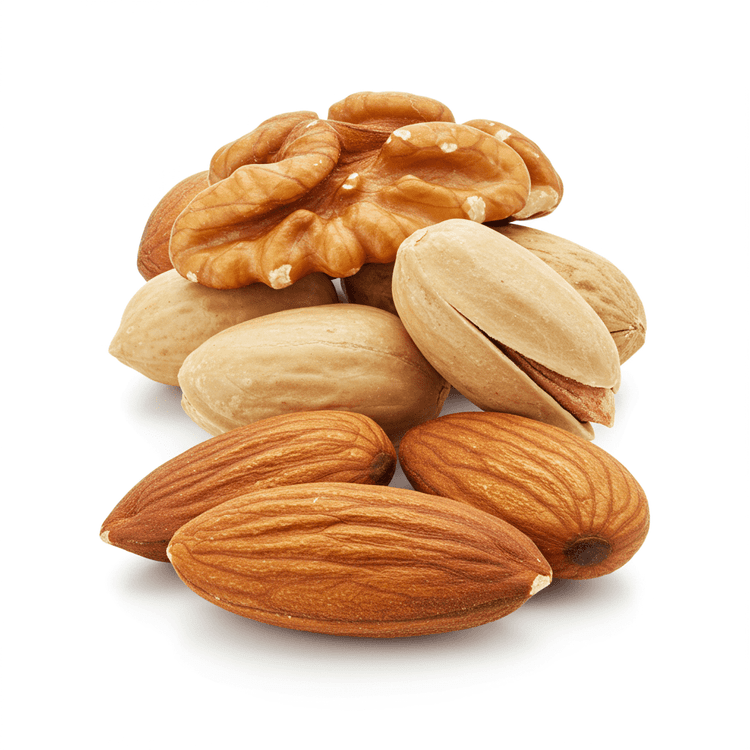
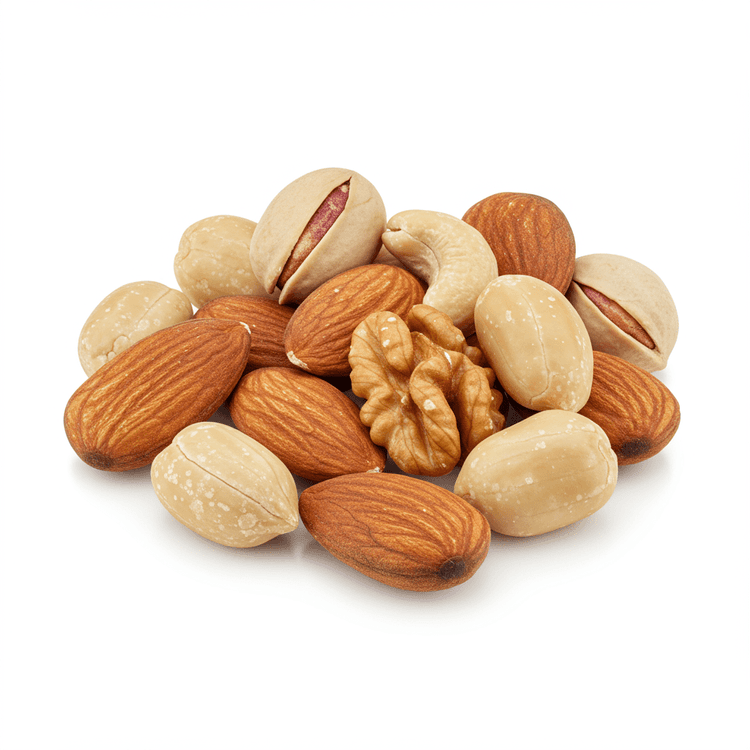
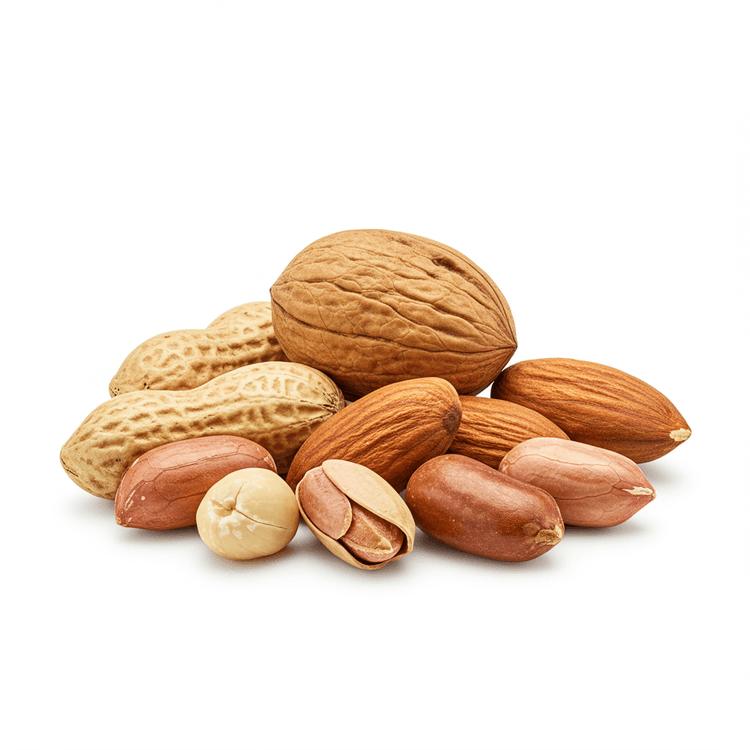
Nuts are nutritional powerhouses packed into small, convenient packages. These edible seeds are celebrated for their versatility in the kitchen and their impressive array of health benefits, making them a valuable addition to any balanced diet. From almonds and walnuts to cashews and pecans, each variety offers a unique nutritional profile, contributing to overall well-being in diverse ways.
One of the most significant advantages of nuts is their healthy fat content. Primarily composed of monounsaturated and polyunsaturated fats, these fats are crucial for heart health, helping to lower bad cholesterol (LDL) and raise good cholesterol (HDL). Walnuts, in particular, are an excellent source of omega-3 fatty acids, essential for brain function, reducing inflammation, and supporting cardiovascular health. Beyond healthy fats, nuts are also a good source of protein, vital for building and repairing tissues, and fiber, promoting digestive health and helping to regulate blood sugar levels. The fiber content also contributes to satiety, making nuts a satisfying snack that can aid in weight management.
Nuts are rich in various vitamins and minerals. Almonds are a notable source of vitamin E, an antioxidant that protects cells from damage and supports immune function. Brazil nuts are exceptionally high in selenium, a mineral crucial for thyroid function and antioxidant defense. Magnesium, found in abundance in cashews and almonds, plays a vital role in muscle and nerve function, blood sugar control, and blood pressure regulation. Furthermore, nuts contain antioxidants like flavonoids and phenolic acids, which combat oxidative stress and may reduce the risk of chronic diseases such as heart disease, cancer, and Alzheimer's disease.
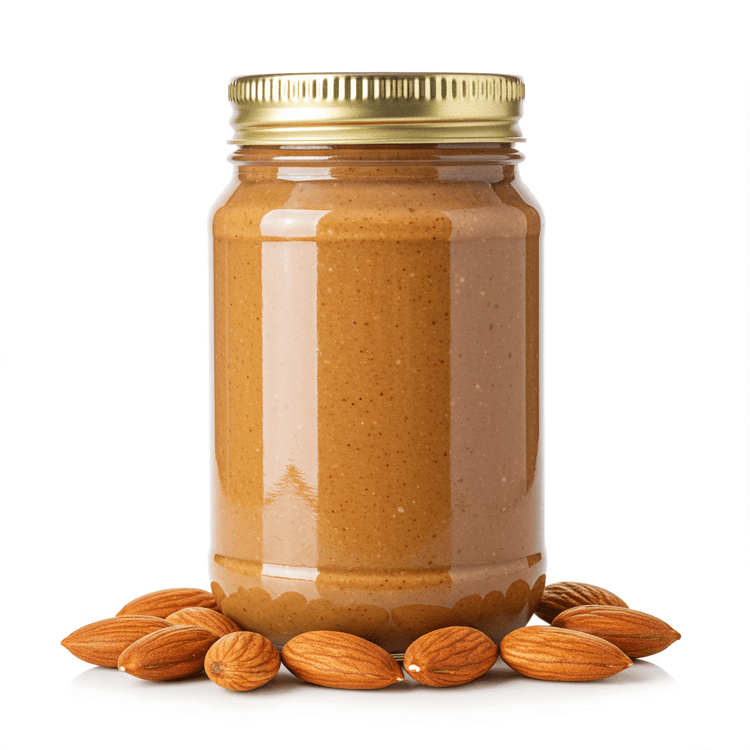
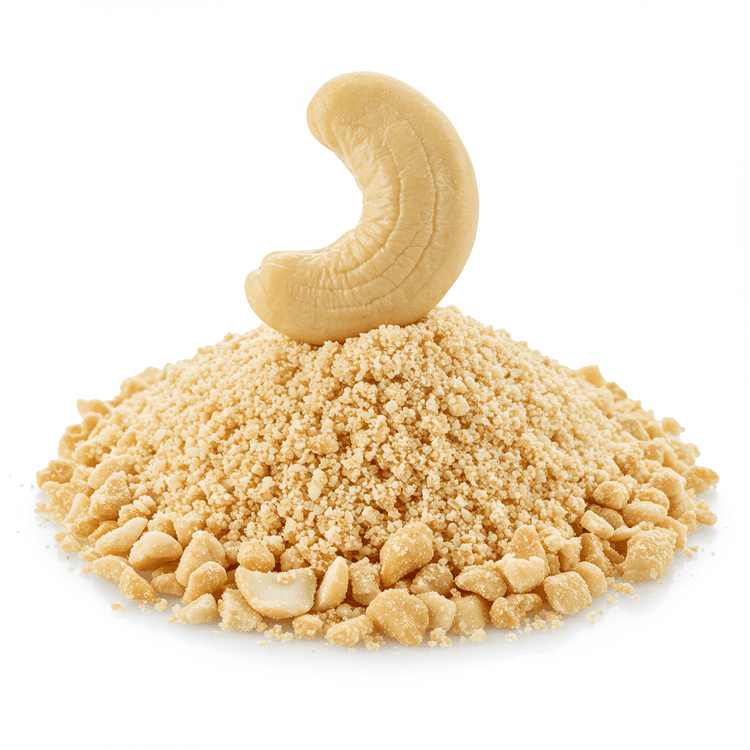
In the culinary world, nuts are incredibly versatile. They can be enjoyed as a standalone snack, added to salads for a satisfying crunch, or incorporated into baked goods for added texture and flavor. Almonds are frequently used in marzipan and almond flour, while walnuts are a classic addition to brownies and banana bread. Cashews are often found in stir-fries and creamy sauces, and pecans are a staple in pies and pralines. Nuts can also be transformed into nut butter, a spreadable delight that provides a healthy dose of fats and protein. Roasting nuts enhances their flavor and aroma, making them even more appealing.
Consuming a variety of nuts as part of a balanced diet is an excellent way to support overall health and wellness. Their combination of healthy fats, protein, fiber, vitamins, minerals, and antioxidants makes them a nutritional powerhouse. While nuts are calorie-dense, their satiating properties and nutrient richness make them a valuable addition to a healthy eating plan. Incorporating a handful of nuts into your daily routine can contribute to improved heart health, brain function, and overall vitality. Choose unsalted and unflavored varieties to maximize the health benefits and minimize added sodium or sugars. From simple snacking to elaborate culinary creations, nuts offer a delicious and nutritious way to nourish your body. ||
Nuts are an essential part of a healthy diet, providing a wide range of nutrients and health benefits. Explore our collection of nuts ingredients.