Exploring Meat Substitutes: A Guide to Plant-Based Protein
In today's health-conscious world, meat substitutes are gaining immense popularity as a delicious and nutritious way to reduce meat consumption. These innovative products offer a range of options, from plant-based burgers and sausages to tofu, tempeh, and seitan, all designed to mimic the texture and flavor of meat while providing valuable nutrients.
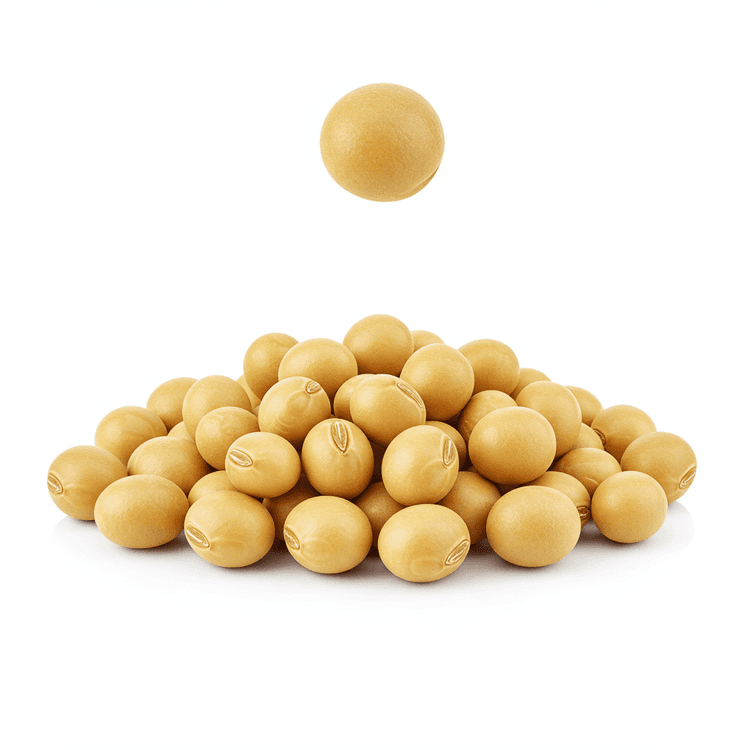
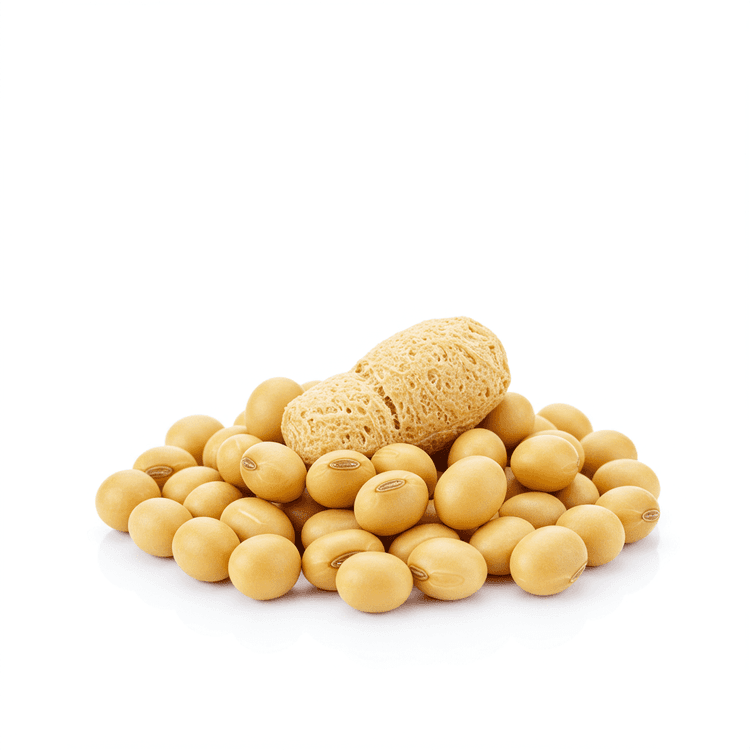
One of the primary benefits of incorporating meat substitutes into your diet is the boost in plant-based protein. Protein is crucial for building and repairing tissues, supporting immune function, and maintaining overall health. Meat substitutes often derive their protein from sources like soybeans (tofu, tempeh), legumes (beans, lentils), grains (quinoa), or even fungi (mycoprotein). These sources offer a complete protein profile, or can be combined to achieve essential amino acid intake.
Beyond protein, meat substitutes can be rich in fiber, vitamins, and minerals. Tofu, for instance, is a good source of iron, calcium, and manganese. Tempeh, a fermented soybean product, boasts probiotic benefits, contributing to gut health. Many meat substitutes are also fortified with Vitamin B12, a nutrient typically found in animal products and essential for nerve function and red blood cell production. Furthermore, plant-based alternatives are typically lower in saturated fat and cholesterol compared to traditional meat options, promoting cardiovascular health.
From a culinary perspective, meat substitutes are incredibly versatile. Tofu can be stir-fried, baked, grilled, or crumbled into scrambles. Tempeh adds a nutty flavor and firm texture to sandwiches and salads. Seitan, with its chewy consistency, is excellent in stir-fries and as a meat alternative in fajitas. Plant-based burgers and sausages are readily available for grilling or pan-frying, offering a familiar and satisfying meal option. Popular dishes featuring meat substitutes include vegetarian chili, lentil shepherd's pie, tofu pad thai, and tempeh tacos. The possibilities are endless, allowing for creative and delicious plant-forward meals.
Incorporating meat substitutes into a balanced diet is vital for several reasons. It reduces reliance on animal products, contributing to a more sustainable food system. It provides a source of protein and other essential nutrients without the high levels of saturated fat and cholesterol found in some meats. Moreover, it opens up opportunities to explore new flavors and textures, expanding your culinary horizons. By strategically including a variety of meat substitutes, you can create meals that are both nutritious and environmentally conscious, promoting overall wellness and contributing to a healthier planet. Making informed choices about the specific ingredients and processing methods used in meat substitutes is also important. Look for options with minimal processing, lower sodium content, and a diverse range of nutrients to maximize the health benefits. ||
Meat Substitute are an essential part of a healthy diet, providing a wide range of nutrients and health benefits. Explore our collection of meat substitute ingredients.