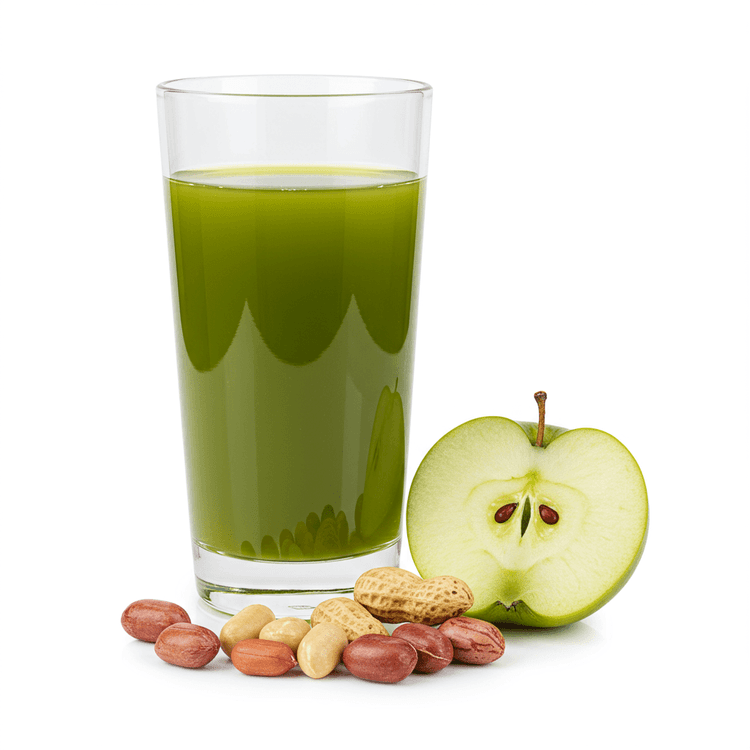
The Vibrant World of Juice: A Liquid Elixir of Health and Flavor
Juice, the vibrant extract derived from fruits and vegetables, offers a delicious and convenient way to boost your nutritional intake. From the tangy zest of citrus fruits to the earthy sweetness of root vegetables, the world of juice is as diverse as the produce it originates from. Beyond its refreshing taste, juice is packed with essential vitamins, minerals, and antioxidants that contribute to overall health and well-being. It's a quick and accessible method to consume nutrients that might otherwise be missed in a regular diet, particularly for those who struggle to meet their daily recommended servings of fruits and vegetables.
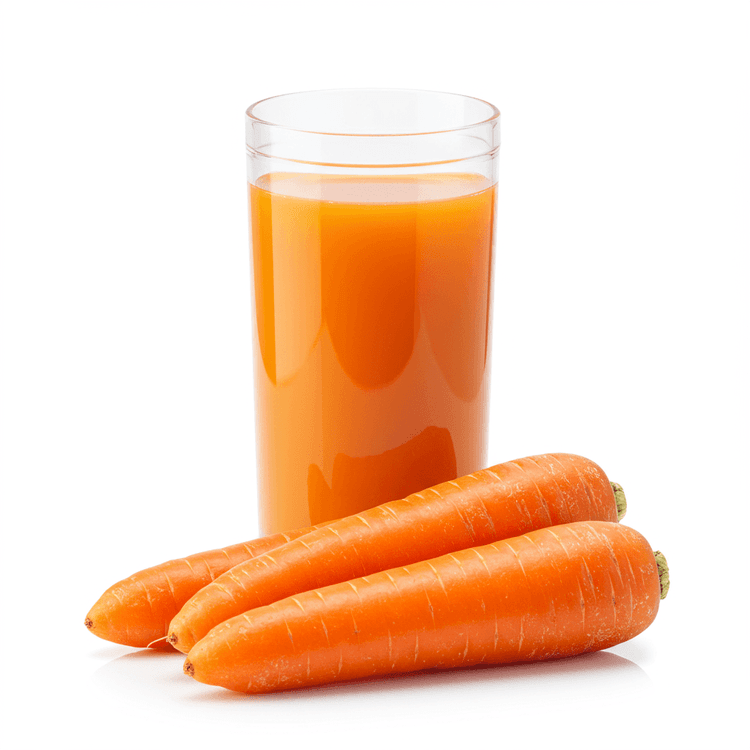
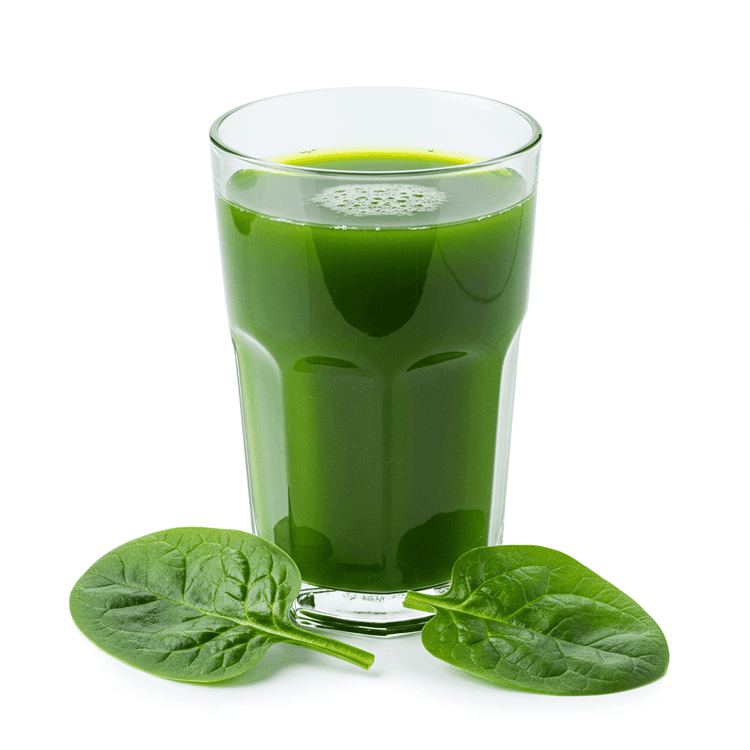
One of the primary benefits of incorporating juice into your diet is its high concentration of vitamins. Orange juice, for example, is renowned for its Vitamin C content, a powerful antioxidant that supports immune function and collagen production. Green juices, often featuring leafy greens like spinach and kale, are rich in Vitamin K, crucial for blood clotting and bone health. Carrot juice is a fantastic source of beta-carotene, which the body converts into Vitamin A, essential for vision, skin health, and immune function. The specific vitamin profile varies based on the fruits and vegetables used, allowing you to tailor your juice choices to address specific nutritional needs.
Juices are also abundant in minerals. Potassium, vital for maintaining healthy blood pressure and muscle function, is found in significant quantities in tomato and prune juice. Magnesium, important for enzyme function and energy production, can be obtained from green juices containing spinach or kale. The natural sugars in fruit and vegetable juices provide a quick source of energy, making them a popular choice for athletes and those needing a mid-day pick-me-up. Furthermore, the antioxidants present in many juices, such as flavonoids and polyphenols, help protect the body against cell damage caused by free radicals, reducing the risk of chronic diseases like heart disease and cancer.
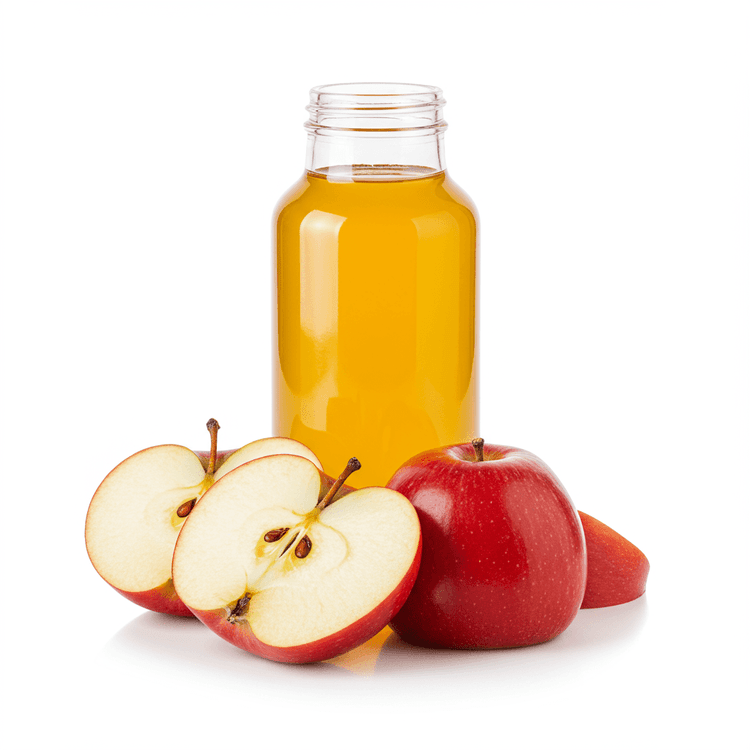
In the culinary realm, juice serves as a versatile ingredient. It can be enjoyed on its own as a refreshing beverage, added to smoothies for an extra nutritional boost, or used as a base for cocktails and mocktails. Juice can also be incorporated into cooking, adding flavor and moisture to sauces, marinades, and baked goods. Apple juice, for example, can tenderize meat and add sweetness to savory dishes. Tomato juice is a key ingredient in many soups, stews, and sauces, while citrus juices brighten up salads and seafood dishes.
Incorporating juice into a balanced diet can contribute significantly to overall wellness. While whole fruits and vegetables offer the added benefit of fiber, juice provides a concentrated dose of nutrients in an easily digestible form. It's especially beneficial for individuals with digestive issues or those who have difficulty chewing or swallowing. However, it's crucial to be mindful of the sugar content in some juices, particularly those that are heavily processed or contain added sugars. Opting for freshly squeezed juice or choosing juices with no added sugar is a healthier alternative. By thoughtfully selecting and incorporating juice into your daily routine, you can harness its potent nutritional benefits and enjoy the delicious flavors it has to offer, enriching your diet and promoting a healthier lifestyle. Remember to prioritize whole fruits and vegetables as the primary source of your daily nutritional needs and use juice as a supplementary and convenient source of vitamins and minerals. ||
Juice are an essential part of a healthy diet, providing a wide range of nutrients and health benefits. Explore our collection of juice ingredients.