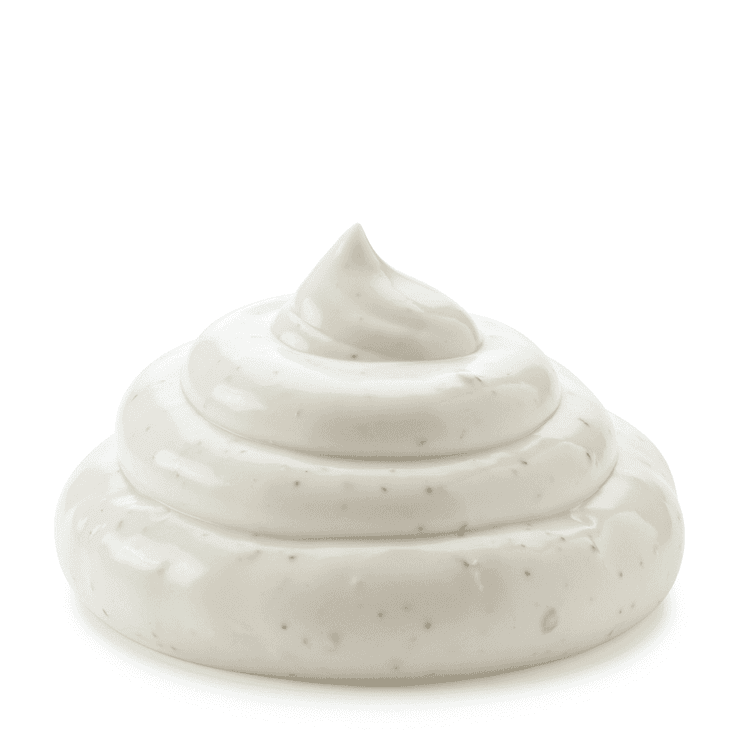
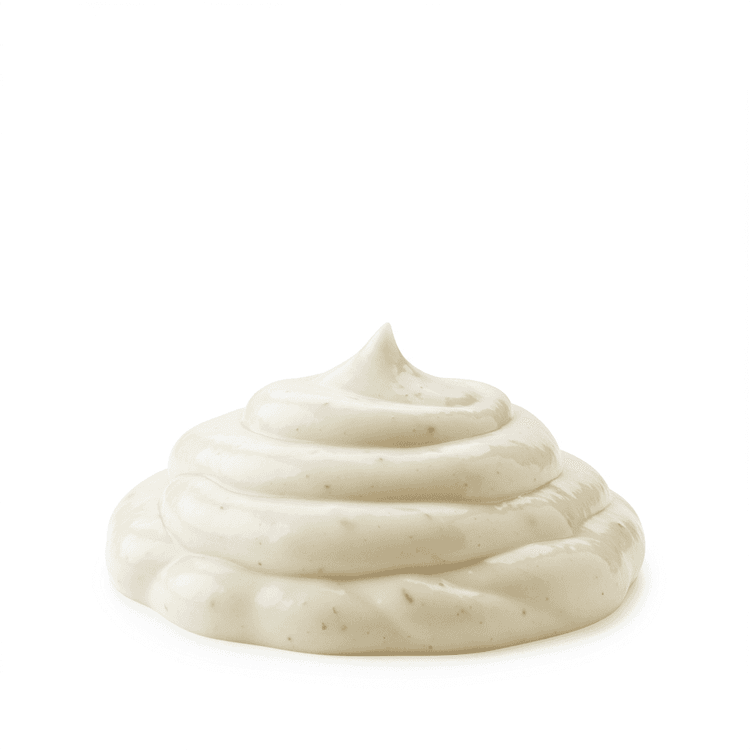
Dressings, often the final flourish on salads, grain bowls, and even grilled meats, can be more than just flavor enhancers; they can be surprisingly nutritious contributors to a balanced diet. While often perceived as a source of added fats and calories, understanding the composition and choosing wisely can transform dressings into a vehicle for essential nutrients and health benefits. The key lies in the ingredients.
Many dressings are oil-based, providing a source of healthy fats. Olive oil, a common base, is rich in monounsaturated fats, known for their heart-healthy properties. These fats can help lower LDL (bad) cholesterol levels and reduce the risk of cardiovascular disease. Beyond the fat content, olive oil boasts antioxidants like oleocanthal, which possesses anti-inflammatory properties, potentially aiding in reducing pain and inflammation throughout the body. Other oil options like avocado oil or flaxseed oil contribute their own unique nutritional profiles, offering omega-3 fatty acids and vitamin E, respectively. These oils are essential for brain health, skin health, and overall cellular function.
Beyond the oil base, dressings often incorporate ingredients like vinegar, lemon juice, herbs, and spices, each offering distinct advantages. Vinegars, particularly apple cider vinegar, may aid in digestion and blood sugar regulation. Lemon juice is a fantastic source of vitamin C, a potent antioxidant that supports immune function and collagen production. Fresh herbs like parsley, dill, and cilantro contribute vitamins A and K, crucial for vision and bone health. Spices such as garlic, ginger, and turmeric add not only flavor but also powerful anti-inflammatory and antioxidant compounds.
Culinary uses for dressings extend far beyond simple salads. They can be used as marinades for grilled chicken, fish, or tofu, infusing flavor and tenderizing the protein. A drizzle of vinaigrette can elevate roasted vegetables, bringing out their natural sweetness. Dressings also serve as dipping sauces for crudités, spring rolls, or even grilled shrimp. Popular dishes like Caesar salad, Greek salad, and various slaw recipes heavily rely on dressings for their characteristic flavors and textures. Homemade dressings offer the greatest control over ingredients, allowing you to tailor the nutritional profile to your specific needs and preferences. Experimenting with different herbs, spices, oils, and vinegars opens up a world of culinary possibilities.
Dressings are important for a balanced diet because they can enhance the flavor and palatability of nutrient-rich foods like salads and vegetables. This can encourage greater consumption of these essential food groups, contributing to overall health and wellness. The nutritional advantages of dressings depend heavily on their composition. Opting for homemade or carefully selected store-bought options with wholesome ingredients allows you to maximize the benefits and minimize unhealthy additives like excessive sodium, sugar, and artificial flavors. By choosing wisely, dressings can be a valuable addition to a healthy and flavorful diet, enriching not only your meals but also your well-being. ||
Dressing are an essential part of a healthy diet, providing a wide range of nutrients and health benefits. Explore our collection of dressing ingredients.