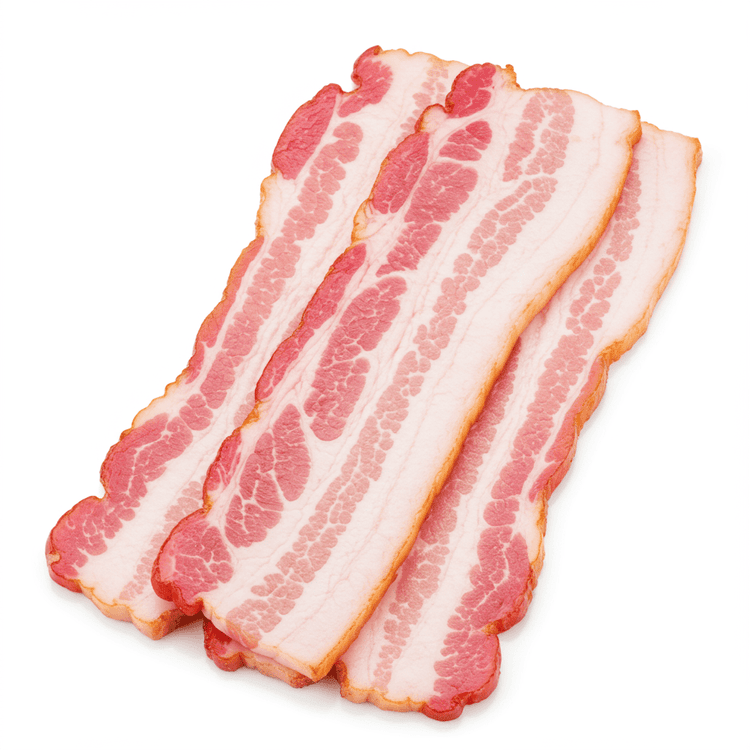
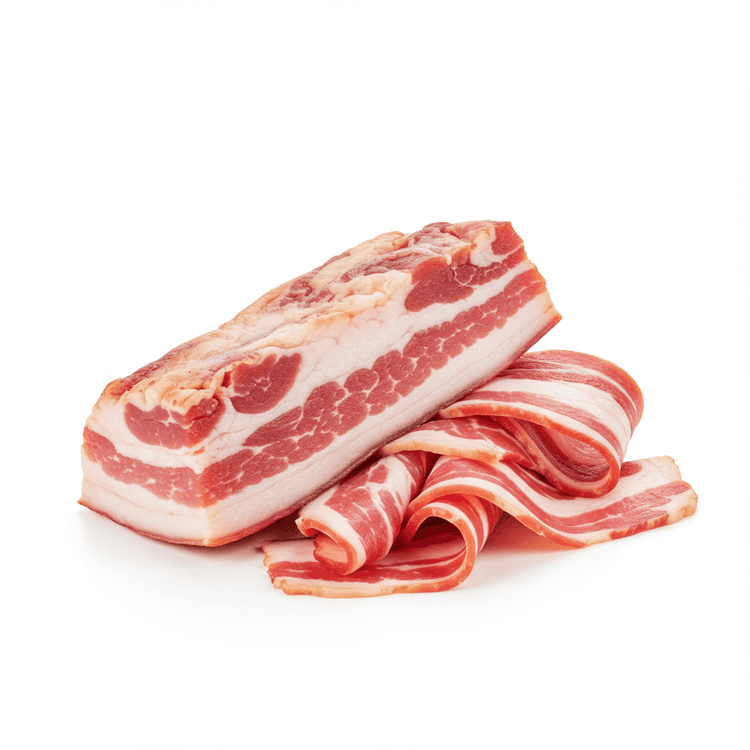
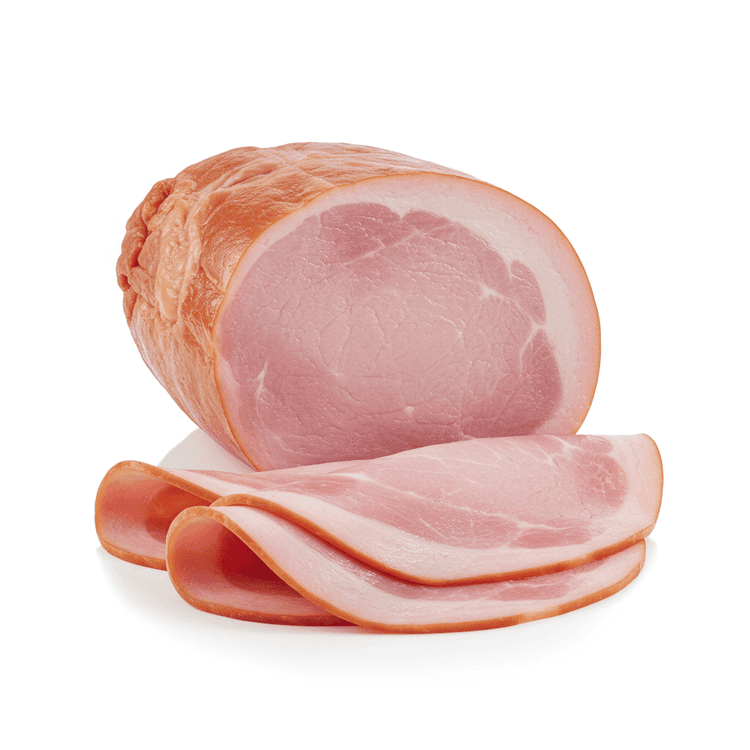
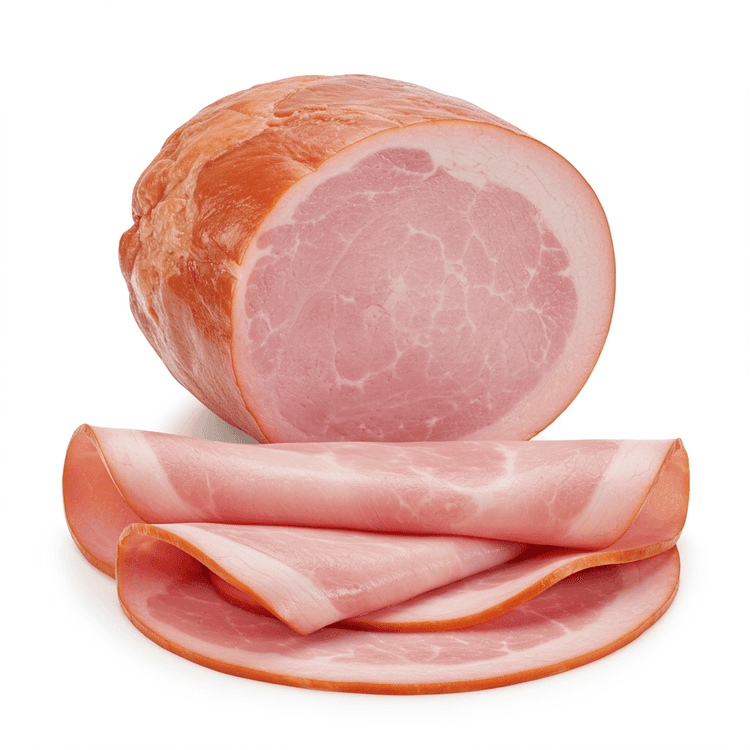
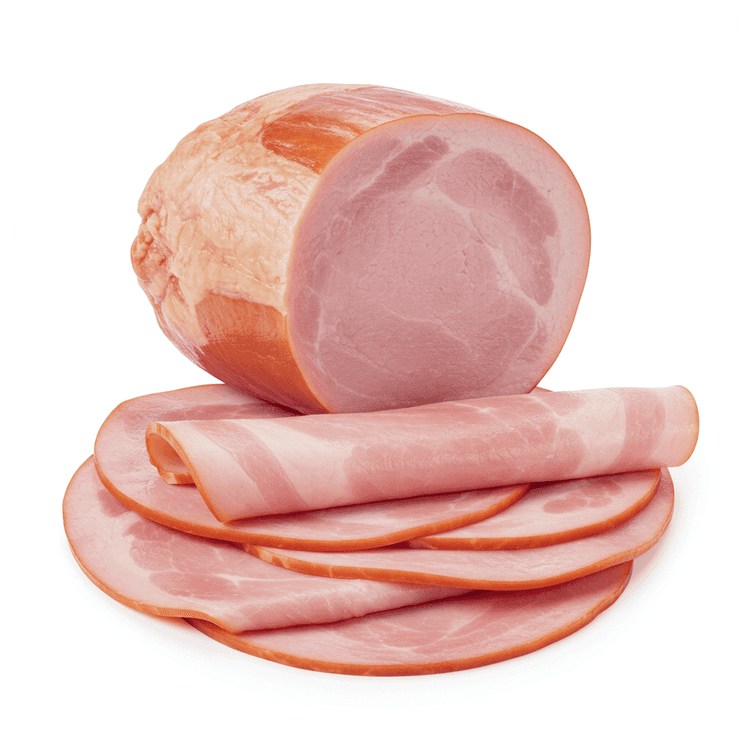
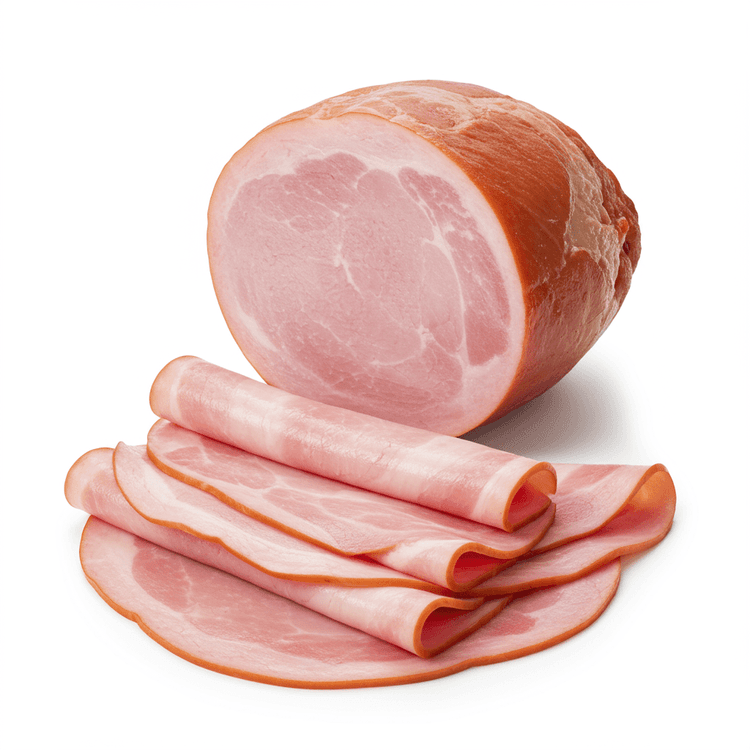
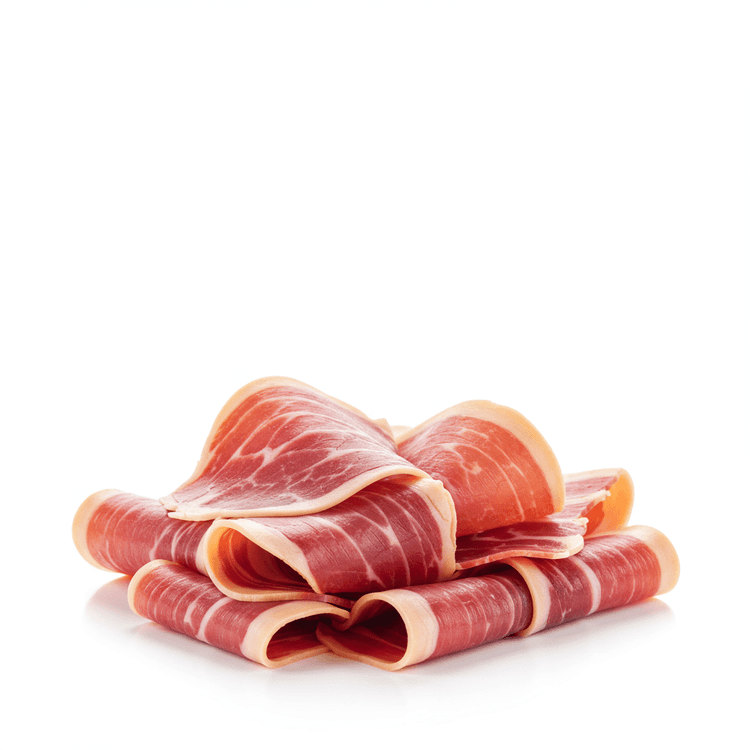
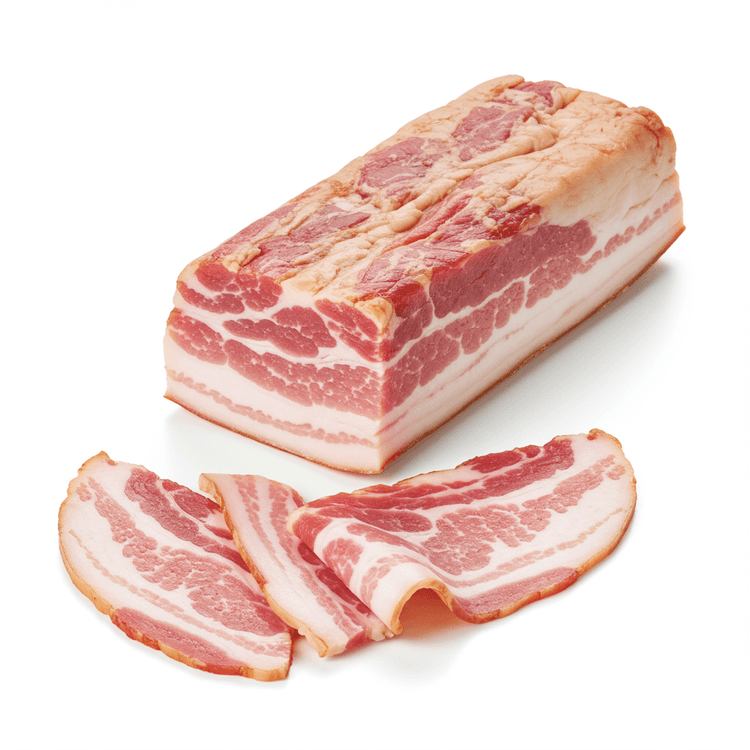
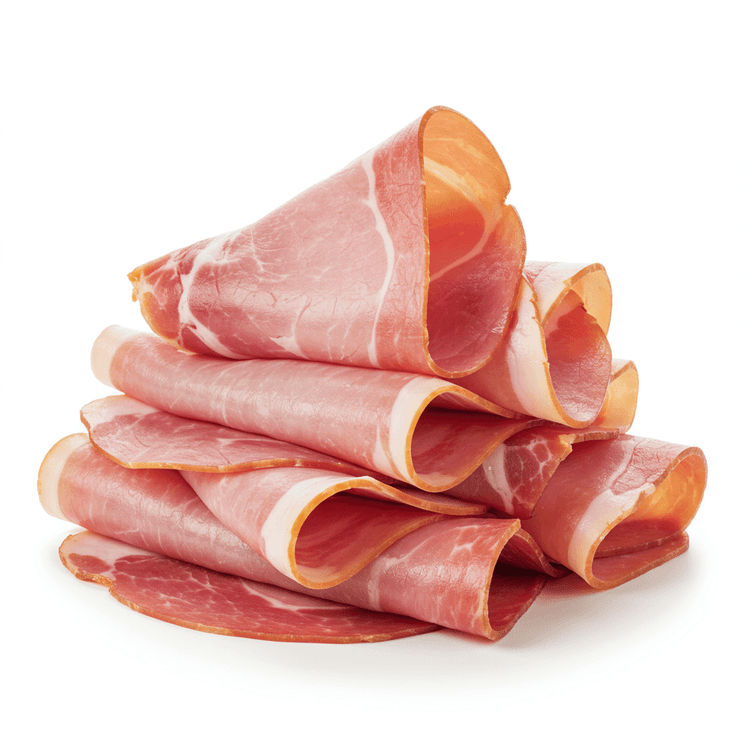
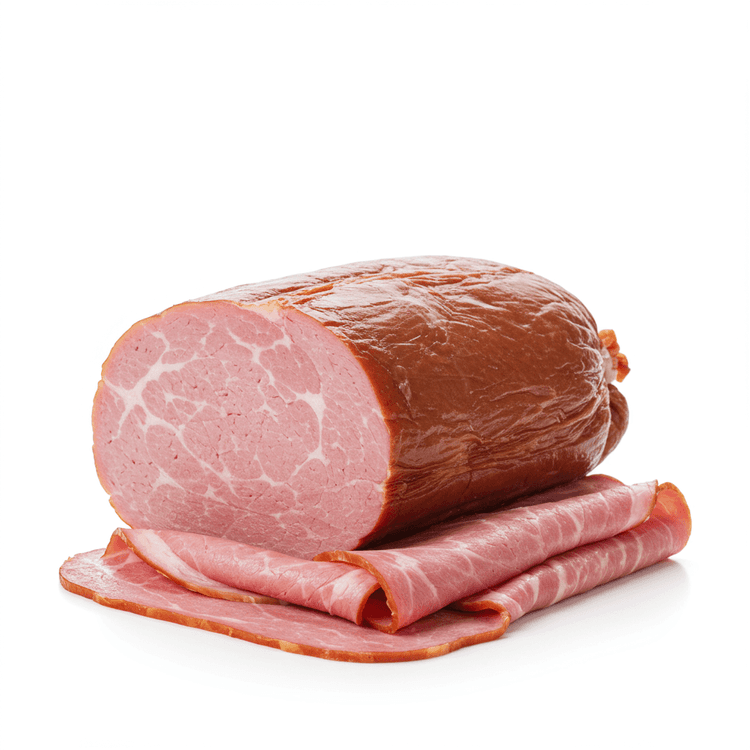
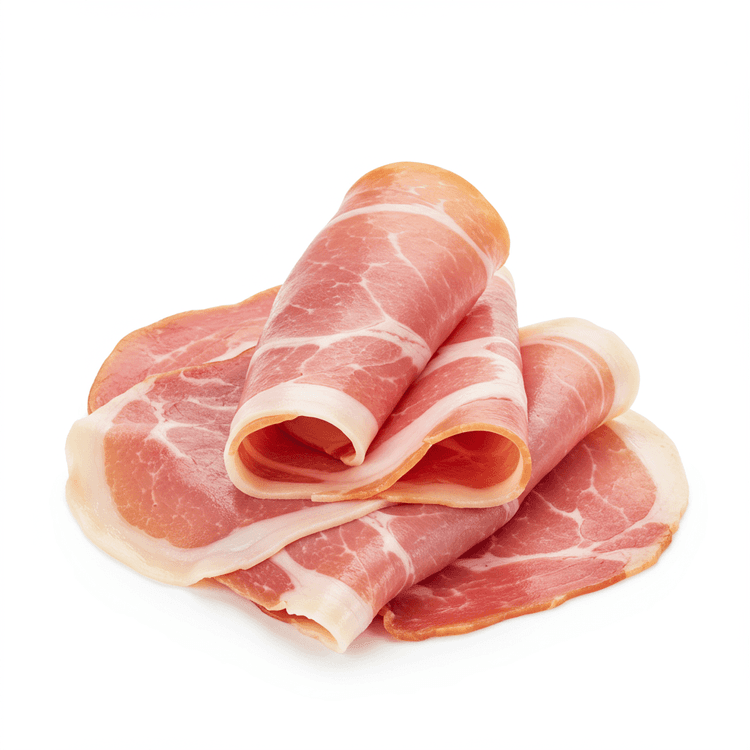
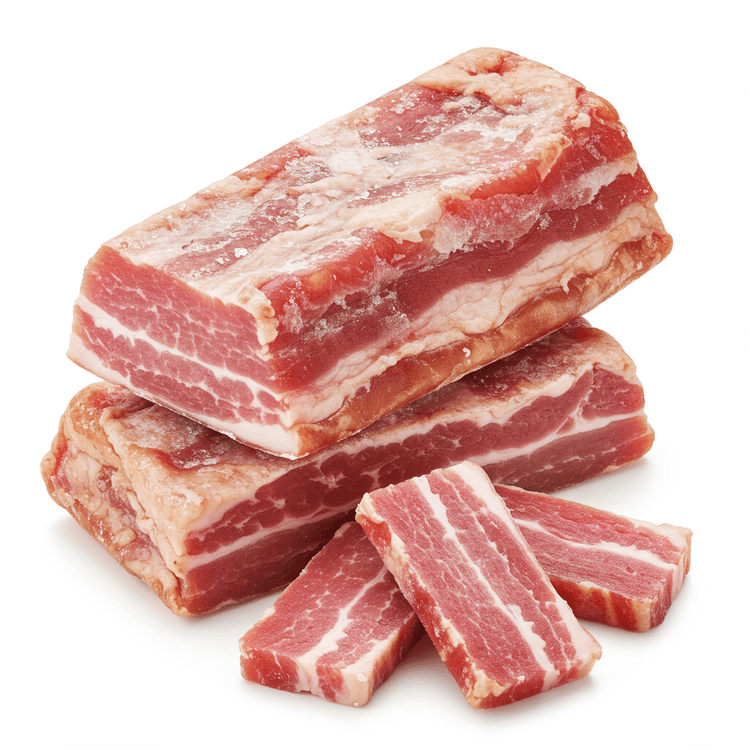
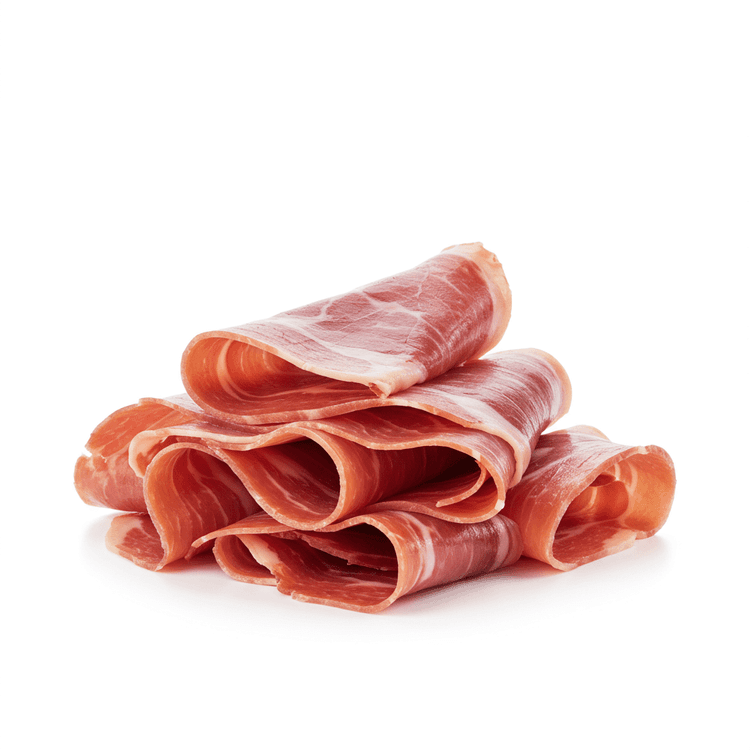
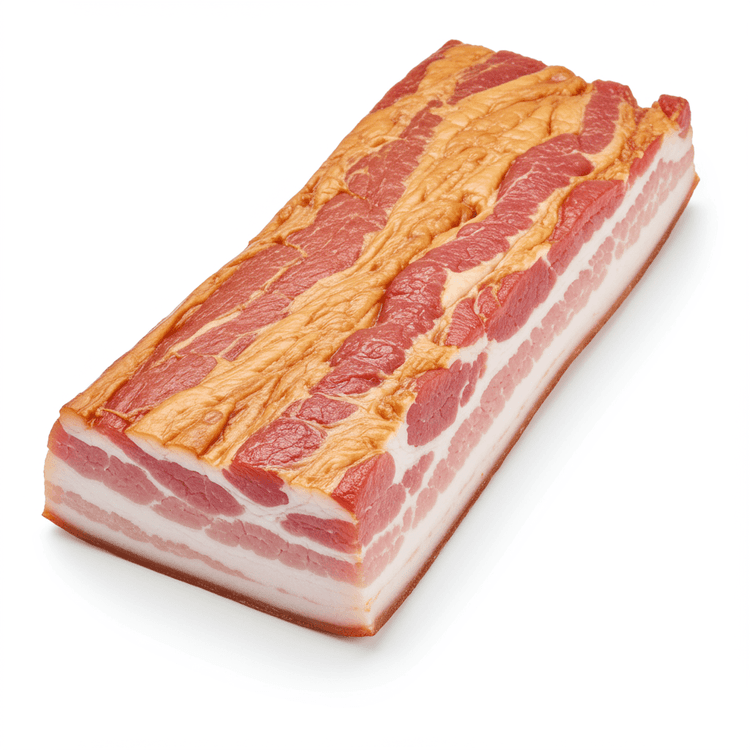
Cured meats, a culinary tradition spanning centuries, offer a unique blend of flavor and preservation. From the salty tang of prosciutto to the smoky richness of bacon, these meats have long been a staple in cuisines worldwide. But beyond their distinctive tastes, what are the nutritional benefits and how do they fit into a balanced diet?
Traditionally, curing involves preserving meat through processes like salting, smoking, drying, or the addition of nitrates or nitrites. These methods inhibit the growth of harmful bacteria, extending shelf life and developing characteristic flavors. Popular examples include bacon, ham, salami, pepperoni, chorizo, and various types of sausages. The flavor profiles are incredibly diverse, ranging from the delicate sweetness of jamón ibérico to the spicy heat of Calabrian salami. Cured meats often find their way into charcuterie boards, sandwiches, pasta dishes, pizzas, and stews, adding depth and complexity to countless recipes.
While cured meats are undeniably flavorful, it's important to understand their nutritional profile. They are a significant source of protein, essential for building and repairing tissues, supporting immune function, and providing satiety. Protein from cured meats contains all essential amino acids the body cannot produce on its own. Cured meats also provide iron, crucial for oxygen transport in the blood, and zinc, important for immune function and wound healing. Certain cured meats, particularly those derived from grass-fed animals, may contain conjugated linoleic acid (CLA), a fatty acid linked to potential health benefits. Additionally, they can be a source of B vitamins, which are vital for energy metabolism and nerve function.
However, it's equally important to be mindful of the sodium and saturated fat content in many cured meats. High sodium intake can contribute to high blood pressure, while excessive saturated fat consumption may increase the risk of heart disease. Many cured meats also contain nitrates and nitrites, which are used as preservatives. While these compounds prevent botulism, they can be converted into potentially harmful substances in the body under certain conditions. Choosing lower-sodium options and consuming cured meats in moderation is key to minimizing potential risks.
Cured meats can be part of a balanced diet when consumed thoughtfully. Pairing them with fiber-rich foods like whole-grain bread, vegetables, or fruits can help mitigate some of the potential negative effects. Opting for leaner cuts and uncured varieties (which use natural preservatives like celery powder) can also be a healthier approach. Ultimately, the key is to enjoy cured meats as an occasional treat, rather than a dietary staple, focusing on a diverse and nutrient-rich diet as the foundation for overall wellness. By making informed choices and practicing moderation, you can savor the unique flavors of cured meats while prioritizing your health. ||
Cured Meat are an essential part of a healthy diet, providing a wide range of nutrients and health benefits. Explore our collection of cured meat ingredients.