We use cookies on this website to ensure its proper functioning and to improve the quality of our services. Cookie Policy
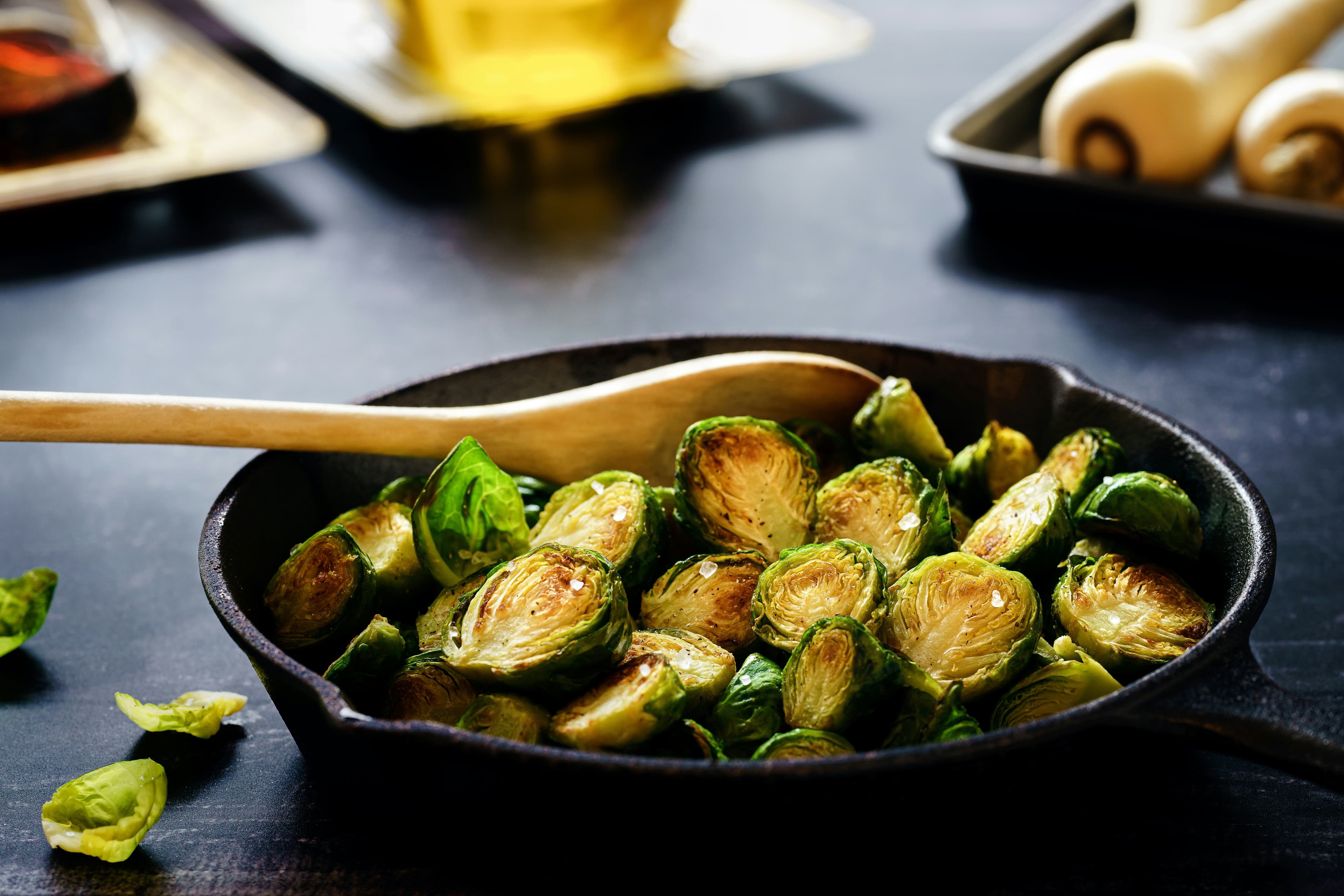
We have all heard that iron makes us strong. But how? Well, Iron helps maintain energy levels, immune health, and overall body function. It is an essential mineral for our body and including iron-rich foods in your diet ensures that your body is strong. In this article, we will take a look at the vital role of iron in the body, symptoms of its deficiency, and the best foods to boost your iron intake.
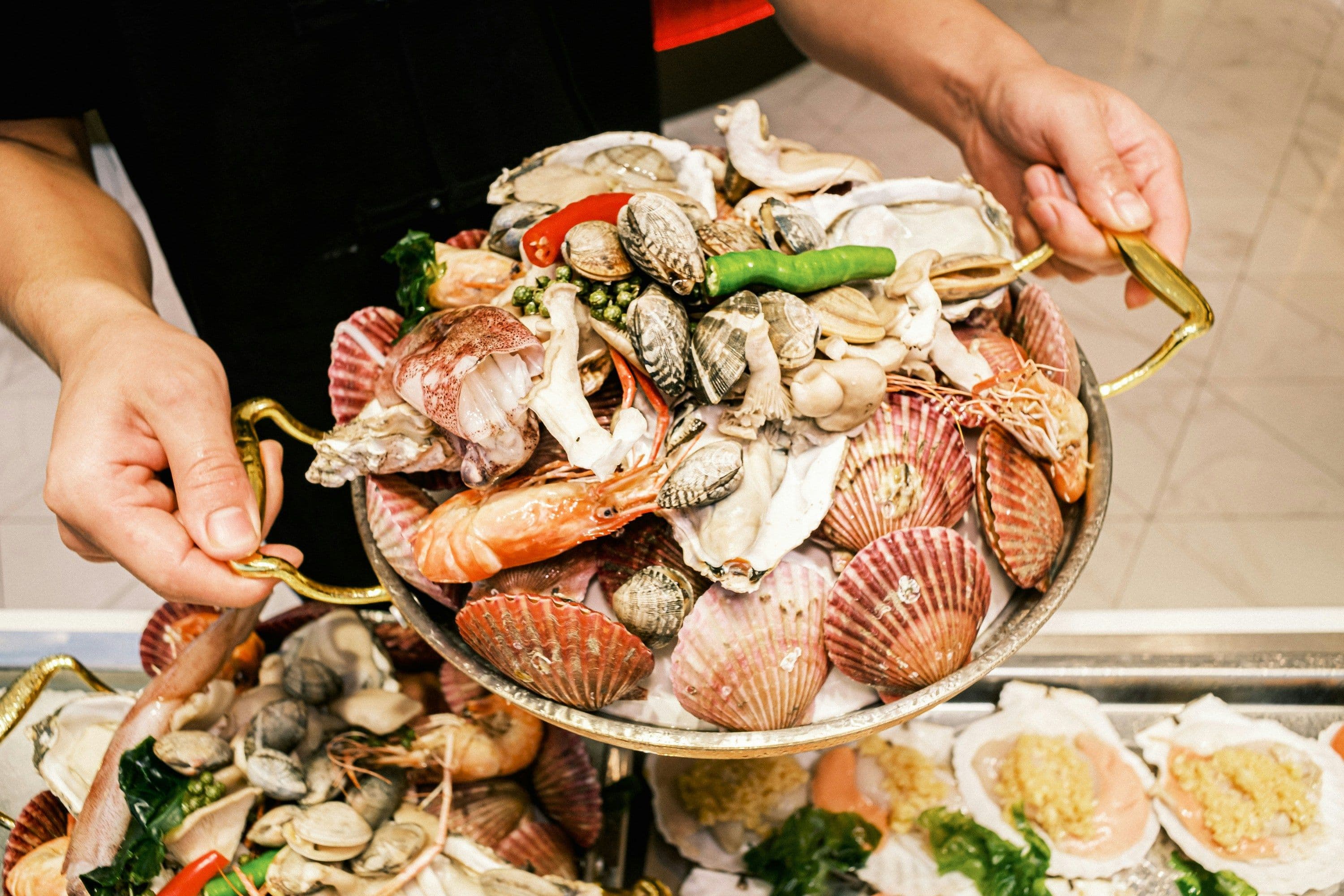
Clams, mussels, and oysters are among the richest sources of heme iron. Some clams contain more iron per serving than red meat.
Iron is a mineral that helps your body create haemoglobin in your red blood cells. Haemoglobin is the protein in red blood cells responsible for carrying oxygen throughout the body. Oxygen reaches every organ in your body through haemoglobin. You can end up feeling tired, weak, and breathless in case the organs don’t get the oxygen they need. Additionally, it strengthens the immune system by creating and spreading immune cells, helping the body fight off infections. In general, for men over the age of 19, the advised amount of iron for consumption is 8.7mg a day. As for the women, it's almost double the amount, which is 14.8mg per day. This is due to the blood loss they experience in their menstrual cycles. After women hit menopause, which is roughly at around 50 or over, their daily requirement of iron comes down to match the men’s at 8.7mg a day.
Iron deficiency occurs when your body doesn’t have enough iron to produce adequate haemoglobin. This condition is called anaemia, and its common symptoms include the following:

Iron deficiency causes headaches because it reduces the oxygen supply to the brain, making it harder for the brain to function.
Shortness of Breath: The low oxygen levels leave you out of breath anytime you do an activity that requires even the least amount of oxygen, like walking, or climbing the stairs. This results in your breathing rate rising leading to shortness of breath.
Pale Skin: As we all know, the red colour of our blood is due to haemoglobin. So when iron deficiency leads to less haemoglobin our blood can become less red. Hence, iron deficiency can lead to people looking pale.
Brittle Nails and Hair Loss: Nutritional deficiencies like Iron deficiency can leave the hair and skin without the nutrients and blood flow they need to grow. Hence, overtime they lose their strength and start to fall out or get dry and damaged.
Headaches and Dizziness: The lowered levels of oxygen due to iron deficiency can cause dizziness and headaches.
So now that we understand maintaining our iron levels is essential let us look at some foods that are rich in iron:
Shellfish, like oysters, clams, mussels, and fish, are really good sources of iron. Tuna is especially high in iron. The iron found in shellfish is called heme iron, one of the two types of iron. Heme iron is easily absorbed by the human body.
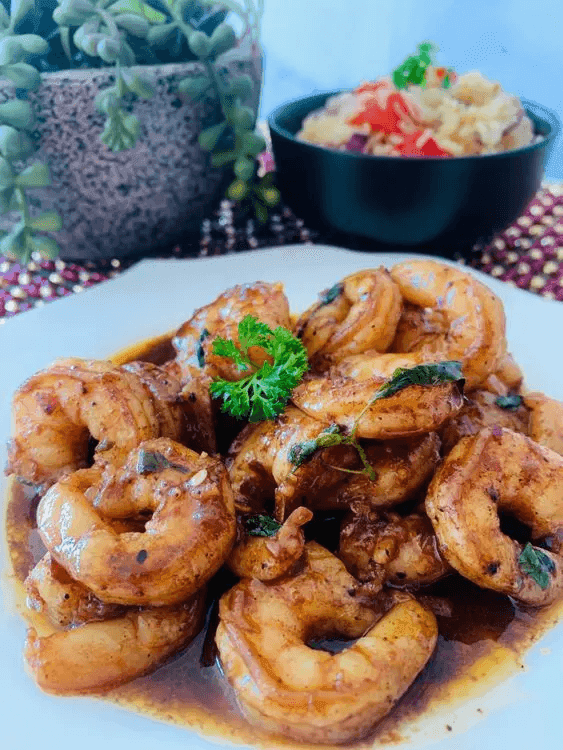
Check out the recipe for Glazed Prawns here.
Unlike seafood, spinach carries non-heme iron, which isn’t absorbed by our bodies very well. But since Spinach is also rich in vitamin C, which helps boost iron absorption, this leafy green vegetable is ultimately a great source of iron. Learn more about Spinch here.
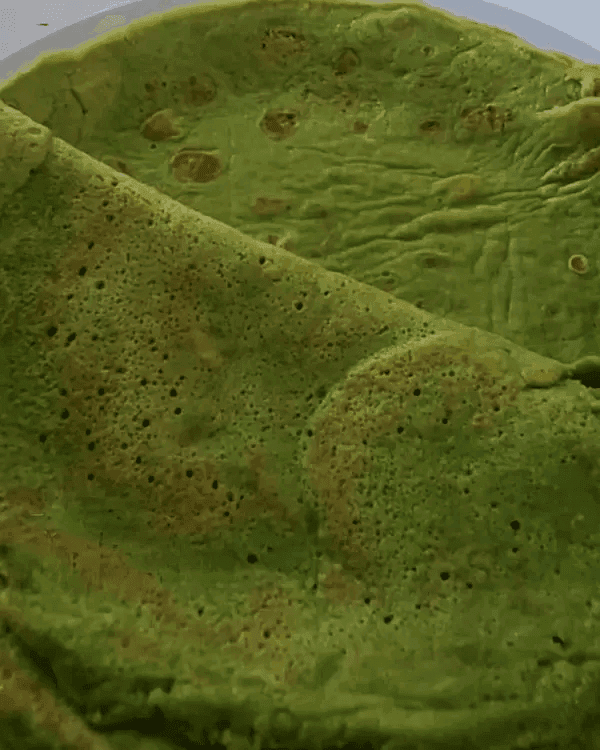
Check out the recipe for Spinach Crepes here.
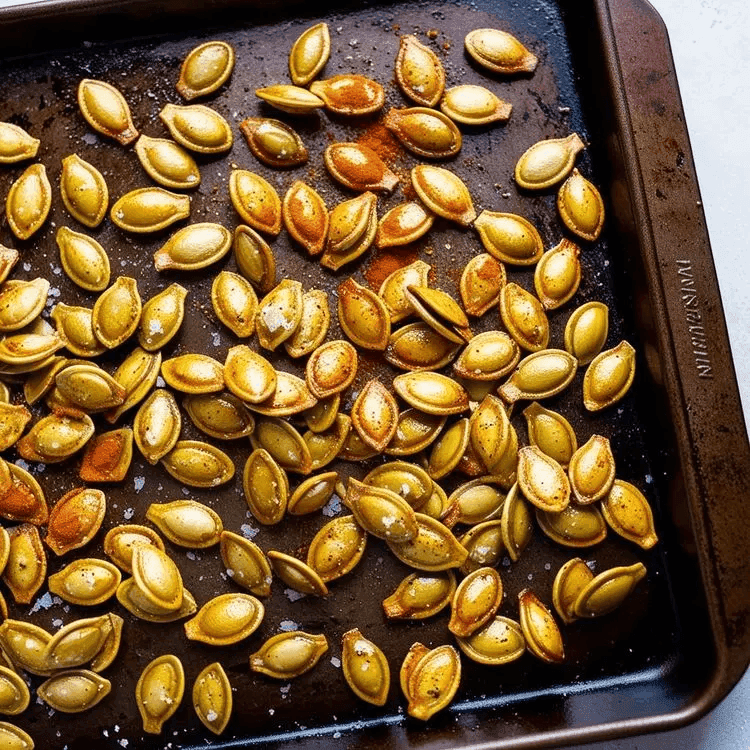
Check out the recipe for Roasted Pumpkin seeds here
Red Meat is a great source of heme iron. Lamb and beef are some of the most common types of red meat. The iron present in red meat is highly absorbable. Red meat is also rich in B vitamins, protein, selenium and zinc.
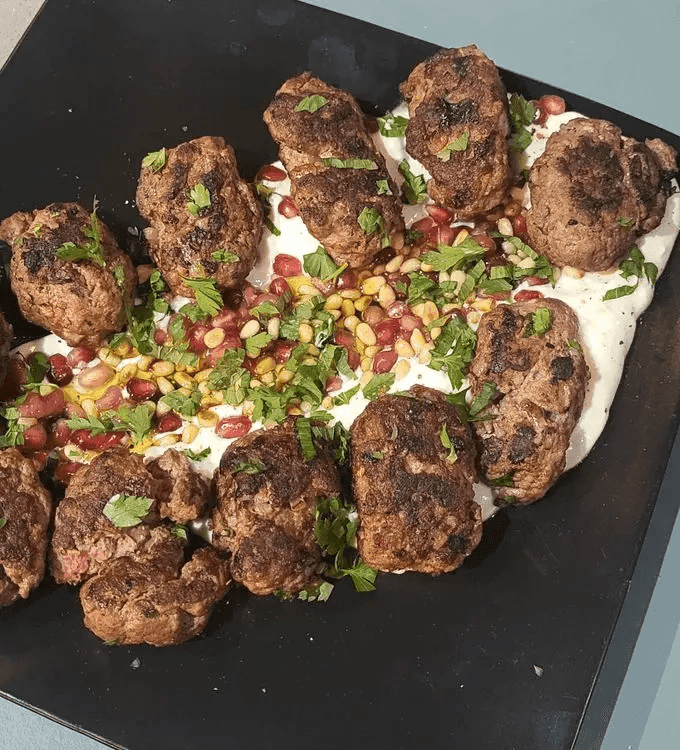
Check out the recipe for Turkish Lamb Meatball Kofta here
If red meat is not your thing, Chicken and turkey are excellent options for adding heme iron to your meals. Turkey, in particular, is a great option as it contains higher iron levels than white meat.
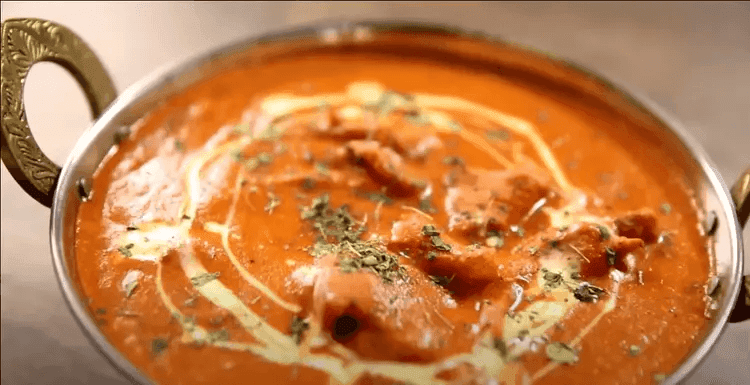
Check out the recipe for Butter Chicken here
Beans, lentils, chickpeas, and peas are plant-based staples for iron. They are especially important for vegetarians and vegans, offering a combination of protein, fibre, and non-heme iron.
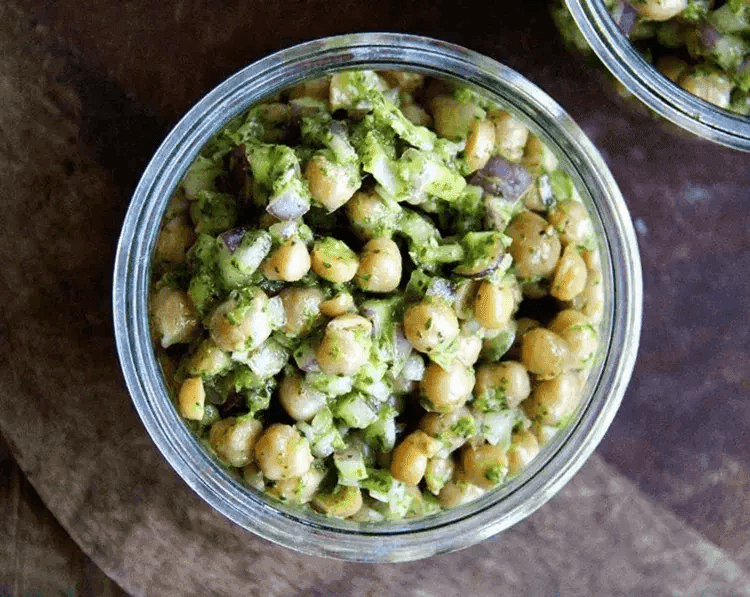
Check out the recipe for Cilantro Lime Chickpea Salad here.
This gluten-free grain is not only rich in non-heme iron but also packed with protein, fibre, and essential amino acids. Quinoa is an excellent option for people looking to add more plant-based iron to their diets while keeping it gluten-free. Learn more about Quinoa here
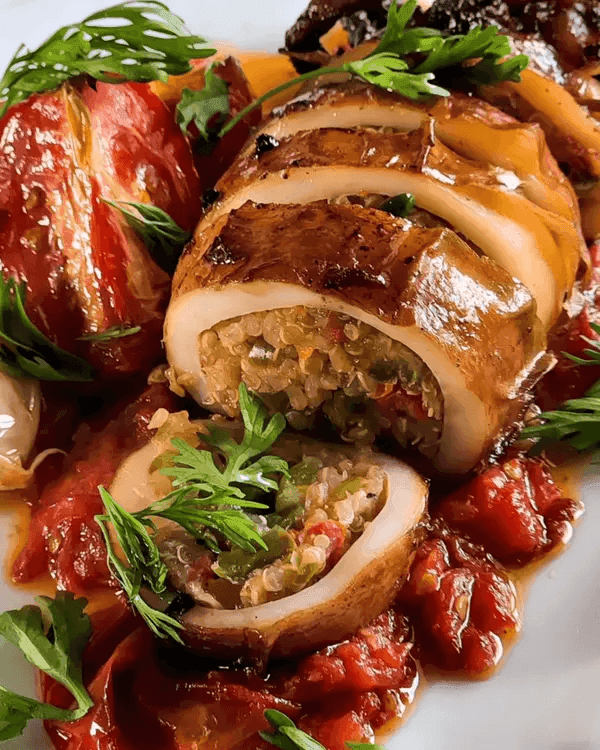
Check out the recipe for Quinoa Stuffed Calamari Braised in White Wine here.
Broccoli also contains vitamin C, which aids in iron absorption, along with other nutrients like vitamin K and fibre.
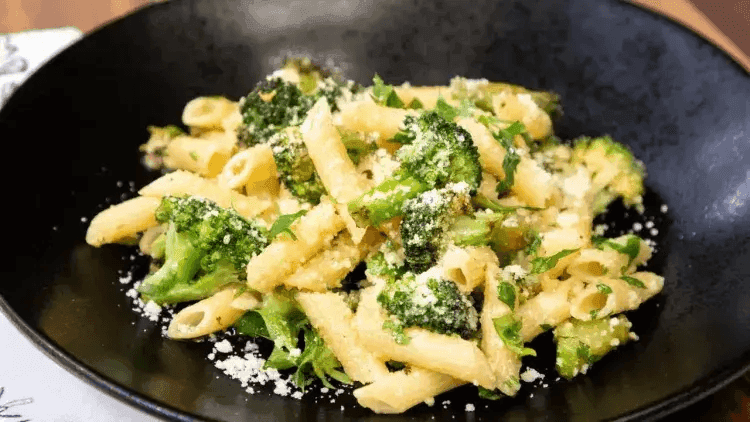
Check out the recipe for Broccoli and Pea Pasta with Herb Sauce here
If you are a vegan and looking for iron rich foods, tofu is a boon for you. Made from soy-beans, this plant based delicacy is also high in calcium and protein, which makes it a well-rounded option for vegetarians. Learn more about Tofu here.
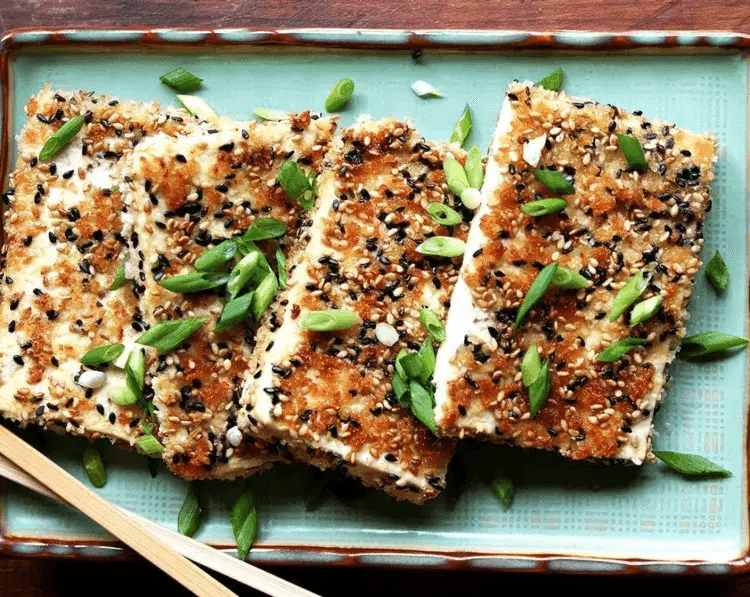
Check out the recipe for Crispy Sesame Tofu with Nuoc Cham Sauce here
A healthy treat, dark chocolate is a surprising source of non-heme iron. Opt for chocolate with at least 70% cocoa content to maximise iron intake while keeping sugar levels in check. Additionally, dark chocolate is rich in antioxidants and magnesium.
Iron overload, or Hemochromatosis, is a condition in which the body stores more than required iron. Hemochromatosis can lead to arthritis, diabetes, and issues with the spleen, adrenal glands, pituitary gland, gallbladder and the reproductive system, such as erectile dysfunction in men and early menopause in women. This excess iron gets stored in your organs like the heart, liver and pancreas and causes some severe damage. Excess iron in the heart can cause irregular heartbeat and risk of heart failure, whereas in the liver, it can cause scarring, engorged liver, liver cancer and liver failure.
Some common symptoms of Iron Overload include:
Hemochromatosis is mostly treated by phlebotomy, which means removing blood from the body on a regular basis. According to age, overall health and the severity of iron overload, the amount of blood removed and how often it's removed is dependent on. This can help relieve some discomforting syndromes like tiredness and skin darkening.
Iron is an essential element that helps us maintain our body functions. By incorporating iron-rich foods into your diet, you can ensure your body receives the proper amount of iron it needs every day to remain healthy. This was us exploring iron-rich foods and their benefits, along with recipes to incorporate into your diet. Start with a small change today for a healthier tomorrow.
Updated on 24 Jul 2025
Save recipes from anywhere, and get answers, swaps, and help as you cook.

