We use cookies on this website to ensure its proper functioning and to improve the quality of our services. Cookie Policy

Spinach is considered the face of healthy vegetables. This leafy green vegetable is filled to the brim with nutrients like vitamin C, vitamin E, vitamin K, lutein, magnesium, nitrates, and zeaxanthin. Spinach also contains potassium, calcium, magnesium, iron, and phosphorus minerals. Despite carrying such a vast number of nutrients, the calories in spinach are pretty low. This high-nutrition, low-calorie green goodness is an ideal vegetable for a healthy diet.
But as we know, too much of anything is not good. Spinach, too, is only healthy when consumed in moderation. Excessive spinach consumption daily can lead to issues you may not be aware of. We all know spinach is good for us, but Is too much spinach good for you? Let’s find out!
Spinach is filled with nutrients, and digesting it is quite a task. Overconsumption of spinach may lead to bloating, belly pain, and gas, and its high fibre content can cause cramps.
Spinach is high in fibre, and while fibre is beneficial in digestion, too much of it can cause discomfort in some people.
Among the many nutrients spinach carries, there is one called oxalic acid. Oxalic acid impacts your body’s ability to absorb other essential nutrients, such as magnesium, calcium, and zinc. Oxalic acid forms oxalates when bound with these minerals, which can limit nutrient absorption and eventually contribute to deficiencies. This may eventually lead to a mineral deficiency. High amounts of oxalate may lead to kidney stones and gout, a type of arthritis.
Additionally, spinach is a vegetable that needs thorough cleansing before cooking. It can easily get contaminated with bacteria through pesticides, fertilizers, or irrigation water, which can cause a toxic reaction. If not washed multiple times, it might carry harmful bacteria like E.Coli that can cause foodborne illnesses.
Generally speaking, spinach is a healthy vegetable that is beneficial for all. However, it might be harmful to some people due to various reasons. Here are some groups of people who should be cautious with spinach consumption.
People who take anticoagulant medicines that promote blood thinning should avoid eating spinach in excessive amounts. The vitamin K present in spinach promotes the production of clotting factors, hence interfering with the medicine’s purpose.
People suffering from osteoporosis should avoid eating spinach. The oxalic acid present in spinach can bind with calcium in your intestines to form insoluble salts called oxalates, which may interfere with your body's absorption of calcium.
People who are prone to developing kidney stones should avoid eating spinach in excessive amounts. The calcium-oxalate formed due to the oxalic acid combining with calcium, forms the most common type of kidney stones.
People who are sensitive to salicylates should avoid eating spinach. They might get an allergic reaction causing itching and skin irritations, swelling in the hands and feet, and trouble breathing.
People who have a slow metabolism should avoid eating spinach in excessive amounts. The high fiber content can give them an upset stomach leading to diarrhea, gas, and bloating.
While this being said, it is also important to remember that spinach is an overall harmless healthy vegetable. None of these issues arise unless you are consuming spinach in excessive amounts. Including spinach in an overall balanced diet, is actually a great idea as it is a nutrition powerhouse.
Experts recommend that the best way to eat spinach is to consume 100 grams a day, 2 to 3 times a week. The benefits of spinach outweigh its risks when consumed in moderation. Spinach is rich in an array of vitamins, such as A, E, K, and C. These vitamins protect the skin from harmful ultraviolet rays of the sun, promote healing of the skin, and assist in treating some of the skin-related disorders. Spinach is full of minerals that help in cell functions, improving heart rate, regulating body fluids, and balancing blood pressure. The micronutrients present in spinach help correct anaemia. Spinach is regarded as one of the superfoods that helps in several ways, some of which are:

Spinach boosts bone health.
Boosts immunity: The vitamin C and Vitamin E present in spinach are powerful antioxidants that help strengthen your immune system and protect your body from infections. Vitamin C helps develop the body’s resistance against infections, while vitamin A fights off bacteria, viruses, toxins, and other harmful agents trying to invade your immune system.
Supports brain functions: Spinach helps in the functioning of your nervous system and improves your brain’s processing abilities. It is especially helpful for stabilizing brain function decline that comes with old age.
Promotes healthy cell division: The antioxidants, flavonoids, and other nutrients present in spinach promote healthy cell division, preventing tumors and invasive growth like cancer.
Apart from these, spinach also helps you sleep better, reduces muscle stress, improves eye health, and helps you recover after an illness.
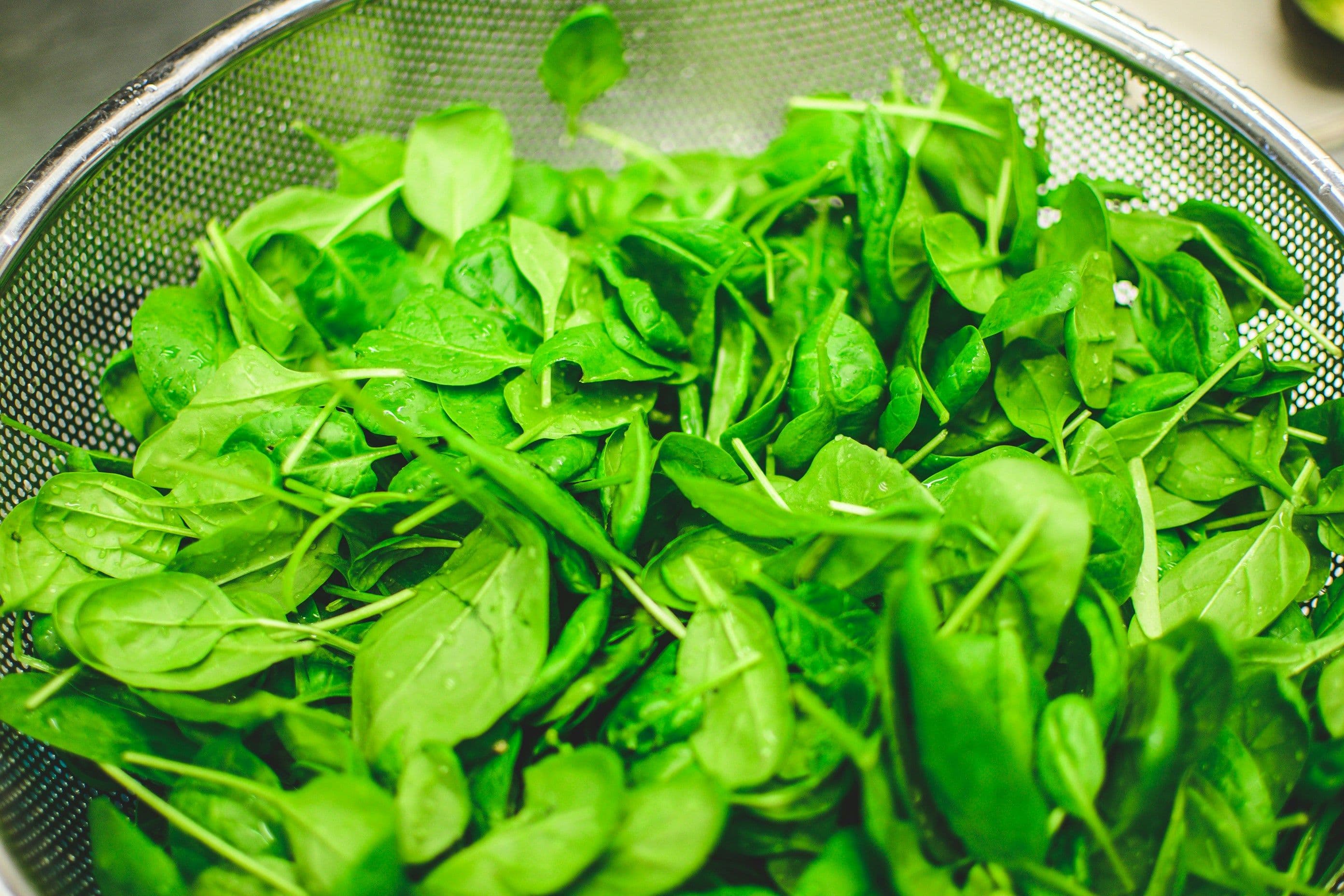
Leafy green vegetables should always be washed throughly before being cooked
Avoid overconsumption: Just because it is healthy, that doesn't mean you should eat one bowl at every meal. Incorporate a balanced amount of spinach into your diet.
Pair it with vitamin C: Eating spinach with foods that are high in vitamin C, like oranges, tomatoes, and other citrus fruits, can boost iron absorption, making it easier for your body to utilise the iron present in spinach.
In this section, we will look at some of the most common beliefs regarding spinach and see if they are true or not:
Spinach should not be eaten raw. Fact. Although you can technically eat raw spinach, experts advise not to. It can be contaminated with germs that can lead to foodborne diseases. Raw spinach contains high levels of Oxalic acid, which can be reduced by boiling the spinach and throwing away the water. Eating raw spinach can also cause issues like indigestion, bloating gases, flatulence, constipation, diarrhoea, and irritable bowel syndrome.
Dogs cannot consume spinach. Fact. Dogs can eat spinach, but you should avoid feeding them raw spinach leaves as they may have difficulty digesting them. However, spinach is a very healthy source of nutrition so make sure to feed your dogs spinach that is steamed or boiled in moderation. Make sure to do it in moderation. You must avoid canned spinach and spinach dips.
Spinach is the best source of Iron. Myth. Spinach is a good source of iron but not the best. The oxalic acid and the polyphenolic compounds present in spinach reduce the amount of iron available for absorption. So, even though spinach is iron-rich, we don’t absorb much by eating it. Unfortunately, many people, including Popeye, aren’t aware of this.
Spinach loses all its nutrients when cooked. Myth. Cooking spinach indeed causes some loss of its nutrient composition, but not all of it. In fact, cooking reduces the oxalates present in spinach, which restricts the absorption of nutrients like calcium and iron. If you want to preserve the nutrients of spinach, try lightly steaming or sautéing it.
Spinach acts as a protein substitute for meat. Myth. While spinach does contain protein, it is nowhere near the protein content found in meat. Tofu, chickpeas, and soy nuts are better substitutes.
Spinach is undoubtedly a nutritional powerhouse, but consuming too much of it is bad for your health. Overconsumption of spinach can lead to digestion difficulties, disrupted nutrient absorption, and more serious issues for certain individuals. Just like other healthy foods, the key to eating spinach the right way is not overdoing it. By eating it in moderation, you can avoid the side effects of spinach and enjoy the abundant benefits of this high-nutrition, low-carb vegetable.
Updated on 24 Jul 2025

Save recipes from anywhere, and get answers, swaps, and help as you cook.

