We use cookies on this website to ensure its proper functioning and to improve the quality of our services. Cookie Policy

The debate about rice vs. quinoa, which is healthier, has been around for a while. Many of us, including us, have wondered at least once—is quinoa actually better, or are they just pushing it as a healthy grain because it's more expensive? Well, worry not; in this article, we will cover the real truth behind this. This article dives into the details, shedding light on quinoa’s superfood status and how rice holds its ground in the nutritional race.
Derived from a flowering plant in the amaranth family, Quinoa is a seed containing protein, dietary fibre, B vitamins, and minerals. In some cultures, it has been a dietary staple for thousands of years. Quinoa is not just nutrient-dense; it is also incredibly versatile. It can be cooked like rice, added to salads, or even turned into porridge for a healthy meal.
To understand which of the two are healthier, we must look at their nutritional content.
Quinoa packs a bunch of essential nutrients, which give it the tag of a “superfood.” Every 185g of Quinoa contains around 222 calories, about 4g of fat, 39 g of carbohydrates, 5 g of fibre, 8 grams of protein, and 2 g of sugar. This makes quinoa rich in fibre and protein. Quinoa is gluten-free, which makes it an excellent choice for people who want to lose weight.
Compared to Quinoa, rice falls short of the nutritional aspect. Every 185g of white rice carries around 242 calories, about 0.4g of fat, 53.4 g of carbohydrates, 0.6 g of fibre, 4.4 grams of protein and 0 g of sugar. As you can see, white rice’s protein and fibre quotient is not even half of what quinoa offers.
Brown rice manages to compete with Quinoa when it comes to nutritional content. Every 185g of Brown rice contains around 218 calories, about 1.62g of fat, 45.8 g of carbohydrates, 3.51 g of fibre, 4.52 grams of protein, and 0 g of sugar. While brown rice's fat and sugar content is lower than quinoa, it still fails to match or exceed quinoa’s fibre and protein levels.
Quinoa is a whole grain which offers a range of health benefits.
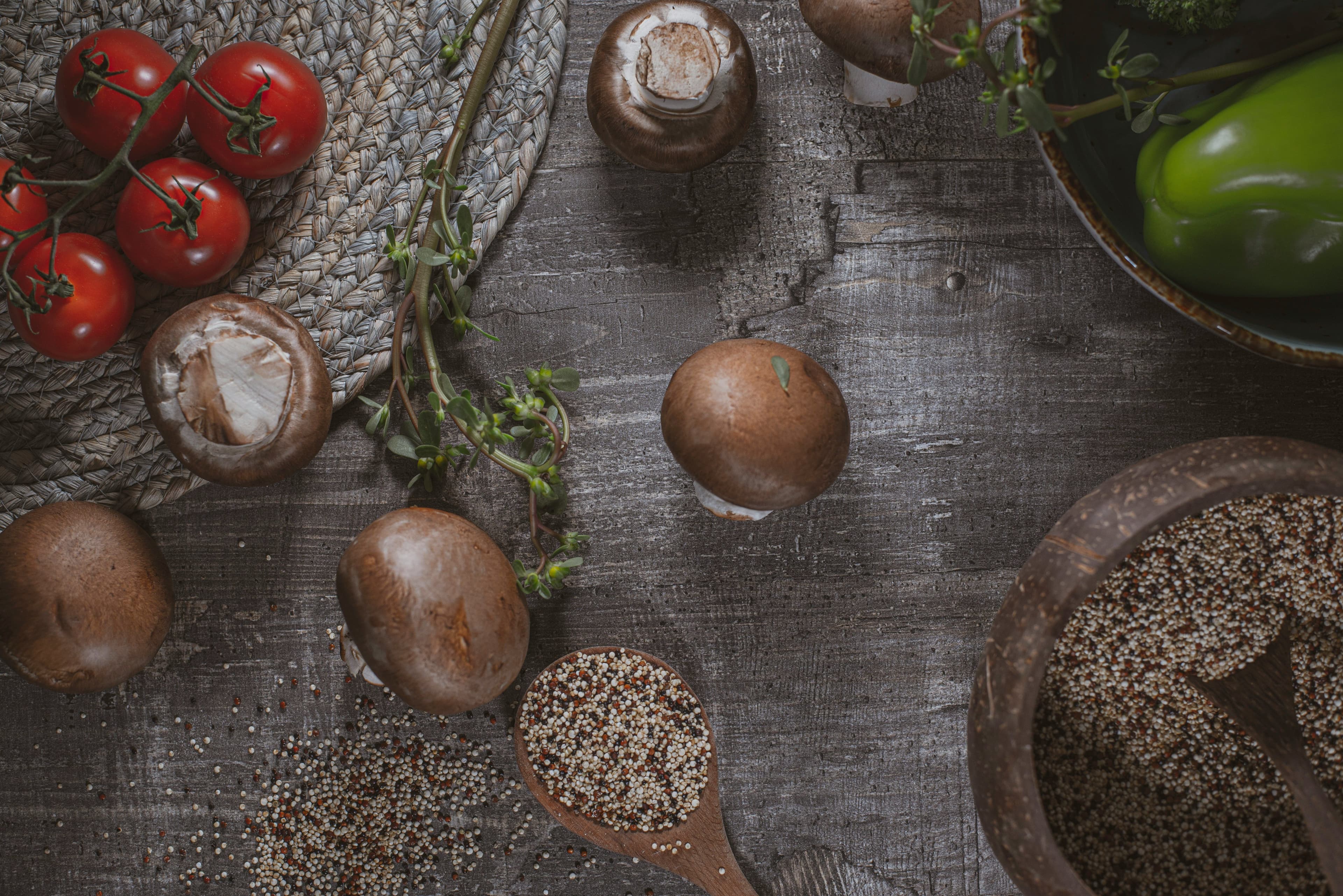
Quinoa has been cultivated for over 5,000 years and was considered : The Gold of the Incas, because it was regarded as a beneficial and healing source of life.
Improves Digestive Health: The fibre present in Quinoa promotes healthy digestion and maintains gut health.
Helps in Weight Loss: Quinoa's high protein and fibre content helps you feel fuller for longer, which can aid in weight management by reducing overall calorie intake.
Quinoa is gluten-free: People sensitive to gluten can enjoy a filling meal with this gluten-free grain.
Rich in antioxidants: Quino helps lower inflammation in the body with its high levels of antioxidants. It contains flavonoids like quercetin and kaempferol, which help reduce inflammation and protect the body against chronic diseases.
Rich in Protein: Quino’s high protein content not only helps with digestion but also helps your body repair cells and make new ones.
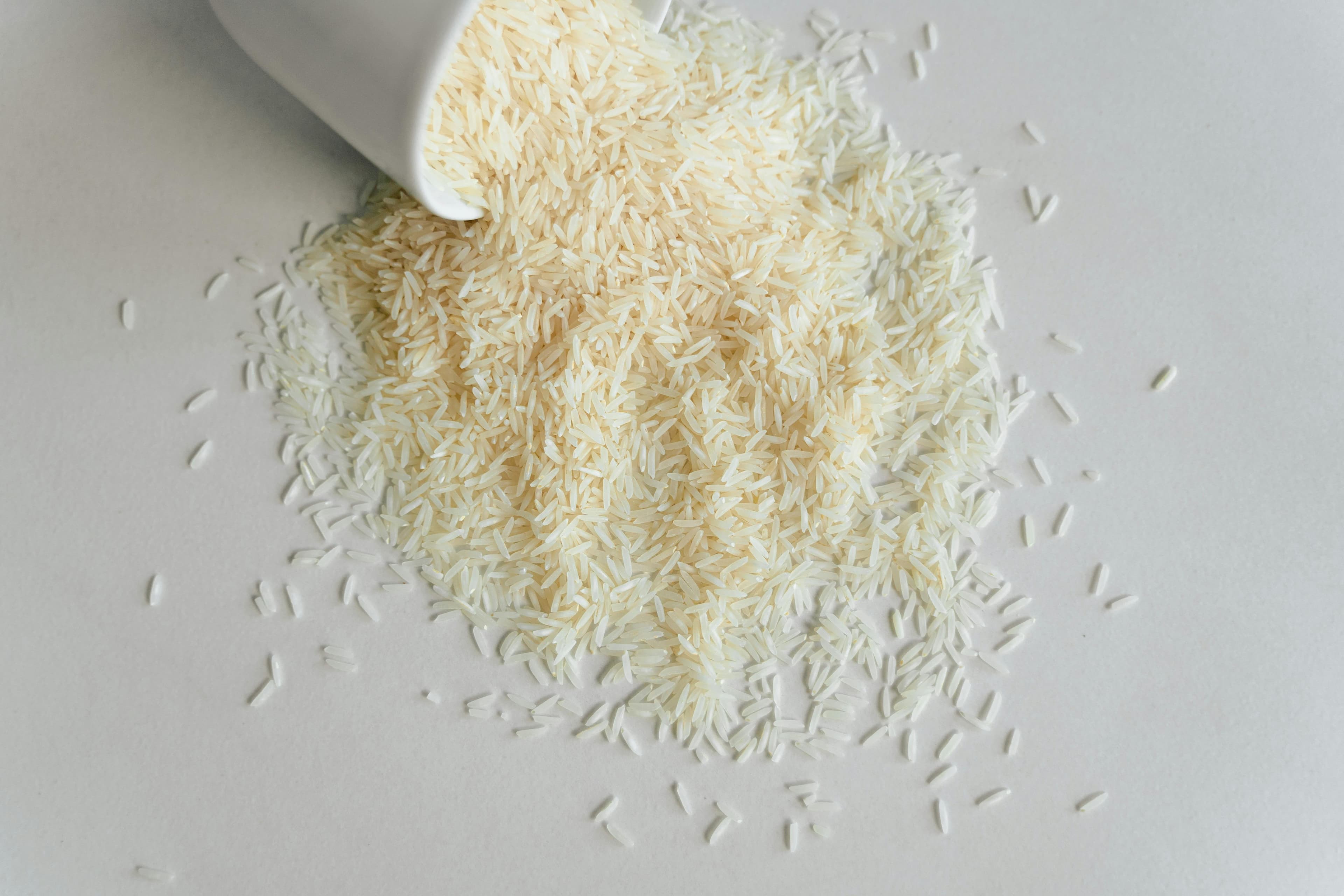
Over half the world’s population depends on white rice as a primary dietary staple.
Despite being behind quinoa, white rice still has many benefits. It is a quick source of energy and digests rather quickly, which makes it a great option for athletes, hikers, and bikers. These traits also come in handy for people who have sensitive stomachs. Similar to Quinoa, some White rice varities are also gluten-free. The biggest factor in favour of white rice is its availability and affordability. It is a staple across countries and cultures as it is widely available and cost-effective.
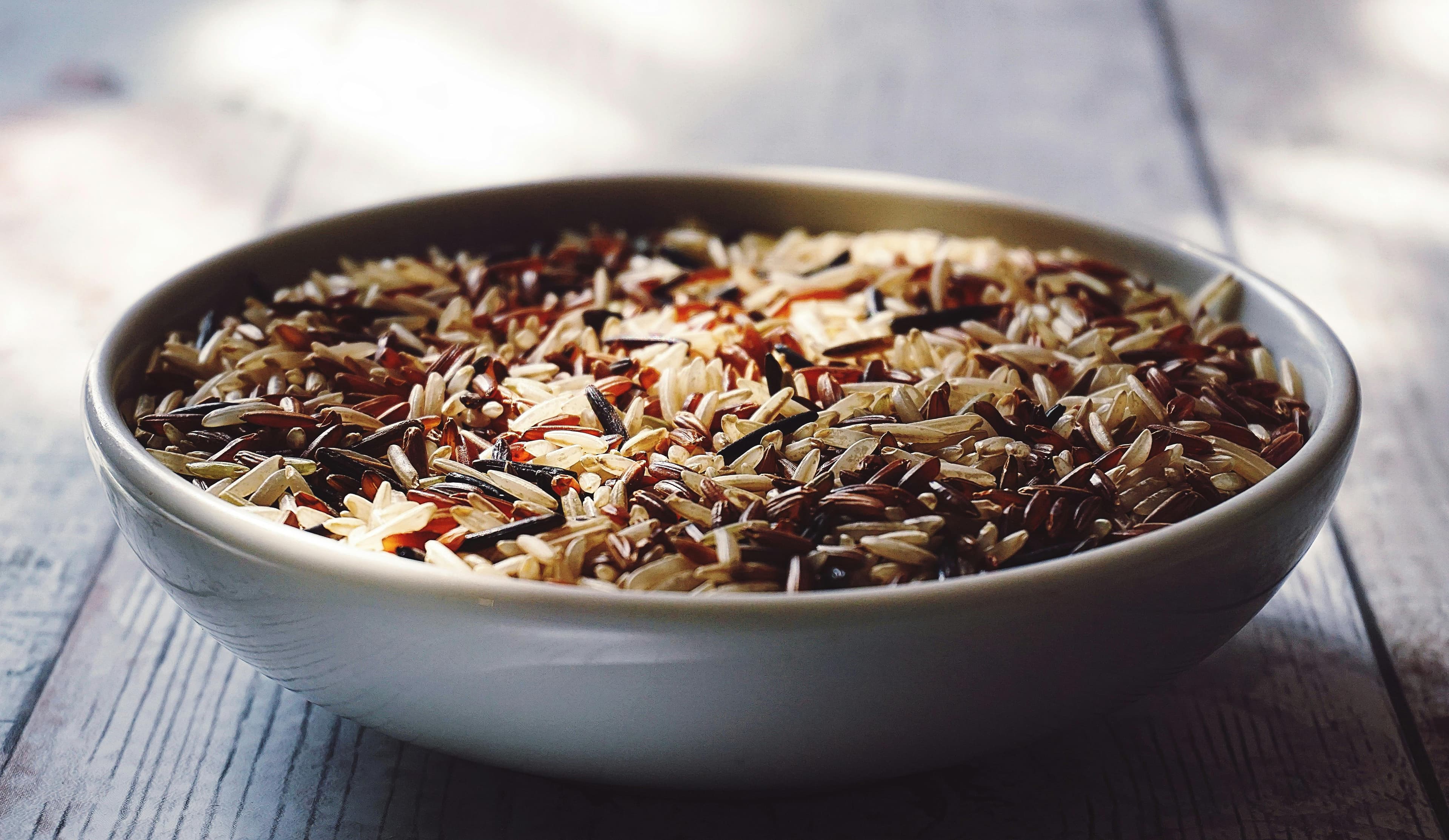
Due to its fibrous outer layer, brown rice takes longer to cook than white rice but provides more fiber.
Brown rice is often considered a healthier alternative to white rice due to its whole-grain nature. As compared to white rice, it has enough fibre content to help along the digestion process. This also helps you feel fuller for longer, helping you avoid accessing calories if you are on a weight management journey. Apart from this, the micronutrients, including vitamins, minerals, phytonutrients, amino acids and antioxidants present in brown rice, helps keep your body strong and healthy.
Now that we know the benefits of Quinoa, let's look at some ways to incorporate it in our breakfast.
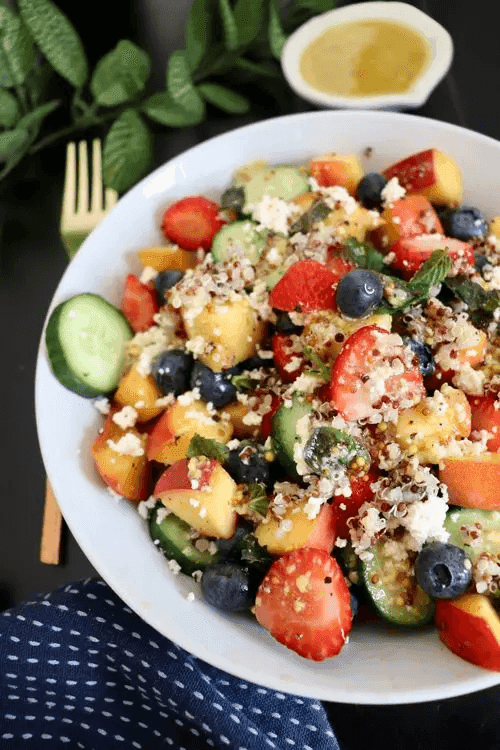
Quinoa contains all nine essential amino acids, making it one of the rare plant-based complete protein sources.
This refreshing salad is the perfect combination of sweet and savoury. Made with a bunch of juicy fruits, cottage cheese and nutty quinoa, this salad will let you enjoy the flavours while helping you start your day at a healthy note.
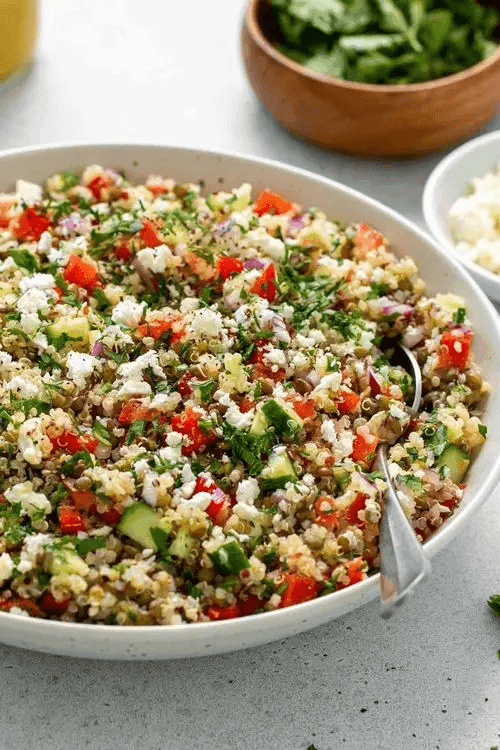
Quinoa is technically a seed, not a grain. It belongs to the same family as spinach and beets.
If you prefer fresh veggies over juicy fruits, this breakfast is for you. Loaded with a rainbow of healthy vegetables, this Mediterranean Quinoa Salad is a nutrient-dense, gluten-free salad rich in fibre, vitamins, and healthy fats, perfect for a refreshing breakfast.
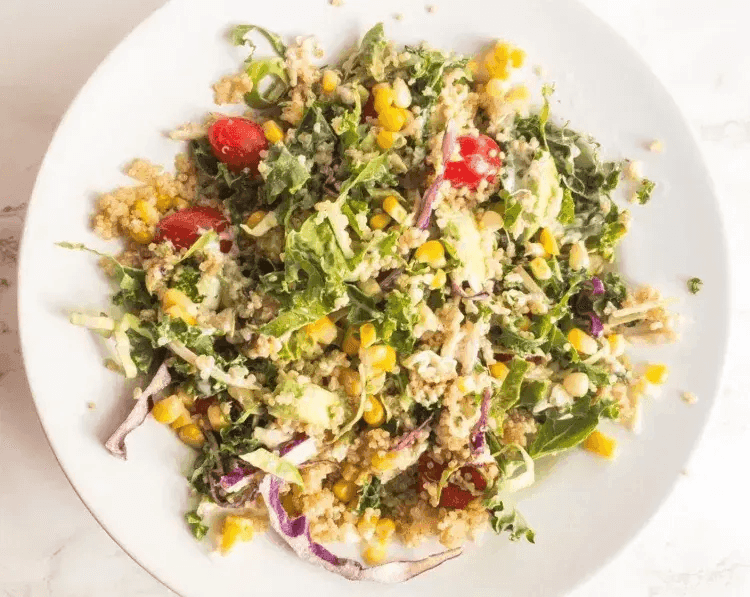
There are more than 120 known varieties of quinoa, but white, red, and black quinoa are the most commonly consumed.
If you are a vegan, we have your breakfast covered. This healthy vegan quinoa salad topped with a homemade vegan ranch dressing, is the best option out there for a light but filling breakfast that can help you get through those rush hours.
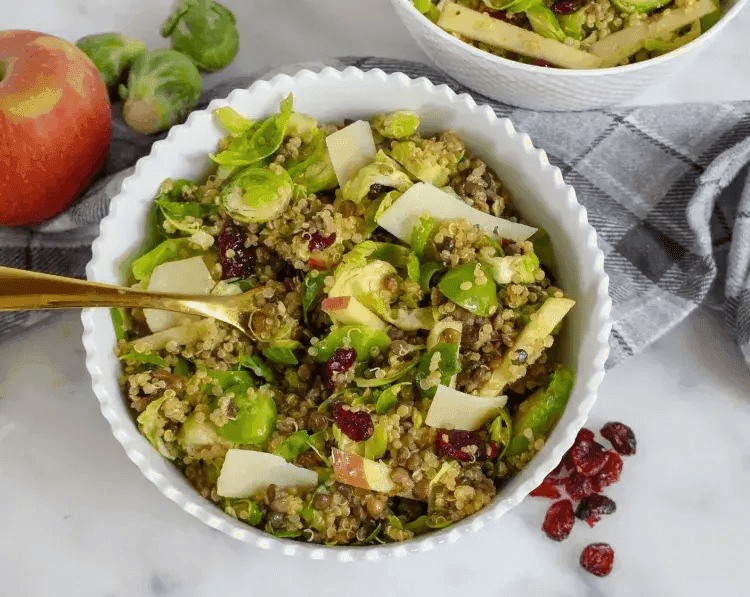
Just one cup of cooked Brussels sprouts provides more than 80% of your daily recommended intake of vitamin C, boosting your immune system and skin health.
This hearty and nutritious salad consists of green lentils, quinoa, Brussels sprouts, and apples tossed in a tangy apple cider vinegar dressing. Try this out and see how light and refreshing this breakfast is.

Coconut milk is a popular choice for those who are lactose intolerant or following a vegan diet, offering creaminess without dairy.
If salads are not your thing and you don’t like the crunch of a fresh veggie(why not, though? It's amazing!), this delicious and creamy dessert made with sago and quinoa, sweetened with honey and coconut milk, might just be the breakfast choice for you.
- Quinoa is only for vegans or health enthusiasts. Myth. Quinoa is for everyone. Its nutrient density and versatility make it suitable for diverse dietary needs.
- Quinoa is hard to cook. Myth. Quinoa cooks just as easily as rice, usually within 15–20 minutes.
- Quinoa is too expensive to include in daily meals. Fact. While it’s pricier than rice, its nutritional benefits justify the cost.
- Quinoa lacks variety in preparation. Myth. From salads and porridges to soups and desserts, quinoa can be used in countless recipes.
When comparing rice vs. quinoa, quinoa emerges as the healthier choice due to its superior protein, fibre, and antioxidant content. However, both white and brown rice hold their own benefits, particularly for those seeking energy or affordable options. The best choice ultimately depends on your dietary needs and preferences. That was our take on the topic: Rice vs. Quinoa: Which Is Healthier?
Updated on 24 Jul 2025

Save recipes from anywhere, and get answers, swaps, and help as you cook.

