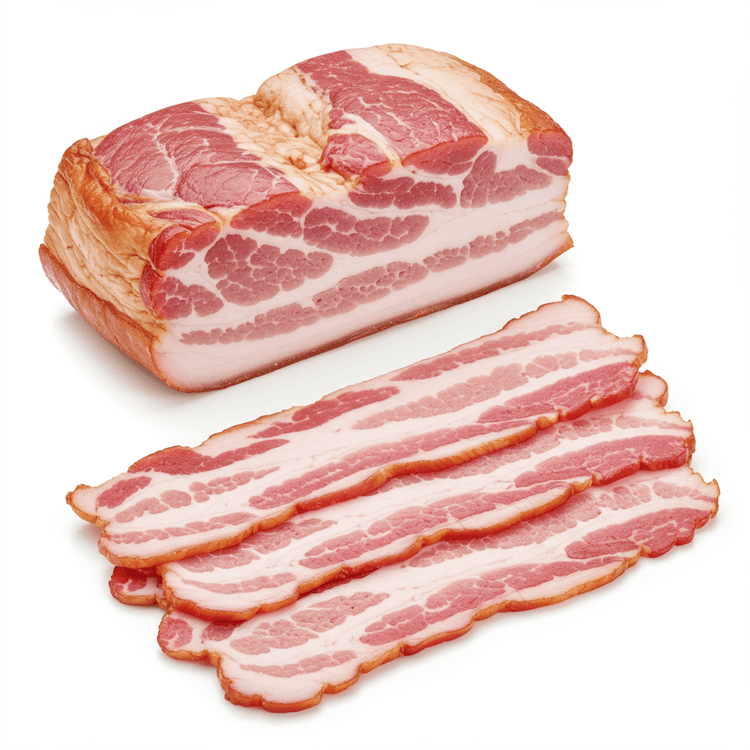
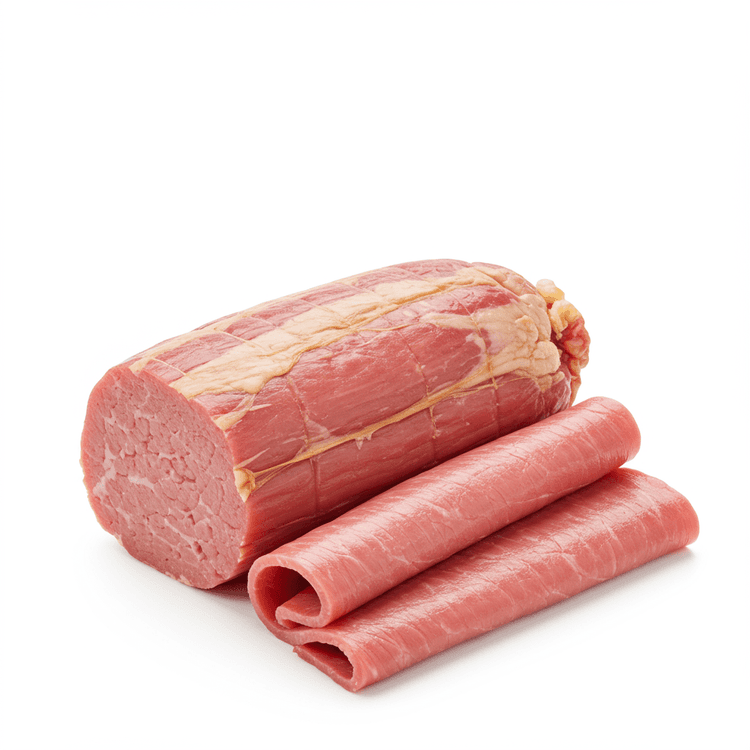
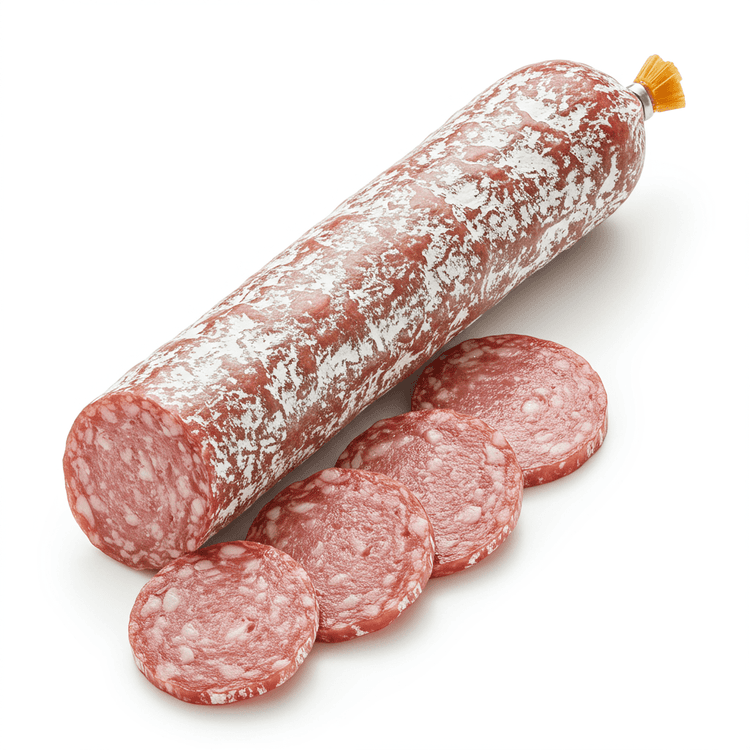
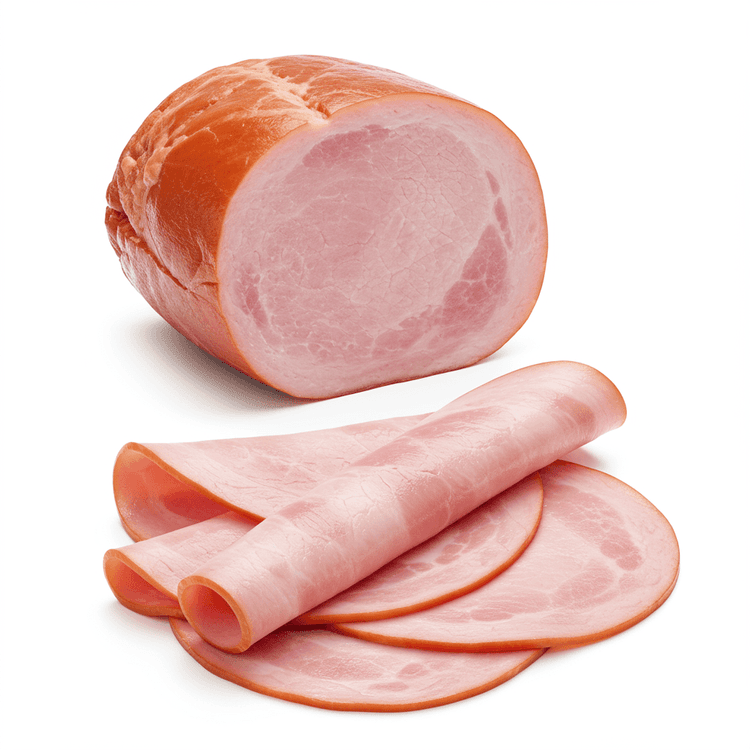
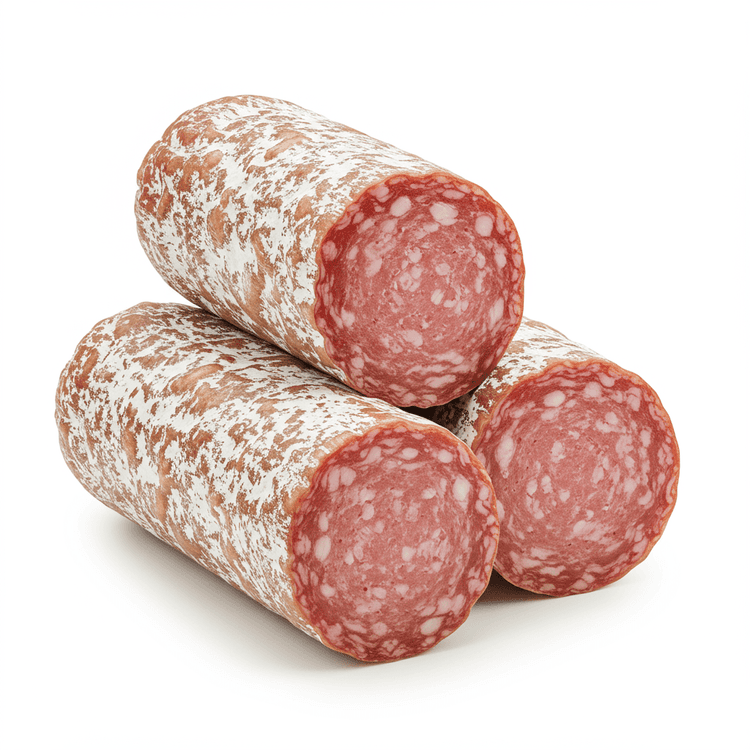
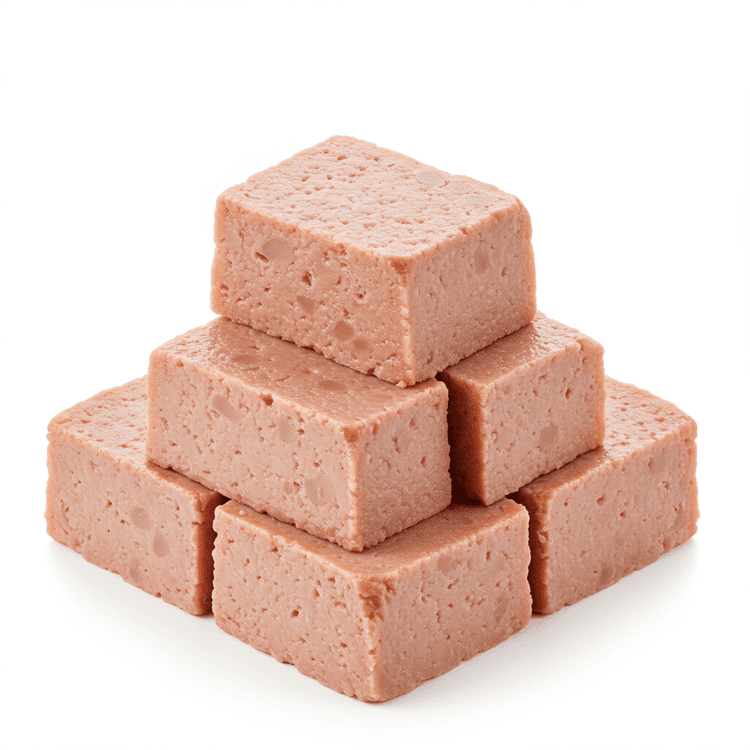
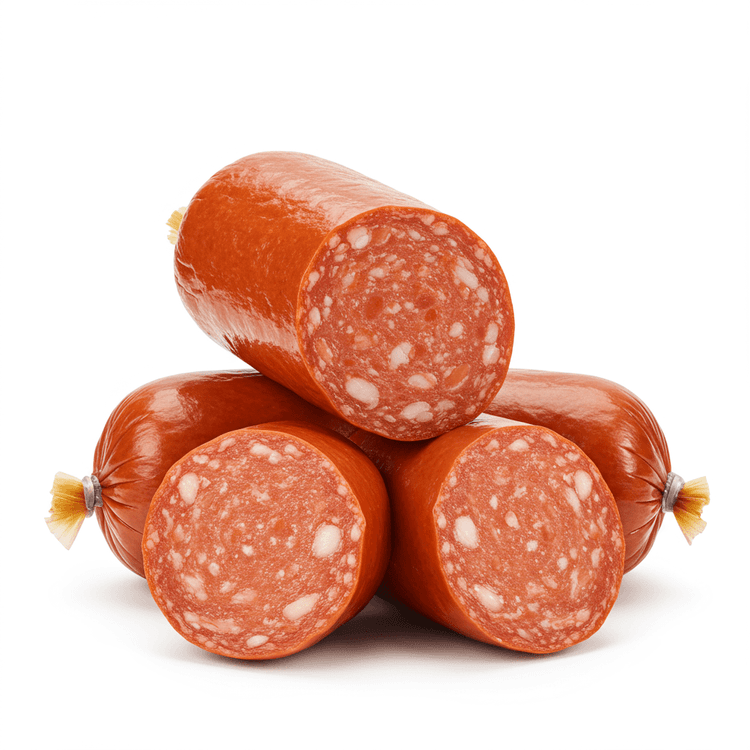
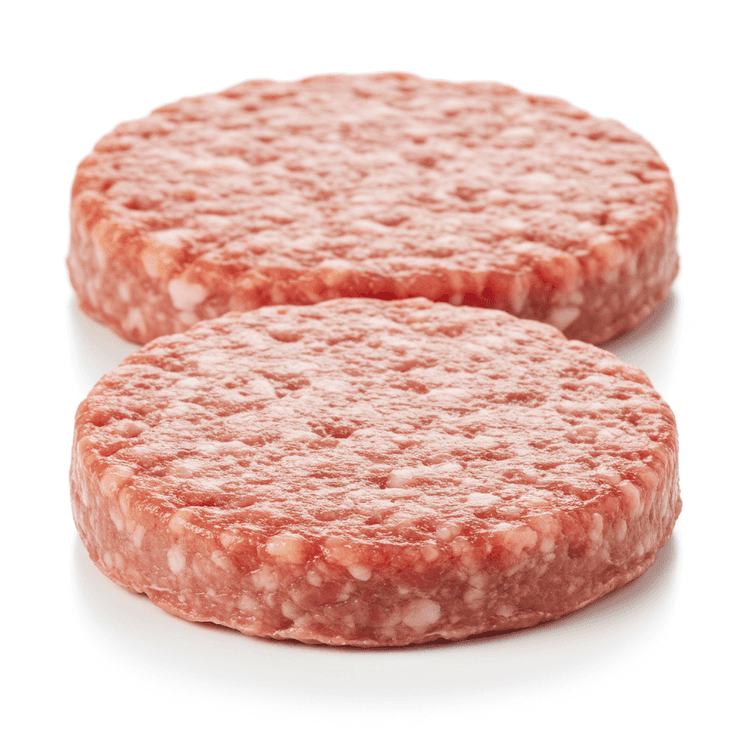
Processed meats, encompassing items like bacon, sausages, ham, and deli slices, often face scrutiny in dietary discussions, but understanding their nutritional profile and place within a balanced diet is crucial. While moderation is key, acknowledging their role in specific culinary traditions and their potential contribution of certain nutrients offers a more nuanced perspective.
One of the primary reasons processed meats are viewed cautiously stems from their sodium content, a preservative used to enhance flavor and extend shelf life. High sodium intake can contribute to elevated blood pressure, increasing the risk of cardiovascular issues. Many processed meats also contain saturated fats, which, when consumed in excess, can negatively impact cholesterol levels. Furthermore, some studies have linked high consumption of certain processed meats to an increased risk of certain types of cancer. It's important to note that not all processed meats are created equal; some are lower in sodium and fat than others, and preparation methods can influence the final nutritional profile.
However, processed meats can also be a source of essential nutrients. They are often rich in protein, vital for muscle building and repair, hormone production, and overall cellular function. Many varieties, particularly those fortified with iron, contribute to red blood cell production and oxygen transport. Some processed meats also contain B vitamins, such as vitamin B12, which is crucial for nerve function and DNA synthesis. The key lies in choosing lean varieties, consuming them in moderation, and balancing them with plenty of fruits, vegetables, and whole grains.
In the culinary world, processed meats are incredibly versatile. Bacon adds a crispy, savory element to breakfast dishes, salads, and even desserts. Sausages are a staple in many cultures, appearing in everything from hearty stews and pasta sauces to breakfast scrambles and grilled platters. Ham is a popular choice for sandwiches, omelets, and festive holiday meals. Deli slices offer a convenient protein source for quick lunches and snacks. From traditional breakfast items to pizza toppings and charcuterie boards, the uses are vast and varied.
Therefore, when incorporating processed meats into your diet, consider these guidelines: Opt for leaner options whenever possible. Look for reduced-sodium varieties. Pay attention to portion sizes. Pair them with nutrient-rich foods like fruits, vegetables, and whole grains to create balanced meals. Be mindful of the preparation method; baking or grilling is often healthier than frying. By making informed choices and practicing moderation, you can enjoy the flavors and culinary versatility of processed meats while prioritizing your health and well-being. Remember that a balanced diet emphasizes a wide variety of foods, and processed meats should be viewed as just one component of a larger, comprehensive nutritional plan. Careful selection and mindful consumption are the keys to enjoying them responsibly. ||
Processed Meat are an essential part of a healthy diet, providing a wide range of nutrients and health benefits. Explore our collection of processed meat ingredients.