Exploring the Fungal Kingdom: A Culinary and Nutritional Treasure
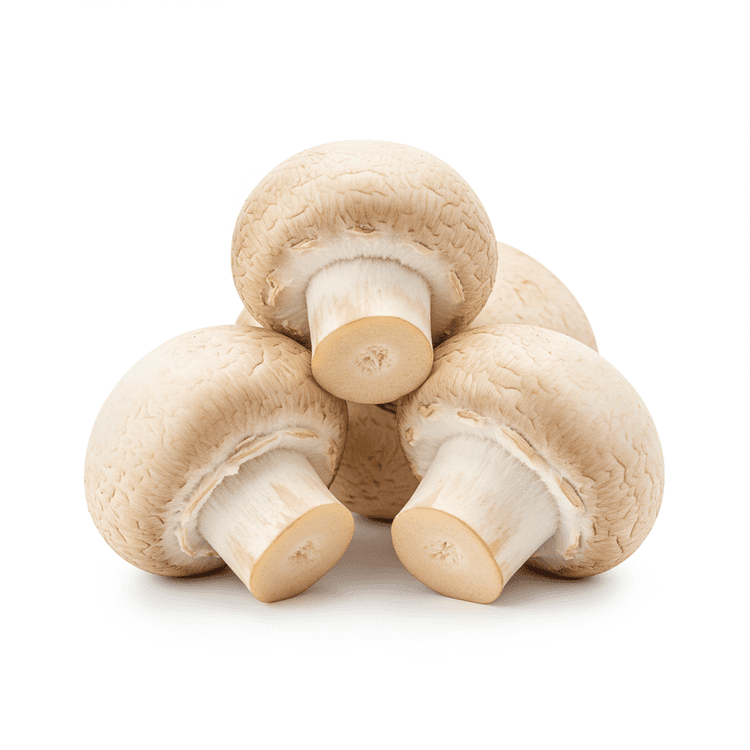
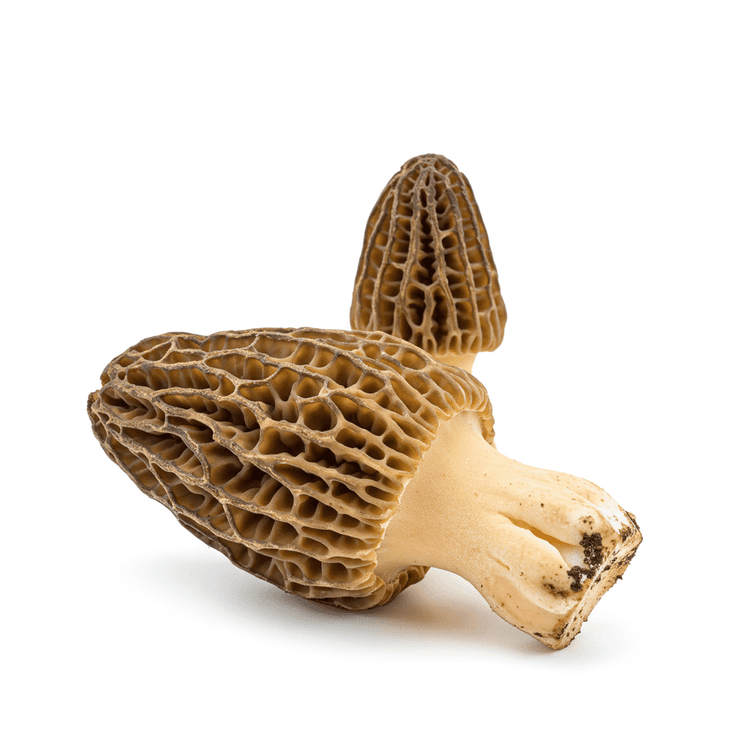
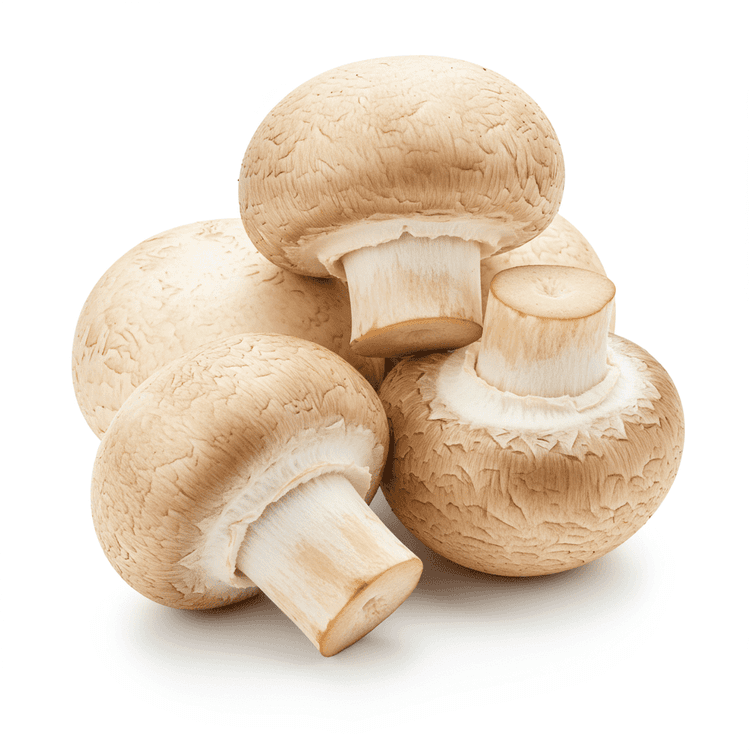
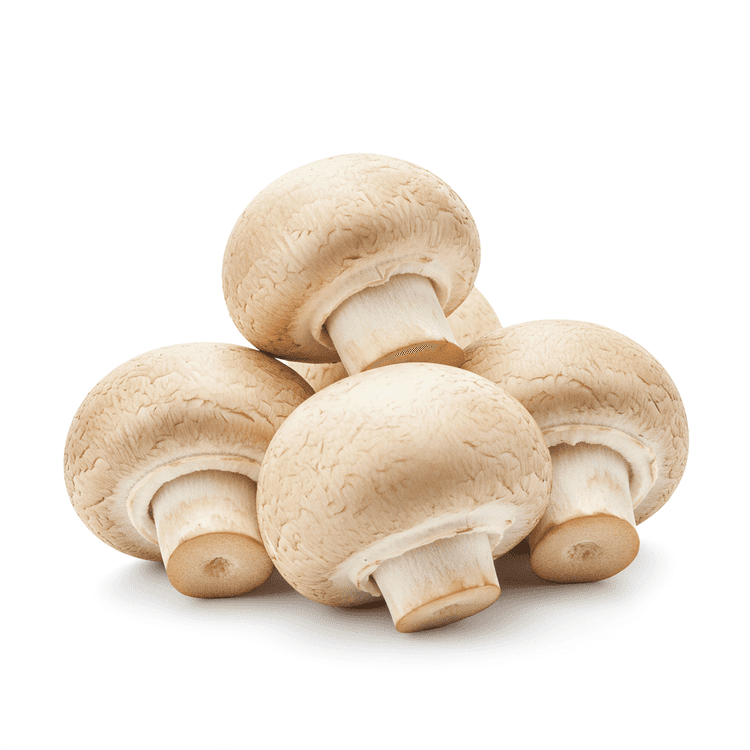
Beyond the world of plants and animals lies the fascinating kingdom of fungi, offering a diverse array of edible delights with significant health benefits. From the humble button mushroom to the exotic shiitake and the earthy truffle, fungi have been cherished for centuries, not only for their unique flavors and textures but also for their impressive nutritional profiles. Incorporating edible fungi into your diet can contribute to overall well-being and add exciting new dimensions to your culinary creations.
Mushrooms, a prominent member of the fungi family, are nutritional powerhouses, boasting a wealth of vitamins, minerals, and antioxidants. They are particularly rich in B vitamins, including riboflavin (B2), niacin (B3), and pantothenic acid (B5), which are crucial for energy production, nerve function, and healthy skin. Certain varieties, like maitake, are excellent sources of vitamin D, a vital nutrient for bone health and immune function. Fungi also provide essential minerals like selenium, an antioxidant that supports thyroid function and protects against cell damage, and copper, necessary for iron absorption and enzyme activity.
Furthermore, fungi are a good source of dietary fiber, promoting healthy digestion and contributing to feelings of fullness, which can aid in weight management. They contain beta-glucans, a type of soluble fiber known for its immune-boosting properties and ability to lower cholesterol levels. Ergothioneine, a powerful antioxidant found in high concentrations in mushrooms, protects cells from oxidative stress and may have anti-aging effects. The specific nutritional content can vary depending on the type of fungus, making it beneficial to explore different varieties to maximize your intake of diverse nutrients.
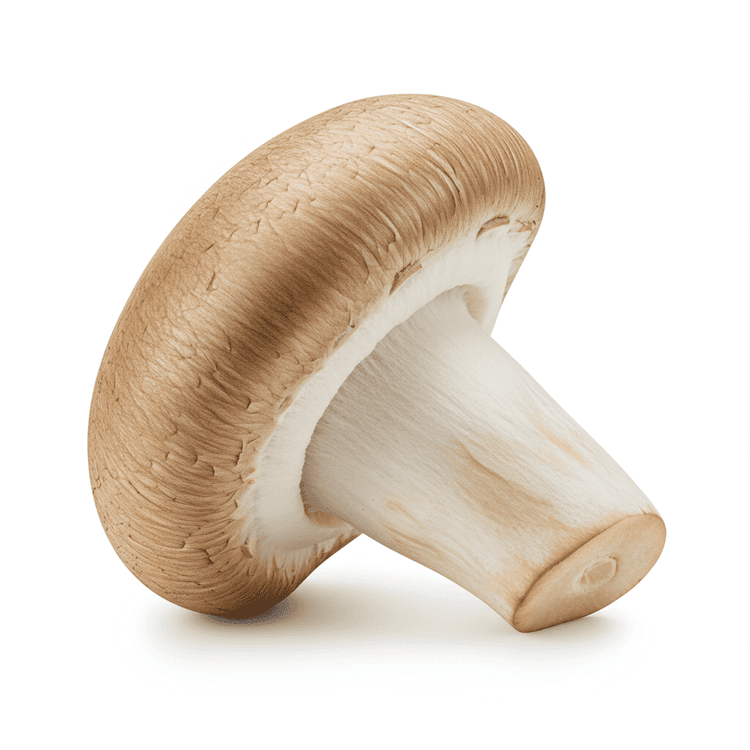
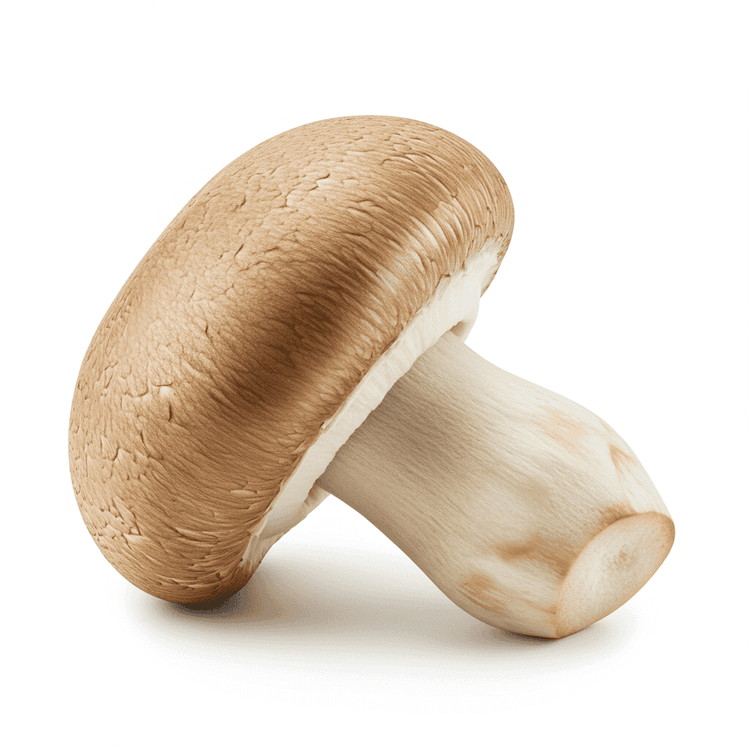
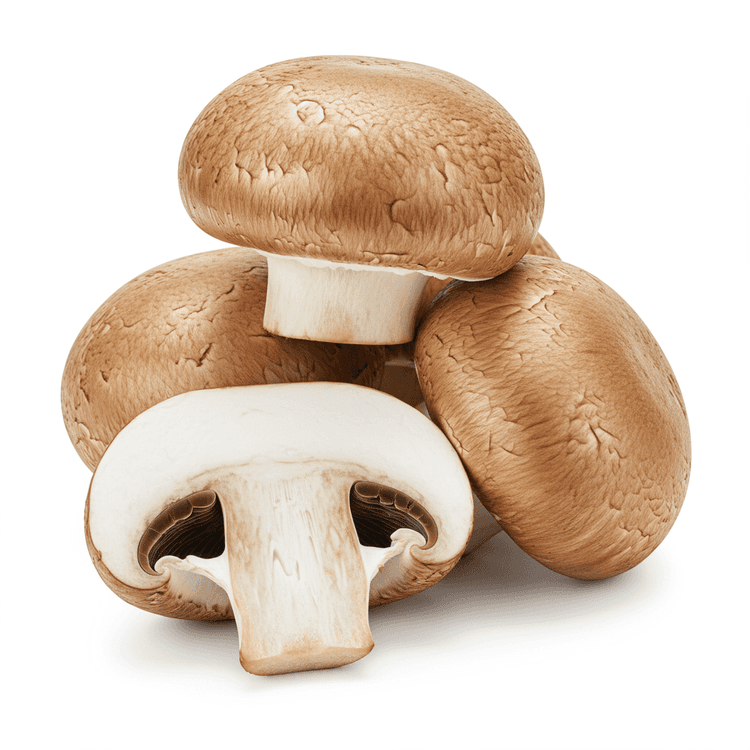
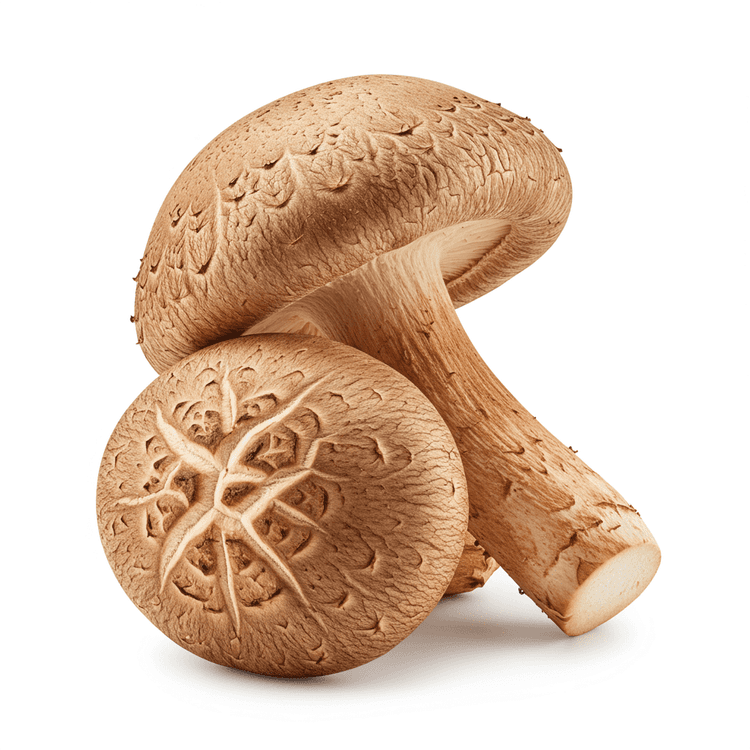
Culinary applications of fungi are incredibly versatile. Mushrooms can be sautéed, grilled, roasted, or incorporated into soups, stews, and sauces. Their savory, umami flavor enhances a wide range of dishes, from vegetarian meals to meat-based entrees. Classic dishes like mushroom risotto, beef stroganoff with mushrooms, and mushroom-stuffed chicken showcase the culinary potential of these fascinating organisms. Different types of fungi offer distinct flavors and textures. Shiitake mushrooms have a rich, smoky flavor, while oyster mushrooms are delicate and slightly sweet. Portobello mushrooms, with their meaty texture, are a popular vegetarian substitute for steak or burgers. Truffles, prized for their intense aroma and flavor, are often shaved over pasta or used to infuse oils and sauces.
Incorporating fungi into a balanced diet is essential for overall wellness due to their unique nutritional advantages. They offer a low-calorie, nutrient-dense food option that supports various bodily functions. Their high fiber content promotes digestive health, while their rich antioxidant profile protects against cellular damage. As a non-animal source of vitamin D and B vitamins, fungi are particularly beneficial for vegetarians and vegans. By exploring the diverse world of edible fungi, you can enhance your culinary experience while reaping the numerous health benefits these fascinating organisms offer. Remember to always source your fungi from reputable suppliers to ensure safety and avoid consuming potentially toxic varieties. Embrace the fungal kingdom and discover a world of flavor and well-being!
||
Fungus are an essential part of a healthy diet, providing a wide range of nutrients and health benefits. Explore our collection of fungus ingredients.