Fermented foods, a culinary tradition spanning millennia, offer a unique blend of delicious flavors and powerful health benefits. The process of fermentation, where microorganisms like bacteria and yeast convert carbohydrates into alcohol or organic acids, not only preserves food but also enhances its nutritional profile. Think tangy sauerkraut, creamy yogurt, bubbly kombucha, and savory miso – each a testament to the transformative power of fermentation.
One of the primary benefits of fermented foods lies in their probiotic content. These beneficial bacteria support a healthy gut microbiome, which is crucial for digestion, nutrient absorption, and immune function. A thriving gut microbiome can help alleviate symptoms of irritable bowel syndrome (IBS), reduce bloating, and even improve mental health. Beyond probiotics, fermentation can also increase the bioavailability of certain nutrients, making them easier for the body to absorb. For example, the fermentation process can increase the levels of B vitamins like folate and vitamin K2.
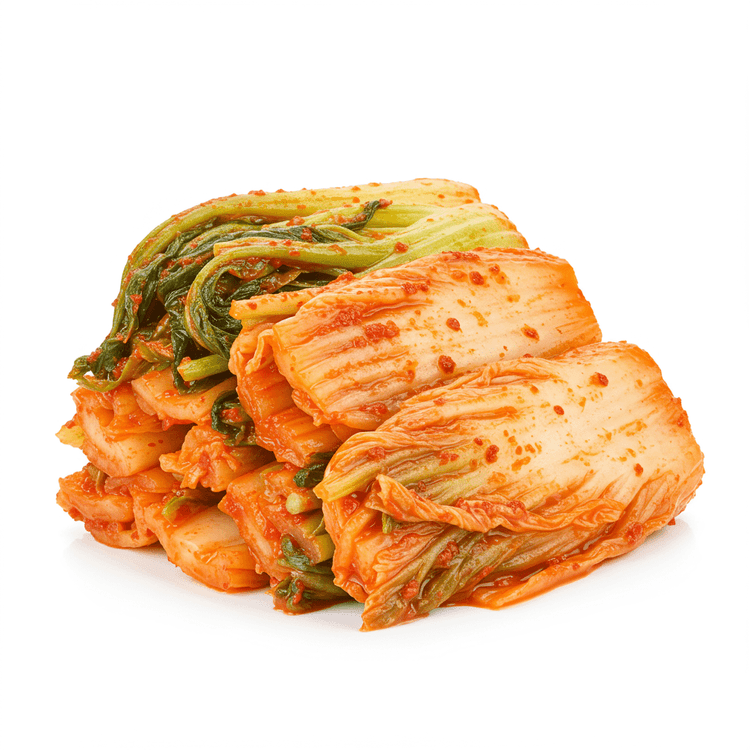
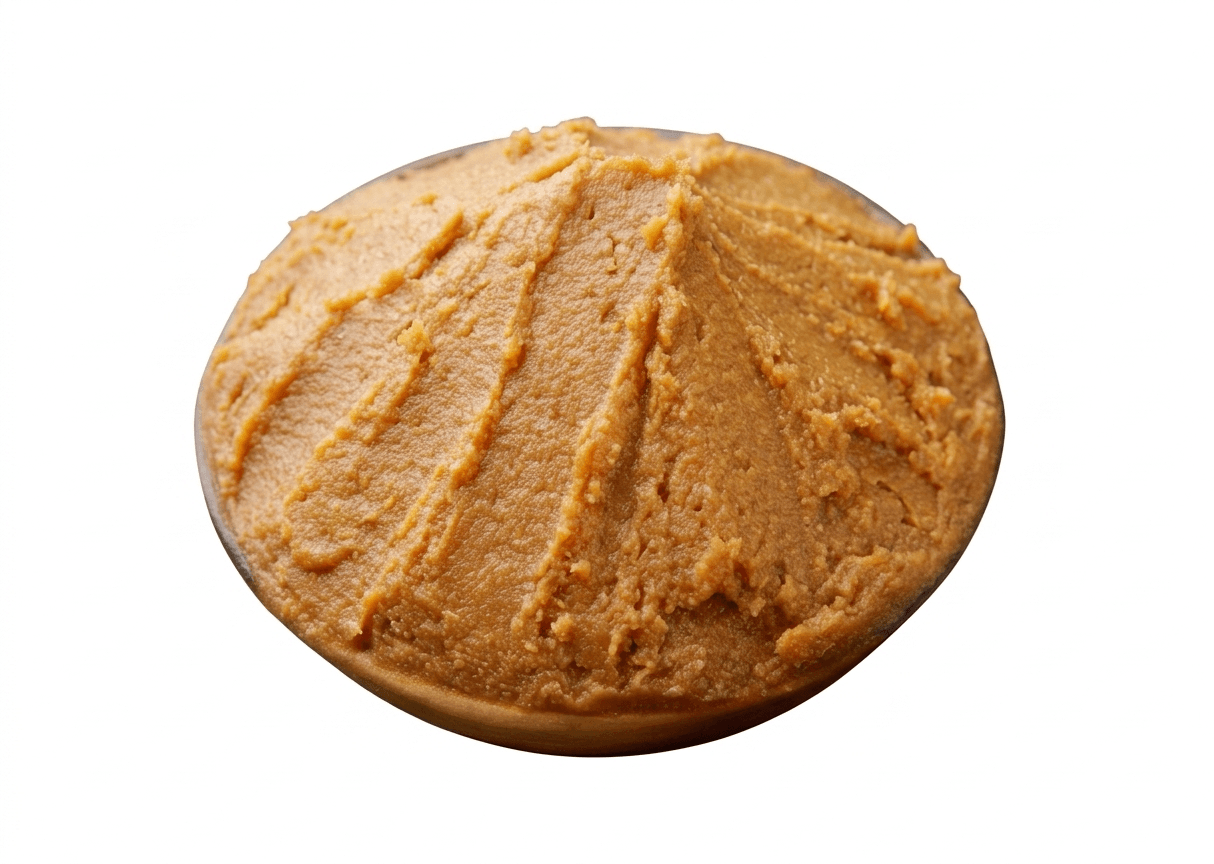
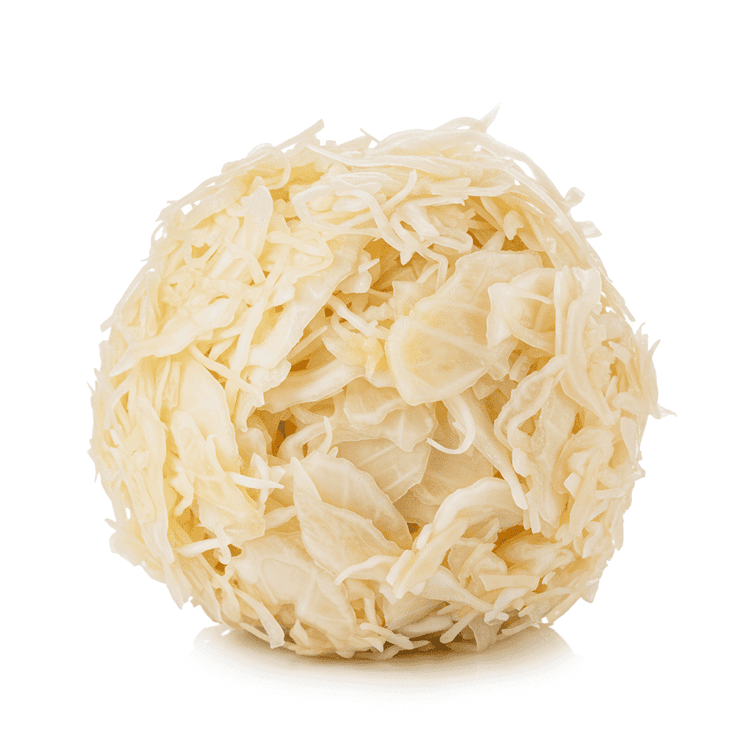
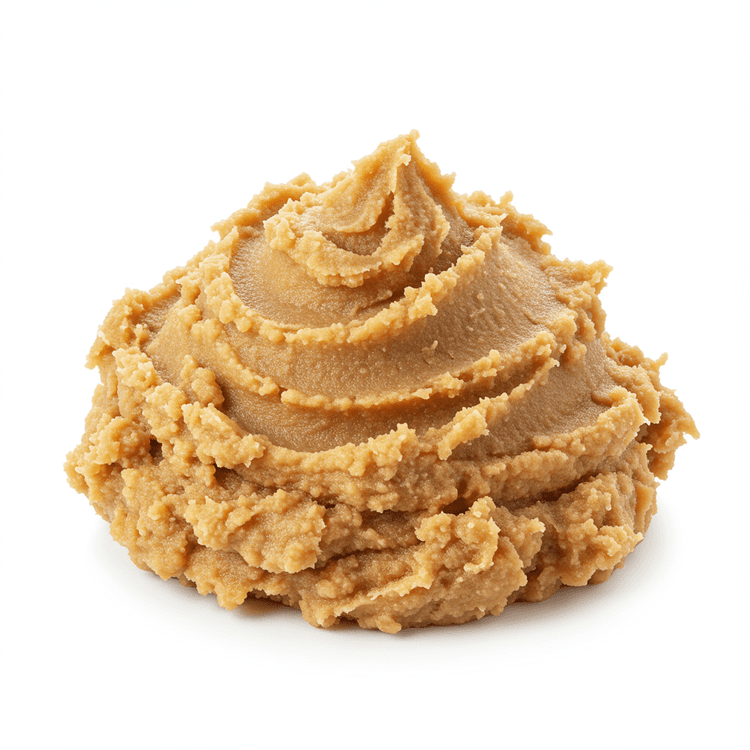
From a culinary perspective, fermented foods add depth and complexity to a wide range of dishes. Sauerkraut complements sausages and hearty stews, while kimchi elevates stir-fries and rice bowls. Yogurt serves as a base for dips, smoothies, and breakfast parfaits. Tempeh, a fermented soybean product, is a popular plant-based protein source that can be grilled, baked, or stir-fried. Miso paste is a staple in Japanese cuisine, adding umami-rich flavor to soups, marinades, and dressings. Kombucha provides a refreshing and slightly tangy alternative to sugary drinks. The possibilities are endless, allowing for culinary exploration and a celebration of diverse flavors.
Incorporating fermented foods into your diet is essential for maintaining a balanced and healthy lifestyle. The probiotics contribute significantly to gut health, which, in turn, influences numerous aspects of overall well-being. Furthermore, the unique enzymes produced during fermentation can aid in digestion and reduce inflammation. Fermented foods often contain antioxidants that combat free radicals, protecting cells from damage. They also provide a natural source of vitamins and minerals, contributing to overall vitality. Because of their impact on the gut microbiome, fermented foods can even play a role in weight management and improved mood. Regular consumption of fermented foods diversifies the gut flora, creating a resilient and balanced ecosystem that supports optimal health. The inclusion of foods like kefir, kimchi, and naturally fermented pickles adds beneficial bacteria to your diet, offering numerous health benefits that can contribute to a happier, healthier you. Consider adding a serving of fermented food to your daily meals to reap the full benefits of this ancient practice.
Ultimately, fermented foods are more than just a trend; they represent a time-tested approach to enhancing flavor, preserving food, and promoting well-being. Their impact on gut health, nutrient bioavailability, and overall health makes them a valuable addition to any balanced diet, offering a delicious and sustainable path to improved health and wellness. ||
Fermented Food are an essential part of a healthy diet, providing a wide range of nutrients and health benefits. Explore our collection of fermented food ingredients.