Alcohol, a ubiquitous component of social gatherings and cultural traditions worldwide, presents a complex nutritional profile. While often enjoyed for its mood-altering effects, it's crucial to understand the potential health implications and navigate its consumption responsibly within a balanced diet.
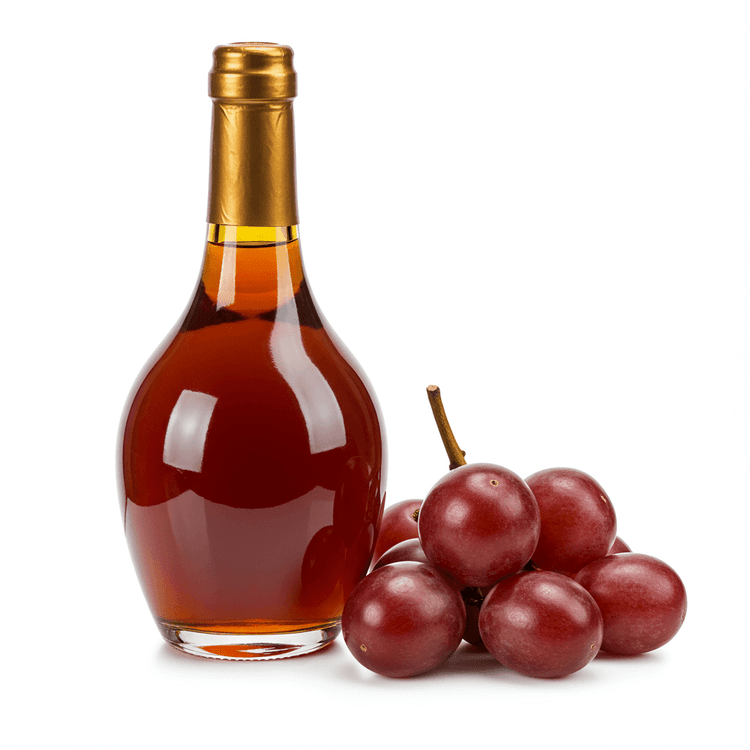
From a nutritional standpoint, alcohol itself provides calories, approximately 7 calories per gram. However, these are often considered "empty calories" as they offer minimal vitamins, minerals, or essential nutrients. Certain alcoholic beverages, particularly red wine, contain antioxidants like resveratrol, which has been linked to potential heart health benefits in some studies. However, the amount of resveratrol in wine is often quite small, and these benefits need to be weighed against the potential risks of alcohol consumption.
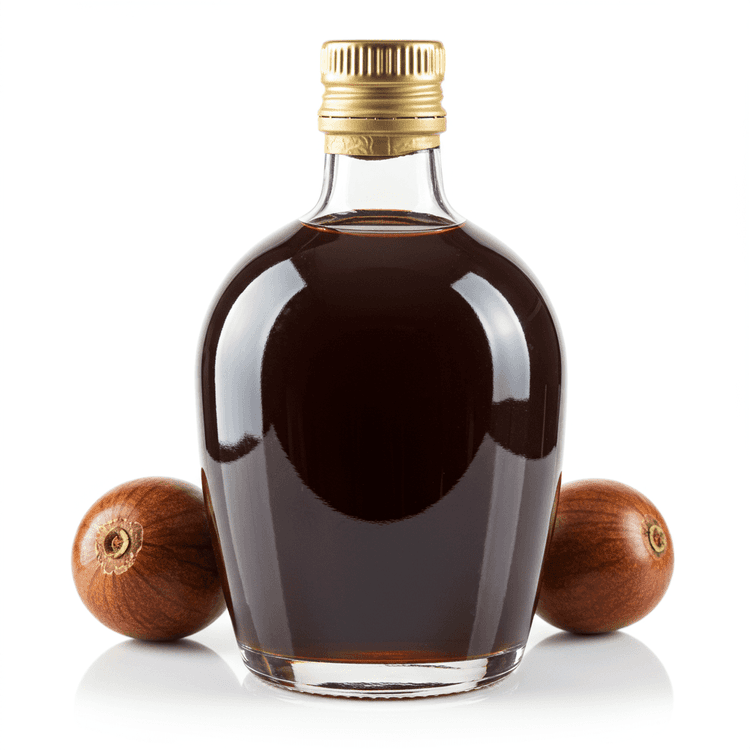
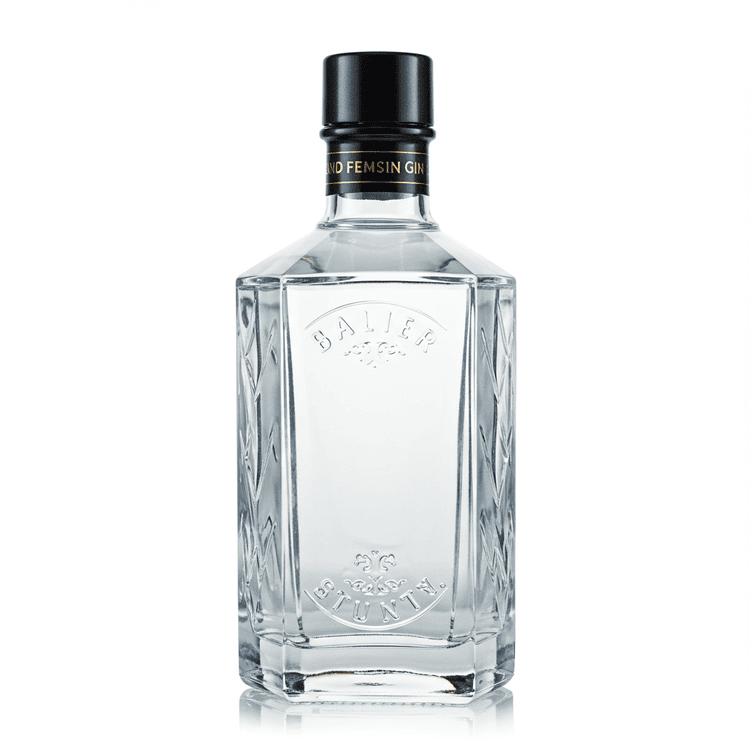
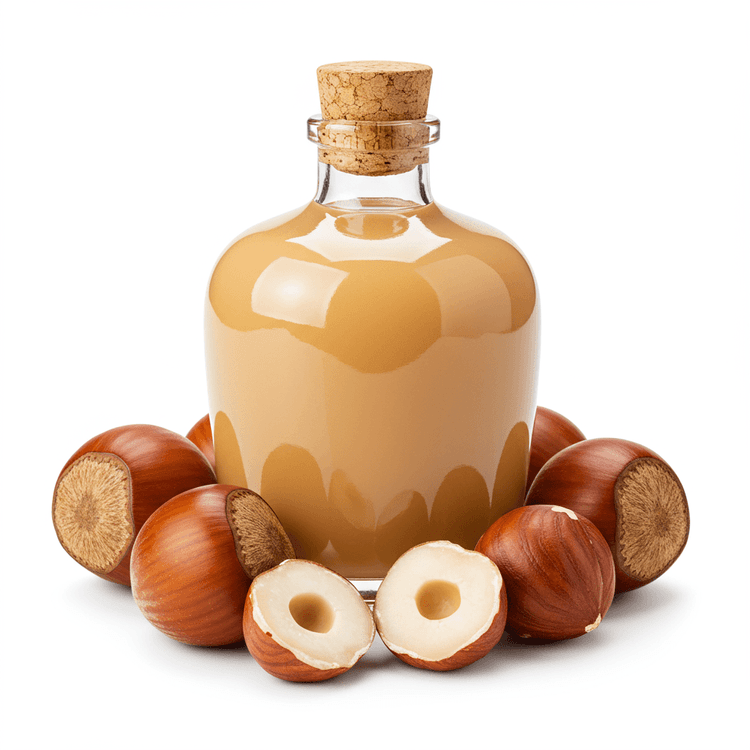
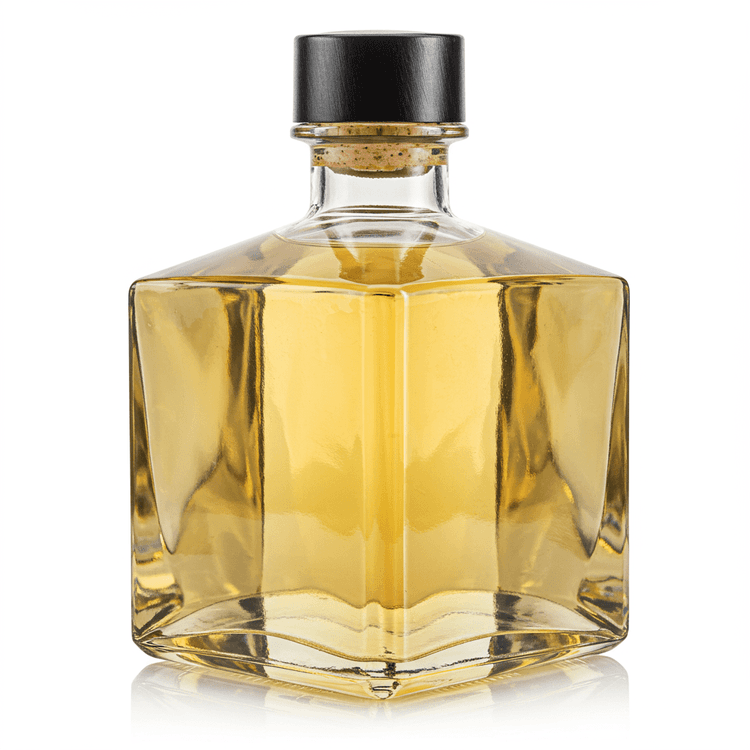
Culinary uses of alcohol are diverse and span across various cuisines. Wine is frequently used in sauces and marinades to add depth and complexity to flavors. Beer can be used to braise meats, creating tender and flavorful dishes like Belgian beef stew. Spirits such as brandy or rum often feature in desserts, adding a distinctive warmth and aroma to cakes, sauces, and flambéed dishes. Cocktails, a blend of spirits, mixers, and garnishes, offer endless possibilities for creative and flavorful combinations. Popular dishes include wine-braised short ribs, beer-battered fish, rum-infused cakes, and a myriad of cocktails like margaritas, mojitos, and old fashioneds.
However, it's vital to acknowledge the potential downsides of alcohol consumption. Excessive alcohol intake is linked to various health problems, including liver damage, increased risk of certain cancers, cardiovascular issues, and mental health disorders. It can also interfere with nutrient absorption and contribute to weight gain. Alcohol can impair judgment and coordination, increasing the risk of accidents and injuries.
Therefore, moderation is key. Health organizations generally recommend limiting alcohol intake to one drink per day for women and up to two drinks per day for men. A standard drink is typically defined as 12 ounces of beer, 5 ounces of wine, or 1.5 ounces of distilled spirits. Individuals with certain medical conditions, those taking specific medications, and pregnant women should avoid alcohol entirely.
Incorporating alcohol into a balanced diet requires careful consideration. It shouldn't replace nutrient-rich foods but can be enjoyed in moderation as part of a healthy lifestyle for those who choose to consume it. Prioritizing whole, unprocessed foods, staying hydrated, and engaging in regular physical activity are all crucial aspects of maintaining overall wellness, regardless of alcohol consumption. It is always best to consult with a healthcare professional or registered dietitian for personalized advice on alcohol consumption based on individual health needs and circumstances. Responsible drinking practices and a focus on overall well-being are essential for minimizing potential risks and maximizing enjoyment. ||
Alcohol are an essential part of a healthy diet, providing a wide range of nutrients and health benefits. Explore our collection of alcohol ingredients.