We use cookies on this website to ensure its proper functioning and to improve the quality of our services. Cookie Policy

Winged beans, also known as goa beans or asparagus peas, are a unique legume prized for their nutritional value and versatility. The entire plant is edible, including the pods, leaves, seeds, flowers, and tubers. The pods, most commonly consumed, have a slightly sweet and nutty flavor, reminiscent of asparagus or green beans, with a crisp, firm texture when young. They are typically bright green in color and have four distinctive winged edges running lengthwise. Find fresh, high-quality winged beans at your local farmers market or Asian grocery stores. Winged bean seeds are sometimes used in vegan cooking as an alternative source of protein.
If you have never tasted one, imagine the grassy snap of a young green bean crossed with the vegetal sweetness of asparagus and a faint pea-like note underneath. The frilly, ruffled edges are the giveaway, and they are also the best part to eat when the pods are picked young and slender, usually before they get much longer than your finger. Once the pods mature and toughen, the flavor turns more starchy and the texture more fibrous, which is why cooks in the tropics prize the tender young pods for everyday eating and save the older ones for the seeds inside.
The winged bean is a tropical legume that thrives in hot, humid climates, so most of the world knows it through Southeast Asian, South Asian, and Papua New Guinean cooking rather than the supermarket produce aisle. Because it bruises easily and does not travel far, fresh pods are usually a farmers-market or Asian-grocery find. Naturally gluten-free and plant-based, it slots easily into vegetarian, vegan, and many low-carb eating patterns, and the whole plant being edible makes it one of the more resourceful vegetables you can bring into a home kitchen.
Save recipes from anywhere, and get answers, swaps, and help as you cook.

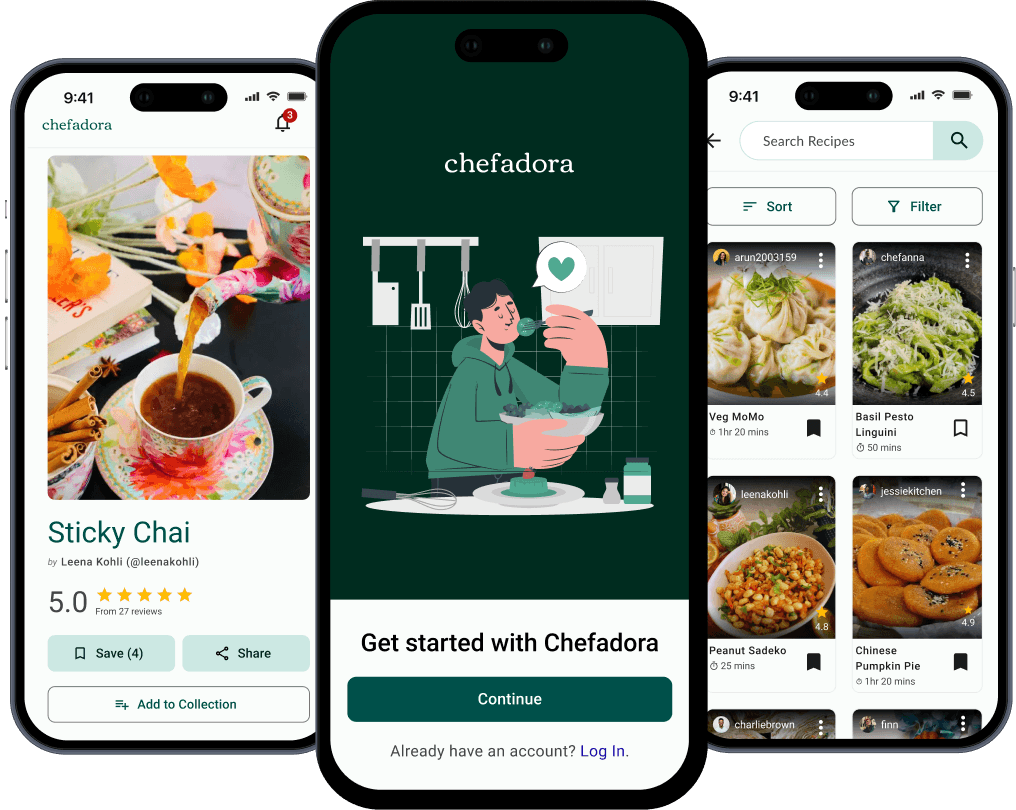
Available now for early access users.