We use cookies on this website to ensure its proper functioning and to improve the quality of our services. Cookie Policy
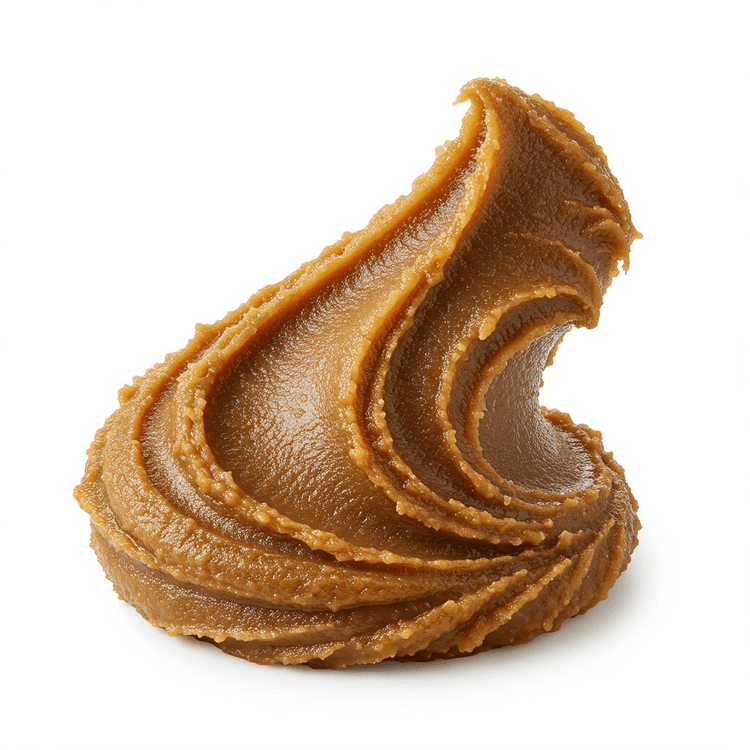
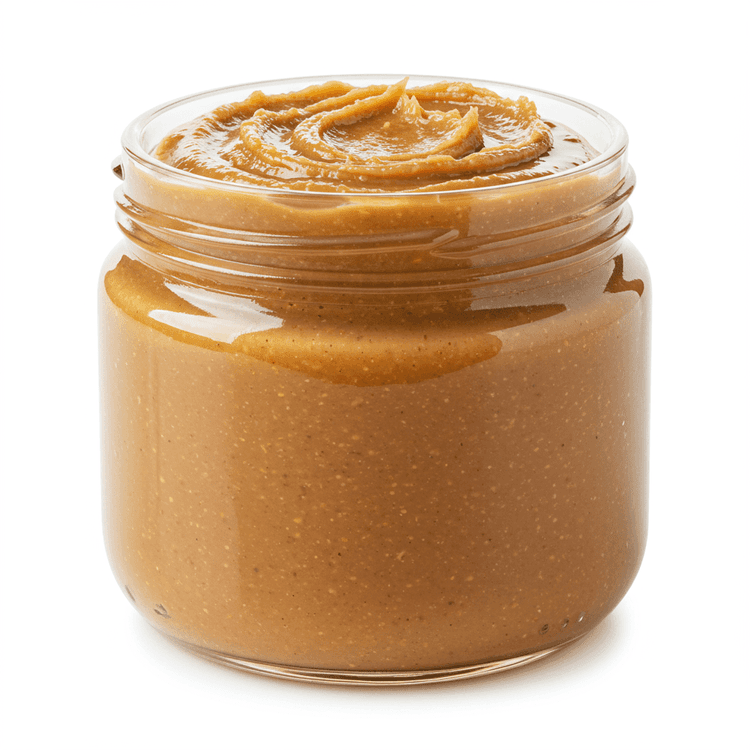
Sesame paste, often called tahini, is a smooth, creamy paste made from ground sesame seeds. It boasts a nutty, slightly earthy flavor with a subtle bitterness that adds depth to both sweet and savory dishes. Its texture is rich and luxurious, similar to peanut butter but with a lighter consistency. Typically, sesame paste is light beige or tan in color. It's a key ingredient in Middle Eastern and Mediterranean cuisines and is widely used as a condiment, dip, or base for sauces, dressings and desserts. It is a versatile ingredient for adding a nutty, rich flavour to various culinary applications.
What does sesame paste taste like? Think toasted nuts with a gentle, savory edge and a whisper of bitterness at the finish, a bit like the skin on a fresh walnut. Middle Eastern tahini, made from lightly toasted hulled seeds, tends to be pale and mellow, while the Chinese sesame paste you'll find in dan dan noodles or hot pot dipping sauces is made from more heavily roasted seeds, so it's darker, toastier, and more intense. They aren't quite interchangeable, so it's worth knowing which one a recipe is asking for.
One thing that surprises a lot of first-time cooks: good sesame paste separates in the jar, with a layer of oil floating on top. That's completely normal and a sign there aren't stabilizers in it. Give it a thorough stir before you measure, and don't be alarmed if a spoonful tastes bracingly bitter on its own. It's built to be balanced with acid, salt, sweetness, or fat, and it blooms beautifully once you loosen it with a little water or lemon.
Save recipes from anywhere, and get answers, swaps, and help as you cook.


Available now for early access users.