We use cookies on this website to ensure its proper functioning and to improve the quality of our services. Cookie Policy
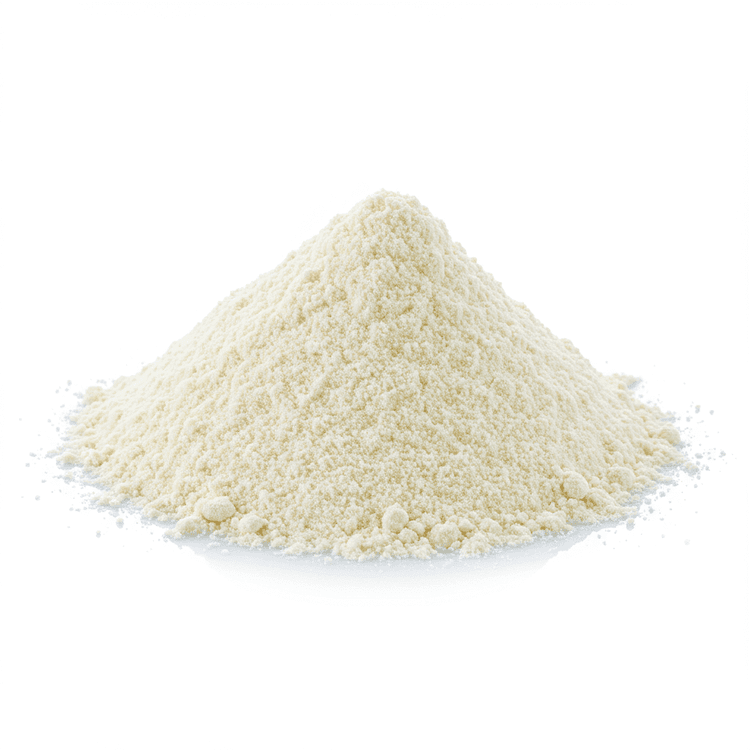
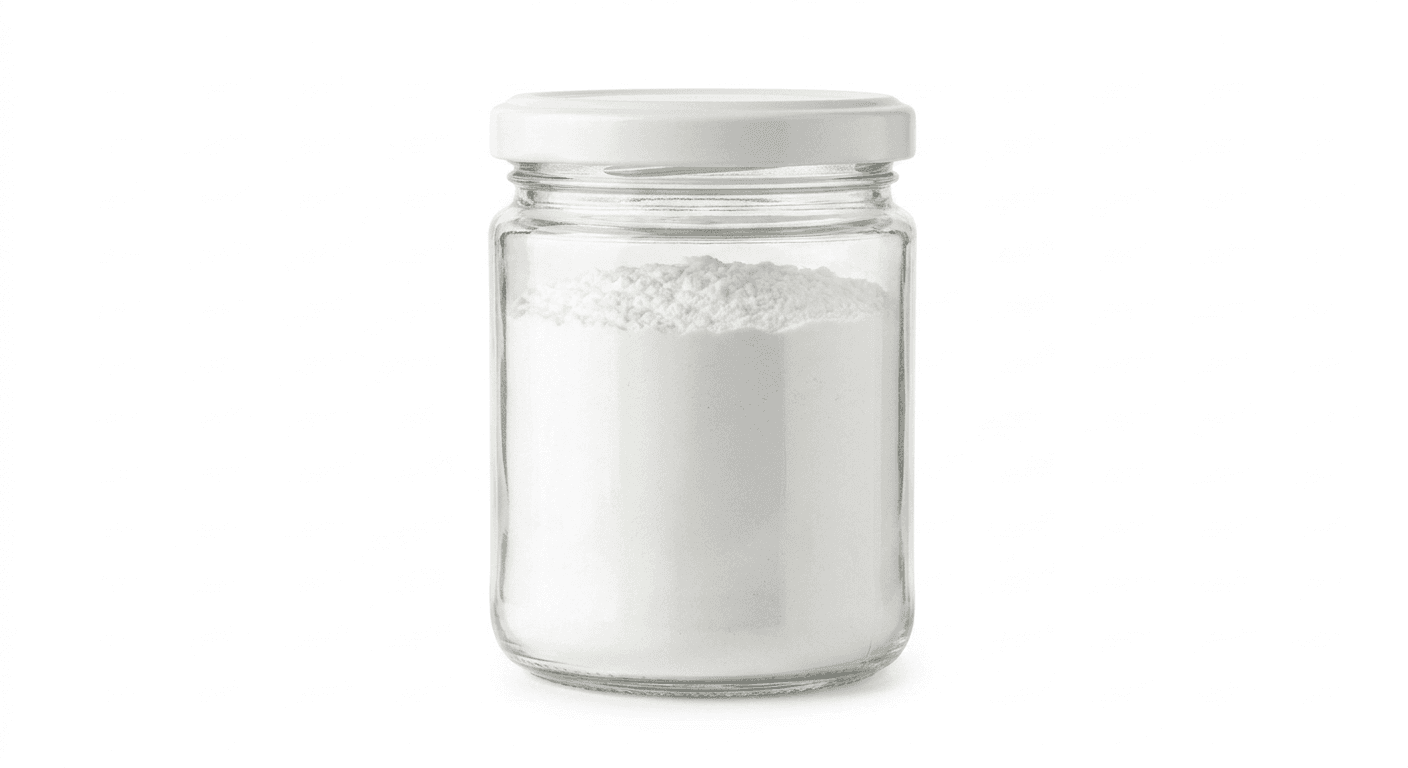
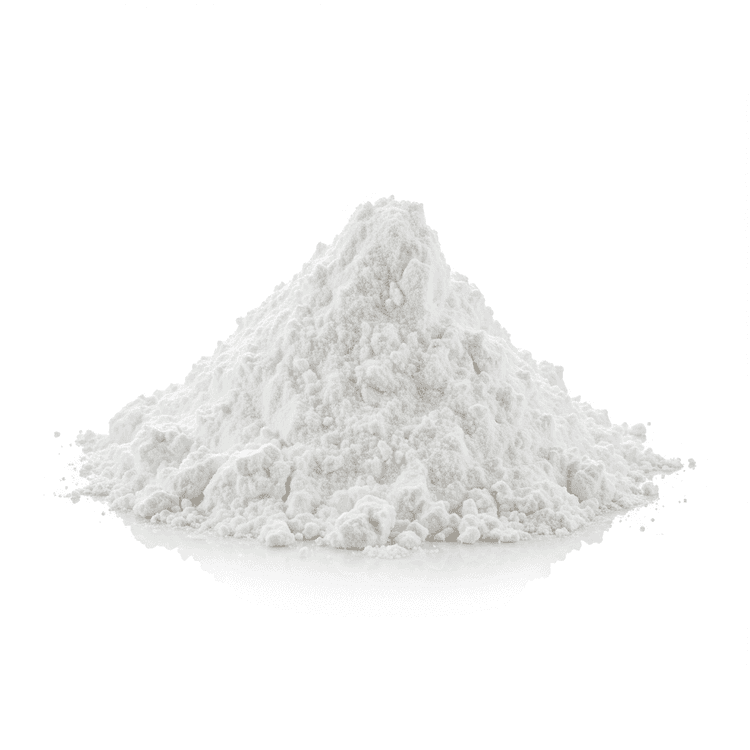
Rice powder, also known as rice flour, is a finely milled powder made from ground rice. It has a mild, slightly sweet flavor and a smooth, slightly gritty texture. The appearance is typically a fine, white powder. Rice powder is a versatile ingredient used as a gluten-free alternative to wheat flour in baking, a thickening agent in sauces and soups, and a key component in various Asian cuisines. Explore rice powder as a healthy and adaptable addition to your culinary endeavors.
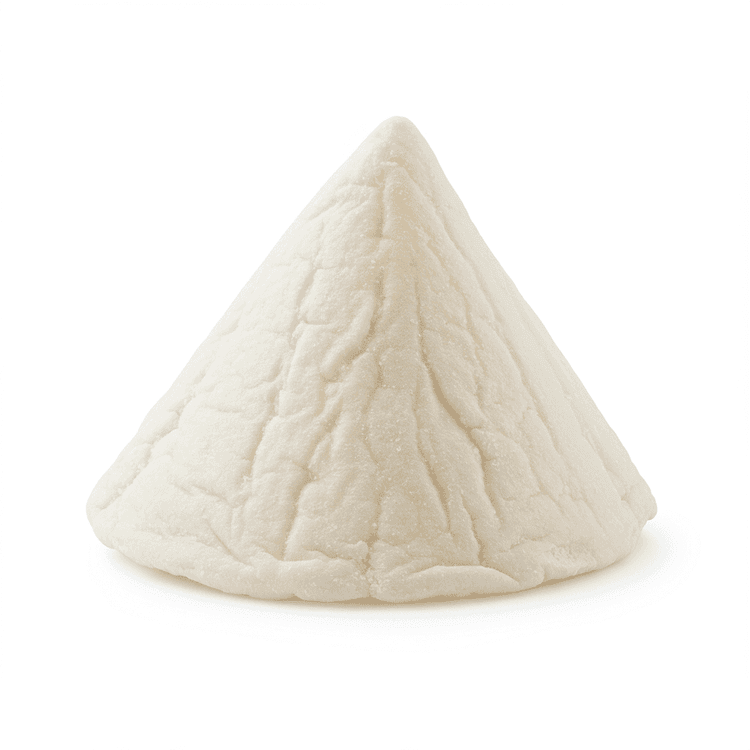
On its own, rice powder tastes clean and almost neutral, with just a whisper of natural sweetness and none of the beany or nutty notes you get from bean or nut flours. That blank-canvas quality is exactly why cooks reach for it so often: it thickens without muddying, coats without adding flavor of its own, and lets whatever it's paired with take center stage. You'll find two main styles on the shelf. Regular white rice flour is the everyday workhorse for dredging, thickening, and blended gluten-free bakes, while glutinous or "sweet" rice flour (made from sticky short-grain rice, and despite the name, entirely gluten-free) is the one you want for chewy, stretchy textures in mochi and rice cakes.
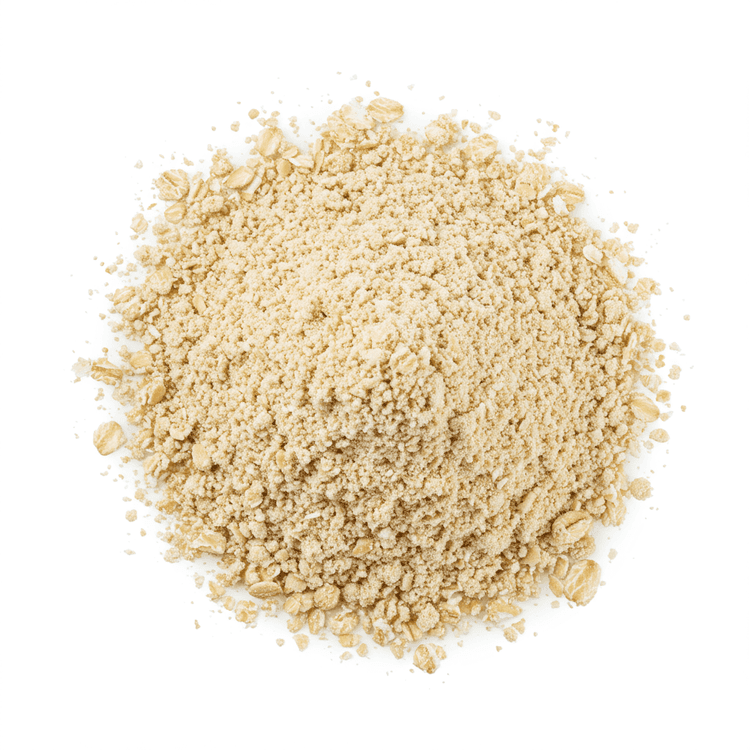
Because it has no gluten to build structure, rice powder behaves differently from wheat flour. It won't stretch or trap air the way a wheat dough does, so in baking it usually works best blended with other flours and a binder like xanthan gum or egg. Where it truly shines is anywhere you want lightness and crispness rather than chew, which is why it's a staple in tempura batters, crackers, and delicate steamed cakes across much of Asia. If you're comparing it to other pantry starches and flours, it sits comfortably alongside options like oat flour for gluten-free baking and pure starches for thickening.
Save recipes from anywhere, and get answers, swaps, and help as you cook.


Available now for early access users.