We use cookies on this website to ensure its proper functioning and to improve the quality of our services. Cookie Policy
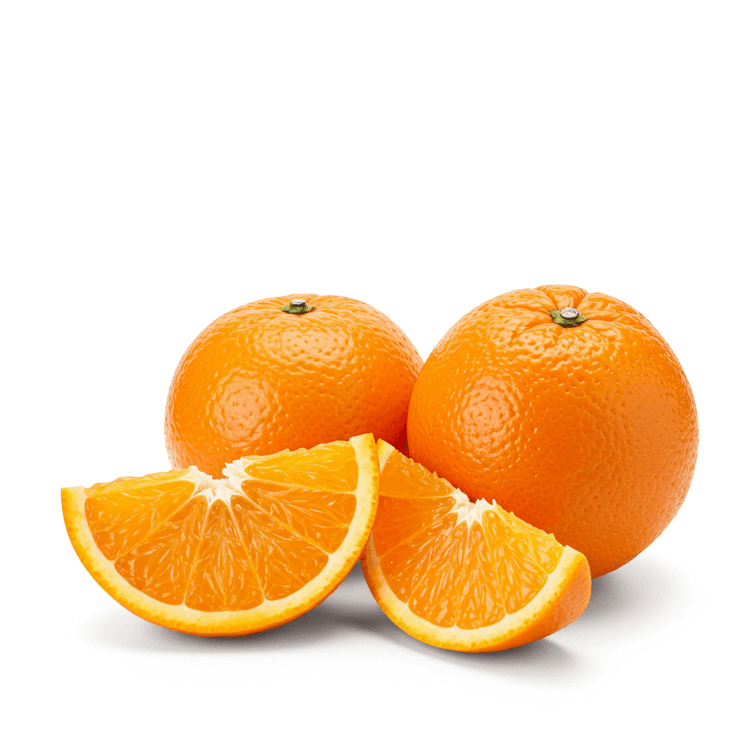
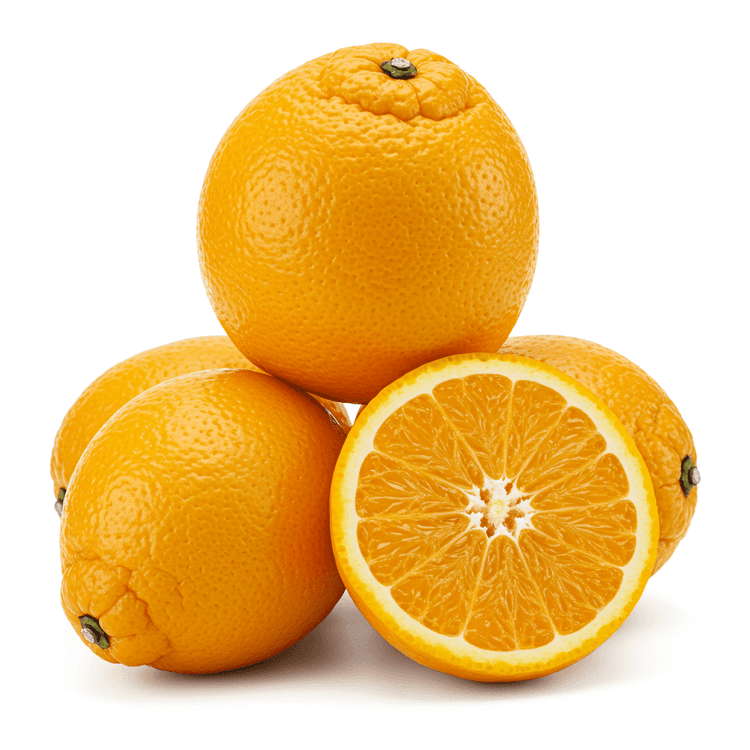
Orange extract is a concentrated flavoring derived from the oil of oranges, providing an intense citrus flavor to baked goods, desserts, and beverages. It's a clear, potent liquid with a vibrant orange aroma and a strong, sweet-tart taste. Unlike orange juice or zest, orange extract won't add moisture or texture, making it ideal for recipes where a strong orange flavor is desired without altering the consistency. For bakers looking to enhance their recipes with a distinct orange taste, or for anyone seeking an easy way to add a zing to their favorite drinks, orange extract is a versatile and effective ingredient.
A little goes a long way here. Most extracts are far more concentrated than the fresh fruit, so you're usually working in teaspoons or even fractions of a teaspoon rather than tablespoons. Taste-wise, it leans bright and floral with that unmistakable sweet-orange lift, though it can turn slightly bitter or perfumey if you overpour, so it pays to start small and build up. Because it's alcohol-based (most bottles are orange oil suspended in ethanol), the flavor blooms as it heats, which is why it shines in cakes, custards, and syrups.
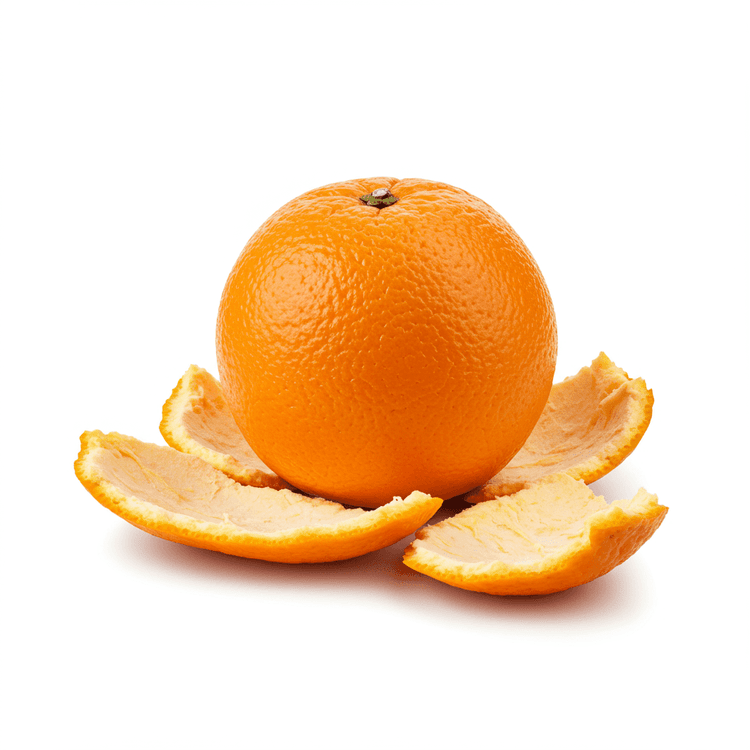
It's worth knowing the difference between pure and imitation versions. Pure orange extract carries the actual oil pressed from orange peels, while imitation relies on flavor compounds to mimic the taste at a lower cost. Both work in most recipes, but the pure version tends to taste rounder and more natural, especially in delicate desserts where the orange is meant to be the star rather than a background note. If you don't have any on hand, fresh orange zest or a splash of orange liqueur can stand in with a little adjusting.

Save recipes from anywhere, and get answers, swaps, and help as you cook.


Available now for early access users.