We use cookies on this website to ensure its proper functioning and to improve the quality of our services. Cookie Policy
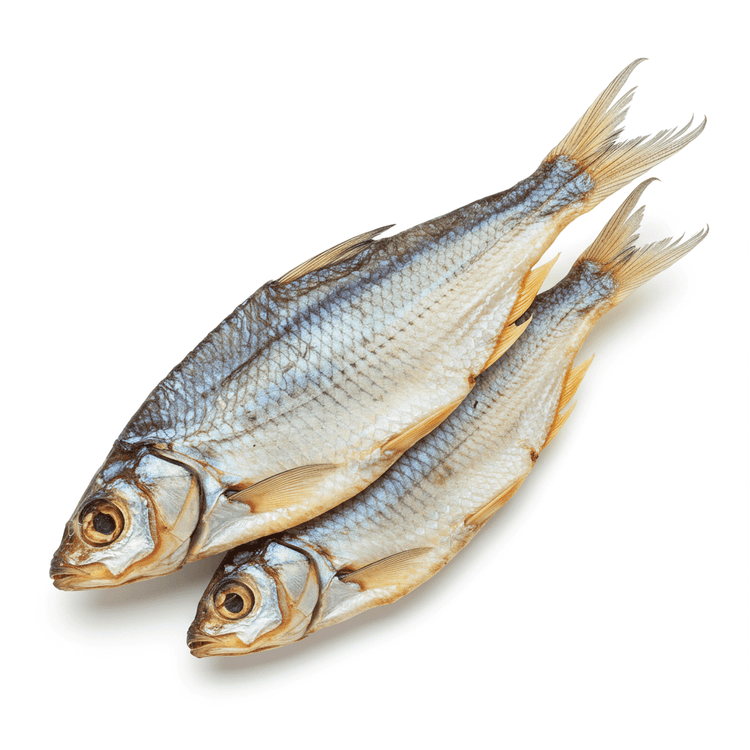
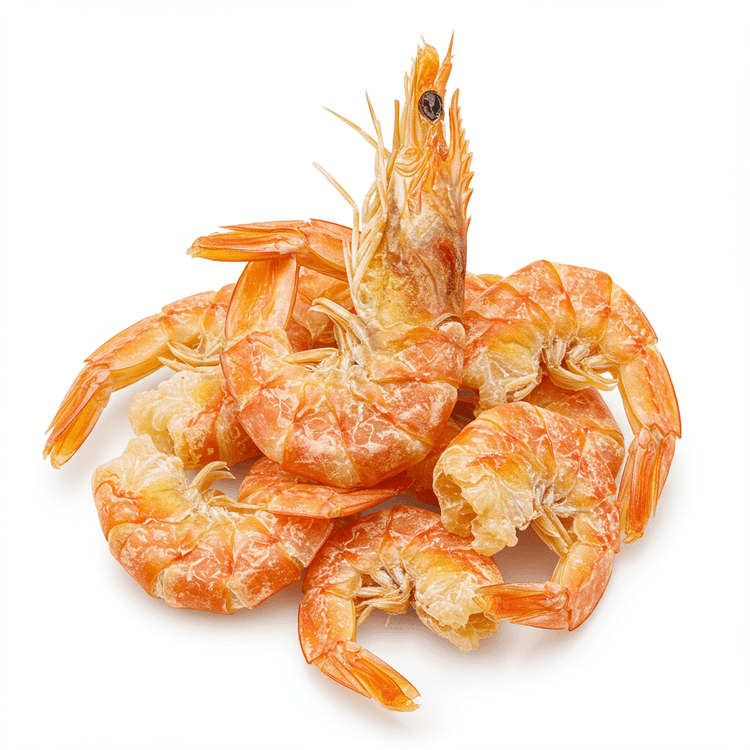
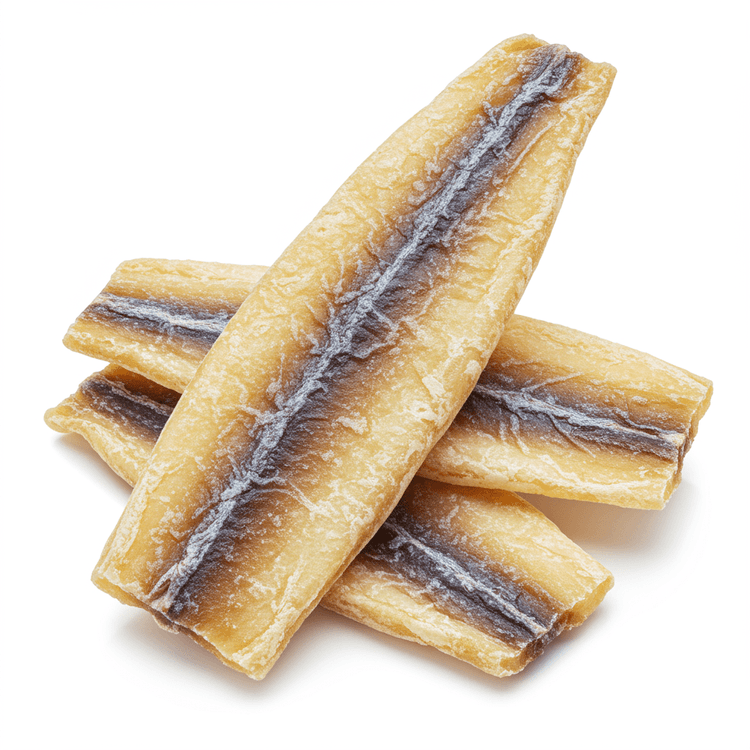
Dried fish, sometimes called stockfish or simply dry fish, is a shelf-stable food made by drawing the moisture out of fresh fish until it turns firm and keeps for months. With the water gone, bacteria can't take hold, so what's left is a dense, chewy piece of fish with a flavor that has been concentrated many times over. That's really the magic of it: a small handful carries a deep, savory, almost meaty umami punch that fresh fish simply can't match. Depending on the fish and the curing method, a piece can range from pale tan to deep brown, often with a faintly translucent, leathery look.
The taste is bold and unmistakably fishy in the best sense — briny, savory, and lingering, with a saltiness that varies by how it was cured. Some varieties are dried plain, while others are salted first, which is why you'll often see it grouped with other cured seafood staples. It isn't meant to be eaten by the fistful like fresh fish; instead, it's a background player that seasons an entire pot.
Across West African, Scandinavian, Southeast Asian, and Caribbean kitchens, dried fish is a pantry cornerstone. Cooks reach for it the way others reach for stock cubes or bacon — a little goes a long way, and it turns a plain pot of beans, greens, or rice into something with real backbone. Once you learn to rehydrate and season with it, it becomes one of those ingredients you always want on the shelf.
Save recipes from anywhere, and get answers, swaps, and help as you cook.


Available now for early access users.