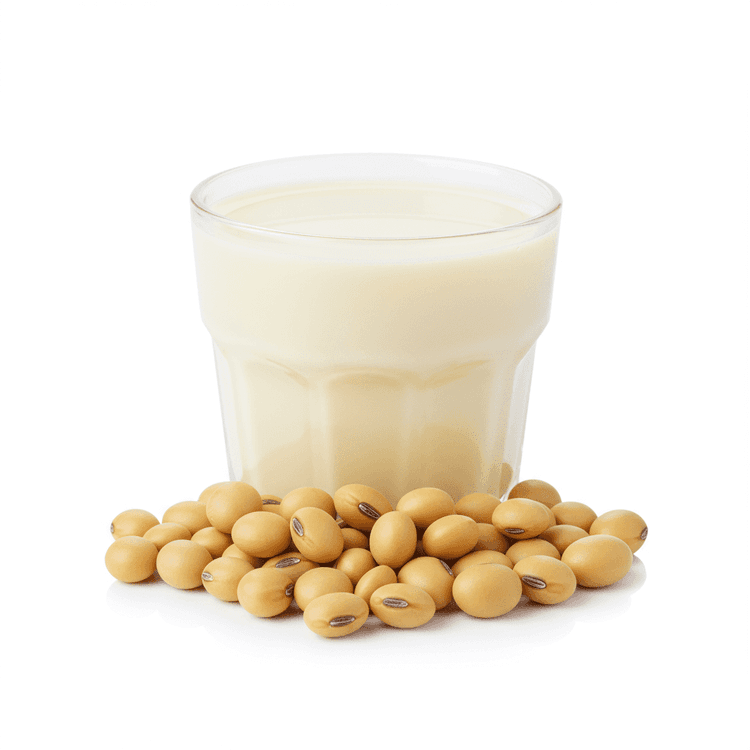
Plant-based milks have revolutionized the dairy aisle, offering delicious and nutritious alternatives for those seeking lactose-free, vegan, or simply more sustainable options. From creamy oat milk to protein-rich soy milk and subtly sweet almond milk, the variety caters to diverse tastes and dietary needs. These beverages aren't just substitutes; they're unique nutritional powerhouses in their own right, often fortified with essential vitamins and minerals to rival or even surpass the benefits of traditional cow's milk.
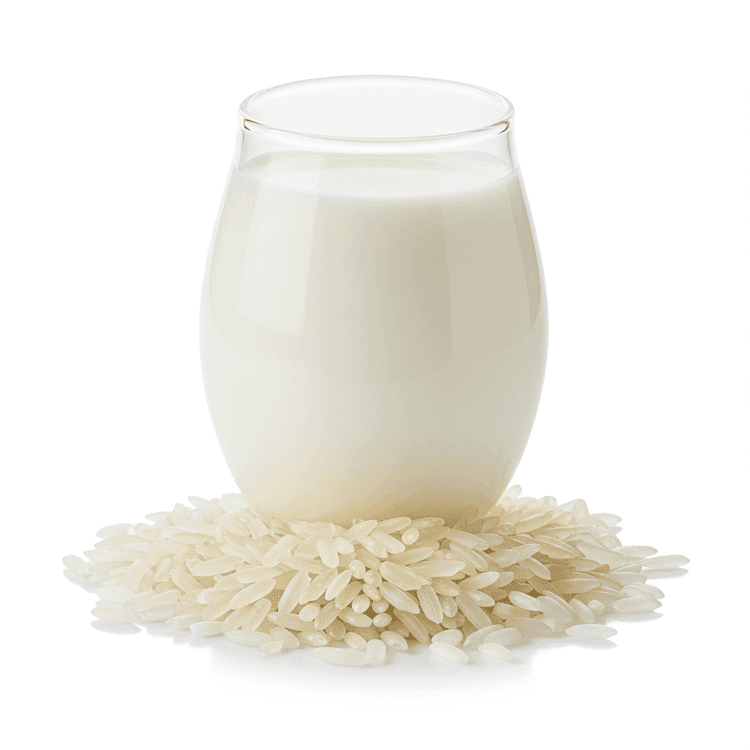
One of the most significant health benefits of plant-based milks is their inherent lack of lactose, making them easily digestible for individuals with lactose intolerance. Many varieties are also naturally cholesterol-free and lower in saturated fat than cow's milk, contributing to improved heart health. Moreover, plant-based milks are typically a good source of vitamins and minerals, often enriched with calcium, vitamin D, and vitamin B12. For example, almond milk, while naturally lower in protein, is often a good source of vitamin E, a powerful antioxidant that protects cells from damage. Soy milk stands out as a complete protein source, providing all nine essential amino acids, crucial for muscle building and repair. Oat milk boasts a creamy texture and contains soluble fiber, which can help lower cholesterol levels and promote gut health. Rice milk, known for its mild flavor, is a hypoallergenic option suitable for those with multiple allergies.
In the kitchen, plant-based milks are incredibly versatile. They seamlessly integrate into your favorite recipes, from morning coffee and smoothies to baked goods and savory dishes. Use almond milk to create light and fluffy pancakes or creamy sauces. Soy milk adds richness to lattes and desserts. Oat milk shines in overnight oats and homemade granola. Cashew milk's naturally thick consistency makes it ideal for vegan cheesecakes and ice cream. Experiment with different varieties to discover their unique flavor profiles and textures. Plant-based milk can be heated, frothed, and used as a 1:1 replacement for dairy milk in most recipes.
The importance of incorporating plant-based milks into a balanced diet stems from their ability to provide essential nutrients while catering to diverse dietary needs and preferences. They offer a sustainable and ethical alternative to dairy, reducing environmental impact and promoting animal welfare. By choosing plant-based milk, you can diversify your nutrient intake, support your overall health, and contribute to a more sustainable food system. The unique nutritional advantages of each type of plant-based milk allow you to tailor your choices to your specific needs, whether you are looking for a good source of protein, calcium, or healthy fats. From creamy lattes to wholesome breakfasts, plant-based milk adds a touch of goodness to every meal. ||
Plant-Based Milk are an essential part of a healthy diet, providing a wide range of nutrients and health benefits. Explore our collection of plant-based milk ingredients.