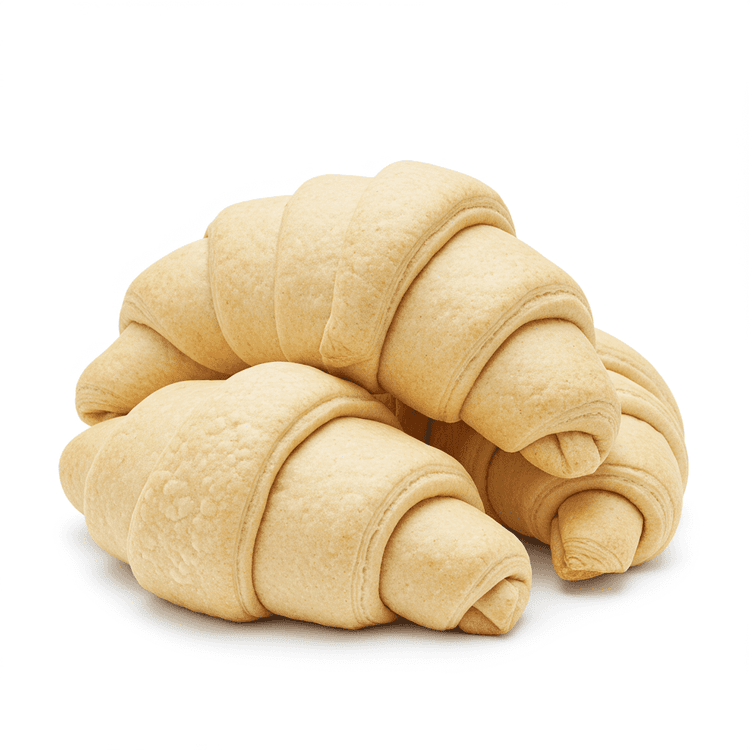
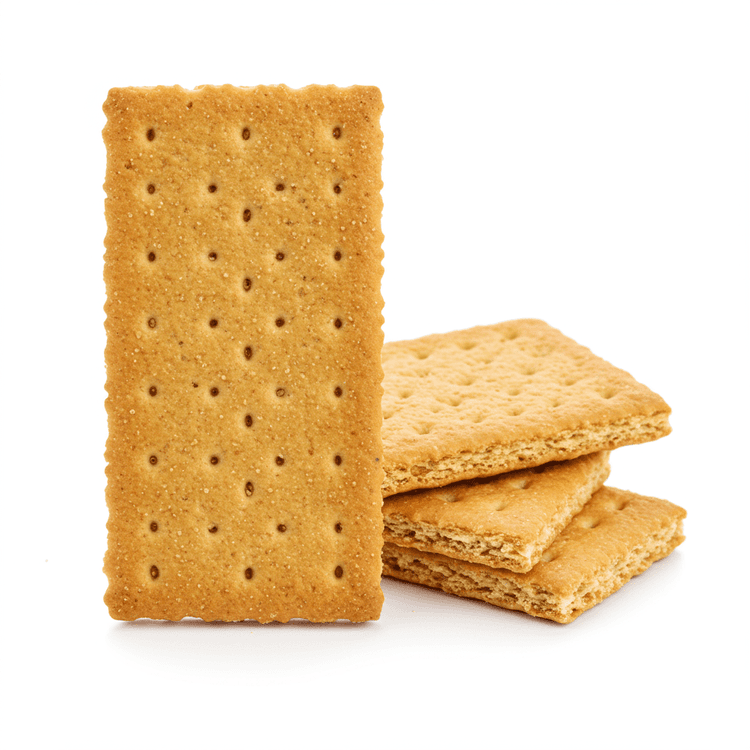
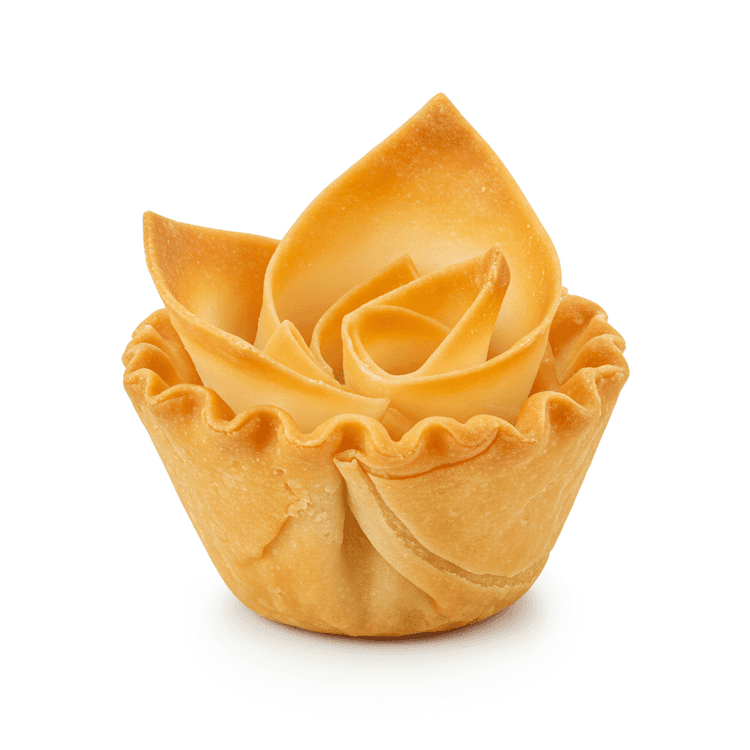
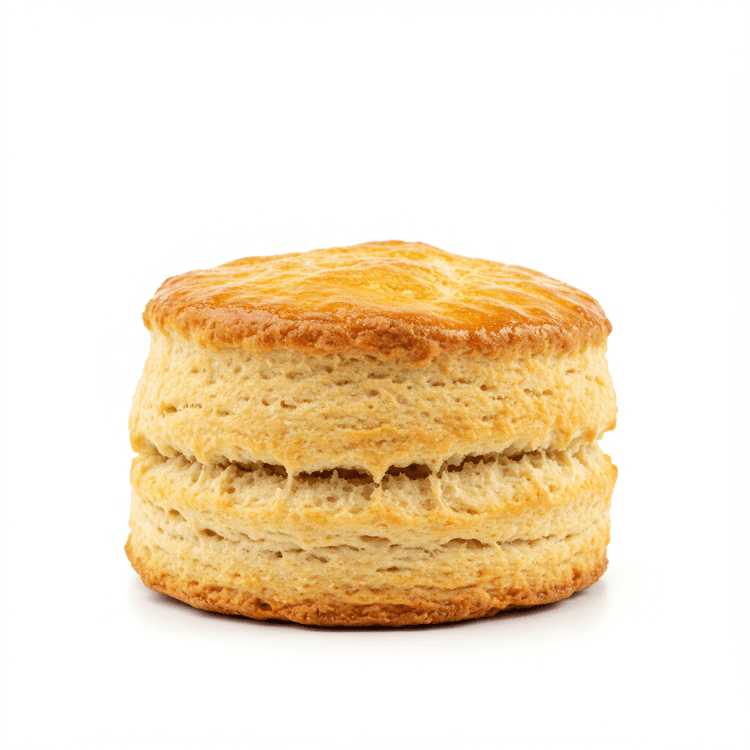
Pastries, with their flaky crusts and delightful fillings, often get a bad rap in the nutrition world. However, while moderation is key, understanding the ingredients and types of pastries can help you make informed choices. The term "pastry" encompasses a wide range of baked goods made from ingredients like flour, butter, eggs, and sugar. From croissants and danishes to pies and tarts, pastries are a staple in many cultures and cuisines, bringing joy to breakfast tables and dessert menus alike. It is important to be aware of the possible presence of gluten as a prevalent ingredient in most pastries.
While not typically considered health foods, pastries can provide certain nutrients depending on the ingredients used. For example, pastries made with whole wheat flour offer more fiber than those made with refined flour. Some pastries incorporate fruits, nuts, or seeds, adding vitamins, minerals, and healthy fats to the mix. Fruit-filled pastries can contribute to your daily fruit intake, providing vitamins like vitamin C and antioxidants. Nut-based pastries, such as pecan pie, offer healthy fats, vitamin E, and minerals like magnesium. Some custards or creams used as fillings might provide calcium from dairy. However, it's essential to remember that these nutritional benefits are often outweighed by the high sugar and fat content in most pastries.
Culinary uses of pastries are vast and varied. They can be enjoyed as breakfast treats, afternoon snacks, or elegant desserts. Croissants and pain au chocolat are popular breakfast choices, while quiches and savory pies make satisfying lunches or dinners. Tarts and cakes are often served as desserts, showcasing seasonal fruits or rich chocolate fillings. Cooking methods vary depending on the type of pastry. Some, like puff pastry, require careful layering and chilling to achieve their characteristic flaky texture. Others, like pie crusts, need to be blind-baked before adding the filling to prevent a soggy bottom. Popular dishes include apple pie, lemon meringue pie, eclairs, cream puffs, and various types of cookies.
While not a cornerstone of a balanced diet, pastries can be enjoyed as an occasional treat. They offer a source of quick energy from carbohydrates and can provide some satisfaction and pleasure. To incorporate pastries into a balanced lifestyle, consider these tips: practice portion control; choose pastries made with whole grains or healthier fats; and balance your indulgence with plenty of fruits, vegetables, and lean protein throughout the day. Consider making your own pastries at home, allowing you to control the ingredients and reduce added sugars and unhealthy fats. While pastries should not be a regular part of a healthy diet, mindful consumption allows for the occasional indulgence without derailing your overall wellness goals. Remember that a balanced approach to nutrition includes enjoying a variety of foods in moderation. ||
Pastry are an essential part of a healthy diet, providing a wide range of nutrients and health benefits. Explore our collection of pastry ingredients.