Natural food colorings are derived from plants, fruits, vegetables, and minerals, offering vibrant hues without synthetic additives. They stand in stark contrast to artificial dyes, which are often linked to health concerns, making natural alternatives increasingly popular among health-conscious consumers and food enthusiasts. These colorings not only enhance the visual appeal of dishes but also contribute beneficial nutrients, antioxidants, and phytochemicals.
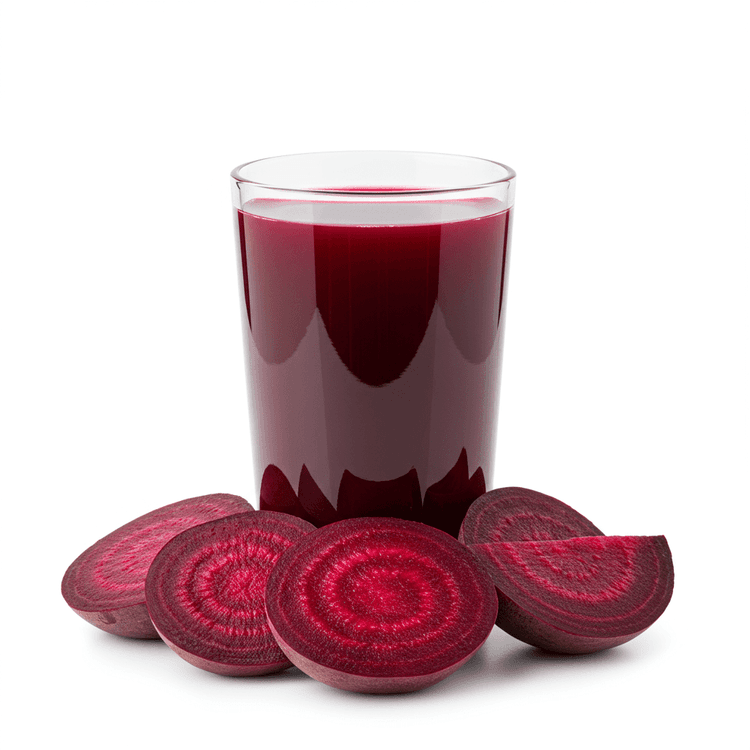
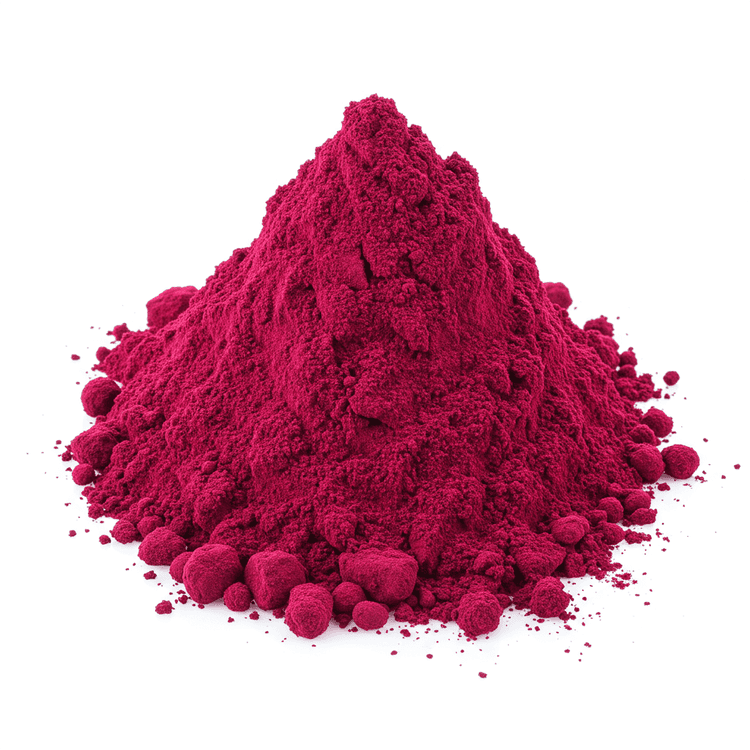
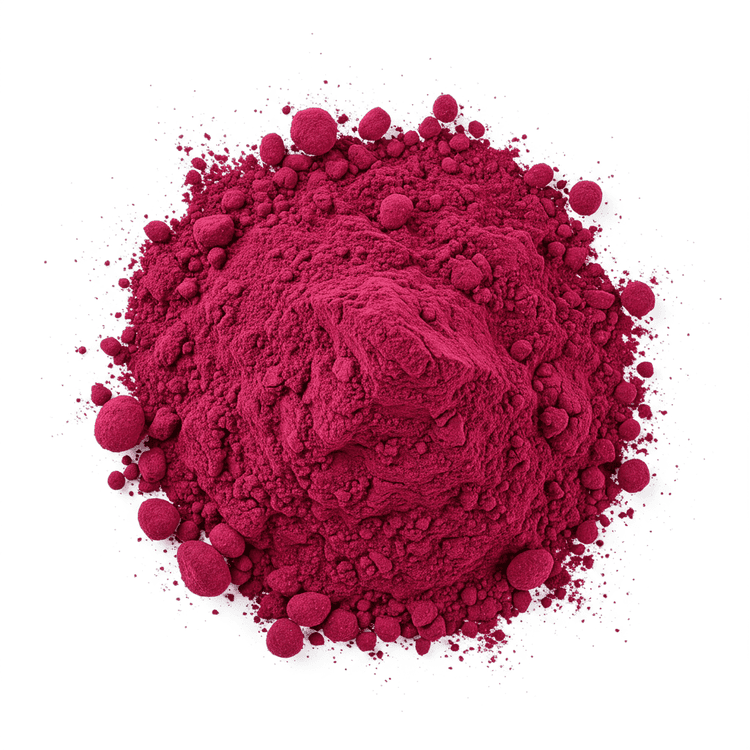
The health benefits of natural food colorings extend beyond aesthetics. For example, beetroot powder, rich in betalains, provides a deep red hue and boasts antioxidant and anti-inflammatory properties. Turmeric, containing curcumin, imparts a golden-yellow color and is celebrated for its potent anti-inflammatory and anticancer effects. Spinach or spirulina can be used to create green hues while providing vitamins A, C, and K, as well as iron and protein. Anthocyanins from berries and purple sweet potatoes offer vibrant purples and blues, acting as powerful antioxidants that combat free radicals and support cardiovascular health. Carotenoids from carrots and sweet potatoes provide orange and yellow shades, and they are also excellent sources of beta-carotene, which the body converts into vitamin A, crucial for vision, immune function, and cell growth.
In the culinary world, natural food colorings find diverse applications. Beetroot powder is a common ingredient in red velvet cakes and smoothies. Turmeric adds color and flavor to curries, rice dishes, and even baked goods. Spinach puree is used to naturally color pasta dough or frosting. Berries are blended into smoothies, jams, and desserts for both flavor and color. These natural colorings can be easily incorporated into homemade frostings, icings, beverages, and baked goods. Their versatility extends to savory dishes as well; imagine adding a touch of spirulina to enhance the green color of a pesto or using paprika for a rich red hue in a chili.
Natural food colorings are essential for a balanced diet because they align with the growing emphasis on consuming whole, unprocessed foods. By choosing natural colorings over synthetic dyes, you are not only enhancing the visual appeal of your meals but also adding valuable nutrients, vitamins, and antioxidants. This is especially important for children's diets, where artificial additives are often a concern. The use of natural colorings supports overall wellness by reducing exposure to potentially harmful chemicals and promoting the consumption of foods with inherent health benefits. Embracing these alternatives ensures your culinary creations are both visually stunning and nutritionally sound, contributing to a healthier and more vibrant lifestyle. Moreover, opting for natural food colorings encourages sustainable practices and supports the demand for responsibly sourced ingredients. When used correctly, natural food colorings can provide intense colors, so it's always best to start with a small amount and gradually add more to reach the desired hue. ||
Natural Food Coloring are an essential part of a healthy diet, providing a wide range of nutrients and health benefits. Explore our collection of natural food coloring ingredients.