Allium vegetables, a pungent and flavorful family including garlic, onions, leeks, shallots, and chives, offer a powerful combination of health benefits and culinary versatility. These kitchen staples are more than just flavor enhancers; they are nutritional powerhouses packed with vitamins, minerals, and potent antioxidants.
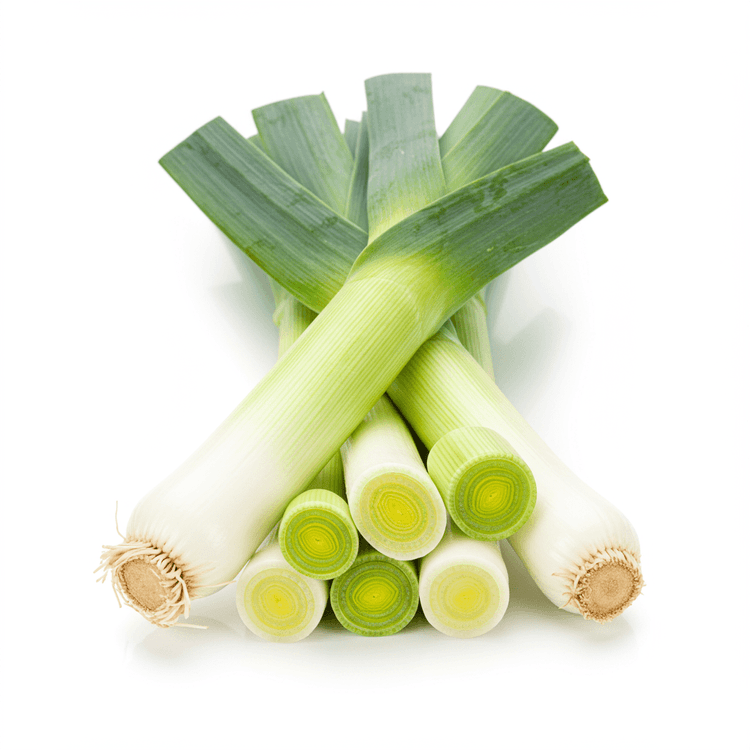
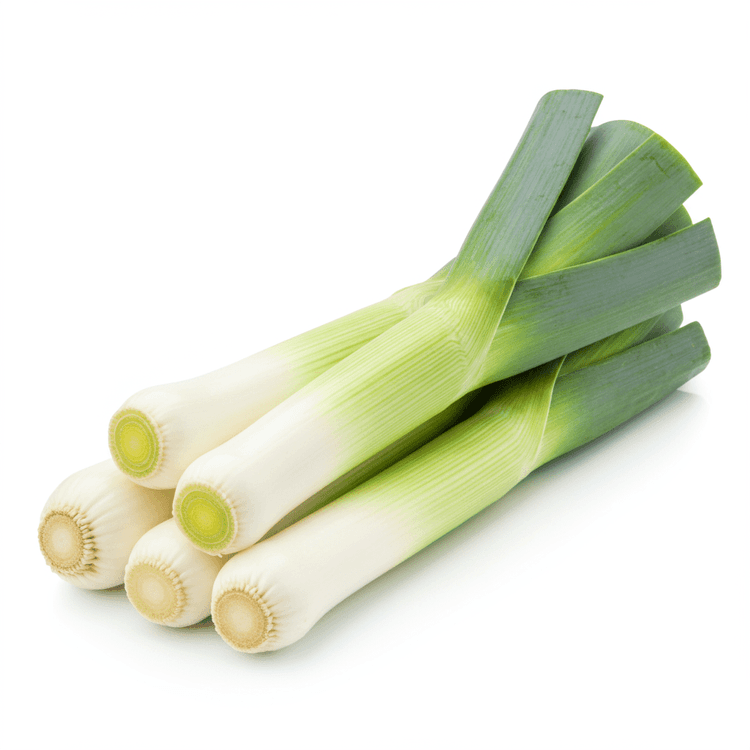
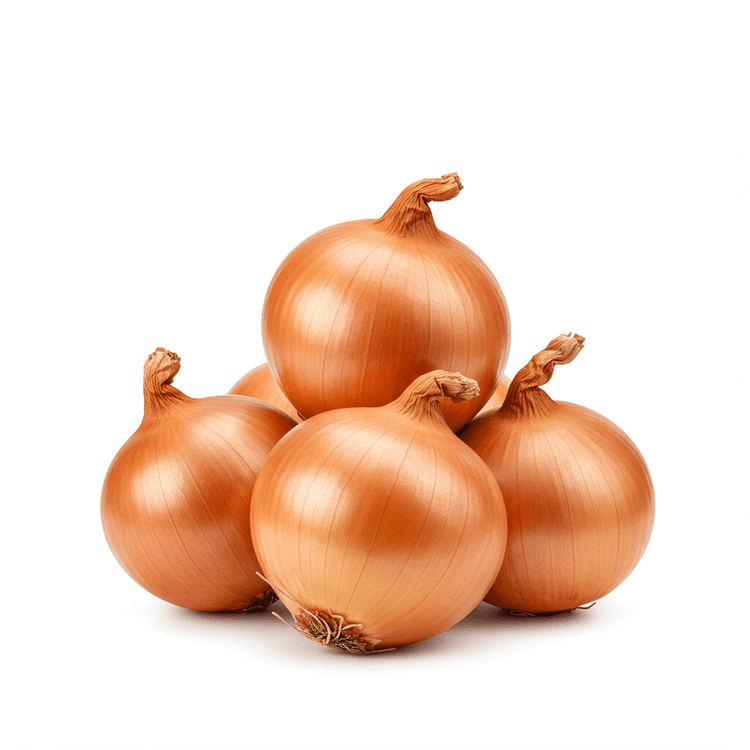
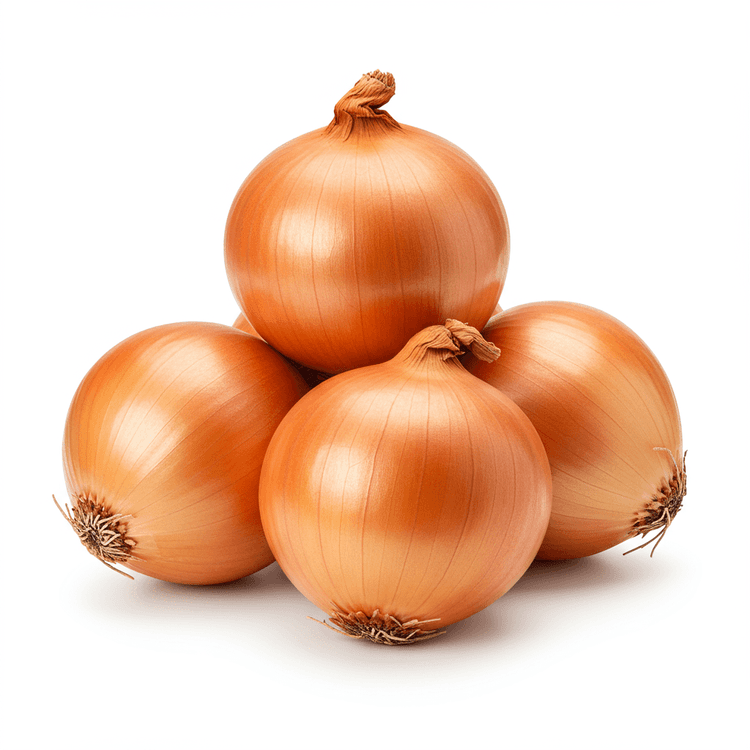
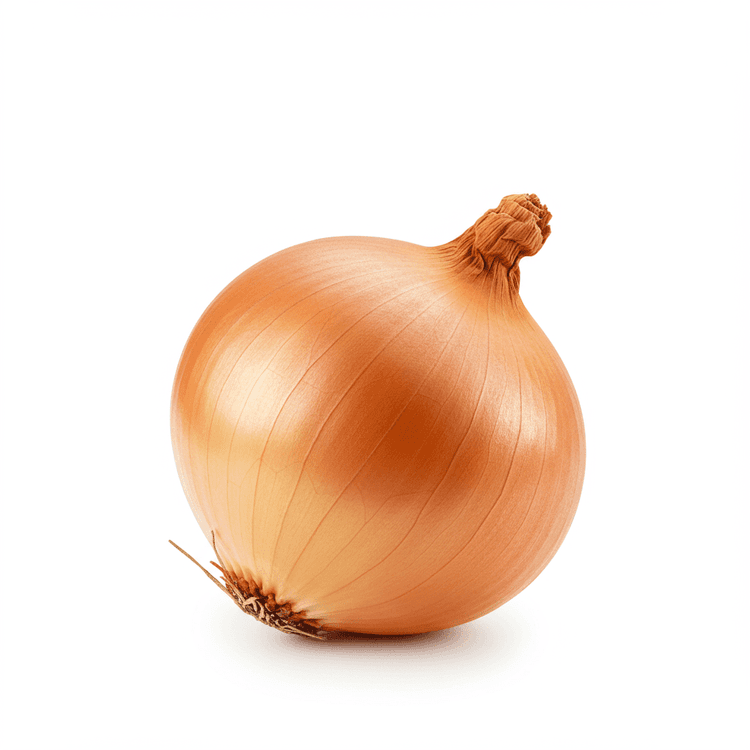
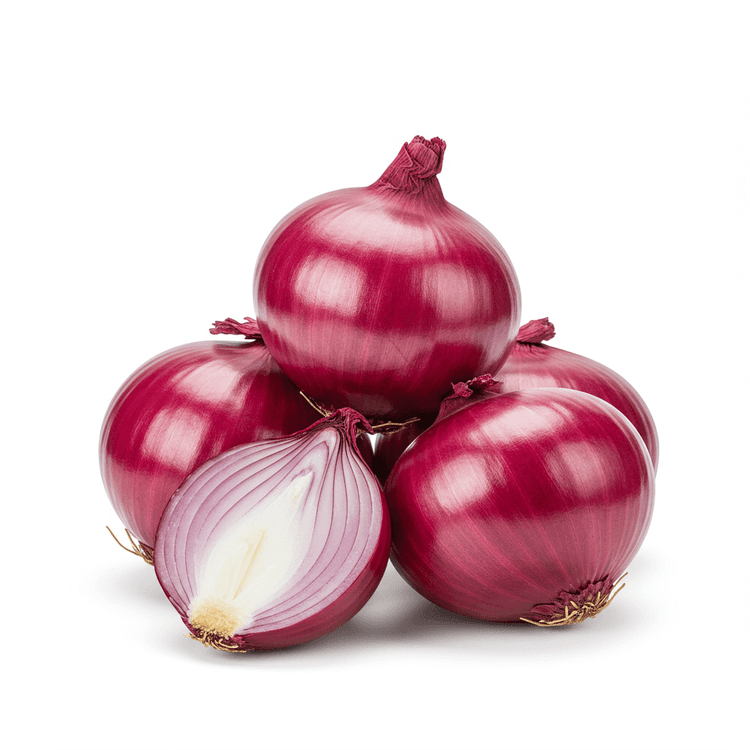
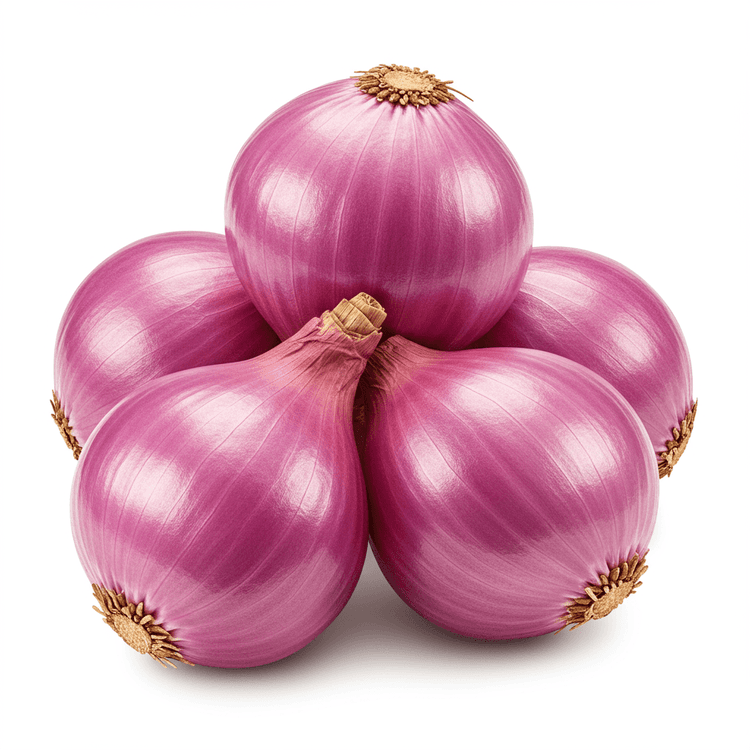
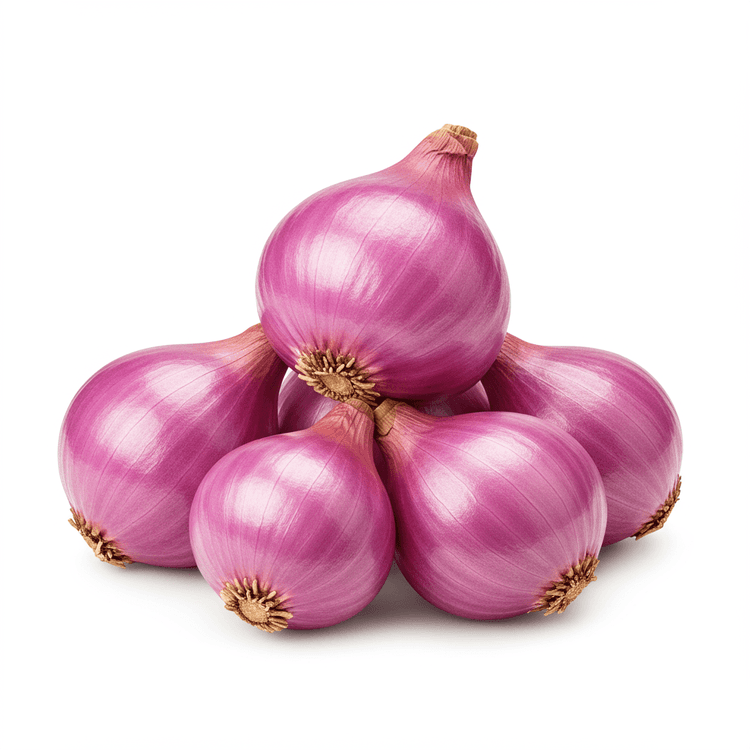
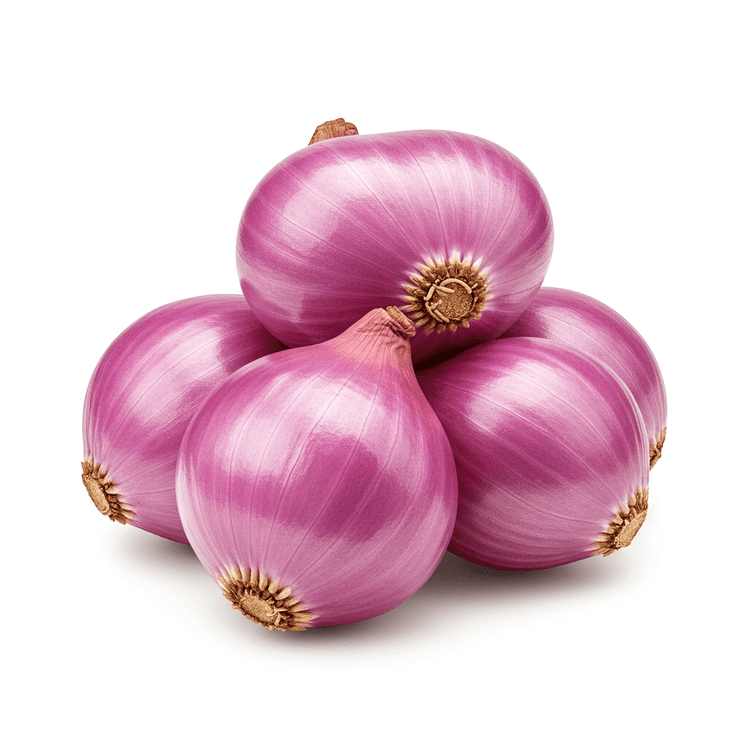
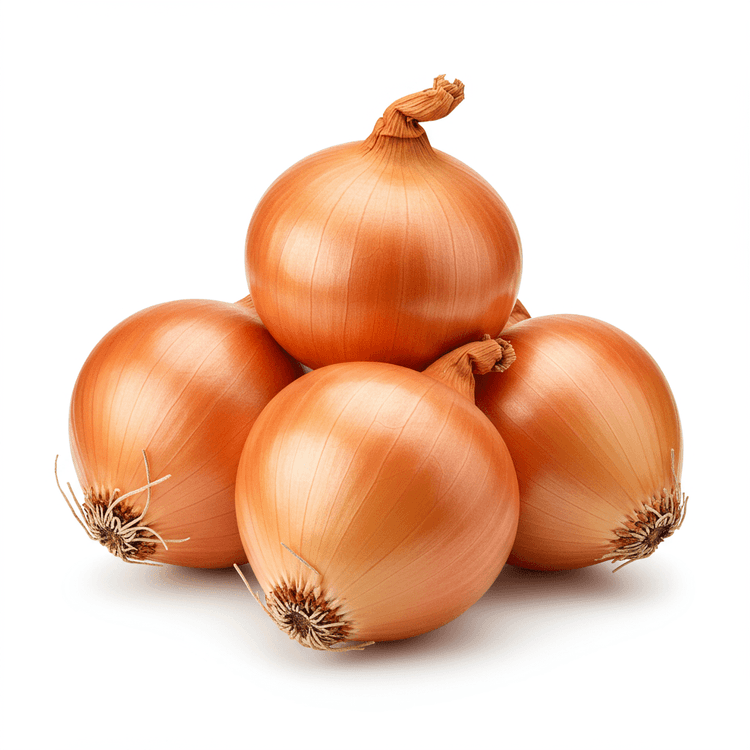
Garlic, perhaps the most well-known allium, is celebrated for its immune-boosting properties. It contains allicin, a sulfur compound that has demonstrated antibacterial, antiviral, and antifungal effects. Onions, whether yellow, white, or red, are rich in vitamin C, a powerful antioxidant that protects against cell damage. They also contain quercetin, a flavonoid with anti-inflammatory and antihistamine properties. Leeks, with their mild, onion-like flavor, are a good source of vitamin K, essential for blood clotting and bone health, and folate, important for cell growth and development. Shallots, a delicate cousin of the onion, provide a concentrated dose of antioxidants and are a good source of vitamin A, crucial for vision and immune function. Chives, the smallest member of the allium family, are packed with vitamins A and C, as well as minerals like potassium and calcium.
In the kitchen, alliums are indispensable. Garlic and onions form the aromatic base for countless dishes, from Italian pasta sauces and stir-fries to soups and stews. Leeks add a subtle sweetness to creamy soups and gratins. Shallots lend a refined flavor to vinaigrettes and sauces, while chives provide a fresh, vibrant garnish to salads, baked potatoes, and dips. They can be roasted, sautéed, grilled, or even eaten raw, adding depth and complexity to both savory and sweet preparations. Popular dishes featuring alliums include French onion soup, garlic bread, leek and potato soup, caramelized onion tart, and various Asian stir-fries utilizing garlic, scallions, and ginger (often paired together).
Incorporating allium vegetables into a balanced diet is crucial for overall wellness. Their unique sulfur compounds contribute to cardiovascular health by helping to lower blood pressure and cholesterol levels. Studies suggest that alliums may also have anti-cancer properties, potentially inhibiting the growth of certain types of cancer cells. Their antioxidant properties help protect against oxidative stress, a major contributor to aging and chronic diseases. Moreover, alliums are a prebiotic food, meaning they feed the beneficial bacteria in your gut, promoting digestive health and boosting immunity. From their robust flavors to their remarkable health benefits, allium vegetables are essential ingredients for a healthy and delicious life. They are a cornerstone of numerous cuisines worldwide for good reason. Ensuring a regular intake of garlic, onions, leeks, shallots, and chives is a simple and effective way to enhance both your meals and your well-being. ||
Allium are an essential part of a healthy diet, providing a wide range of nutrients and health benefits. Explore our collection of allium ingredients.