We use cookies on this website to ensure its proper functioning and to improve the quality of our services. Cookie Policy
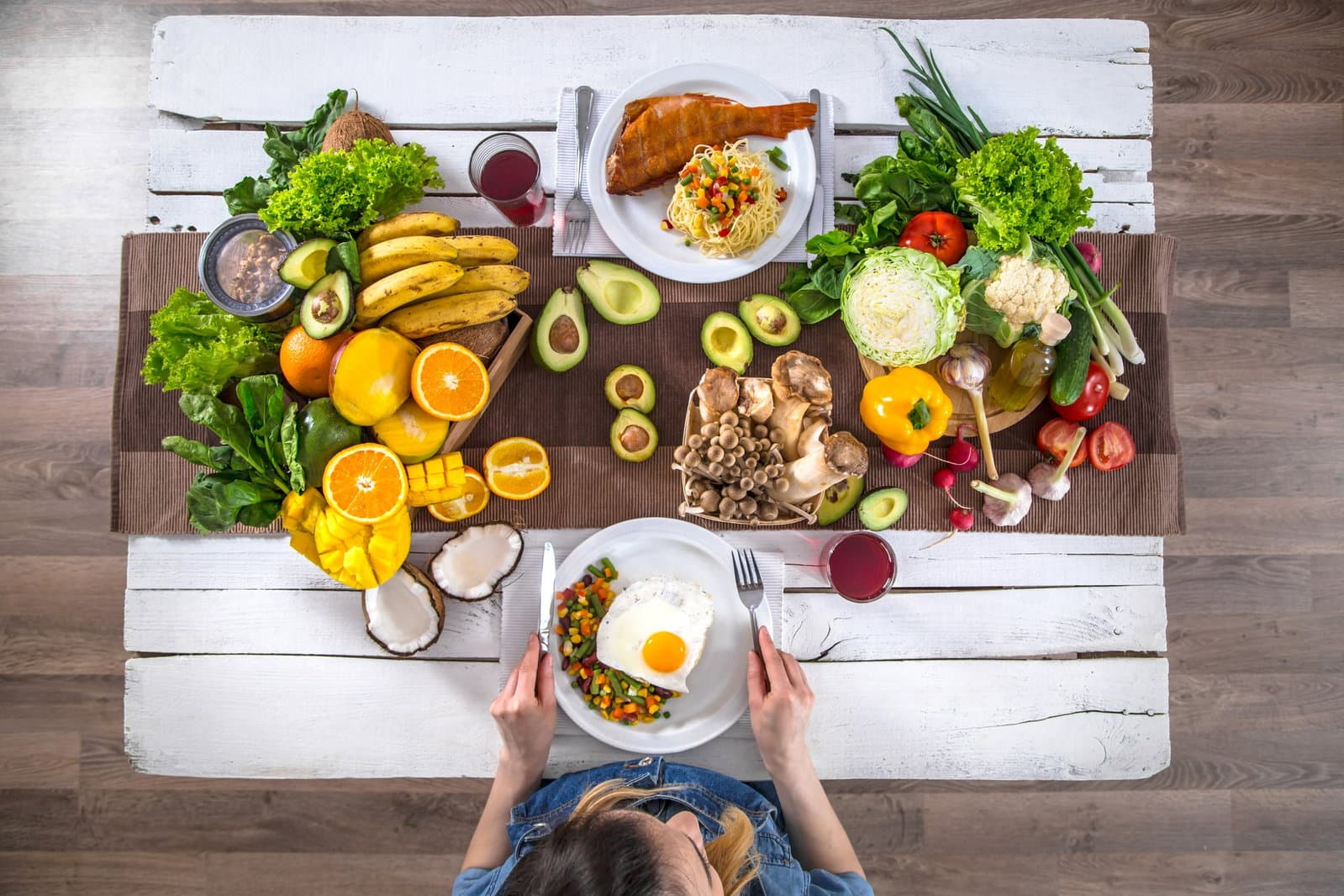
PCOS was renamed PMOS (Polyendocrine Metabolic Ovarian Syndrome) in 2026 to reflect that it affects hormones and metabolism, not just the ovaries. We talked to four real women living with PMOS about food - none of them follow a strict diet plan. Instead, they focus on balance, whole foods, and small swaps (like quinoa for rice or plant-based protein) rather than cutting things out completely. This piece also includes a curated collection of PCOS (PMOS)-friendly recipes from Chefadora, spanning high-protein breakfasts, dairy-free and gluten-free favourites. Chefadora's AI assistant, Adora, helps you find real, human-created recipes that match your own restrictions.
This article is for general information only and is not medical advice. Everyone's body and needs are different, please talk to a qualified healthcare professional about what's right for you.
If you have PCOS (PMOS), you may have heard the news. On May 12, 2026, doctors and patients gave it a new name. It is now called PMOS. That stands for Polyendocrine Metabolic Ovarian Syndrome.
More than 22,000 people helped pick this name. The talks took over ten years. Here is why the name changed. The old name pointed to ovarian cysts. But most people with this condition do not have cysts. A scan usually shows something else. It shows small follicles that never grew all the way. The real story is about hormones and metabolism, not just the ovaries. Big medical groups, like the Endocrine Society, already back the new name. The new name will roll out over the next three years.
The condition has not changed. The people who live with it have not changed either. But now the name fits better. It points to hormones, metabolism, and energy. And for many people, it points straight at food.
Why is Chefadora rethinking meals for people navigating dietary restrictions they didn't choose?
At Chefadora, we care about food and the people who eat it. We know that food has stopped being fun for a lot of people. It has become one more job. That job gets even harder when a health condition adds its own rules on top.
So we skipped the guesswork. We talked to real people living with PMOS. We asked them one simple thing: what does food actually feel like for you? No scripts. No trick questions. Just their own words. Here is what they told us.
Loz Antonenko - Nutrition and healthy habit coach at lozantonenko.com**, based in Brisbane, Australia. Loz helps busy people build sustainable routines around eating, movement, sleep, hydration, and breathing.
Loz lives with PCOS (PMOS), ulcerative colitis, and a condition called ankylosing spondylitis. A few years ago, she had a procedure to help her gut. It helped in some ways. But it also made her stomach handle some foods much worse.
"The dietary restrictions that came with that reality aren't the kind you choose - they're the kind that choose you," she told us.
Loz knows exactly what is happening inside her body, since it's her job to understand this for others too. Even so, she says it is still hard.
"Dietary restriction driven by medical conditions is a completely different beast from a lifestyle choice," she explained. "It's not just about what you eat. It's about what you can actually absorb, what your bacteria can process, and what your body has the capacity to convert."
Thank you to Loz for sharing her story with us.
Aunjahne - Based in Atlanta, Georgia. Diagnosed with PCOS (PMOS) as an adult, after living with symptoms since middle school.
Doctors did not diagnose Aunjahne until she was an adult, though she'd had symptoms since middle school. She tried a few types of birth control first. Then she asked her doctor for time to manage PMOS through food, before turning to medication.
Her approach is built on balance, not on cutting things out. She swaps quinoa for rice and almond milk for dairy. She uses soaked pecans and walnuts instead of ground beef. She still eats meat sometimes, and she is not interested in cutting anything out completely.
"One burger isn't gonna mess up my whole thing," she told us.
She does not track calories or macros. Instead, she pays attention to how she feels, and to what her doctor tells her at check-ups. She is also skeptical of food trends, including the recent obsession with protein.
"Whatever works for you works for you," she says. Her approach goes beyond her plate, too, she is mindful of everyday chemicals, from the products she cooks with to the receipts she declines at checkout.
Thank you to Aunjahne for sharing her story with us.
Isla (name changed at her request) - Works in brand strategy and advertising, based in regional Victoria, Australia. Diagnosed with PMOS after coming off the contraceptive pill.
Doctors found Isla's PMOS after she came off the contraceptive pill, which had hidden her symptoms for over fifteen years. Her weight has gone up and down a lot over the years, along with facial hair, bloating, tiredness, and brain fog.
She is vegetarian, which means she has had to think hard about protein, since PMOS often calls for more of it, without giving up the way she already eats.
"I try to eat a high protein diet with low carbs, and low sugar," she told us. These days, she also cooks a lot more at home. "I know exactly what I'm making."
Her story shows something important. Managing PMOS does not mean throwing out your old way of eating. Often, it just means adjusting it a bit - more protein, less sugar, and a lot more cooking at home.
Thank you to Isla for trusting us with her story.
Aida Rejzovic - Founder of Sassy Organics, an Australian online store for organic, vegan, and cruelty-free products, based in Melbourne. Has lived with hormone imbalance, including endometriosis and cysts, since age 19.
Over the years, Aida changed how she eats and lives. But she is quick to say her path is not the answer for everyone.
"I would never suggest that what worked for me is the answer for everyone," she says.
Her main point was not about one diet. It was about how you approach food at all.
"I think the key with any dietary restriction is to be informed, focus on whole foods, and support your body properly rather than simply cutting foods out."
Thank you to Aida for sharing her story with us.
Four women. Four different bodies. Four different stories. But one thing came up again and again: eating with PMOS takes real effort, every single day. Most people do that work alone, often while also holding down a job, a family, or both.
That's the gap we built Chefadora to close.
Chefadora.com is not a diet plan, and it never will be. It is a tool built to handle real, messy needs, so you do not have to figure it all out by yourself.
Say you are vegetarian and living with PMOS. Or dairy-free and gluten-free. Or figuring out a brand-new rule your body just handed you. Chefadora can put these together instead of making you pick just one. You can even block out single ingredients, not just big food groups - because for some people, it is not "low FODMAP" that matters most, it is making sure garlic and onion never show up in a recipe at all.
A short list of "safe" meals gets old fast. Chefadora keeps adding new options that fit your needs, so eating well does not mean eating the same five things on repeat.
That's why we built Adora, Chefadora's built-in AI assistant.
Adora takes everything you've set up - your restrictions, your preferences, what's in your kitchen, and turns it into fewer decisions at every meal.
Tell Adora your ingredients, your mood, or even the weather, and it points you to a real recipe that fits.
No dairy, no rice, no garlic - whatever's on your list, Adora only shows you recipes that work for you.
Ask what you can swap in, how to store leftovers, or what a step means, right where you're cooking.
Adora never invents its own recipe. Every suggestion comes from a real person who has written and shared it on Chefadora.
Based on what we heard, here are real recipes on Chefadora worth trying for each need.
A gram flour pancake upgraded with eggs for extra protein. Soft on the inside, slightly crisp at the edges, and ready in 15 minutes flat. A quick, filling breakfast that works for busy mornings or a light dinner.
Prep Time: 5 mins | Cook Time: 10 mins | Total Time: 15 mins
Ingredients:
Creamy unsweetened Greek yogurt layered with fresh berries, crunchy granola, and a superfood boost of chia seeds. Finished with a drizzle of honey, it's an effortless breakfast or snack that's ready in 5 minutes.
Prep Time: 5 mins | Cook Time: 0 mins | Total Time: 5 mins
Ingredients:
A cozy, fan-favorite overnight oats recipe with a salted caramel latte protein powder twist. Creamy, quick to prep, and ready to grab straight from the fridge.
Prep Time: 5 mins | Cook Time: 0 mins | Total Time: 5 mins
Ingredients:
"Eat the rainbow" in one bowl - crunchy cabbage, cucumber, carrots, and creamy avocado tossed with tempeh and a sweet-savory honey soy dressing. Meal-prep friendly and packed with fiber, healthy fats, and protein.
Prep Time: 20 mins | Cook Time: 0 mins | Total Time: 20 mins
Ingredients:
Light, bright, and everywhere right now - thin ribbons of carrot tossed with an Asian-style vinaigrette, chili crunch, and sesame seeds. A simple side that comes together in 10 minutes.
Prep Time: 10 mins | Cook Time: 0 mins | Total Time: 10 mins
Ingredients:
Creamy Greek yogurt meets silky chia pudding, warm lemon-honey blueberries, fresh kiwi, and golden toasted granola. A wholesome, textured breakfast worth the extra 25 minutes.
Prep Time: 10 mins | Cook Time: 15 mins | Total Time: 25 mins
Ingredients:
Crispy oven-roasted chickpeas meet earthy beets, sweet dried apricot, and Tuscan kale, all finished with a creamy tahini-lemon dressing. A vibrant, naturally vegan salad.
Prep Time: 15 mins | Cook Time: 30 mins | Total Time: 45 mins
Ingredients:
Ramen doesn't have to be complicated - this cozy, plant-based bowl comes together with a tahini-miso broth, sautéed mushrooms, and your favorite garnishes. Simple, satisfying, and ready in 25 minutes.
Prep Time: 10 mins | Cook Time: 15 mins | Total Time: 25 mins
Ingredients:
Soft, naturally sweetened cookies made from blended chickpeas, oats, dates, and protein powder. A healthier take on a classic sweet snack, with no hazardous additives in sight.
Prep Time: 10 mins | Cook Time: 15 mins | Total Time: 25 mins
Ingredients:
Pan-fried tofu coated in a rich, glossy miso glaze, served over brown rice with broccoli, avocado, and edamame. A wholesome, effortless bowl ready in 20 minutes.
Prep Time: 10 mins | Cook Time: 10 mins | Total Time: 20 mins
Ingredients:
Crunchy coleslaw, shiitake mushrooms, and crumbled tofu wrapped in rice paper and pan-fried to golden perfection. Served with a tangy chili oil and vinegar dip - gluten-free and dairy-free.
Prep Time: 40 mins | Cook Time: 10 mins | Total Time: 50 mins
Ingredients:
Crunchy fennel and apple meet sweet pomegranate arils and creamy cannellini beans, tossed with a silky date-balsamic dressing. Fresh, refreshing, and keeps well for days.
Prep Time: 15 mins | Cook Time: 0 mins | Total Time: 15 mins
Ingredients:
Earthy massaged kale, creamy avocado, and sweet Medjool dates come together with crunchy walnuts, pickled red onion, and a tangy tahini-lemon dressing. A satisfying, texture-packed salad.
Prep Time: 15 mins | Cook Time: 0 mins | Total Time: 15 mins
Ingredients:
This article is for general information only and is not medical advice. Everyone's body and needs are different, please talk to a qualified healthcare professional about what's right for you.
Q1. What is PMOS?
A1. PMOS stands for Polyendocrine Metabolic Ovarian Syndrome. It is the new name for PCOS (PMOS). Doctors and patients agreed on the change in 2026, since the condition affects hormones and metabolism, not just the ovaries.
Q2. Why did PCOS (PMOS) get renamed?
A2. The old name pointed to ovarian cysts. But most people with this condition do not actually have cysts. The new name points to what is really going on: hormones and metabolism, across the whole body.
Q3. Why does PMOS make eating feel harder?
A3. There is a lot of advice out there, and it often disagrees with itself. On top of that, many people with PMOS also manage other health conditions. That turns one meal into several sets of rules at once.
Q4. Can food fix PMOS?
A4. No single food or diet fixes PMOS. This piece is not medical advice. If you have questions about managing PMOS, talk to a qualified healthcare professional.
Q5. Does Chefadora offer recipes made for PMOS?
A5. Chefadora has recipe collections built around what people with PMOS often ask for, like more protein, more fibre, and dairy-free or gluten-free options. Chefadora does not prescribe a diet. It just helps you plan meals that fit how you already choose to eat.
Q6. What is Adora?
A6. Adora is Chefadora's AI assistant. It helps you find real, human-created recipes based on your ingredients, preferences, and restrictions, and it answers questions inside a recipe, like substitutions or storage tips.
Q7. Can Chefadora handle more than one dietary restriction at the same time?
A7. Yes. Chefadora can layer restrictions together, like vegetarian plus dairy-free, so you do not have to choose between your health and having variety in your meals.
Q8. Is Chefadora a substitute for medical or dietitian advice?
A8. No. Chefadora is a meal planning and recipe platform, not a source of medical advice. If you have questions about managing PMOS, talk to a qualified healthcare professional.
Four women. Four different bodies. Four different ways of eating. But they all said some version of the same thing: living with PMOS means doing a lot of invisible work at every meal. Chefadora can't take PMOS away. But with Adora in your corner, it can take some of that work off your plate, so food feels less like a job and more like food again.
Updated on 14 Jul 2026
Save recipes from anywhere, and get answers, swaps, and help as you cook.


