We use cookies on this website to ensure its proper functioning and to improve the quality of our services. Cookie Policy

Tags and nutritional info are auto-generated and may be inaccurate. Always check the full ingredient list before cooking.


Combine the flour, yeast, and sugar in a mixing bowl. Add the warm water and softened butter, then mix until combined. Finally, add the salt and mix thoroughly.
Knead the dough for 8–10 minutes until it becomes smooth and elastic.
Cover the dough and let it rise for about 1 hour, or until it has doubled in size.
Divide the dough into 2 equal portions and shape each into tight logs approximately 20–23 cm in length. To shape into tight logs, flatten each portion slightly, then roll it from one end into a firm, tight log about 20–23 cm long, smoothing the surface and pinching the seam to seal.
Cover the shaped logs and let them rise for 45–60 minutes until they become puffy.
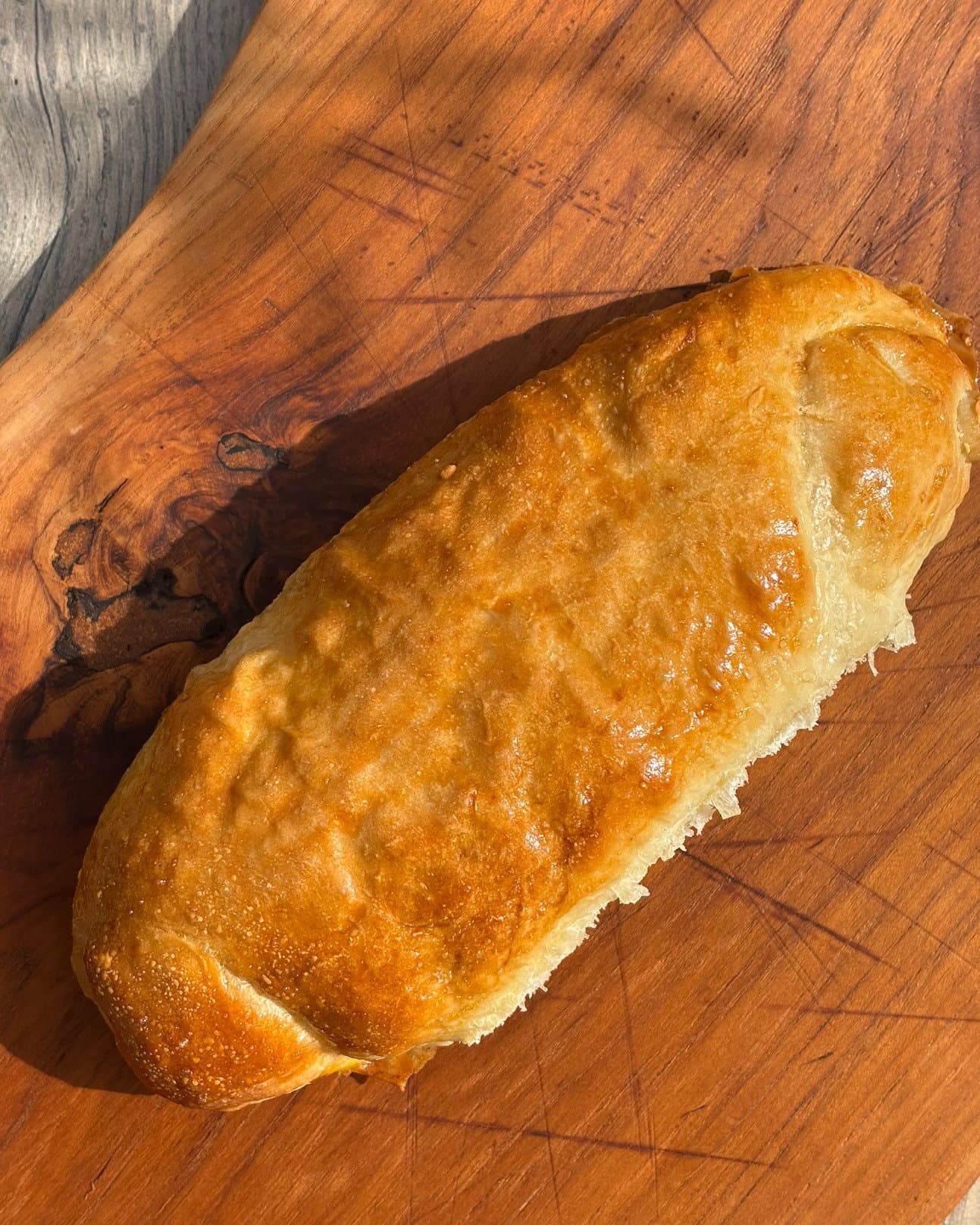
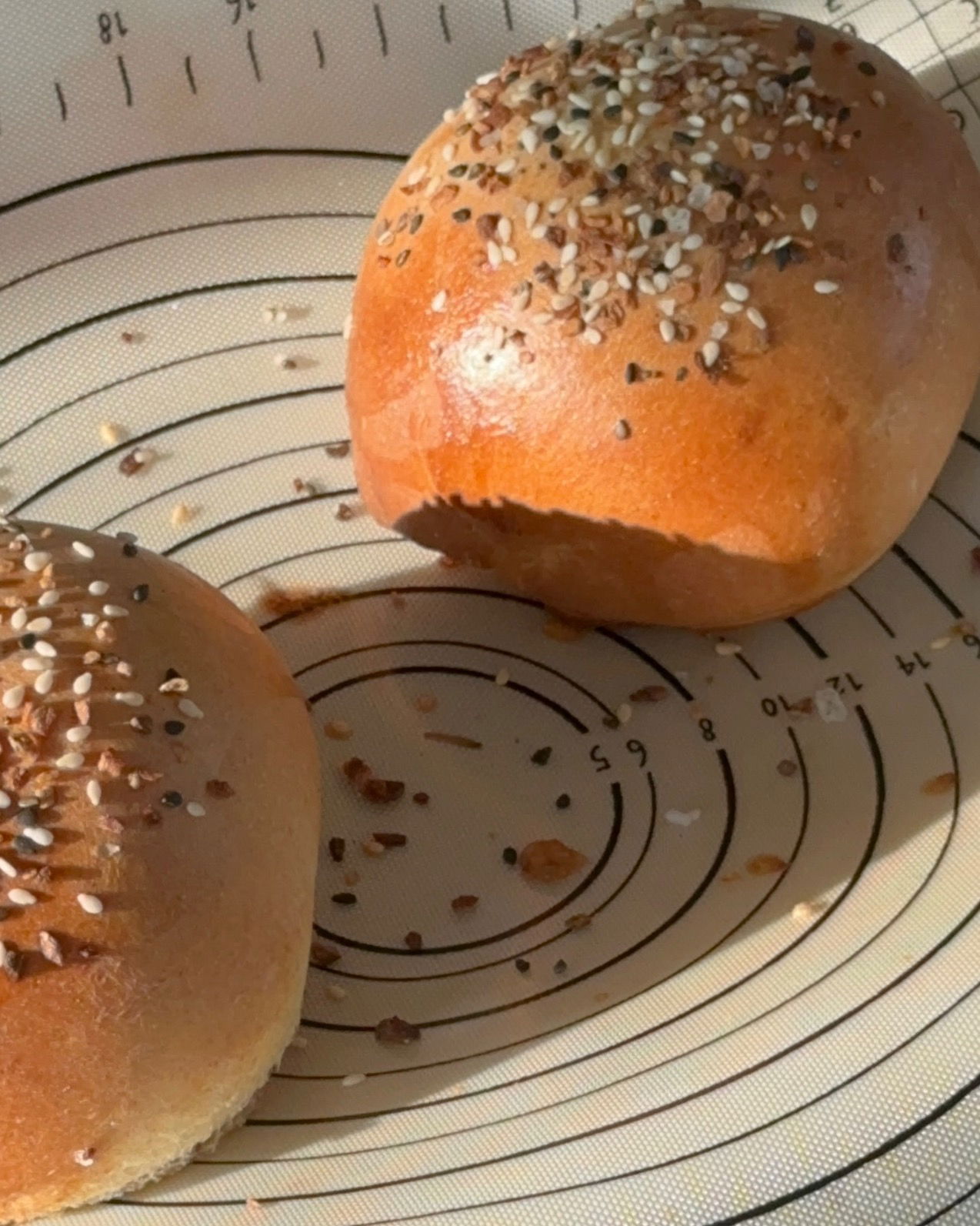
Lightly brush the tops of the rolls with egg wash.
Bake the rolls at 200°C for 15–18 minutes until they are lightly golden.
Want to keep this recipe for later? We can email it to you!
Avoid letting the rolls get too dark; they should remain soft and not crusty.
If the dough feels tight while shaping, let it rest for 5–10 minutes before trying again.
Placing a small tray of water in the oven at the start of baking helps keep the crust thin.
Can I use all-purpose flour instead of bread flour?
Yes, you can use all-purpose flour as a substitute for bread flour in this recipe.
What is the purpose of the egg wash?
The egg wash helps give the rolls a shiny, golden finish.
How do I know if the dough has risen enough?
The dough should double in size during the first rise and become puffy during the second rise.
Can I freeze the rolls after baking?
Yes, you can freeze the rolls after they have cooled. Wrap them tightly and store them in the freezer.
What is the ideal water temperature for activating yeast?
The water should be warm, around 38–43°C (100–110°F), to activate the yeast without killing it.