We use cookies on this website to ensure its proper functioning and to improve the quality of our services. Cookie Policy
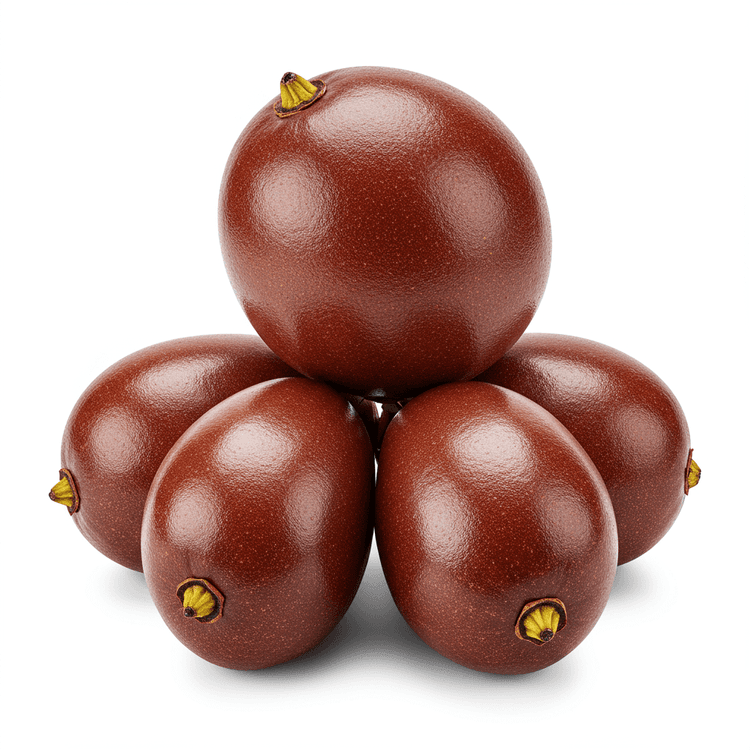
Okpei is a traditional West African seasoning made from fermented locust bean seeds (Parkia biglobosa), and it's one of those pantry ingredients that quietly does the heavy lifting in a pot of soup. You'll find it sold in a dried, pressed cake that ranges from light brown to nearly black, and the moment you unwrap it you'll understand why cooks keep it double-bagged — the fermentation gives it a bold, pungent, almost funky aroma that mellows into deep savory umami once it hits hot liquid. Think of it as a natural flavor booster in the same family as its cousin iru (dawadawa), earthy and meaty in a way that no bouillon cube quite matches.
What makes okpei special is how it behaves in the pot. Crumble a piece into a simmering stew and it dissolves, releasing that signature taste and aroma while also lending body and a slightly richer texture to the broth. A little goes a long way — this isn't an ingredient you dump in by the spoonful. Nigerian cooks reach for it in egusi, ogbono, bitterleaf soup, and countless village-style stews where it stands in for or partners with meat and fish to build a savory backbone.
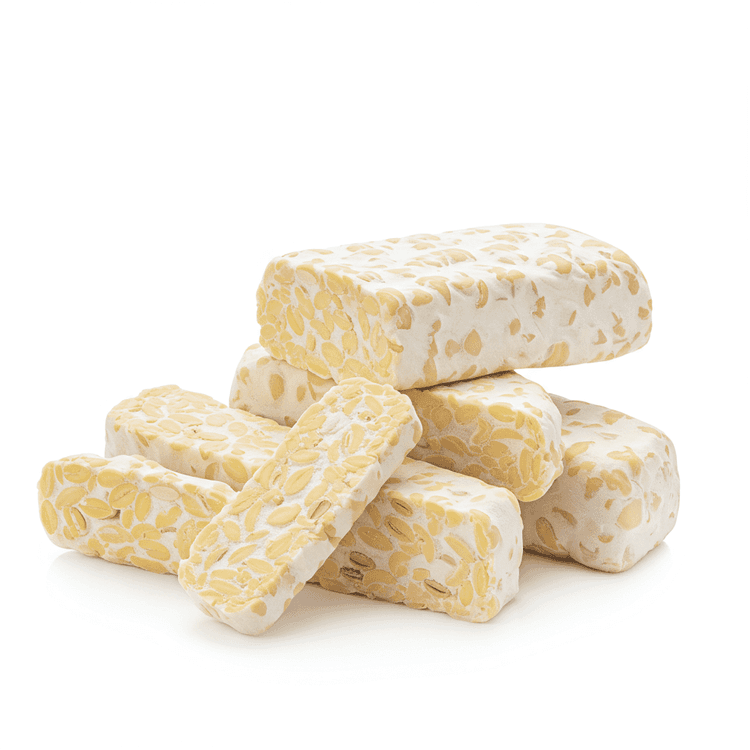
If you've cooked with fermented soybean products before, okpei will feel familiar in spirit even though the base bean is different. It's closely related to plain locust bean, and much of its charm comes from that same slow-ferment magic that turns humble seeds into something intensely flavorful.
Save recipes from anywhere, and get answers, swaps, and help as you cook.


Available now for early access users.