We use cookies on this website to ensure its proper functioning and to improve the quality of our services. Cookie Policy
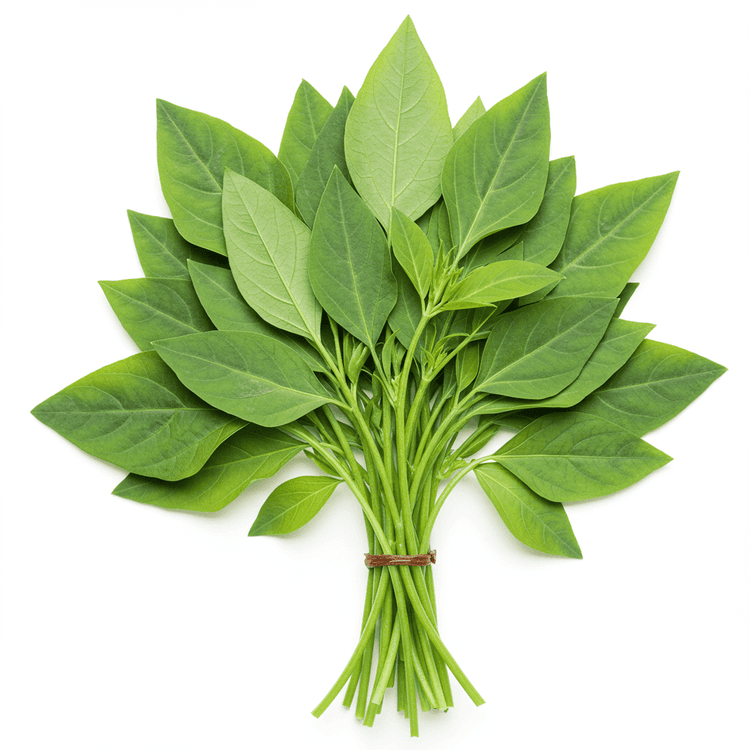
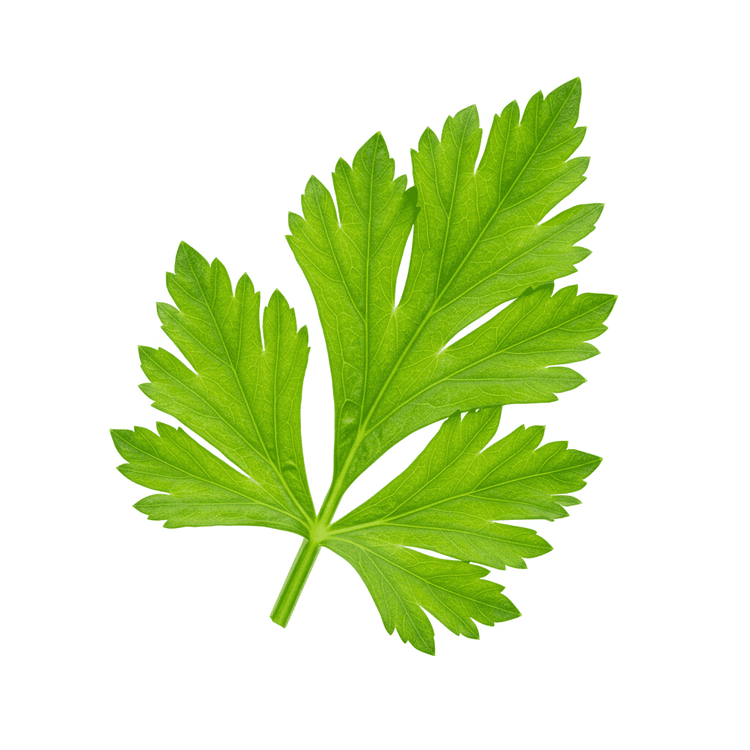
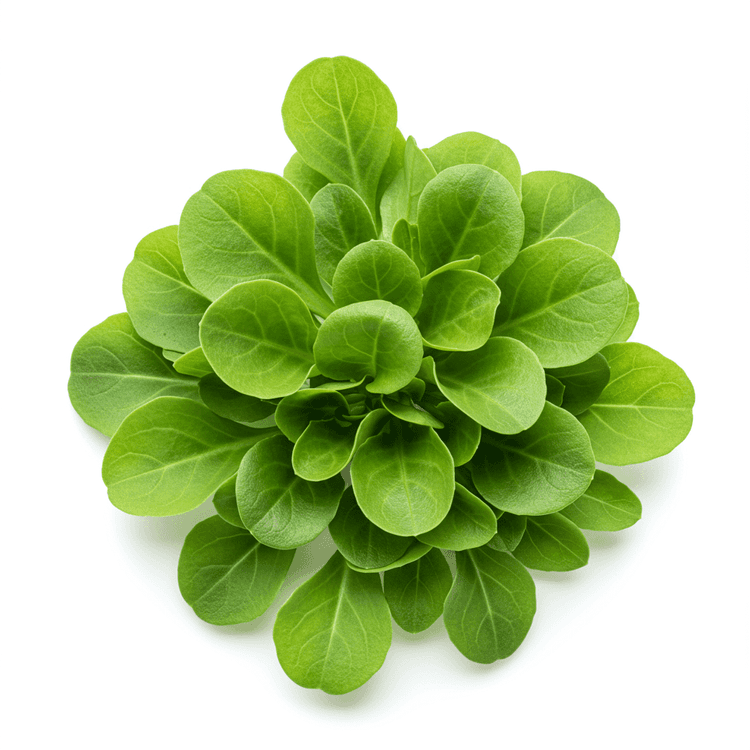
Methi leaves, also known as fenugreek leaves, are a vibrant green leafy herb with a distinctly bitter and slightly sweet flavor profile. Their aroma is strong and curry-like, adding a unique depth to dishes. The leaves are delicate and tender when fresh, and they can be used whole or chopped. Dried methi leaves have an even more concentrated flavor and are a common spice in many cuisines. These flavourful leaves are a popular ingredient for both fresh and dried applications.
If you've never tasted methi before, expect something closer to a cross between celery and a good bitter green. That gentle bitterness is the whole point — it mellows and turns almost nutty once it hits hot oil or ghee, which is why so many Indian cooks sauté it before it goes anywhere near the rest of the dish. A little salt and a quick cook take the edge off, and what's left is that warm, savory backbone that makes methi thepla, methi dal and aloo methi so hard to stop eating.
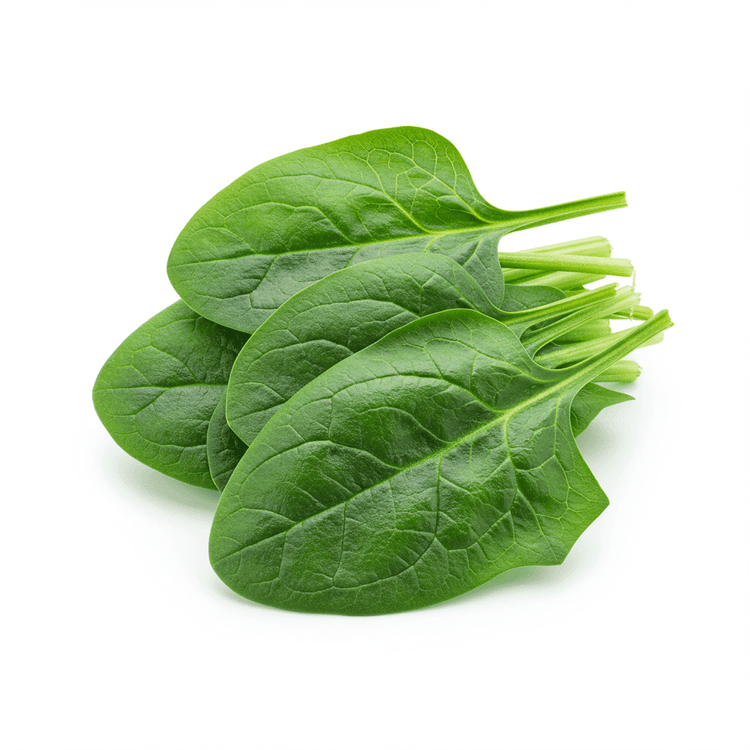
Fresh methi and dried methi (kasuri methi) are not quite interchangeable, and it helps to know which one a recipe wants. Fresh leaves behave like a proper vegetable — you cook them down in real volume, the way you would spinach or any other tender leafy green. Kasuri methi is a finishing spice: a pinch crushed between your palms over a curry right before serving gives that unmistakable restaurant aroma without the moisture or the raw bitterness. Once you learn to reach for the right form, methi stops feeling intimidating and starts feeling essential.
Save recipes from anywhere, and get answers, swaps, and help as you cook.


Available now for early access users.