We use cookies on this website to ensure its proper functioning and to improve the quality of our services. Cookie Policy
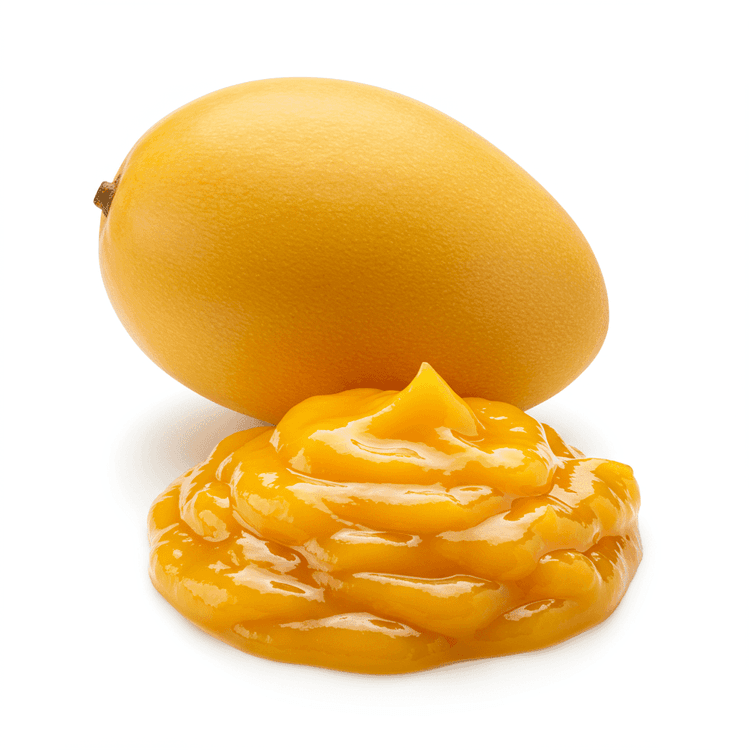
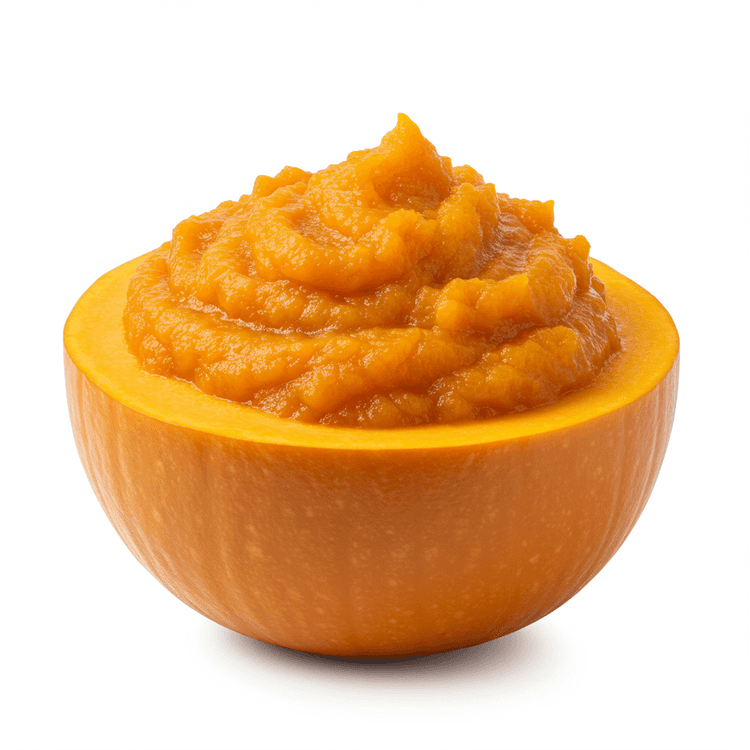
Mango puree is simply ripe mangoes blended down until smooth — no chunks, no fibers, just that pure sunny fruit in spoonable form. Depending on the variety, it runs anywhere from pale gold to deep orange, and the flavor swings with it: Alphonso and Kesar mangoes give you that honeyed, almost custardy sweetness, while Tommy Atkins or Ataulfo lean a little brighter and tangier. Good puree tastes like the fruit at its peak, with a soft floral aroma and just enough acidity to keep the sweetness from feeling flat.
Texture is where it earns its keep in the kitchen. It's thick but pourable, velvety rather than watery, which means it folds into batters, swirls through yogurt, and sets up beautifully in mousses and sorbets without you having to strain out any stringiness. That reliability is why bakeries and bartenders reach for it year-round — it gives you consistent mango flavor even when fresh mangoes are out of season or underripe.
You'll find it sold canned, in cartons, or frozen, and quality varies a lot. The best versions are just mango, maybe a touch of citric acid, with no added sugar or thickeners. If you can, taste before you commit to a recipe — a really ripe puree needs far less added sweetener than a tart one. It sits comfortably alongside other fruit purees but brings a tropical richness that's hard to match.

Save recipes from anywhere, and get answers, swaps, and help as you cook.


Available now for early access users.