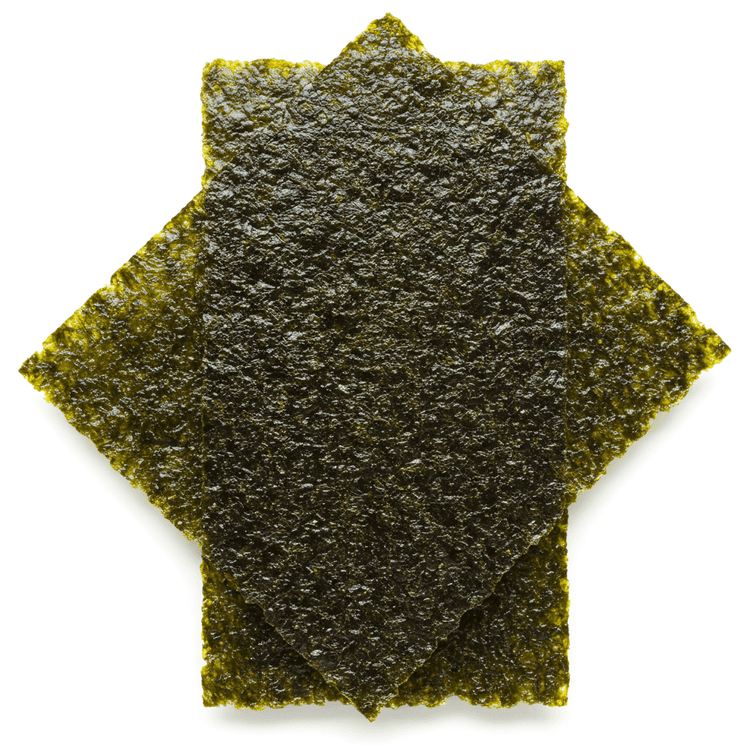
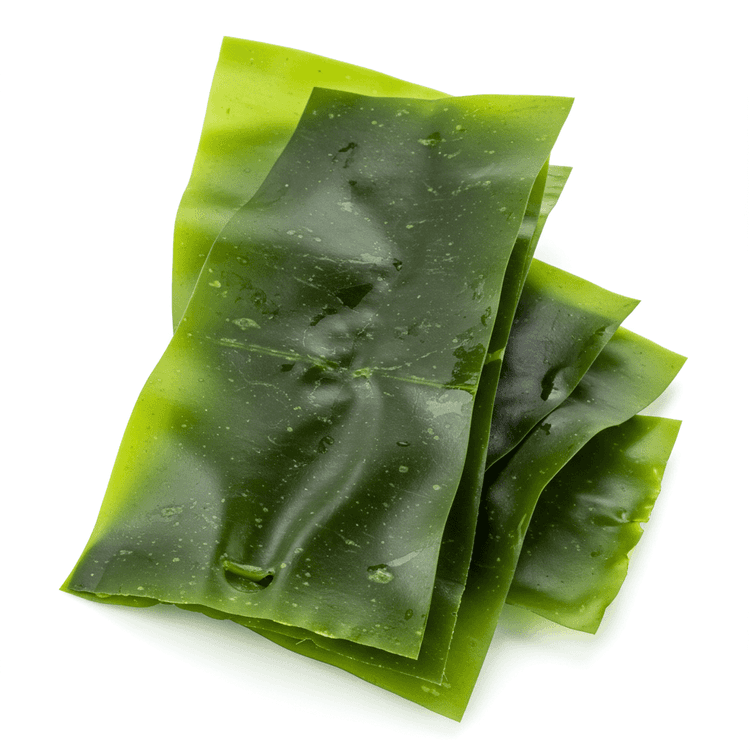
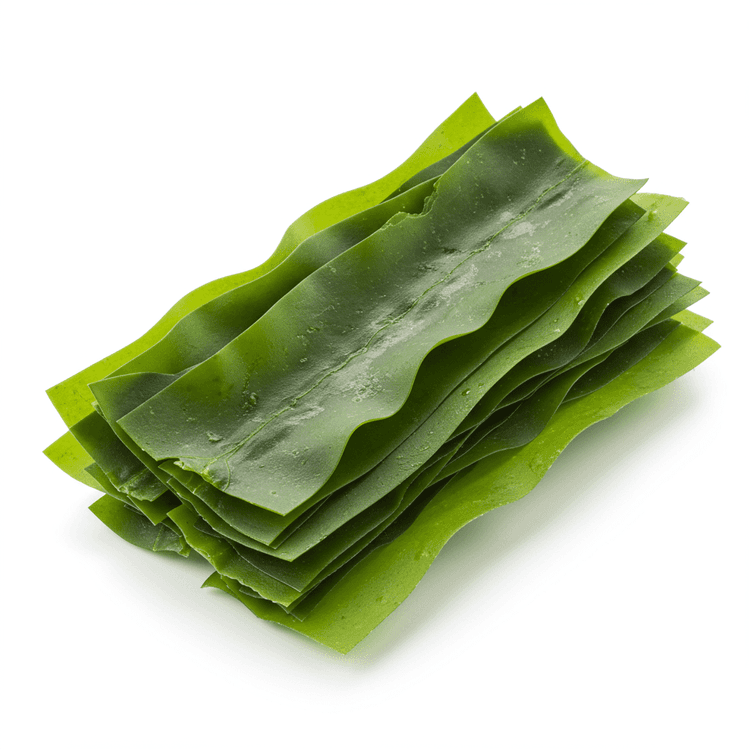
Seaweed, a diverse group of marine algae, offers a treasure trove of nutritional benefits and culinary versatility. From the familiar nori used in sushi to the lesser-known wakame and kelp, these ocean vegetables are packed with vitamins, minerals, and antioxidants, making them a powerful addition to any health-conscious diet.
One of the most compelling health benefits of seaweed is its exceptional iodine content. Iodine is a crucial mineral for thyroid function, playing a vital role in metabolism, growth, and development. Many people, particularly those who don't consume iodized salt, may be deficient in iodine, making seaweed a valuable dietary source. Different types of seaweed contain varying levels of iodine, so it's important to be mindful of portion sizes to avoid excessive intake. Beyond iodine, seaweed is also rich in other essential minerals like iron, calcium, magnesium, and potassium, all vital for maintaining healthy bones, energy levels, and muscle function. Furthermore, it boasts a significant amount of vitamins A, C, E, and B vitamins, offering antioxidant protection and supporting immune function.
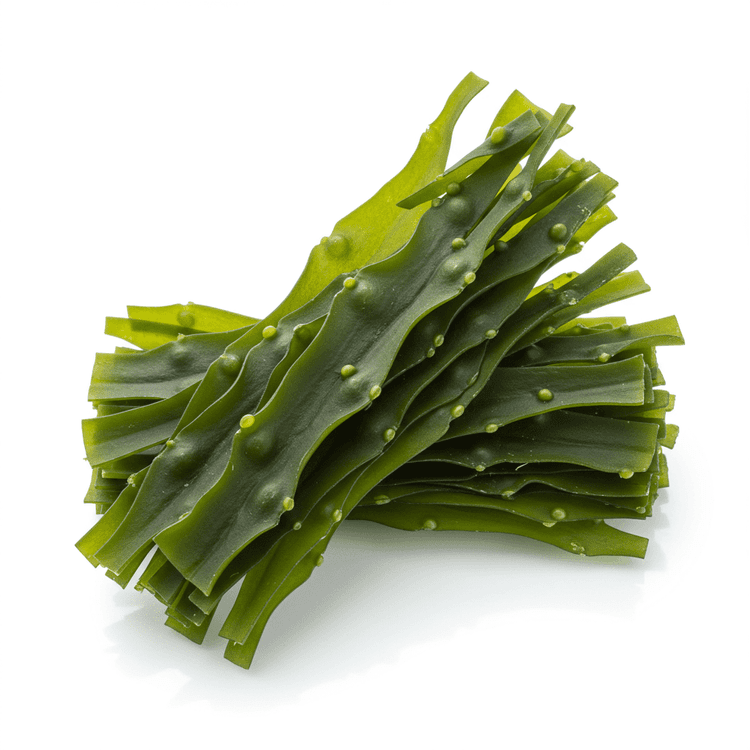
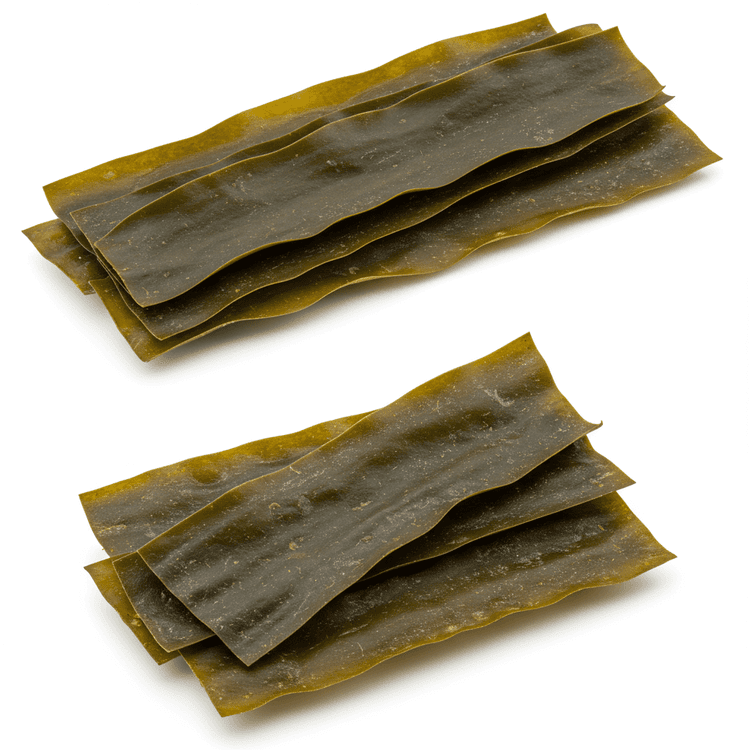
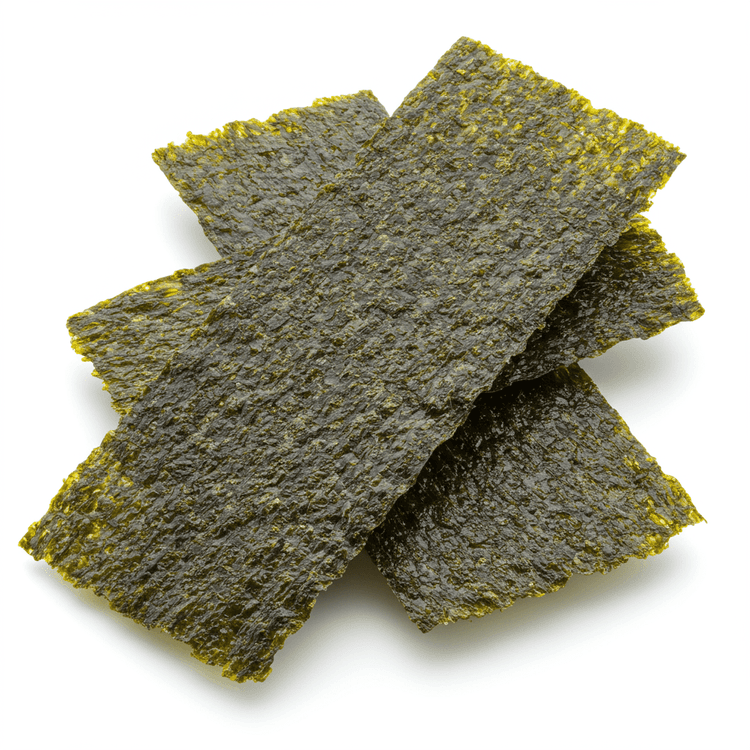
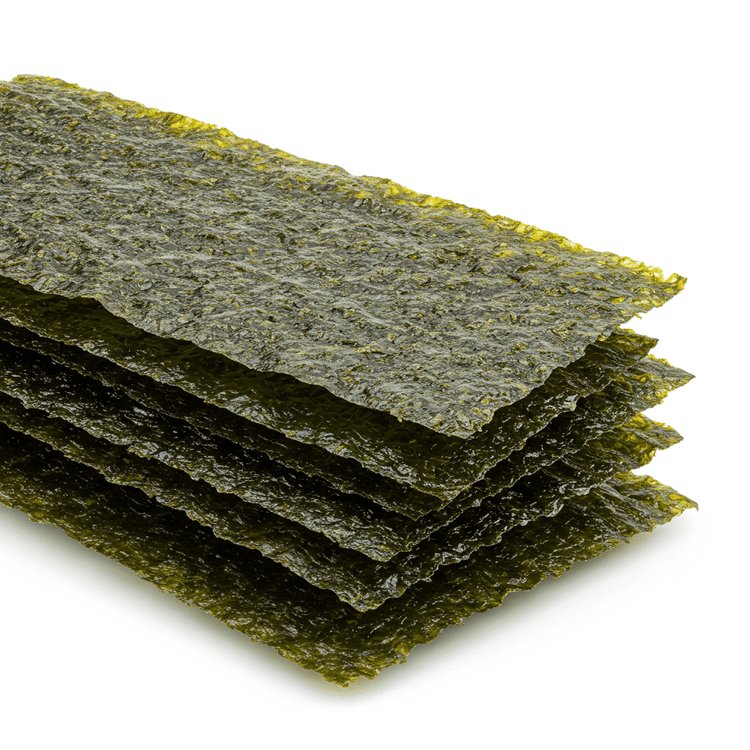
Seaweed's culinary applications are incredibly diverse. Nori, the paper-thin dried seaweed, is most commonly known for its role in sushi rolls. Wakame, with its slightly sweet and savory flavor, is a staple in miso soup and seaweed salads. Kelp, known for its thick, chewy texture, can be added to soups, stews, and even used to create seaweed noodles. Dulse, with its smoky, bacon-like flavor when fried, makes a unique and healthy snack. Beyond these common uses, seaweed can be incorporated into smoothies, stir-fries, and even baked into chips for a crunchy and nutritious treat. Its natural umami flavor enhances the taste of many dishes, allowing for reduced salt usage.
Including seaweed in a balanced diet is crucial for overall wellness due to its unique nutritional profile. Its high fiber content promotes gut health and aids digestion. The antioxidants in seaweed help protect against cellular damage caused by free radicals, potentially reducing the risk of chronic diseases. Furthermore, some studies suggest that certain compounds in seaweed may have anti-inflammatory and anti-cancer properties. Seaweed provides a sustainable and environmentally friendly food source, requiring no land, fresh water, or fertilizers to grow. Embrace the nutritional power of seaweed and unlock a world of flavor and health benefits. ||
Seaweed are an essential part of a healthy diet, providing a wide range of nutrients and health benefits. Explore our collection of seaweed ingredients.